The Comprehensive Guide to PCB Board Assembly Jobs
Introduction to PCB Assembly Careers
Printed Circuit Board (PCB) assembly represents one of the most critical sectors in modern electronics manufacturing. As technology continues to advance at a rapid pace, the demand for skilled professionals in PCB assembly jobs grows correspondingly. This 2000-word article explores the various aspects of PCB board assembly jobs, including job roles, required skills, industry trends, career pathways, and the future outlook for this essential profession.
PCB assembly technicians and engineers form the backbone of electronics production, working at the intersection of design and functionality to create the circuit boards that power everything from smartphones to medical equipment to aerospace systems. The field offers diverse opportunities for individuals with varying levels of technical expertise and education.
Types of PCB Assembly Jobs
1. PCB Assembly Technicians
Entry-level positions in PCB assembly typically begin with technician roles. These professionals operate and maintain assembly equipment, perform manual assembly when required, and conduct basic quality control checks. Their daily responsibilities might include:
- Loading components into pick-and-place machines
- Operating reflow soldering ovens
- Performing visual inspections of assembled boards
- Basic troubleshooting of assembly issues
2. SMT Operators
Surface Mount Technology (SMT) operators specialize in the increasingly dominant method of mounting electronic components directly onto the surface of PCBs. Their expertise includes:
- Programming and operating SMT placement equipment
- Stencil preparation and solder paste application
- Maintaining proper machine calibration
- Monitoring the SMT process for defects
3. Through-Hole Assembly Technicians
While surface mount technology has become predominant, through-hole technology remains important for certain applications. These specialists focus on:
- Manual insertion of through-hole components
- Wave soldering operations
- Board cleaning and preparation
- Hand soldering when required
4. Quality Control Inspectors
Quality control is paramount in PCB assembly. QC inspectors ensure that all products meet specifications and standards through:
- Visual inspections using magnification
- Automated Optical Inspection (AOI) operation
- X-ray inspection for hidden solder joints (especially for BGA components)
- Documentation of defects and process improvements
5. Process Engineers
More experienced professionals often move into process engineering roles where they:
- Optimize assembly processes for efficiency and quality
- Troubleshoot production issues
- Implement new technologies and methodologies
- Train assembly technicians
6. Manufacturing Engineers
These professionals take a broader view of the production process, focusing on:
- Production line design and optimization
- Equipment selection and implementation
- Developing assembly procedures and work instructions
- Cost reduction initiatives
Required Skills and Qualifications
Technical Skills
Successful PCB assembly professionals typically possess:
- Understanding of electronic components and their functions
- Knowledge of soldering techniques (both manual and automated)
- Familiarity with IPC standards (especially IPC-A-610 for acceptability of electronic assemblies)
- Ability to read and interpret schematics and assembly drawings
- Basic understanding of PCB design principles
Equipment Proficiency
Modern PCB assembly requires familiarity with various machines and tools:
- Pick-and-place machines
- Reflow ovens
- Wave soldering equipment
- Automated optical inspection systems
- X-ray inspection systems
- Soldering stations (for rework)
Soft Skills
Beyond technical capabilities, successful PCB assembly professionals need:
- Attention to detail
- Problem-solving abilities
- Ability to work in team environments
- Adaptability to new technologies
- Commitment to continuous learning
Education and Certification
While some positions may only require a high school diploma with on-the-job training, many employers prefer:
- Associate degrees in electronics technology or related fields
- Vocational training in electronics assembly
- IPC certification (such as IPC-A-610 CIS or J-STD-001)
- Soldering certifications

The PCB Assembly Process: A Technician’s Perspective
Understanding the complete assembly process helps professionals appreciate their role in the larger production ecosystem:
- Preparation Stage: Receiving and verifying components and bare PCBs against the bill of materials (BOM)
- Solder Paste Application: For SMT assembly, applying solder paste using stencils or jetting systems
- Component Placement: Accurate placement of components either by automated machines or manually
- Soldering: Reflow soldering for SMT or wave soldering for through-hole components
- Inspection: Checking for defects like bridging, tombstoning, or insufficient solder
- Testing: Verifying electrical functionality
- Rework: Correcting any identified issues
- Final Assembly: Adding any mechanical components or enclosures
- Final Testing: Comprehensive quality assurance before shipment
Career Advancement Pathways
PCB assembly jobs often serve as entry points to more advanced positions in electronics manufacturing. Common career progression paths include:
- From Technician to Supervisor: Experienced technicians may move into supervisory roles, managing teams of assemblers
- Specialization: Focusing on specific areas like high-reliability medical or aerospace assembly
- Process Improvement: Transitioning into lean manufacturing or Six Sigma roles
- Engineering Roles: With additional education, moving into manufacturing or process engineering positions
- Quality Management: Advancing into quality assurance or quality control management
Industry Trends Impacting PCB Assembly Jobs
Several technological and market trends are shaping the PCB assembly profession:
1. Miniaturization
The ongoing trend toward smaller components and higher-density boards requires:
- More precise assembly techniques
- Advanced inspection methods
- Cleaner work environments
2. Automation
While automation reduces some manual assembly jobs, it creates demand for:
- Machine operators and programmers
- Maintenance technicians
- Process optimization specialists
3. IoT Expansion
The growth of Internet of Things devices drives demand for:
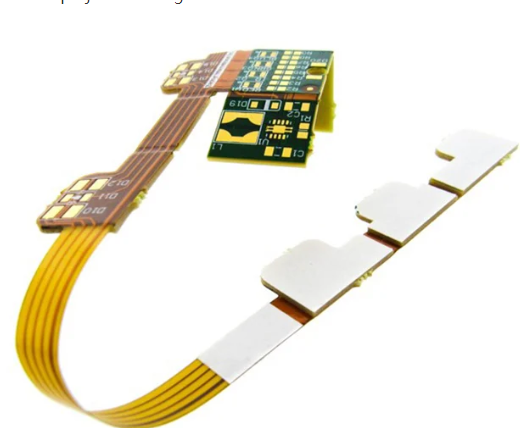
- Flexible PCB assembly expertise
- Mixed-technology boards
- Low-power component knowledge
4. Advanced Packaging
Technologies like system-in-package (SiP) and 3D packaging require:
- New assembly techniques
- Specialized training
- Advanced inspection capabilities
5. Sustainability Initiatives
Environmental concerns lead to:
- Lead-free soldering requirements
- Recycling and waste reduction efforts
- Green manufacturing processes
Challenges in PCB Assembly Jobs
Professionals in this field face several challenges:
- Rapid Technological Change: Keeping skills current with evolving technologies
- Quality Demands: Meeting increasingly stringent quality requirements, especially in medical and aerospace applications
- Global Competition: Competing with lower-cost labor markets
- Material Variations: Adapting to new substrate materials and component types
- Supply Chain Issues: Managing component shortages and lead time variations
Training and Professional Development
Continuous learning is essential in PCB assembly careers. Professionals can enhance their skills through:
- Company-Sponsored Training: Many employers offer regular technical training
- IPC Certification Programs: Industry-standard certification courses
- Vendor-Specific Training: Equipment manufacturers often provide specialized training
- Community College Courses: Local technical programs in electronics manufacturing
- Online Learning Platforms: Courses in electronics, soldering, and manufacturing processes
Work Environment and Conditions
PCB assembly professionals typically work in:
- Manufacturing facilities or electronics plants
- Clean room environments for sensitive components
- ESD-protected workstations
- Climate-controlled production floors
The work often involves:
- Standing for extended periods
- Wearing protective equipment (ESD smocks, gloves, etc.)
- Following strict safety protocols
- Working in teams on production lines
Salary Expectations
Compensation in PCB assembly jobs varies by location, experience, and specialization:
- Entry-level technicians: $25,000 – $35,000 annually
- Experienced technicians: $35,000 – $50,000
- Specialized technicians (e.g., high-reliability): $45,000 – $65,000
- Supervisors and leads: $50,000 – $75,000
- Process/manufacturing engineers: $60,000 – $90,000
The Future of PCB Assembly Jobs
The outlook for PCB assembly professionals remains positive, with several factors influencing future demand:
- Continued Electronics Growth: Expanding applications in automotive, medical, and consumer electronics
- Reshoring Trends: Some companies bringing manufacturing back to domestic locations
- Retirement Wave: Experienced technicians retiring creates openings
- Technology Evolution: New assembly challenges requiring skilled workers
- High-Reliability Markets: Growth in medical, aerospace, and defense electronics
Conclusion
PCB board assembly jobs offer rewarding career opportunities for individuals interested in hands-on electronics manufacturing. From entry-level technician positions to advanced engineering roles, the field provides multiple pathways for professional growth. As electronic devices become more pervasive in all aspects of modern life, the demand for skilled PCB assembly professionals will continue to grow.
Those entering the field should focus on developing strong technical skills, pursuing relevant certifications, and staying adaptable to new technologies. With the right combination of skills and experience, PCB assembly professionals can build stable, fulfilling careers at the heart of electronics manufacturing.
The future of PCB assembly will likely see increased automation, but human expertise will remain essential for process design, quality control, and handling complex assemblies. For technically-minded individuals who enjoy precision work and problem-solving, PCB assembly jobs represent a solid career choice with excellent long-term prospects.