The Essential Guide to Controller PCB: Design, Functionality, and Applications
Introduction
Printed Circuit Boards (PCBs) are the backbone of modern electronics, and Controller PCBs play a crucial role in managing and regulating electronic systems. From consumer electronics to industrial automation, controller PCBs are integral to ensuring efficient operation. This article explores the design principles, key functionalities, materials, manufacturing processes, and applications of controller PCBs.
1. What is a Controller PCB?
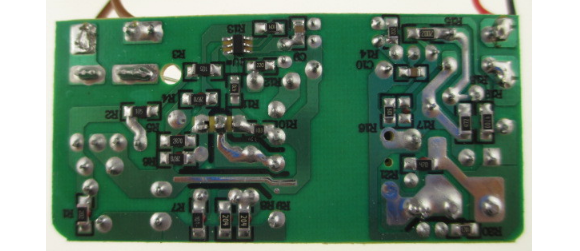
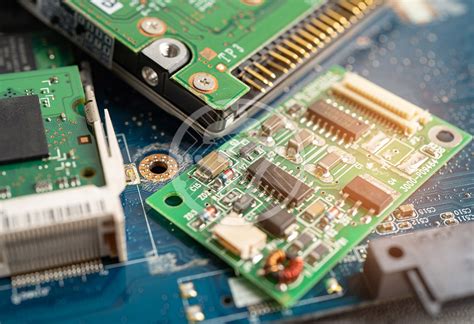
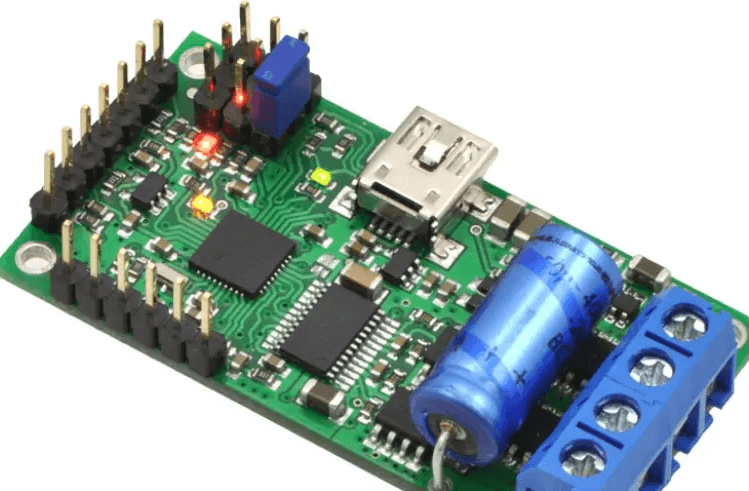
A Controller PCB is a specialized circuit board designed to manage and regulate the operations of electronic devices. It typically includes a microcontroller or microprocessor, power management components, signal conditioning circuits, and communication interfaces. These PCBs act as the “brain” of electronic systems, processing inputs, executing control algorithms, and delivering outputs to other components.
Key Components of a Controller PCB:
- Microcontroller/Microprocessor – The core processing unit (e.g., ARM Cortex, AVR, PIC).
- Power Supply Circuitry – Regulates voltage for stable operation.
- Signal Conditioning Circuits – Filters and amplifies sensor inputs.
- Communication Interfaces – UART, SPI, I2C, USB, Ethernet, or wireless modules (Bluetooth/Wi-Fi).
- Memory (Flash, EEPROM, RAM) – Stores firmware and temporary data.
- Protection Circuits – Overvoltage, overcurrent, and ESD protection

2. Design Considerations for Controller PCBs
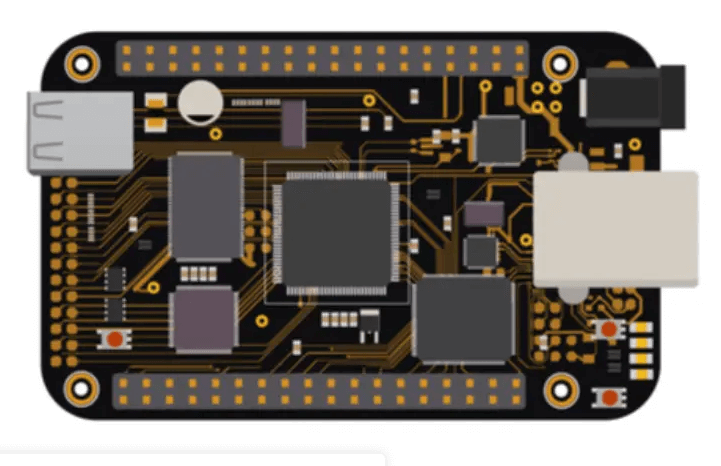
Designing a controller PCB requires careful planning to ensure reliability, efficiency, and manufacturability. Below are critical design considerations:
A. Schematic Design
- Define the microcontroller and peripheral connections.
- Incorporate decoupling capacitors near power pins to reduce noise.
- Ensure proper pull-up/pull-down resistors for digital signals.
B. PCB Layout Best Practices
- Layer Stackup – Use a 4-layer or 6-layer PCB for better signal integrity.
- Top Layer: Components and high-speed signals.
- Inner Layers: Power and ground planes.
- Bottom Layer: Low-frequency signals and additional routing.
- Power Distribution Network (PDN) – Minimize voltage drops with wide traces and multiple vias.
- Signal Integrity – Route high-speed signals (USB, Ethernet) with controlled impedance.
- Thermal Management – Use thermal vias and heatsinks for power components.
- EMI/EMC Compliance – Proper grounding and shielding to reduce electromagnetic interference.
C. Firmware Integration
- The PCB must accommodate firmware programming interfaces (JTAG, SWD).
- Include test points for debugging.
3. Manufacturing and Assembly
A. PCB Fabrication Process
- Substrate Selection – FR-4 is common, but high-frequency applications may use Rogers or polyimide.
- Copper Etching – Defines conductive traces.
- Drilling & Plating – Creates vias for inter-layer connections.
- Solder Mask & Silkscreen – Protects copper traces and labels components.
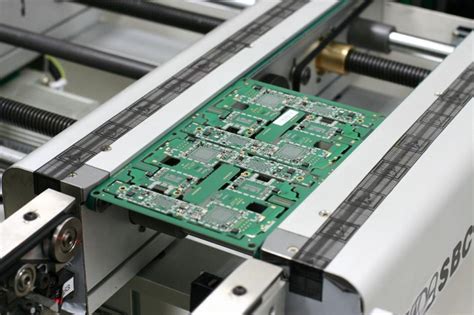
B. Component Assembly
- Surface Mount Technology (SMT) – Preferred for compact designs.
- Through-Hole Technology (THT) – Used for high-power components.
- Automated Optical Inspection (AOI) – Ensures soldering quality.
4. Applications of Controller PCBs
Controller PCBs are used across various industries:
A. Consumer Electronics
- Smart home devices (thermostats, lighting controls).
- Gaming consoles and remote controls.
B. Industrial Automation
- PLCs (Programmable Logic Controllers).
- Motor control systems.
C. Automotive Systems
- Engine Control Units (ECUs).
- Infotainment and ADAS (Advanced Driver Assistance Systems).
D. Medical Devices
- Patient monitoring systems.
- Portable diagnostic equipment.
E. Robotics & IoT
- Drone flight controllers.
- IoT gateway devices.
5. Challenges and Future Trends
A. Challenges in Controller PCB Design
- Miniaturization – Balancing size and functionality.
- Thermal Management – Preventing overheating in high-power designs.
- Signal Integrity – Managing noise in high-speed circuits.
B. Emerging Trends
- Flexible and Rigid-Flex PCBs – For wearable and compact devices.
- AI-Integrated Controllers – Edge computing for real-time decision-making.
- Advanced Materials – High-frequency laminates for 5G and IoT applications.
Conclusion
Controller PCBs are fundamental to modern electronics, enabling precise control in various applications. Proper design, manufacturing, and testing ensure reliability and performance. As technology advances, controller PCBs will continue evolving with higher integration, smarter functionalities, and improved efficiency.
By understanding the principles discussed in this guide, engineers and designers can develop robust controller PCBs that meet the demands of next-generation electronic systems.