The PCB Assembly (PCBA) Factory: Processes, Technologies, and Industry Trends
Introduction
Printed Circuit Board Assembly (PCBA) is a critical stage in the electronics manufacturing process, where electronic components are mounted onto a PCB to create a functional circuit. PCBA factories are specialized facilities equipped with advanced machinery, skilled personnel, and robust processes to ensure high-quality assembly of electronic products. This article provides an in-depth look at the operations of a PCBA factory, covering the key processes, technologies, challenges, and future trends shaping the industry.
1. Overview of a PCBA Factory
A PCBA factory is a highly organized facility designed to transform bare PCBs into fully functional electronic assemblies. The factory integrates various processes, including component procurement, PCB fabrication, assembly, testing, and quality control. The efficiency and precision of these processes determine the quality, reliability, and cost-effectiveness of the final product.
Key Functions of a PCBA Factory:
- Component Sourcing and Inventory Management: Procuring and managing electronic components.
- PCB Fabrication: Manufacturing bare PCBs or receiving them from external suppliers.
- Assembly: Mounting components onto the PCB using Surface Mount Technology (SMT) and Through-Hole Technology (THT).
- Testing and Quality Control: Ensuring the functionality and reliability of assembled PCBs.
- Packaging and Shipping: Preparing finished products for delivery to customers.
2. Key Processes in a PCBA Factory
2.1 PCB Fabrication
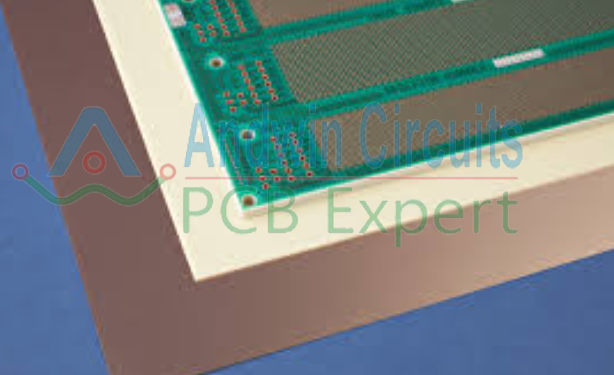
While some PCBA factories focus solely on assembly, others also include PCB fabrication. The fabrication process involves creating the bare PCB, which serves as the foundation for component mounting. Key steps include:
- Design and Layout: Using CAD software to design the PCB layout.
- Material Preparation: Selecting and preparing the substrate, typically made of fiberglass (FR-4).
- Etching and Drilling: Creating conductive traces and drilling holes for through-hole components.
- Layer Stacking and Lamination: For multi-layer PCBs, layers are stacked and laminated together.
- Surface Finishing: Applying coatings like HASL, ENIG, or OSP to protect the copper traces.
2.2 Component Procurement
A PCBA factory must source high-quality components from reliable suppliers. This involves:
- Bill of Materials (BOM) Management: Creating and managing a detailed list of components required for assembly.
- Supplier Selection: Choosing suppliers based on quality, cost, and delivery timelines.
- Inventory Management: Maintaining an organized inventory to avoid shortages or excess stock.
2.3 PCB Assembly
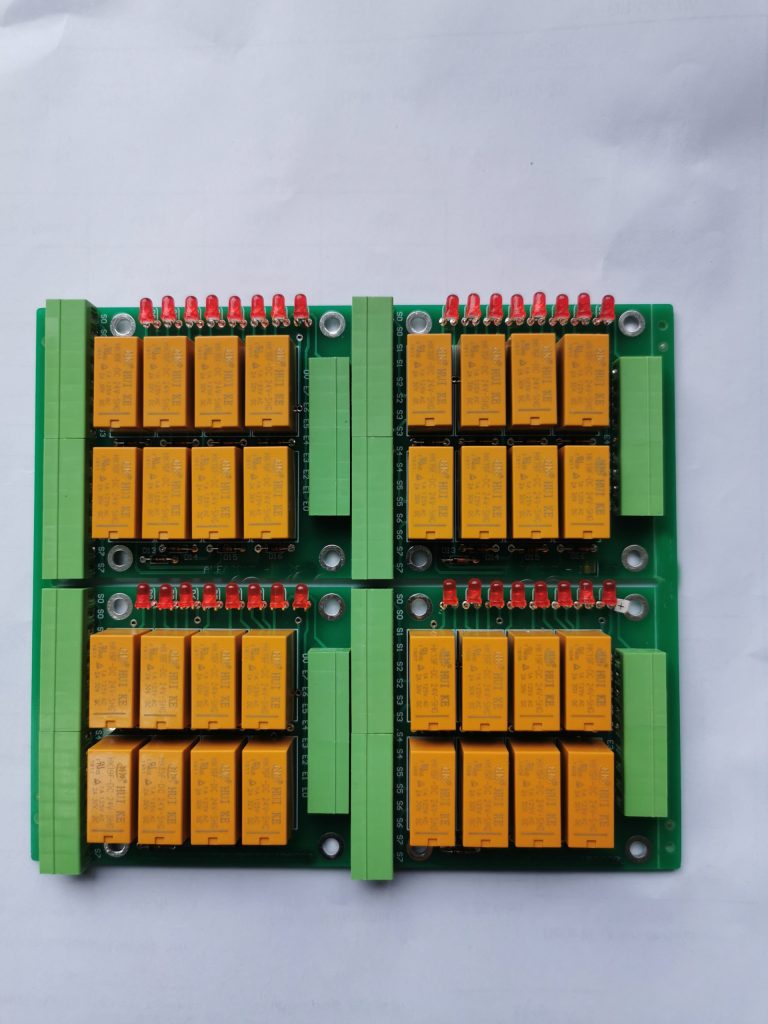
The assembly process is the core function of a PCBA factory. It involves mounting components onto the PCB using SMT, THT, or a combination of both.
Surface Mount Technology (SMT) Process:
- Solder Paste Application: A stencil is used to apply solder paste to the PCB pads.
- Component Placement: A pick-and-place machine positions SMD components onto the solder paste.
- Reflow Soldering: The PCB passes through a reflow oven, where the solder paste melts and forms solid solder joints.
- Inspection: Automated Optical Inspection (AOI) or X-ray systems check for defects.
Through-Hole Technology (THT) Process:
- Component Insertion: THT components are inserted into pre-drilled holes on the PCB.
- Wave Soldering: The PCB passes over a wave soldering machine, which solders the component leads.
- Inspection and Cleaning: The PCB is inspected and cleaned to remove flux residues.
2.4 Testing and Quality Control
Testing is a critical step to ensure the functionality and reliability of assembled PCBs. Common testing methods include:
- In-Circuit Testing (ICT): Verifies the electrical performance of individual components.
- Functional Testing: Ensures the assembled PCB performs its intended function.
- Automated Optical Inspection (AOI): Detects visual defects such as misaligned components or solder bridges.
- X-Ray Inspection: Used to inspect hidden solder joints, such as those in BGA components.
2.5 Packaging and Shipping
Once the PCBs pass all quality checks, they are packaged according to customer requirements and shipped. Proper packaging ensures the PCBs are protected during transit.
3. Technologies Used in a PCBA Factory
3.1 Automated Machinery
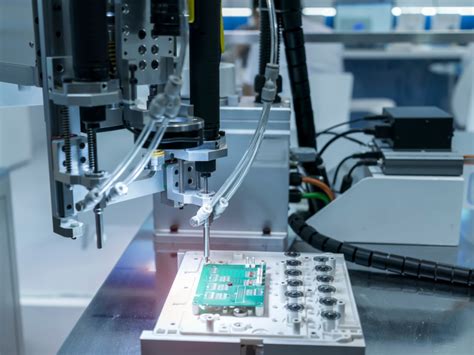
Modern PCBA factories rely heavily on automation to improve efficiency and precision. Key machines include:
- Pick-and-Place Machines: For accurate placement of SMD components.
- Reflow Ovens: For melting solder paste and forming solder joints.
- Wave Soldering Machines: For soldering THT components.
- AOI and X-Ray Machines: For defect detection and quality control.
3.2 Software and Data Management
PCBA factories use advanced software for design, process control, and data management. Examples include:
- Computer-Aided Design (CAD) Software: For PCB layout and design.
- Manufacturing Execution Systems (MES): For tracking and managing production processes.
- Enterprise Resource Planning (ERP) Systems: For managing inventory, orders, and supply chains.
3.3 Advanced Soldering Techniques
Innovative soldering techniques are used to address challenges such as miniaturization and high-density designs. Examples include:
- Selective Soldering: For soldering specific areas of the PCB without affecting nearby components.
- Vapor Phase Soldering: A precise and energy-efficient soldering method.
4. Challenges in PCBA Manufacturing
4.1 Component Shortages
The electronics industry often faces shortages of critical components, such as semiconductors, due to high demand and supply chain disruptions. PCBA factories must manage these shortages by diversifying suppliers and maintaining buffer stocks.
4.2 Miniaturization and High-Density Designs
As electronic devices become smaller and more complex, PCBA factories must adapt to handle smaller components and tighter tolerances. This requires advanced machinery and skilled personnel.
4.3 Quality Control
Ensuring consistent quality is a major challenge, especially for high-volume production. PCBA factories must implement robust quality control processes and invest in advanced inspection technologies.
4.4 Environmental Regulations
PCBA factories must comply with environmental regulations, such as the Restriction of Hazardous Substances (RoHS) directive, which restricts the use of hazardous materials like lead and mercury.
5. Future Trends in PCBA Manufacturing
5.1 Industry 4.0 and Smart Factories
The integration of Industry 4.0 technologies, such as IoT, AI, and big data analytics, is transforming PCBA factories into smart factories. These technologies enable real-time monitoring, predictive maintenance, and data-driven decision-making.
5.2 Flexible and Wearable Electronics
The growing demand for flexible and wearable electronics is driving the development of new materials and assembly techniques. PCBA factories are adopting flexible PCBs and stretchable interconnects to meet these demands.
5.3 Green Manufacturing
Sustainability is becoming a key focus in PCBA manufacturing. Factories are adopting eco-friendly practices, such as using lead-free solder, reducing waste, and recycling materials.
5.4 Additive Manufacturing
3D printing is emerging as a complementary technology in PCBA manufacturing. It enables rapid prototyping, custom enclosures, and even the printing of conductive traces.
5.5 Advanced Packaging
As electronic devices become more complex, advanced packaging technologies like 3D packaging and System-in-Package (SiP) are gaining traction. These technologies require PCBA factories to adopt new assembly and testing methods.
6. Choosing the Right PCBA Factory
When selecting a PCBA factory, consider the following factors:
- Capabilities: Ensure the factory has the expertise and equipment to handle your specific requirements.
- Quality Standards: Look for certifications like ISO 9001 and IPC-A-610.
- Turnaround Time: Choose a factory that can meet your production deadlines.
- Cost: Compare pricing while considering the quality and reliability of the factory.
- Customer Support: A responsive and supportive team can make the collaboration smoother.
Conclusion
The PCBA factory is the heart of electronics manufacturing, where raw materials and components are transformed into functional electronic products. By leveraging advanced technologies, robust processes, and skilled personnel, PCBA factories can deliver high-quality, reliable, and cost-effective solutions. As the industry evolves, trends such as Industry 4.0, green manufacturing, and advanced packaging are shaping the future of PCBA manufacturing. By staying ahead of these trends and addressing the challenges, PCBA factories can continue to drive innovation and meet the growing demands of the electronics industry.