The Rise of Circuit Card Assembly Manufacturers: Innovation Unleashed
Key Takeaways
The landscape of circuit card assembly manufacturers is rapidly transforming, driven by technological advancements and evolving market needs. Central to this transformation is the increasing demand for pcb assembly, which serves as a foundational component for countless electronic devices. By leveraging cutting-edge technologies, manufacturers are developing pcba processes that significantly enhance production efficiency and quality. Notably, the incorporation of automation and smart technologies has revolutionized circuit card assembly operations, leading to quicker turnaround times and reduced costs. Moreover, these innovations are not just about improving existing processes; they pave the way for the creation of more compact and complex electronic assemblies that cater to modern consumer demands. As manufacturers navigate through this dynamic environment, understanding market trends will be crucial in identifying opportunities for growth while addressing challenges inherent to this high-stakes industry.
Introduction to Circuit Card Assembly Manufacturers
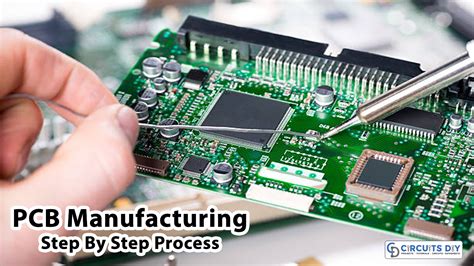
The world of circuit card assembly manufacturers has witnessed remarkable growth, fueled by the increasing demand for high-performance electronics. These manufacturers specialize in pcb assembly and its intricate processes, including the production and integration of printed circuit boards or PCBs into various electronic devices. As technology advances, the methods used for pcba have transformed significantly, incorporating precision engineering and advanced materials to improve product reliability and efficiency.
Gone are the days when manual labor dominated the assembly lines; today’s landscape is characterized by sophisticated automation and smart manufacturing solutions that promise higher throughput and reduced error rates. This shift not only enhances the quality of products but also allows manufacturers to respond quicker to market trends and consumer needs.
“Embracing innovation is no longer optional; it’s essential for survival in today’s competitive landscape.”
This sentiment reflects the growing emphasis on staying ahead in an industry that continually evolves with new technological possibilities. As circuit card assembly manufacturers strive to keep pace with these advancements, they are also addressing challenges such as supply chain disruptions and stringent quality standards. The synergy of innovation and efficiency is setting a promising trajectory for growth, making it an exciting time for those involved in this vital sector of electrical manufacturing.
The Evolution of Circuit Card Assembly Technologies
The evolution of circuit card assembly (CCA) technologies has been marked by significant advancements that have reshaped the landscape of the electronics industry. In the early stages of pcb assembly, traditional methods relied heavily on manual labor, which often led to inconsistencies and inefficiencies. However, with the advent of sophisticated machinery and software, pcba now benefits from automated processes that increase precision and speed. One notable innovation is the development of surface mount technology (SMT), which allows components to be mounted directly onto the surface of circuit boards, reducing space requirements and enhancing performance.
Furthermore, advancements in software tools have improved design processes, making it easier for manufacturers to create complex layouts. These tools often include simulation capabilities that predict performance before production begins, reducing errors and ensuring high quality. The integration of robotics in assembly lines has also played a crucial role in scaling operations and maintaining product consistency. The use of smart manufacturing techniques—where data analytics and machine learning are applied—has led to a more responsive manufacturing environment that adapts to real-time demands.
The table below highlights some key technological developments in circuit card assembly:
| Technology | Description | Impact on Industry |
|---|---|---|
| Surface Mount Technology (SMT) | Allows for higher density circuit layouts | Reduced board size and weight |
| Automated Optical Inspection (AOI) | Ensures quality control through inspection | Minimizes defects and increases reliability |
| Computer-Aided Design (CAD) | Facilitates complex PCB design | Enhances design efficiency |
| Robotics | Automates repetitive tasks | Increases production speed |
In summary, the evolution of technologies in pcb assembly has led to substantial improvements that not only enhance the efficiency of circuit card assembly manufacturers but also position them better for future challenges in an increasingly digitized environment. These innovations are set to continue driving growth as manufacturers strive toward more sustainable practices while meeting rising market demands.
Key Innovations Transforming the Circuit Card Assembly Industry
The landscape of pcba manufacturing has been dramatically reshaped by several key innovations that prioritize efficiency, precision, and scalability. One of the foremost advancements lies in the integration of advanced automation technologies, which streamline the pcb assembly process, reducing human error and increasing production speed. Automated optical inspection (AOI) systems are now commonplace, ensuring that each layer of the circuit meets stringent quality standards. Furthermore, 3D printing techniques are emerging as a game changer, allowing manufacturers to rapidly prototype and produce complex circuit designs that were previously difficult to achieve.
Another significant innovation is the shift towards flexible manufacturing systems that adapt to varied production requirements, thereby enhancing responsiveness to market demands. This flexibility not only reduces lead times but also lowers costs associated with inventory management—a crucial factor in today’s fast-paced digital environment. Additionally, advancements in materials science have led to the development of lighter and more durable substrates tailored for specific applications, such as high-frequency communication devices.
The adoption of data analytics is also transforming decision-making processes within circuit card assembly operations. By leveraging real-time data from production lines, companies can optimize workflows and forecast potential failures before they occur. These innovations collectively contribute to a more agile and robust pcba industry, driving growth while maintaining high standards for quality and reliability in an increasingly competitive marketplace.
Efficiency Enhancement through Modern Manufacturing Processes
The realm of pcb assembly has witnessed remarkable advancements, particularly through the adoption of modern manufacturing processes. These innovations are substantially enhancing the efficiency of pcba production, allowing manufacturers to meet the growing demands of an increasingly digital landscape. Techniques such as lean manufacturing and just-in-time production streamline workflows by minimizing waste and optimizing resource utilization. Automation plays a pivotal role in this transformation, facilitating the precise and rapid assembly of components while ensuring high-quality standards. Advanced machinery and robotics not only improve accuracy but also reduce human error, allowing for greater scalability in output. Furthermore, the integration of data analytics into manufacturing processes provides valuable insights into production performance, enabling continuous improvement strategies. This synergy between technology and process optimization is empowering circuit card assembly manufacturers to respond swiftly to market demands while maintaining competitive pricing—a crucial factor in today’s fast-paced environment. As a result, these enhancements are not merely about increased productivity; they represent a significant evolution in how pcb assembly is conceptualized and executed within the industry.
The Role of Automation in Circuit Card Assembly
Automation has become a cornerstone in the realm of circuit card assembly or pcba. As manufacturers strive to meet the increasing demands for precision and speed, automated systems are enhancing productivity while minimizing human error. By integrating advanced robotics and machine learning technologies, manufacturers can oversee intricate processes like soldering, inspecting, and assembling with remarkable accuracy. These innovations not only streamline operations but also reduce production costs, allowing for competitive pricing in an ever-evolving market. Furthermore, automation facilitates real-time monitoring of the pcb assembly process, enabling swift adjustments that optimize performance and quality control. The shift towards these automated solutions underscores a broader trend in the industry where efficiency is paramount and technological adaptability is key to sustaining growth amidst global demands. As manufacturers embrace these changes, they are not only revolutionizing their operations but also paving the way for future advancements that promise to further transform the circuit card assembly landscape.
Market Trends Driving Growth in the Circuit Card Assembly Sector
The circuit card assembly (CCA) sector is experiencing remarkable growth, driven by several key market trends that reflect the ever-increasing demand for sophisticated electronics. One significant trend is the shift towards automated processes within pcb assembly operations, which enhances productivity while reducing human error. This automation not only streamlines workflows but also leads to faster turnaround times, making it crucial in meeting the rapid pace of technological advancements. Additionally, there’s a growing emphasis on miniaturization of components, enabling manufacturers to create more compact and efficient pcba solutions. This trend is particularly relevant in consumer electronics and wearable technology, where space constraints are paramount. Furthermore, the adoption of sustainable practices in manufacturing processes is making a considerable impact; companies are increasingly focused on minimizing waste and optimizing resource allocation. As consumers become more environmentally conscious, CCA manufacturers are adapting to these preferences by integrating eco-friendly materials and methods into their production lines. Overall, these trends not only illustrate the dynamic nature of the circuit card assembly industry but also underscore its pivotal role in shaping the future of technology as it aligns with market needs and consumer expectations.
Challenges Faced by Circuit Card Assembly Manufacturers Today
The landscape of pcb assembly is continually evolving, bringing with it a unique set of challenges for manufacturers. One significant hurdle is the rapid pace of technological advancement, which compels circuit card assembly manufacturers to constantly upgrade their processes and equipment. Keeping up with the latest innovations in pcba can be resource-intensive and requires a commitment to ongoing training for the workforce. Additionally, the increasing complexity of electronic devices necessitates intricate assemblies, leading to greater demands for precision and quality. This complexity not only raises production costs but also amplifies the risk of errors during manufacturing. Another pressing challenge is supply chain disruptions, which have become a common theme in global industries. Fluctuations in the availability of essential components can delay production timelines and impact overall efficiency. Furthermore, manufacturers face increased pressure to meet sustainability goals while maintaining profitability; balancing environmentally responsible practices with operational demands presents a significant obstacle. In summary, while circuit card assembly manufacturers are presented with exciting growth opportunities through innovation, navigating these challenges is essential for long-term success in an increasingly competitive market.
Future Outlook: The Next Frontier for Circuit Card Assembly
As the landscape of technology continues to evolve, the future of circuit card assembly (CCA) holds promising potential. The shift towards greater digital connectivity and reliance on smart devices is driving the demand for advanced PCB assembly solutions. Circuit card assembly manufacturers are increasingly focusing on integrating innovative techniques, such as automated processes and machine learning, into their operations. This evolution sets the stage for enhanced precision and reduced production times in PCBA operations.
Furthermore, sustainability is becoming a key priority within the sector. Manufacturers are searching for eco-friendly materials and processes that can not only reduce waste but also comply with regulatory standards. The implementation of additive manufacturing techniques signifies a transformative step forward, allowing for more intricate designs while optimizing material usage.
The influx of the Internet of Things (IoT) will likely reshape market demands, requiring manufacturers to adapt rapidly to evolving specifications and technologies. Future advancements in connectivity will also enhance collaboration between various stakeholders in the supply chain, fostering a more agile production environment.
As competition intensifies, those who can leverage innovation, maintain flexibility, and embrace sustainable practices will stand at the forefront of this dynamic industry. The next frontier for circuit card assembly lies not just in meeting existing demands but in anticipating future trends that promise to keep pace with our increasingly interconnected world.
Conclusion
The landscape of circuit card assembly manufacturers has undergone significant transformation, primarily fueled by innovative technologies and evolving market demands. The advancement of pcb assembly processes has enabled manufacturers to achieve higher levels of precision and efficiency, thereby boosting overall productivity. Essential techniques such as surface mount technology (SMT) have played a crucial role in enhancing the reliability and performance of printed circuit boards (PCBs). Moreover, the integration of automation in the production line has streamlined assembly processes, reducing time-to-market and minimizing human error. As the demand for smaller, more efficient, and cost-effective solutions continues to rise, so too will the evolution of pcba practices, pushing manufacturers to adopt cutting-edge technologies. This continuous journey of innovation depicts a thriving sector that is not only meeting contemporary challenges but also setting the stage for a dynamic future in electronic manufacturing.
FAQs
What is PCB assembly?
PCB assembly, often referred to as ‘pcba’, is the process of soldering electronic components onto a printed circuit board (PCB) to create a functional electronic circuit.
What are the main types of PCB assembly?
There are two main types of ‘pcb assembly’: Surface Mount Technology (SMT) and Through-Hole Technology (THT). SMT involves mounting components directly onto the surface of the PCB, while THT involves placing leads through holes on the board.
How have circuit card assembly manufacturers evolved over time?
Circuit card assembly manufacturers have significantly evolved by adopting new technologies, such as automated assembly processes and advanced testing techniques, which enhance efficiency and precision in ‘pcba’ production.
What role does automation play in PCB assembly?
Automation in ‘pcb assembly’ streamlines manufacturing processes, reduces errors, increases production speed, and ultimately leads to cost savings—allowing manufacturers to meet increasing demand effectively.
What are the current market trends impacting circuit card assembly?
Current trends include rising demand for IoT devices, miniaturization of electronic components, and an increasing focus on sustainability. These trends drive innovations and influence manufacturers to adopt greener practices in their production processes.