The Role of Medical PCB Manufacturers in Advancing Healthcare Technology
Key Takeaways
Understanding the role of medical PCB manufacturers is crucial for advancing healthcare technology. These pcb manufacturing companies focus on creating high-quality printed circuit boards specifically designed for medical applications, ensuring that the devices you rely on for your health and well-being operate with the utmost reliability and precision. The pcb manufacturing cost might be higher than for standard PCBs, but the investment pays off in terms of patient safety and device performance. Moreover, as a stakeholder in this field, you should appreciate how a thriving pcb manufacturing business fosters innovation, leading to new technologies that improve diagnostics, monitoring, and treatment options. Ultimately, by acknowledging these key takeaways, you can better understand how medical PCB manufacturers contribute significantly to your healthcare experience and help drive the evolution of advanced treatment solutions.
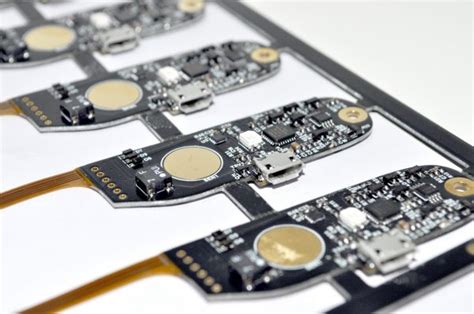
Introduction to the Importance of Medical PCBs in Healthcare
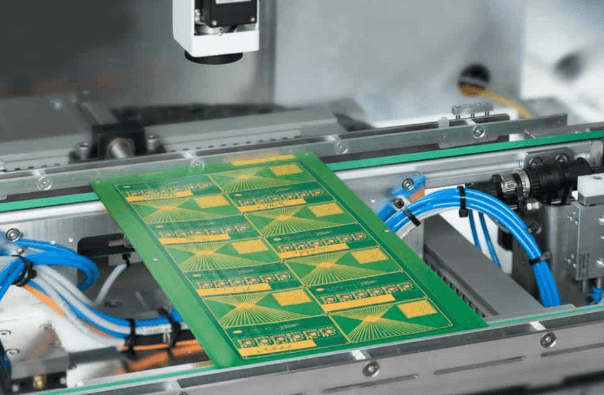
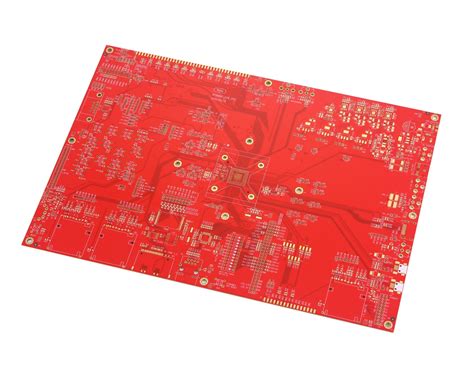
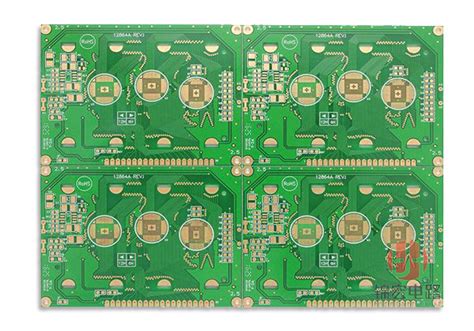
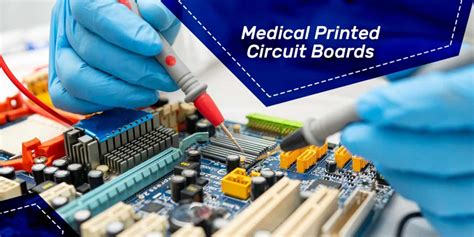
In the rapidly evolving landscape of healthcare technology, medical PCBs (printed circuit boards) serve as the backbone for many advanced devices. As you delve into this field, understanding the importance of pcb manufacturing is crucial. Medical PCB manufacturers play a significant role in ensuring that medical devices meet stringent regulatory standards and maintain high reliability. These pcb manufacturing companies leverage cutting-edge technology to create circuits that are not only efficient but also capable of performing precise functions essential for patient care.
The significance of medical PCB manufacturers goes beyond mere functionality; they are integral in driving innovations that enhance treatment solutions, thus improving patient outcomes. For instance, smart medical devices that monitor vital signs rely heavily on the quality and precision of the PCBs used in their assembly. By investing in advanced pcb manufacturing techniques, these manufacturers can reduce the overall pcb manufacturing cost, making life-saving technologies more accessible.
Here’s a brief overview of different aspects impacted by medical PCB manufacturing:
| Aspect | Importance |
|---|---|
| Device Performance | Ensures accurate and reliable operation |
| Compliance | Meets industry regulations and standards |
| Innovation | Fuels development of next-gen healthcare tech |
| Cost Efficiency | Lowers overall production costs |
“Innovations in healthcare begin with reliable components; invest wisely in your PCB solutions.”
As you can see, the intricate relationship between medical PCBs and healthcare technology underscores their pivotal role in advancing modern medicine. If you’re interested in learning more about specific cases or applications, consider exploring reputable pcb manufacturing businesses, such as Andwin PCB, which exemplifies excellence in this field.
Key Innovations Driven by Medical PCB Manufacturers
Medical PCB manufacturers play an indispensable role in shaping the future of healthcare technology. Their innovations not only enhance the functionality of medical devices but also drive advancements that are critical for effective patient care. One major area where these manufacturers excel is in pcb manufacturing, which facilitates reduced size and increased efficiency of medical devices.
By employing cutting-edge technologies, they produce PCBs that incorporate advanced features such as increased signal integrity and better thermal management, which ultimately contribute to the reliability of devices used in critical applications, from monitoring systems to surgical instruments. Furthermore, these manufacturers are key players in addressing the pcb manufacturing cost, ensuring that they provide high-quality products at competitive prices.
The continuous investment in research and development by leading pcb manufacturing companies has led to the creation of specialized materials that meet stringent healthcare standards while also being environmentally sustainable. This not only benefits their pcb manufacturing business but also sets a benchmark for others to follow, driving a culture of innovation throughout the industry. As a result, you can expect more breakthroughs that will significantly improve diagnosis, treatment, and overall patient outcomes, demonstrating the transformative impact of medical PCBs in modern healthcare solutions.
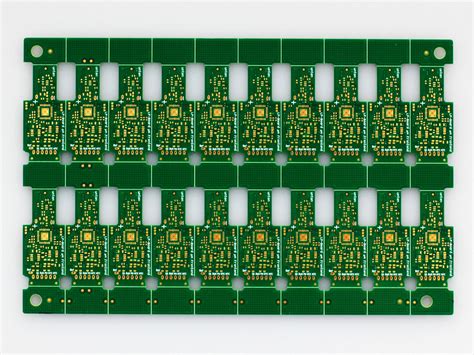
Enhancing Device Reliability Through Advanced PCB Design
In the realm of healthcare technology, medical PCB manufacturers play a crucial role in fostering advancements that lead to safer and more effective medical devices. By leveraging their expertise, these PCB manufacturing companies focus on the intricacies of pcb manufacturing to enhance the overall reliability of healthcare devices. This effort is paramount, as device failure can have serious implications for patient safety. Through advanced design methodologies, improved materials, and stringent testing procedures, your selected pcb manufacturing business can ensure that every component meets rigorous standards tailored for medical applications.
The effective integration of superior components within the printed circuit boards (PCBs) allows for improved performance under various conditions, enhancing durability and consistency. Additionally, these manufacturers often explore innovative design techniques that minimize potential risks while maximizing device longevity. By thoroughly understanding your specific needs and requirements, these pcb manufacturing companies are able to optimize pcb manufacturing costs, ensuring that quality is maintained without compromising financial viability. Ultimately, robust PCB designs lead to fewer device failures and greater trust in medical technologies—benefits that are essential for anyone relying on advanced medical treatments.
The Role of Precision in Medical Applications
In the field of healthcare technology, precision is not merely a luxury; it is a necessity. When you consider the complexities of medical devices, from diagnostic tools to life-saving equipment, the role of precision becomes clear. For instance, medical PCB manufacturers play a crucial role by crafting intricate circuit boards that ensure devices function as intended. The importance of pcb manufacturing cannot be overstated; it forms the backbone of the electronic components that reside within these medical devices. With advancements in technology, you see how pcb manufacturing companies are constantly innovating to reduce pcb manufacturing costs, thereby allowing for more accessible healthcare solutions. Precision engineering in this context ensures that each component is designed to meet stringent regulatory standards while also being reliable and efficient in critical situations. For you as a stakeholder—whether a manufacturer, designer, or end-user—understanding the meticulous nature of this pcb manufacturing business highlights its significance in enhancing patient care and advancing treatment capabilities. Ultimately, it is this commitment to precision that enables healthcare technologies to achieve their full potential in delivering accurate diagnostics and effective treatments.
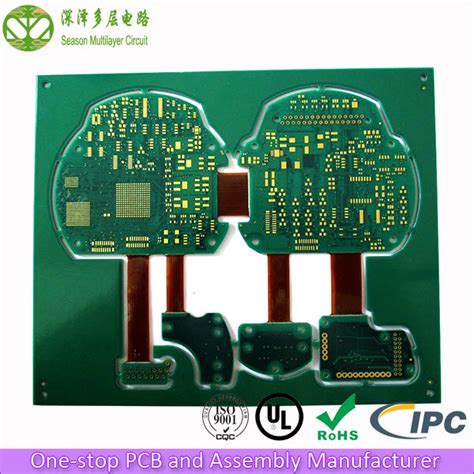
Future Trends in Medical PCB Manufacturing
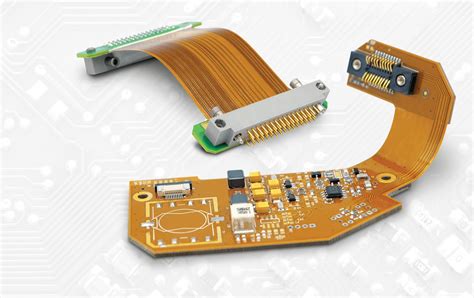
As you delve into the realm of medical PCB manufacturing, it’s essential to recognize the pivotal trends shaping the industry’s future. The increasing demand for compact and sophisticated medical devices necessitates innovative PCB designs that integrate advanced functionalities while maintaining reliability. One key trend is the shift toward flexible and printed circuit boards, which allow for the development of lightweight, space-saving medical devices that enhance patient comfort without compromising performance. Additionally, with continuous advancements in biotechnology and wireless technology, pcb manufacturing companies are prioritizing designs that support miniaturization and connectivity, fostering seamless integration with various healthcare systems.
Furthermore, as the emphasis on patient-centered care grows, there is a rising focus on regulatory compliance and quality assurance in pcb manufacturing cost assessments. Manufacturers are increasingly adopting rigorous testing protocols to ensure their products meet stringent healthcare standards, leading to safer patient outcomes. The integration of smart technologies into PCB design is another notable trend; incorporating sensors and IoT capabilities empowers medical devices to provide real-time monitoring and diagnostics. This evolution positions the pcb manufacturing business as a cornerstone for next-generation healthcare solutions, driving continuous improvements in patient care through reliable and precise medical applications. As these trends unfold, you’ll find that collaboration between technology developers and medical device manufacturers will be crucial in pushing forward innovations that significantly impact healthcare delivery.
Case Studies: Successful Applications of Medical PCBs
In the realm of healthcare technology, medical PCBs (Printed Circuit Boards) play an integral role across various applications, showcasing the innovative capabilities of pcb manufacturing companies. Consider a leading firm that developed a state-of-the-art patient monitoring system. By utilizing advanced pcb manufacturing techniques, they created a compact and reliable design that enables real-time data collection and transmission, ensuring that medical professionals have timely access to critical patient information. This case exemplifies how strategic collaborations between healthcare providers and pcb manufacturing businesses can yield devices with exceptional reliability and functionality. Another notable example involves a portable diagnostic device for chronic diseases, where innovative pcb manufacturing processes allowed for miniaturized components without compromising performance. These instances highlight not only the effectiveness of medical PCBs in enhancing device reliability but also underscore the importance of balancing pcb manufacturing costs with achieving high-quality outcomes. The potential for advancement in patient care is vast when leveraging the precision and innovations offered by committed medical PCB manufacturers. Such partnerships pave the way for continued progress in diagnostics and treatment technology, pushing boundaries in how care is delivered and improving outcomes significantly for patients worldwide. The fusion of creativity in design with technical prowess in pcb manufacturing proves essential as healthcare technology continues to evolve.
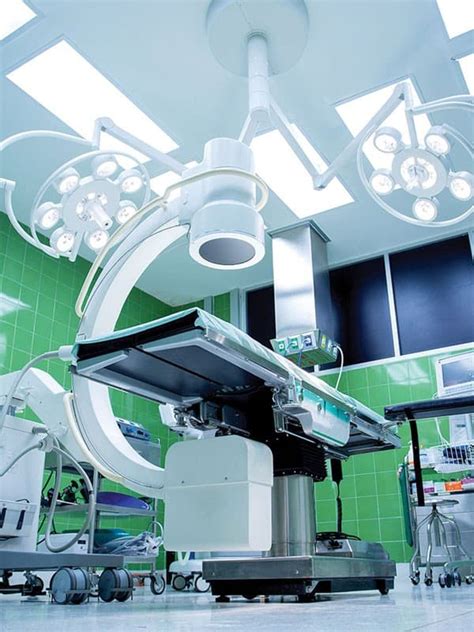
Challenges Faced by Medical PCB Manufacturers and Solutions
In the realm of medical PCB manufacturing, several challenges arise that can impact the overall effectiveness and reliability of healthcare devices. One prominent obstacle is the pcb manufacturing cost associated with adhering to stringent regulatory standards while maintaining high quality. Medical devices require highly specialized designs and materials, leading many pcb manufacturing companies to face increased expenses, especially when attempting to balance cost efficiency with performance. Additionally, rapid technological advancements mean that these manufacturers must consistently adapt their processes to integrate new innovations without sacrificing reliability. To tackle these challenges, collaboration between manufacturers and healthcare providers is essential. By engaging in open dialogues about requirements and expectations, pcb manufacturing can become more streamlined. Moreover, investing in advanced manufacturing technologies can enhance productivity and reduce costs over time. Implementing lean manufacturing principles can also help reduce waste and improve process efficiency significantly within the pcb manufacturing business landscape. By overcoming these obstacles with strategic solutions, manufacturers are better positioned to deliver high-quality products that directly contribute to improved patient care and medical outcomes. Maintaining a strong focus on precision, innovation, and collaboration ultimately ensures that medical PCBs continue to meet the evolving demands of healthcare technology.
Conclusion: The Impact of Medical PCB Manufacturers on Patient Care
In the realm of healthcare technology, the role of medical PCB manufacturers is undeniably significant. By collaborating closely with pcb manufacturing companies, you can witness how tailored designs optimize numerous medical devices, ensuring they meet rigorous standards for safety and reliability. This optimization not only reduces pcb manufacturing costs but also plays a crucial part in enhancing the efficacy of patient care solutions. As the demand for precision in medical applications grows, your reliance on these specialized manufacturers becomes vital. They help ensure that devices transcend mere functionality; they provide a framework where technology and healthcare converge harmoniously for improved patient outcomes. Engaging with specialized pcb manufacturing businesses can lead to innovative advancements that ultimately enhance the level of care provided to patients, showcasing a clear link between reliable manufacturing practices and effective healthcare solutions. Consequently, as you explore options in this sector, remember that every choice contributes to the larger goal of advancing global health standards and improving patient experiences.
Conclusion: The Impact of Medical PCB Manufacturers on Patient Care
The contribution of medical PCB manufacturers to healthcare technology cannot be overstated. These pcb manufacturing companies ensure that devices are not only designed with core functionalities but also with precision, enhancing overall device reliability. As you navigate the complexities of the pcb manufacturing business, you will find that the pcb manufacturing cost is often justified by the unparalleled advancements they bring to patient care. The integration of sophisticated materials and innovative designs enables devices to operate flawlessly, ensuring that critical medical applications function precisely when needed most. Consequently, this directly impacts patient outcomes, paving the way for more advanced treatment solutions and improved healthcare services. In a world where swift and accurate medical responses are paramount, your understanding of the role these manufacturers play in advancing technology will be essential in recognizing their influence on healthcare innovation and safety.
FAQs
What is the role of medical PCB manufacturers in healthcare technology?
Medical PCB manufacturers play a crucial role in the development of advanced medical devices. They ensure that the PCBs produced meet precise standards required for reliability in healthcare equipment, which is vital for proper patient care.
How do I choose a reliable PCB manufacturing company?
When selecting a pcb manufacturing company, consider factors such as their experience in the medical sector, quality control processes, and pcb manufacturing cost. It’s important to choose a company with a reputation for delivering top-notch reliability and precision.
What innovations are driven by medical PCB manufacturing?
Innovations include advancements in telemedicine, improved monitoring devices, and wearable technology. These developments are primarily facilitated by sophisticated pcb manufacturing, enabling more efficient healthcare solutions.
What are the challenges faced by PCB manufacturing businesses?
Challenges include maintaining high standards of quality, navigating regulatory requirements, and managing production costs. However, many companies implement strategic approaches to tackle these issues effectively.
How does precision impact medical applications?
Precision is critical in medical applications because even the smallest deviation can affect patient outcomes. High-quality PCBs ensure that devices perform accurately and consistently for reliable performance.