Top Custom Printed Circuit Board Manufacturers Transforming the Industry
Key Takeaways
When exploring the landscape of custom printed circuit board manufacturers, several key points emerge that can guide your decision-making process. PCB manufacturing companies revolutionize the industry with their rapid turnaround times, ensuring that you can bring your innovative electronic designs to market quickly. Their adherence to high-quality standards and numerous industry certifications guarantees reliable and durable products. Exceptional customer service remains a hallmark of top pcb manufacturing companies, facilitating seamless communication and support throughout the project lifecycle.
Another crucial aspect is the difference between prototyping and mass production. Quick prototyping allows for efficient testing and iterations of your design, while mass production focuses on scaling up to meet larger demands without compromising on quality. Innovative technologies play a pivotal role in reducing pcb manufacturing cost and enhancing precision in production processes, thereby setting new benchmarks in the pcb manufacturing business. By understanding these elements, you can effectively navigate the intricate world of custom PCB manufacturing and harness these advancements for your electronic needs.
Introduction to Custom Printed Circuit Board Manufacturers
The world of pcb manufacturing has witnessed significant evolution, with custom printed circuit board manufacturers at the forefront of this transformation. These pcb manufacturing companies are recognized for their ability to deliver high-quality PCBs with rapid turnaround times, catering to the diverse needs of various electronic applications.
Custom Printed Circuit Boards (PCBs) are the backbone of modern electronics, forming the core of devices we use daily. With increasing demand for more compact and complex designs, the pcb manufacturing business has responded by adopting innovative technologies that ensure both precision and efficiency.
One notable aspect that sets leading manufacturers apart is their dedication to maintaining stringent quality standards while keeping pcb manufacturing cost competitive. Certified by various industry bodies, these companies guarantee that their products meet international standards for reliability and performance.
“Consistency in quality and speed is what defines a top custom PCB manufacturer. They not only meet but often exceed industry standards.”
Another crucial factor is customer service. Superior customer support ensures seamless communication through the design, prototyping, and production stages. This enables customers to receive timely updates and resolve any potential issues efficiently.
Here’s a snapshot of what makes these manufacturers stand out:
| Feature | Benefits |
|---|---|
| Rapid Turnaround Times | Faster project completion |
| High-Quality Standards | Reliable and durable PCBs |
| Industry Certifications | Assurance of compliance with global standards |
| Exceptional Customer Service | Improved project management |
By leveraging cutting-edge technologies such as advanced computer-aided design (CAD) tools and automated production processes, these trailblazers in pcb manufacturing deliver exceptional results consistently. These innovations not only enhance the quality of PCBs but also contribute significantly to reducing production times and costs.
In summary, custom printed circuit board manufacturers are crucial players in today’s electronics industry. Their commitment to excellence through innovation and adherence to high standards continues to shape a future where reliable electronic solutions are readily available for all your needs.
Industry Pioneers and Their Contributions
In the realm of pcb manufacturing, several companies have distinguished themselves as pioneers, pushing the boundaries of technology and innovation. These pcb manufacturing companies are relentless in their quest for excellence, ensuring that their contributions significantly impact the industry. Their advancements in rapid prototyping allow you to transition seamlessly from design to production, reducing the overall pcb manufacturing cost and delivering quicker results. They also set high standards with their industry certifications, providing you with reliable and durable PCB solutions. Companies such as these have not only optimized the efficiency of production but also enhanced the precision of each circuit board created, transforming how diverse electronic needs are met. By leveraging cutting-edge technologies and maintaining exceptional customer service, these trailblazers continue to drive the pcb manufacturing business forward, bringing innovative solutions that meet and exceed customer expectations.
The Importance of Rapid Turnaround Times
In the PCB manufacturing industry, rapid turnaround times are crucial for meeting tight deadlines and ensuring the timely delivery of products. Leading PCB manufacturing companies recognize this necessity and have optimized their processes to provide faster prototyping and production. This ability to quickly turn around orders results in significant reductions in pcb manufacturing cost by minimizing downtime and streamlining workflow. It allows companies to iterate on designs more efficiently, resulting in better final products. Additionally, rapid turnaround times foster trust and reliability in the pcb manufacturing business, as clients can depend on these manufacturers to meet their deadlines without compromising quality. By leveraging state-of-the-art equipment and innovative methodologies, these manufacturers are setting new standards for efficiency in the industry, making them indispensable partners for any business requiring custom PCB solutions.
High-Quality Standards and Certifications
In the PCB manufacturing industry, maintaining high-quality standards and achieving relevant certifications are crucial for delivering reliable and safe products. Leading PCB manufacturing companies go above and beyond to ensure their processes adhere to stringent quality controls. Certifications such as ISO 9001 for quality management systems and ISO 14001 for environmental management are commonly held by top manufacturers, signifying their commitment to excellence.
Moreover, many manufacturers obtain IPC-A-600 certification, which sets the accepted criteria for the performance and inspection of PCBs. Holding these certifications not only enhances the credibility of a PCB manufacturing business but also assures you that the products you’ll receive meet both industry and international standards. Ensuring compliance with standards like RoHS (Restriction of Hazardous Substances) is another crucial aspect, which guarantees that the PCBs are environmentally friendly.
The pcb manufacturing cost is directly influenced by the stringent adherence to these quality standards and certifications. However, this investment yields dividends in terms of long-term reliability and customer satisfaction. Companies that prioritize high-quality production processes often have fewer returns, thus optimizing their operational efficiency. Ultimately, by choosing a certified manufacturer, you can rest assured knowing that your projects will benefit from superior attention to detail and outstanding reliability.
Explore notable certified manufacturers here.
Exceptional Customer Service in PCB Manufacturing
When navigating the complexities of pcb manufacturing, exceptional customer service can significantly enhance your experience. Leading pcb manufacturing companies are distinguished not only by their technical capabilities but also by their commitment to providing support and satisfaction every step of the way. Whether you’re dealing with a straightforward prototype or a complex mass production order, these businesses understand that timely and clear communication is crucial. They often offer personalized service that caters to your specific requirements, ensuring that any issues are resolved promptly and efficiently. This focus on customer service also includes transparent pricing structures, which help you manage your pcb manufacturing cost effectively. In an ever-competitive market, businesses that prioritize the customer experience alongside technical excellence will continue to thrive, making them leaders in the pcb manufacturing business.
Prototyping vs. Mass Production: Key Differences
When delving into PCB manufacturing, it is crucial to understand the distinctions between prototyping and mass production. Prototyping involves creating a limited number of custom printed circuit boards to test and validate a design before committing to full-scale production. This stage is essential in identifying and rectifying potential flaws, ensuring the final product meets the desired specifications and functions seamlessly. PCB manufacturing companies often excel in providing quick turnaround times during the prototyping phase, enabling rapid iterations and improvements.
On the other hand, mass production focuses on creating large quantities of PCBs once the prototype has been validated and approved. This stage prioritizes efficiency in both production speed and pcb manufacturing cost, leveraging economies of scale to reduce overall expenses. High-precision machinery, automated processes, and stringent quality control measures are pivotal in maintaining consistent quality across thousands or even millions of units.
In summary, while prototyping is concerned with innovation, testing, and refinement, mass production emphasizes reliability, consistency, and cost-effectiveness. Understanding these key differences helps you navigate the pcb manufacturing business more effectively, ensuring that whether you’re innovating with new designs or scaling up for large deployments, your requirements are met with precision and efficiency.
Innovative Technologies Transforming PCB Manufacturing
The world of PCB manufacturing is undergoing a transformation thanks to a wave of innovative technologies. These advancements allow PCB manufacturing companies to push the boundaries of what’s possible, providing more efficient and reliable products. Key technologies like automated optical inspection (AOI), surface-mount technology (SMT), and advanced 3D printing are spearheading this change. AOI enhances quality control by enabling the pcb manufacturing business to detect defects with high accuracy, while SMT speeds up the assembly process. Advanced 3D printing is particularly noteworthy as it reduces pcb manufacturing cost by minimizing material waste and enabling rapid prototyping. These technologies not only improve efficiency but also ensure that PCBs meet stringent industry standards, catering to diverse electronic needs with unmatched precision. By adopting these cutting-edge solutions, manufacturers set themselves apart as pioneers in the ever-evolving landscape of pcb manufacturing.
Future Trends in Custom PCB Manufacturing
Custom PCB manufacturing is on a trajectory of remarkable innovation, driven by advancements that promise to reshape the industry landscape. One significant trend is the integration of smart manufacturing processes, which leverage automation and AI-driven analytics to enhance production efficiency and precision. This not only reduces pcb manufacturing costs but also elevates the overall quality of the end product. Additionally, the movement towards sustainable practices is gaining traction, with many pcb manufacturing companies adopting eco-friendly materials and cleaner production techniques to meet growing environmental regulations.
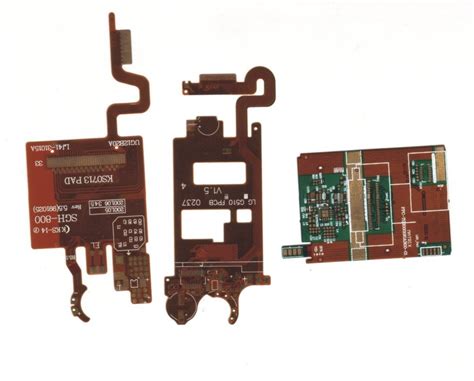
Another transformative trend is the rise of flexible PCBs, which allow for more compact and versatile electronic designs. This innovation is particularly crucial for sectors like wearable technology and IoT devices, where space optimization is paramount. Moreover, advancements in additive manufacturing, or 3D printing, for PCBs are poised to democratize the pcb manufacturing business by offering faster prototyping capabilities and reducing material waste.
On the connectivity front, emerging technologies such as 5G are driving demands for more sophisticated and higher-frequency PCBs. This necessitates ongoing improvements in materials and fabrication methods to handle the increased data transfer speeds without compromising reliability. Finally, as global supply chains continue to evolve, there is an emphasis on regionalization in pcb manufacturing, ensuring that companies can maintain agility and minimize disruptions.
By staying ahead of these trends, businesses involved in custom PCB production can better navigate challenges while seizing opportunities in a rapidly transforming market landscape.
Conclusion
In conclusion, the landscape of PCB manufacturing is continuously evolving, driven by the contributions of top PCB manufacturing companies. These trailblazers are transforming the industry with their commitment to rapid turnaround times, adherence to high-quality standards, and exceptional customer service. Their ability to seamlessly navigate the nuances of prototyping versus mass production exemplifies their versatility and keen understanding of market needs. Moreover, their innovative technologies not only enhance production efficiency but also contribute significantly to reducing overall PCB manufacturing cost. As you explore options for your electronic needs, consider partnering with these industry leaders who have proven themselves in delivering reliable and cutting-edge solutions. The future of the PCB manufacturing business looks promising with these pioneers setting new benchmarks for quality and innovation.
FAQs
PCB manufacturing can seem complex, and you might have several questions about it. Here’s a list of frequently asked questions to help you better understand the world of custom PCB manufacturing companies:
What factors influence PCB manufacturing cost?
The cost of PCB manufacturing is influenced by various factors including material selection, complexity of the design, number of layers, and the volume of production. Additionally, special finishes and expedited services can also impact the overall cost.How long does it take to produce a custom PCB?
The turnaround time can vary based on the manufacturer and the specifics of your order. Some companies offer rapid prototyping services that can deliver PCBs within a few days, while more complex orders might take several weeks.What certifications should I look for in a PCB manufacturer?
Key certifications that denote high standards in pcb manufacturing include ISO 9001 for quality management systems, ISO 14001 for environmental management, and IPC standards for electronic assemblies.What is the difference between prototyping and mass production in PCB manufacturing?
Prototyping usually involves producing a small quantity of PCBs to test functionality and design feasibility, while mass production focuses on large quantities meant for commercial sale and distribution. Each stage has unique requirements that affect cost and turnaround times.Why is customer service important in PCB manufacturing?
Exceptional customer service ensures clear communication throughout the production process, timely updates on order status, and support for any technical issues or design changes that might arise.What innovative technologies are transforming the PCB manufacturing business?
Innovations such as automated optical inspection (AOI), laser drilling techniques, advanced materials like flex and rigid-flex PCBs are at the forefront of transforming the industry by enhancing precision and efficiency.
Ready to Transform Your Next Project with Leading PCB Manufacturers?
Discover how cutting-edge technologies can streamline your project by partnering with top-tier manufacturers in the field. Please click here to learn more about how premier PCB manufacturing companies can elevate your next electronic venture with minimal PCB manufacturing cost.