Top SMD PCB Manufacturers and Their Impact on Electronics Industry
Key Takeaways
In the rapidly evolving landscape of electronics, SMD PCB manufacturers play a critical role in shaping the industry. Their ability to innovate drives advancements in surface mount technology, ensuring that electronic devices are not only more compact but also more efficient. The significance of high-quality PCB assembly processes cannot be overstated, as these elements ensure the reliability and functionality of the final products. Many manufacturers today are adopting rigorous quality standards and testing protocols to maintain their competitive edge.
Moreover, the flexibility offered by custom PCBA solutions allows manufacturers to meet specific market demands effectively, catering to various sectors including telecommunications, automotive, and consumer electronics. By investing in technological improvements and updated production methods, these companies are not only enhancing their service offerings but also supporting the overall growth of industry standards.
“The best manufacturers combine quality with versatility to stay ahead in a competitive market.”
As they navigate challenges such as supply chain disruptions and ever-increasing demands for more complex assemblies, leading SMD PCB manufacturers understand that staying abreast of future trends will be key to long-term success. The integration of automation and smart technology into the production process is set to redefine manufacturing capabilities while ensuring cost-effectiveness and efficiency. By prioritizing innovation alongside quality assurance, these manufacturers fundamentally influence what is possible within the electronic landscape, fostering a new era of advanced technology applications.
Introduction to SMD PCB Manufacturing
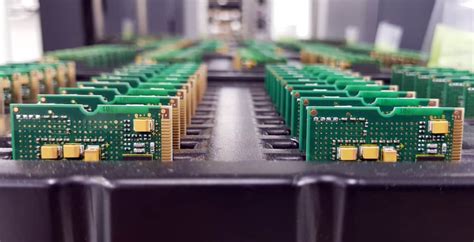
Surface Mount Device (SMD) PCB manufacturing represents a pivotal aspect of contemporary electronics production. SMD PCBs have revolutionized the way electronic components are mounted and connected, allowing for compact designs, improved performance, and enhanced reliability. The process of pcb assembly, commonly known as PCBA, involves placing surface-mounted components onto the surface of the PCB, which are then soldered in position, often through automated processes. This technology has enabled manufacturers to produce high-density interconnections that are crucial for modern devices ranging from smartphones to intricate medical electronics. As the demand for small and efficient devices continues to rise, leading SMD PCB manufacturers have adapted by integrating advanced technology into their production processes. These adaptations include innovative soldering techniques and strict quality standards that ensure each product meets industry expectations. Manufacturers are not only focused on efficiency but also on achieving superior performance by investing in research and development to enhance material properties and manufacturing methodologies. Consequently, SMD PCB manufacturing is not merely a step in the electronics production process; it is a cornerstone that supports the entire ecosystem while meeting the rigorous demands for modern technology solutions.
Key Players in the SMD PCB Industry
In the dynamic realm of SMD PCB manufacturing, several key players stand out for their innovative contributions and steadfast commitment to quality. These manufacturers not only excel in producing high-quality pcba solutions but also engage in continuous research and development to stay ahead in this fast-evolving sector. Prominent companies have set rigorous benchmarks for the industry, ensuring that their products meet international quality standards. Their pursuit of excellence is evident in the way they implement advanced production technologies and embrace effective management practices, which enhance productivity while reducing costs. Moreover, the integration of automation and precision engineering within pcb assembly processes has revolutionized manufacturing efficiencies, enabling quicker turnaround times while maintaining quality control. As electronics increasingly require miniature designs and complex circuits, top manufacturers are strategically investing in cutting-edge technologies that support diverse applications from consumer electronics to automotive systems. These efforts not only bolster their market positions but also significantly impact the broader electronics industry by shaping trends towards more sophisticated technological solutions tailored to market demands.
Innovations Driving the Future of SMD PCBs
The landscape of SMD PCB manufacturing is evolving rapidly, propelled by a series of groundbreaking innovations that redefine design and manufacturing processes. At the forefront are advancements in automation and robotics, which have significantly enhanced efficiency and precision in pcb assembly. These technologies reduce manual errors and accelerate production timelines, meeting the increasing demand for complex electronic components. Furthermore, the integration of smart manufacturing techniques allows for real-time monitoring and data analytics, improving overall process optimization.
Your typical SMD PCB manufacturer is now focusing on eco-friendly materials, which not only support sustainability but also comply with stringent environmental regulations. Techniques such as lead-free soldering are becoming mainstream, ensuring that these components are safer for both consumers and the environment. Additionally, manufacturers are prioritizing the development of more compact designs through advanced multilayer PCB technologies, catering to the miniaturization demands in various sectors.
Another critical innovation driving change is the enhancement in testing protocols throughout production processes. Through improved quality assurance practices, manufacturers minimize defects in pcba processes while adhering to international quality standards. As a result, devices produced using these advanced SMD PCBs exhibit greater reliability and performance.
Ultimately, this focus on innovation is crucial as it aligns with current market trends that demand high-performance electronics capable of supporting advanced applications such as IoT devices and smart technologies. The strides made by leading SMD PCB manufacturers not only foster competitive growth but also lay a foundation for further advancements within the electronics industry as a whole. In this dynamic environment, their contributions are indispensable for shaping the future landscape of technology solutions.
Quality Standards and Testing in SMD PCB Production
The quality standards and testing processes in SMD PCB production are crucial for ensuring that the final products meet the rigorous demands of modern electronics. Manufacturers implement a variety of stringent protocols to assess the performance and reliability of their pcb assembly processes. One key aspect is the adherence to internationally recognized standards, such as IPC (Institute of Printed Circuits) specifications, which provide guidelines for design, materials, and assembly practices. These standards ensure that every component is placed accurately and that solder joints are robust enough to withstand stress during operation. Additionally, comprehensive testing procedures, including automated optical inspection (AOI) and x-ray inspection, are employed to detect potential defects early in the production cycle. The emphasis on rigorous quality control not only enhances the reliability of pcba but also reinforces the manufacturer’s reputation in a competitive market. By continuously innovating their testing methods and adhering to the latest quality standards, SMD PCB manufacturers can efficiently meet the growing demands for advanced technology solutions while maintaining optimal performance across diverse applications.
Meeting Market Demands: Custom Solutions from Manufacturers
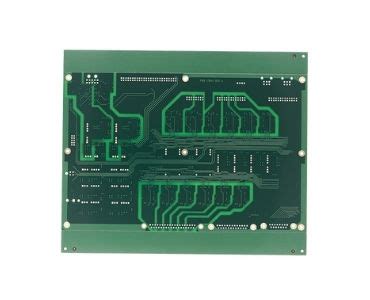
In today’s rapidly evolving electronics landscape, SMD PCB manufacturers are increasingly focusing on providing custom solutions to meet diverse market demands. The need for specialized printed circuit board assembly (PCB assembly) has become paramount, as companies require tailored designs that align with innovative applications across various sectors. These manufacturers invest in cutting-edge technologies and processes to deliver high-quality PCBs that cater specifically to customer specifications, enhancing the overall functionality of their products. By employing advanced techniques in pcba optimization, manufacturers can streamline production while ensuring precision in every component. Moreover, the ability to adapt and customize offerings not only boosts competitiveness but also supports clients in reducing time-to-market for their electronic products. As consumer preferences shift and new technologies emerge, staying responsive with custom solutions becomes essential for manufacturers who strive to maintain their position at the forefront of the electronics industry.
The Role of SMD PCBs in Advanced Technology Applications
Surface Mount Device (SMD) PCBs play a crucial role in the realm of advanced technology applications, serving as the backbone for many modern electronic devices. With the growing demand for more compact and efficient designs, SMD technology has evolved to meet these needs, enabling the production of high-density interconnections that are essential in today’s sophisticated electronics. PCB assembly utilizing SMD components allows manufacturers to create smaller, lighter products without sacrificing performance or functionality. This is particularly important in sectors such as telecommunications, medical devices, and consumer electronics, where space is at a premium and efficiency is key.
Moreover, as technology continues to advance, so too does the complexity of PCBA (Printed Circuit Board Assembly) systems. Leading SMD PCB manufacturers are optimizing their processes to implement state-of-the-art techniques such as automated assembly and advanced testing methods. This ensures that their products meet rigorous quality standards, crucial for safety-critical applications. The adaptability of SMD designs also allows for easier integration into various technologies, ranging from embedded systems to IoT devices, thus fostering innovation across multiple fields.
Ultimately, the contribution of SMD PCBs extends beyond mere assembly; it encapsulates a commitment to evolving alongside technological advancements, driving forward a new era of electronic devices that are smarter and more efficient than ever before. As manufacturers continue to innovate and push boundaries, the role of SMD technology will only become more prominent in shaping future applications across industries.
Challenges Faced by SMD PCB Manufacturers Today
The SMD PCB manufacturing sector is currently navigating a myriad of challenges that impact its operation and growth. One significant hurdle is the increasing complexity of pcb assembly processes, which demand precision and enhanced technological capabilities. As electronics evolve, so too do the requirements for pcba designs that integrate advanced functions within compact spaces. Moreover, manufacturers are compelled to maintain high quality standards amidst rising material costs and supply chain fluctuations. The global shortage of key components has further strained production timelines and increased lead times for manufacturers, compelling them to adopt innovative solutions to streamline operations. Additionally, regulatory compliance in various markets presents another layer of complexity that necessitates continuous adaptation from SMD PCB manufacturers. These factors collectively underscore the urgent need for companies in this sector to innovate and optimize their processes while also ensuring that they meet the burgeoning market demands for more sophisticated SMD PCBs in an increasingly competitive landscape. As a result, effective collaboration with suppliers and clients becomes essential to drive efficiency and sustain growth amid these challenges.
Future Trends in the SMD PCB Manufacturing Landscape
As the electronics industry continues to evolve at an unprecedented pace, the SMD PCB manufacturing landscape is witnessing significant transformations. One of the most notable trends is the ongoing shift towards miniaturization, driven by the demand for smaller, more efficient devices that can fit seamlessly into various applications. This trend necessitates innovations in pcb assembly techniques and materials, allowing manufacturers to produce PCBA solutions that not only meet space constraints but also enhance performance. Additionally, there is an increasing focus on sustainability; manufacturers are exploring eco-friendly materials and practices to reduce their environmental footprint while maintaining high quality standards. The integration of advanced technologies such as automation and artificial intelligence in production processes is further enhancing efficiency and precision in SMD PCB fabrication. Manufacturers are also prioritizing customization to cater to diverse market needs, providing tailored pcba solutions that align with specific application requirements. As these trends unfold, it is essential for stakeholders within the electronics industry to stay informed and adapt to these changes to remain competitive in a rapidly evolving market landscape.
Conclusion
In summary, the leading SMD PCB manufacturers play a crucial role in the electronics industry, particularly through their innovative approaches to pcb assembly and their commitment to maintaining high-quality standards. These manufacturers are at the forefront of developing advanced pcba technologies that cater to a diverse array of applications, from consumer electronics to automotive systems. Their ability to adapt to rapidly changing market demands demonstrates their importance not only in meeting current consumer needs but also in shaping future technological advancements. Moreover, by focusing on tailored solutions and cutting-edge designs, they help bridge the gap between complex electronic requirements and effective manufacturing processes. Their ongoing commitment to excellence positions them strategically as essential players in a thriving industry, ultimately enhancing the functionality and performance of modern electronic devices. As we look ahead, it is clear that these manufacturers will continue to influence the development of innovative products through sustainable practices, ensuring they remain pivotal in this high-tech landscape.
FAQs
What is an SMD PCB?
An SMD PCB (Surface-Mount Device Printed Circuit Board) is a type of circuit board that utilizes surface-mount technology to mount electronic components directly on the surface of the board, allowing for compact designs and efficient manufacturing.
How does the PCB assembly process work?
The PCB assembly (PCBA) process involves several critical steps, including applying solder paste to the board, placing components accurately, and then soldering them into place. This process can be automated to enhance speed and precision.
What are the benefits of SMD technology compared to through-hole technology?
SMD technology offers several advantages, such as reduced size and weight, which is essential for modern electronics. It also enables higher component density, improving performance by minimizing electrical path lengths.
Who are some of the leading manufacturers of SMD PCBs?
Prominent manufacturers include companies known for their commitment to quality and innovation in PCBA, providing tailored solutions to meet various industry needs.
How do manufacturers ensure quality in SMD PCB production?
Manufacturers adhere to strict quality standards, conducting thorough testing at multiple stages of production. This ensures that each unit meets high performance and reliability criteria.
What are common challenges faced by SMD PCB manufacturers?
Manufacturers often face challenges such as managing supply chain disruptions, keeping up with rapidly evolving technologies, and maintaining quality amidst increasing production demands.
For more information on PCB assembly, please click here.
By understanding these aspects of SMD PCBs, stakeholders in the electronics industry can better navigate this complex landscape.