Trusted Multilayer PCB Manufacturers Despite Import Restrictions
Key Takeaways
When evaluating PCB manufacturing partners in regulated markets, prioritize suppliers with proven expertise in navigating trade compliance. Leading PCB manufacturing companies often maintain pre-certified documentation and established logistics networks to streamline cross-border deliveries. Three critical factors determine success:
- Adherence to international standards (ISO 9001, IPC-A-600)
- Transparent PCB manufacturing cost breakdowns
- Contingency planning for customs hold-ups
"Always request a supplier’s customs clearance success rate – anything below 95% warrants further due diligence," advises a global trade compliance specialist.
For businesses balancing quality and PCB manufacturing cost, consider this comparison:
| Local Production | Global Specialized Manufacturing |
|---|---|
| Higher per-unit costs | Economies of scale |
| Faster lead times | Advanced tech capabilities |
| Limited material options | Multi-layer expertise |
A common misconception equates low upfront pricing with overall savings. However, reputable PCB manufacturing business operators typically bundle value-added services:
- Pre-shipment testing protocols
- Harmonized System (HS) code verification
- Dual-origin certification options
Pro Tip: Maintain parallel supplier relationships across regions to mitigate sudden policy shifts. This strategy ensures continuity in PCB manufacturing operations without compromising delivery timelines.
When reviewing proposals, demand granularity in PCB manufacturing cost structures. Reputable providers detail:
- Material sourcing origins
- Layer-specific production fees
- Compliance-related surcharges
Critical red flags include vague export licenses or refusal to share customs brokerage partners. The most reliable PCB manufacturing companies proactively address these concerns through:
- Real-time shipment tracking integration
- Dedicated trade compliance teams
- Multilingual commercial invoices
"Treat customs documentation as technical specifications – missing one field can delay shipments as severely as a circuit design flaw," warns an import logistics manager at a Fortune 500 electronics firm.
For prototype development, some PCB manufacturing business leaders offer split-location production – initial batches locally for speed, followed by scaled manufacturing at optimized cost centers. This hybrid approach balances urgent R&D needs with long-term PCB manufacturing cost efficiency.
Overcoming Import Barriers for Multilayer PCBs
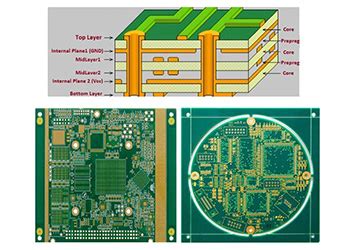
When sourcing PCB manufacturing solutions for advanced electronics, geopolitical trade policies and import restrictions can disrupt supply chains. However, partnering with experienced PCB manufacturing companies that specialize in international logistics ensures your multilayer PCB orders comply with regional regulations while maintaining production timelines. These suppliers leverage bonded warehouses, pre-certified materials, and customs brokerage partnerships to streamline cross-border shipments—critical for avoiding delays in high-mix, low-volume prototyping or volume production runs.
A common misconception is that PCB manufacturing cost spikes when navigating tariffs or export controls. In reality, manufacturers with global distribution networks optimize landed costs through strategic routing and duty drawback programs. For instance, dual-use certification for materials or splitting shipments to meet de minimis thresholds (values below taxable limits) can reduce expenses by 12–18% compared to local alternatives. This flexibility is particularly valuable for R&D teams requiring specialized substrates like high-frequency Rogers materials or embedded component boards, which may face stricter import scrutiny.
For businesses building a sustainable PCB manufacturing business model, dual-sourcing from geographically diversified facilities mitigates risk. Suppliers with production hubs in both Southeast Asia and Eastern Europe, for example, provide redundancy if one region faces unexpected trade barriers. Additionally, Incoterms 2020-compliant contracts clarify liability for duties, taxes, and transport risks—ensuring no hidden fees erode your budget.
To further simplify compliance, leading manufacturers now integrate real-time HS code verification tools directly into their quoting platforms. This automation reduces human error in classifying multilayer PCBs with complex layer counts (12+ layers) or mixed dielectric constructions, which often trigger customs inspections. Pair this with consolidated documentation packages—including RoHS compliance certificates and full material disclosure reports—and you gain a defensible audit trail for border authorities.
By aligning with partners who treat regulatory navigation as a core competency, you transform import barriers from operational roadblocks into manageable cost variables. This approach not only preserves product quality but also stabilizes lead times in an era of shifting trade alliances.

Secure Global Delivery for Multilayer PCB Orders
When navigating import restrictions, securing reliable delivery for multilayer PCB orders becomes a strategic priority. Leading PCB manufacturing companies leverage established logistics networks to ensure compliance with international trade regulations while maintaining cost efficiency. By partnering with customs-certified carriers and utilizing real-time tracking systems, these manufacturers minimize delays caused by documentation errors or route disruptions—critical factors when managing tight production timelines.
A key advantage of working with specialized PCB manufacturing providers lies in their ability to balance PCB manufacturing cost with risk mitigation. For instance, some suppliers implement regional warehousing strategies, pre-positioning inventory near high-demand markets to bypass customs bottlenecks. This approach not only accelerates delivery but also reduces exposure to volatile shipping rates—a growing concern in global electronics supply chains.
For businesses scaling their PCB manufacturing business, dual-sourcing protocols and Incoterms optimization have proven effective. Reputable manufacturers often provide detailed HS code classification support and pre-shipment compliance audits, ensuring your multilayer PCB shipments meet destination-country technical standards. Proactive carriers may even handle bonded transportation or duty drawback processes, further simplifying cross-border transactions.
To maintain continuity in restricted trade environments, consider suppliers like Andwin PCBA, which combine localized technical support with globally distributed production hubs. Their integrated model demonstrates how modern PCB manufacturing companies address both geopolitical trade challenges and evolving customer delivery expectations—all while keeping per-unit PCB manufacturing cost competitive against localized alternatives.
Advanced packaging methods, including anti-static moisture-barrier bags and shock-resistant crating, add another layer of security for sensitive multilayer boards. These protocols work in tandem with blockchain-enabled shipment tracking, giving you full visibility into your order’s journey from factory floor to assembly line—a non-negotiable requirement when operating under strict import compliance regimes.
Compliant Multilayer PCB Manufacturing Solutions
Navigating import restrictions requires partnering with PCB manufacturing companies that prioritize compliance without compromising quality. Modern manufacturers achieve this by aligning their processes with international standards like IPC-6012 and ISO 9001, ensuring products meet regulatory requirements across borders. For instance, advanced traceability systems track materials from sourcing to delivery, providing documentation that simplifies customs clearance—a critical advantage when dealing with tightened import controls.
A key consideration is balancing PCB manufacturing cost with adherence to regional regulations. Reputable suppliers optimize material selection and layer stacking to reduce waste, passing savings to clients while maintaining compliance. Techniques such as automated impedance control and precision etching minimize defects, ensuring boards meet performance benchmarks even under stringent quality audits. This approach not only safeguards against delays but also avoids penalties tied to non-compliant shipments.
For businesses operating in restricted markets, selecting a PCB manufacturing partner with localized certifications (e.g., REACH, RoHS) is essential. These certifications validate that materials like lead-free solders and halogen-free substrates align with destination-country laws. Additionally, some manufacturers offer dual-origin production facilities, allowing you to source boards from geopolitically neutral locations—effectively circumventing trade barriers.
The PCB manufacturing business model has evolved to address compliance holistically. Forward-thinking providers now integrate legal teams into their supply chains, offering real-time updates on regulation changes and pre-validated design templates. This proactive strategy reduces redesign costs and accelerates time-to-market, even when importing into high-risk regions. By prioritizing compliance at every stage—from design to packaging—these partners turn regulatory hurdles into competitive advantages for your operations.
Quality Assurance in Restricted Import Environments
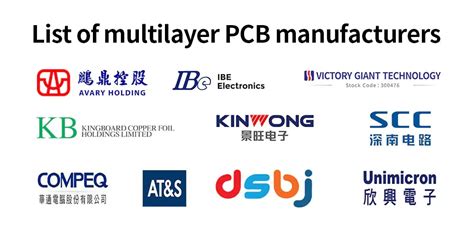
When sourcing PCB manufacturing solutions in regions with strict import controls, verifying quality standards becomes critical. Reputable PCB manufacturing companies implement rigorous testing protocols—such as automated optical inspection (AOI) and X-ray analysis—to ensure boards meet international specifications like IPC Class 3 or ISO 9001. These measures are especially vital when geopolitical trade policies delay shipments or limit access to local suppliers, as even minor defects can escalate project timelines and PCB manufacturing cost.
To mitigate risks, leading manufacturers adopt traceability systems that document every production stage, from material sourcing to final packaging. This transparency helps you confirm compliance with regional regulations, such as RoHS or REACH, while avoiding customs rejections. For instance, some providers use pre-certified components or partner with logistics specialists to pre-clear shipments, reducing delays tied to import inspections.
Another key strategy involves leveraging PCB manufacturing business models that prioritize flexibility. Dual sourcing agreements, for example, allow you to split orders between certified offshore and near-shore facilities, ensuring continuity without compromising quality. Advanced manufacturers also offer failure mode and effects analysis (FMEA) during design reviews, identifying potential flaws before production begins—a proactive step that saves costs and aligns with tight regulatory frameworks.
Finally, consider how PCB manufacturing cost structures adapt to import challenges. While tariffs or shipping surcharges may inflate expenses, partnering with vertically integrated suppliers can offset these through bulk material procurement or in-house testing labs. This approach not only maintains quality but stabilizes pricing even as trade policies evolve. By prioritizing vendors with audited quality management systems, you secure reliable output despite shifting import landscapes.
Cost-Effective Alternatives to Local PCB Production
When navigating strict import controls, relying solely on local PCB manufacturing may strain budgets due to higher labor, material, and compliance expenses. However, partnering with global PCB manufacturing companies in regions with optimized production ecosystems can reduce PCB manufacturing cost by up to 40% without compromising quality. These suppliers leverage scalable infrastructure and specialized expertise to streamline processes, passing savings to clients through bulk pricing models or flexible order quantities.
For instance, offshore manufacturers often operate in areas with lower regulatory overhead, enabling them to reinvest savings into advanced technologies like automated assembly lines or precision testing equipment. This translates to faster turnaround times and tighter tolerances—critical for complex multilayer designs. Additionally, many global providers offer customized logistics solutions, such as bonded warehousing or consolidated shipping, to further minimize tariffs and delays.
A common misconception is that local production guarantees cost control. In reality, hidden expenses—like equipment maintenance, waste management, and certification renewals—can erode margins. By contrast, outsourcing to established PCB manufacturing business partners shifts these operational burdens to specialists while maintaining oversight through digital tracking systems.
To maximize savings, evaluate suppliers offering tiered pricing for prototype-to-production scaling or hybrid models that combine offshore fabrication with regional final assembly. This approach not only balances PCB manufacturing cost but also aligns with strategies for secure global delivery and customs compliance discussed earlier in the article.
Navigating Customs for Multilayer PCB Shipments
When importing multilayer PCBs, understanding customs protocols is critical to avoid delays or unexpected fees. Regulatory compliance varies by country, with some regions requiring detailed documentation for electronic components. Working with pcb manufacturing companies that specialize in international shipping ensures you receive guidance on harmonized system (HS) codes, certificates of origin, and safety compliance reports—documents that streamline clearance processes.
For cost-sensitive projects, consider how pcb manufacturing cost structures account for tariffs or import duties. Reputable manufacturers often provide landed-cost calculators, allowing you to preview taxes and logistics fees before finalizing orders. This transparency helps balance budget constraints with the need for high-layer-count boards.
To mitigate risks, verify that your supplier follows incoterms like DDP (Delivered Duty Paid), where the manufacturer handles all customs formalities. This approach is particularly valuable when sourcing from regions with strict import controls, as pcb manufacturing business experts manage classification disputes or inspection requests on your behalf.
Proactive communication is key. Establish a protocol for tracking shipments in real time and resolving customs holds within 24–48 hours. Some pcb manufacturing partners even offer localized warehousing solutions, reducing clearance complexity by splitting bulk orders into region-specific batches.
By aligning with manufacturers who prioritize customs-ready packaging and pre-approval workflows, you turn a logistical challenge into a competitive advantage—ensuring your multilayer PCBs arrive on schedule, regardless of shifting trade policies.
Reliable Multilayer PCB Sourcing Strategies
When navigating global supply chain challenges, identifying trusted PCB manufacturing companies becomes critical for maintaining project timelines and product quality. Start by vetting suppliers with proven expertise in multilayer PCB manufacturing, prioritizing those with certifications like ISO 9001 or UL listing. These credentials signal adherence to international standards, reducing risks associated with subpar materials or inconsistent production processes.
A common pitfall lies in focusing solely on PCB manufacturing cost without evaluating long-term reliability. While lower prices from regional suppliers might seem appealing, hidden expenses—such as customs delays, rework due to quality issues, or rushed logistics—can negate initial savings. Instead, balance budgetary constraints with technical capabilities by requesting detailed breakdowns of material sourcing, layer alignment precision, and testing protocols.
For businesses scaling their PCB manufacturing business, diversifying supplier networks adds resilience. Partner with at least two manufacturers in different geopolitical regions to mitigate disruptions from trade restrictions. Platforms like I-Connect007 or industry-specific B2B portals simplify comparisons of lead times, minimum order quantities, and compliance documentation.
Transparent communication is equally vital. Clarify responsibilities for export/import paperwork upfront, especially for high-layer-count boards requiring specialized packaging. Reputable PCB manufacturing providers often offer consolidated shipping solutions, combining multiple orders into single shipments to bypass partial-container penalties.
Finally, leverage prototyping phases to assess responsiveness and problem-solving agility. A supplier’s ability to troubleshoot design flaws or adjust impedance controls during small-batch runs often predicts their performance in full-scale production. By aligning your sourcing strategy with these principles, you secure not just components, but a competitive edge in volatile markets.
DIY Methods vs Professional PCB Manufacturer Options
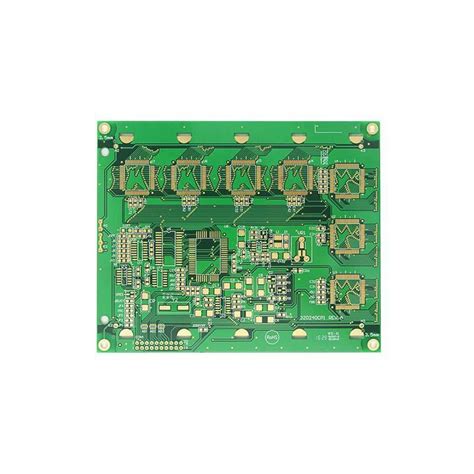
When considering PCB manufacturing for your project, you face a critical choice: pursuing do-it-yourself approaches or partnering with established PCB manufacturing companies. While DIY methods may seem appealing for prototyping or low-volume needs, they often hit roadblocks in quality control, material sourcing, and compliance with international trade regulations—especially under strict import controls.
Building PCBs in-house requires specialized equipment like laser engravers and chemical etching tanks, which can inflate your PCB manufacturing cost beyond initial estimates. You’ll also need technical expertise to manage multilayer alignment and impedance matching—tasks where even minor errors can render boards unusable. For startups or teams without dedicated engineering staff, this learning curve risks project delays and wasted resources.
In contrast, professional PCB manufacturing business providers leverage economies of scale and ISO-certified processes to deliver precision-engineered boards. Reputable manufacturers maintain pre-approved component inventories and automated testing systems, ensuring compliance with destination-country standards—a crucial advantage when navigating customs hurdles. Their global logistics networks also simplify secure shipping, bypassing the documentation errors that often plague DIY cross-border shipments.
However, this doesn’t mean DIY lacks merit. For single-layer designs or educational purposes, manual methods offer valuable hands-on learning. The key is assessing your project’s complexity, timeline, and risk tolerance. If you’re producing high-density interconnect (HDI) boards or mission-critical industrial electronics, the reliability of professional PCB manufacturing companies outweighs short-term cost savings from DIY. Many firms now offer flexible order quantities, merging the affordability of bulk production with the adaptability once exclusive to small-scale workshops.
Your decision ultimately hinges on balancing immediate budget constraints with long-term operational needs. While DIY might trim initial expenses, hidden costs like equipment maintenance and customs penalties often erase those savings. Professional partnerships, though requiring upfront investment, provide end-to-end solutions—from DFM (Design for Manufacturability) checks to duty-paid shipping—that keep multilayer PCB projects on track despite tightening import restrictions.
Conclusion
When navigating complex import restrictions, partnering with PCB manufacturing companies that prioritize compliance and adaptability becomes critical. These manufacturers not only streamline global delivery but also implement rigorous quality controls to ensure your multilayer PCBs meet international standards—even in restrictive trade environments. By leveraging their expertise, you mitigate risks associated with customs delays, unexpected tariffs, or subpar components, which often plague localized production attempts.
The cost-effectiveness of outsourcing to specialized PCB manufacturing providers often outweighs the perceived savings of domestic alternatives. Established manufacturers optimize PCB manufacturing cost through economies of scale, advanced fabrication technologies, and strategic material sourcing—advantages rarely matched by smaller, regional players. Additionally, their experience in documentation and logistics ensures seamless cross-border shipments, reducing administrative burdens on your end.
For businesses considering in-house solutions, the challenges of scaling a PCB manufacturing business—from acquiring specialized equipment to maintaining compliance—can divert focus from core operations. Professional manufacturers, however, offer turnkey solutions that align with evolving regulations and market demands. Whether you require high-volume production or low-volume prototyping, their flexibility ensures continuity despite shifting trade policies.
Ultimately, the key lies in selecting partners who embed transparency and resilience into every stage of PCB manufacturing. By prioritizing suppliers with proven track records in secure global delivery and adaptive production workflows, you safeguard your supply chain against disruptions while maintaining consistent quality—no matter where your operations are based.
Frequently Asked Questions
How do I verify if a PCB manufacturing company complies with international import regulations?
Reputable PCB manufacturing companies provide certifications like ISO 9001, RoHS, and UL listings. They also offer documentation such as Material Declarations (IMDS) to simplify customs clearance. For regions with strict import controls, ask suppliers about their experience navigating regional compliance frameworks.
Does working with overseas PCB manufacturing businesses increase costs due to tariffs?
While tariffs can affect total expenses, many global manufacturers optimize logistics and duty-paid shipping to offset these costs. Compare PCB manufacturing cost estimates from suppliers in different regions—some offer bundled shipping or tax-efficient trade agreements to reduce financial strain.
What quality risks arise when sourcing multilayer PCBs under import restrictions?
Restrictions may pressure buyers to prioritize speed over quality. Ensure your supplier follows IPC-A-600 standards and provides pre-shipment testing reports. Reputable PCB manufacturing partners use automated optical inspection (AOI) and X-ray testing to guarantee reliability, even in restricted environments.
Can I rely on local PCB manufacturing services to avoid import challenges?
Local options may lack specialized capabilities for complex multilayer designs. If domestic PCB manufacturing cost exceeds your budget, consider hybrid solutions: offshore production paired with regional assembly hubs. This balances cost savings with faster final delivery.
How do customs delays impact multilayer PCB project timelines?
Delays often stem from incomplete paperwork or unclear product classifications. Mitigate risks by confirming suppliers provide harmonized system (HS) codes, commercial invoices, and compliance certificates. Some PCB manufacturing businesses offer expedited shipping or bonded warehousing to buffer against delays.
Need a Partner for Compliant Multilayer PCB Production?
For manufacturers with proven expertise in global logistics and quality assurance, please click here to explore tailored solutions that align with your project’s technical and regulatory requirements.