Trusted PCB Fabrication Manufacturers: Expert Industry Guide

Key Takeaways
When selecting PCB manufacturing partners, prioritize KiCAD-compatible providers to ensure seamless design-to-production workflows. Leading PCB manufacturing companies now offer 24-hour prototyping cycles, dramatically accelerating product development timelines. To manage PCB manufacturing cost, consider tiered pricing models that scale with order volumes while maintaining IPC-A-600 compliance.
"Always verify certifications like ISO 9001 and UL listings when evaluating PCB manufacturing business reliability—these benchmarks separate industry leaders from marginal operators."
Global innovators leverage advanced HDI and flex-rigid capabilities from trusted vendors, though regional supply chain risks require contingency planning. Implement automated DFM checks to reduce respins and align with PCB quality assurance standards. For cost optimization, compare bare-board testing fees and material sourcing flexibility across suppliers.
Transitioning between prototyping and mass production? Partner with fabricators offering unified NPI processes to avoid tooling discrepancies. Industry standards evolve rapidly, so prioritize vendors with ongoing R&D investments in high-frequency materials and miniaturization techniques.

KiCAD-Compatible PCB Manufacturers
When selecting PCB manufacturing companies for your project, compatibility with KiCAD—a popular open-source PCB design tool—can significantly streamline production workflows. Manufacturers specializing in KiCAD-compatible PCB manufacturing ensure seamless file integration, reducing errors caused by format conversions. This alignment is critical for maintaining design integrity, especially when translating complex schematics into functional boards.
Look for vendors offering automated DFM (Design for Manufacturability) checks tailored for KiCAD files, as this minimizes revisions and accelerates turnaround. While evaluating options, consider how PCB manufacturing cost structures adapt to KiCAD-driven designs—some providers optimize pricing for standardized layer stacks or panelization methods native to the software. Additionally, partnering with PCB manufacturing business experts who understand KiCAD’s capabilities allows you to leverage advanced features like 3D renderings for pre-production validation.
Prioritize manufacturers that provide direct technical support for KiCAD users, ensuring clarity on material selections and tolerances. This collaboration not only reduces prototyping iterations but also strengthens long-term reliability in high-volume production cycles. By aligning your design ecosystem with KiCAD-focused PCB manufacturing partners, you balance precision, speed, and budget efficiency.
Rapid PCB Prototyping Services
When time-to-market is critical, partnering with PCB manufacturing companies that specialize in rapid prototyping ensures your designs transition from concept to physical boards within days. These services prioritize speed without compromising quality, leveraging advanced machinery like laser direct imaging (LDI) and automated optical inspection (AOI) to accelerate production cycles. For startups or businesses testing iterative designs, this agility minimizes delays in product development, allowing you to validate prototypes and refine layouts faster.
However, PCB manufacturing cost remains a key consideration. Reputable providers balance affordability with accelerated timelines, often offering tiered pricing based on turnaround speed—such as 24-hour, 48-hour, or 5-day options. To optimize budgets, evaluate whether non-critical projects can utilize standard lead times, reserving expedited services for high-priority iterations. Additionally, verify if your chosen vendor supports design-for-manufacturability (DFM) feedback during prototyping, which reduces errors and avoids costly revisions later.
For a PCB manufacturing business, offering rapid prototyping can differentiate your services in competitive markets. Clients increasingly expect seamless integration between design software like KiCAD and fabrication workflows, ensuring file compatibility and reducing pre-production adjustments. Always confirm that your manufacturer’s capabilities align with your project’s technical requirements, such as layer count, material specifications, and surface finishes, to avoid bottlenecks. By aligning speed, cost, and quality, rapid prototyping becomes a strategic asset in scaling your electronics projects efficiently.
Low-Cost PCB Manufacturing Solutions
When sourcing PCB manufacturing services, balancing affordability with quality requires strategic planning. Cost-effective solutions often begin with material selection—opting for FR-4 substrates instead of high-frequency laminates can reduce PCB manufacturing cost by up to 30% without compromising performance for standard applications. Reputable PCB manufacturing companies leverage economies of scale, so bulk orders (typically 10+ panels) often unlock tiered pricing, making unit costs more competitive.
For prototypes or small batches, consider suppliers specializing in rapid-turn fabrication with panel-sharing options. This approach splits your design with others on a single production panel, slashing expenses by 40–60%. However, verify that these providers maintain PCB quality assurance standards, as lower costs should never equate to compromised trace integrity or solder mask durability.
Geographic factors also play a role: offshore PCB manufacturing business hubs in Asia may offer lower base rates, but factor in logistics and import duties. Domestic or regional suppliers often provide better total cost transparency for North American or European clients, especially when fast revisions are needed.
To further optimize budgets, streamline designs by minimizing layer counts, avoiding ultra-fine pitch components, and adhering to standard finish options like HASL. Many PCB manufacturing companies now offer online quoting tools with instant PCB manufacturing cost estimates based on these parameters, empowering you to make data-driven decisions.
Evaluating PCB Manufacturer Reliability
When selecting PCB manufacturing companies, reliability hinges on more than just technical specs—it’s about ensuring consistent performance across projects. Start by verifying certifications like ISO 9001 or IPC-A-600 compliance, which signal adherence to global quality benchmarks. Reputable PCB manufacturing partners will transparently share audit reports or process documentation, giving you confidence in their operational rigor.
Analyze their supply chain resilience and capacity to handle fluctuations in PCB manufacturing cost without compromising timelines. For instance, ask how they mitigate material shortages or price volatility, especially for high-mix, low-volume orders common in prototyping. A reliable PCB manufacturing business often employs advanced inventory management systems and maintains long-term supplier relationships to stabilize costs.
Scrutinize their track record for defect rates and turnaround accuracy. Third-party customer reviews or case studies highlighting on-time delivery and post-sales support are critical indicators. Finally, weigh their communication protocols—responsive technical support and clear escalation paths minimize risks in complex projects. By prioritizing these factors, you align with partners who balance PCB manufacturing cost efficiency with unwavering reliability.
Global Advanced PCB Fabricators
When selecting PCB manufacturing companies for complex projects, global leaders distinguish themselves through cutting-edge technology and specialized expertise. These fabricators integrate automated optical inspection (AOI) systems and high-density interconnect (HDI) processes, enabling precision for applications like 5G infrastructure and aerospace electronics. For instance, Southeast Asian manufacturers leverage cost-efficient labor markets to reduce PCB manufacturing cost, while European counterparts prioritize sustainability with halogen-free materials.
| Region | Key Strengths | Typical Lead Time | Common Applications |
|---|---|---|---|
| North America | MIL-spec compliance, prototyping agility | 5–7 days | Defense, medical devices |
| Asia-Pacific | High-volume production, cost optimization | 10–14 days | Consumer electronics, IoT |
| Europe | Eco-certifications, advanced R&D | 7–10 days | Automotive, industrial |
To optimize your PCB manufacturing business partnerships, evaluate suppliers’ capacity for multilayer board fabrication and their adherence to IPC-6012 standards. Advanced fabricators often offer design-for-manufacturability (DFM) analysis, reducing iterative delays. While balancing PCB manufacturing cost and quality, consider regional logistics networks—shorter lead times might justify marginally higher per-unit expenses for urgent prototypes. Leading companies also employ AI-driven yield optimization, minimizing waste in high-mix production environments.
Trusted PCB Production Vendors
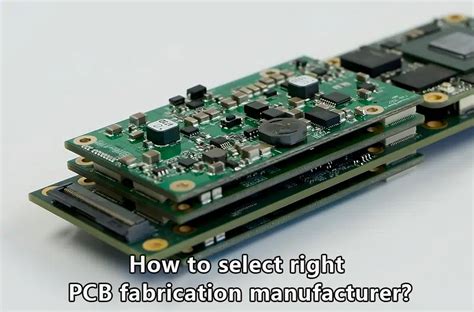
When selecting PCB manufacturing partners, trust hinges on transparent processes, proven expertise, and consistent quality. Leading PCB manufacturing companies distinguish themselves through certifications like ISO 9001 and IPC standards, which validate their adherence to industry benchmarks. You’ll want to evaluate vendors based on their ability to scale production, manage PCB manufacturing cost without compromising reliability, and offer clear communication throughout the project lifecycle.
A trusted partner typically provides detailed documentation, including material traceability and testing reports, ensuring your design specifications are met precisely. For businesses prioritizing supply chain resilience, look for manufacturers with diversified sourcing networks and robust contingency plans. This becomes critical when navigating global market fluctuations or unexpected demand spikes in your PCB manufacturing business.
Additionally, turnaround time guarantees and responsive customer support are hallmarks of dependable vendors. Some suppliers integrate real-time order tracking systems, allowing you to monitor progress at every stage. While cost efficiency matters, avoid sacrificing quality for lower prices—rework or delays from subpar boards often negate initial savings. By aligning with vendors that balance PCB manufacturing cost with technical proficiency, you secure long-term value and minimize risks in high-stakes projects.
This careful vetting process ensures your electronics projects benefit from partnerships built on accountability and precision, setting the stage for seamless transitions into discussions about PCB quality assurance standards.
PCB Quality Assurance Standards
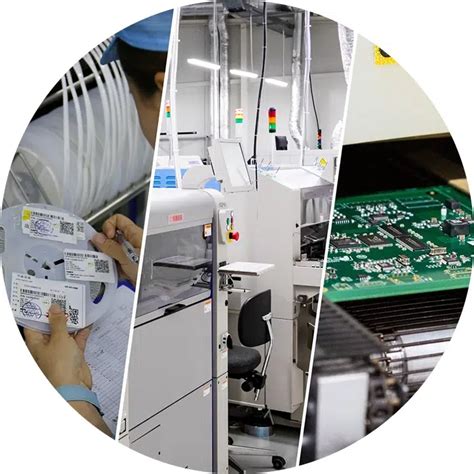
When selecting partners for PCB manufacturing, understanding their quality assurance protocols is critical to ensuring product reliability. Reputable PCB manufacturing companies implement rigorous testing frameworks aligned with international standards like IPC-6012 for performance criteria and ISO 9001 for process consistency. These protocols often include automated optical inspection (AOI) to detect microscopic defects, electrical testing for short circuits, and X-ray inspection for multilayer board alignment.
Balancing PCB manufacturing cost with quality requires scrutinizing a vendor’s defect rate metrics and corrective action systems. Leading providers maintain traceability logs for materials and production batches, reducing risks of inconsistencies. For your PCB manufacturing business, prioritizing suppliers with failure mode and effects analysis (FMEA) integration ensures proactive risk mitigation rather than post-production fixes.
Transitioning from prototyping to mass production? Verify if manufacturers conduct thermal cycling tests and solderability checks to validate durability under real-world conditions. By aligning these standards with your project’s complexity, you avoid costly revisions while securing boards that meet both technical and compliance demands.
PCB Fabrication Cost Optimization
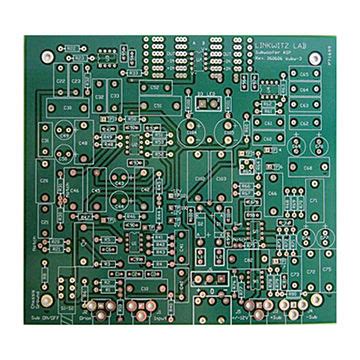
When managing pcb manufacturing cost, it’s essential to balance quality with affordability. Reputable pcb manufacturing companies employ strategies like design-for-manufacturability (DFM) analysis to identify potential inefficiencies early, reducing material waste and rework expenses. You can optimize budgets by selecting standardized panel sizes, which minimize raw material usage, or leveraging bulk order discounts for high-volume production runs.
Another key strategy involves evaluating layer count and material choices—opting for FR-4 substrates instead of high-frequency laminates, for example, can cut costs significantly without compromising performance for most applications. Many pcb manufacturing business providers now offer tiered pricing models, allowing you to align expenses with project complexity. Advanced automated quoting systems further streamline cost estimation, providing real-time insights into how design adjustments impact pricing.
However, avoid prioritizing upfront savings over reliability. Partnering with certified pcb manufacturing specialists ensures adherence to ISO 9001 or IPC-A-600 standards, preventing costly defects or delays. By analyzing cost breakdowns (materials, labor, testing) and negotiating flexible payment terms, you maintain budgetary control while securing production quality.
Conclusion
Selecting the right PCB manufacturing partner ultimately determines the success of your electronics project. Whether you prioritize cost-efficiency, rapid prototyping, or advanced technical capabilities, aligning your needs with PCB manufacturing companies that offer transparent processes and robust quality controls is critical. As you evaluate options, consider how scalability and compatibility with tools like KiCAD impact long-term collaboration. Balancing PCB manufacturing cost with reliability requires analyzing not just pricing models but also certifications, lead times, and post-production support. For businesses scaling operations, partnering with established PCB manufacturing business specialists ensures access to cutting-edge fabrication techniques while mitigating supply chain risks. By prioritizing vendors that align with your technical and operational benchmarks, you secure a foundation for innovation without compromising on quality or timelines.
FAQs
How do I verify the expertise of a PCB manufacturing company?
Look for certifications like ISO 9001 or IPC-A-600, which validate adherence to industry standards. Review client testimonials and ask for case studies demonstrating their experience with projects similar to yours.
What factors influence PCB manufacturing cost the most?
Material selection, layer count, board size, and turnaround time are primary cost drivers. High-volume orders typically reduce per-unit expenses, while advanced features like HDI or impedance control may increase prices.
Can PCB manufacturing businesses handle both prototyping and mass production?
Many providers offer end-to-end services, but verify their equipment capabilities. Some specialize in rapid prototyping, while others focus on large-scale production—choose based on your project’s lifecycle stage.
How do I balance quality and affordability in PCB manufacturing?
Compare quotes from multiple vendors, ensuring they clarify inclusions like testing or surface finishes. Prioritize companies offering design-for-manufacturability (DFM) feedback to avoid costly revisions later.
What certifications ensure reliability in PCB manufacturing companies?
UL listing, RoHS compliance, and AS9100 (for aerospace) are critical markers. For medical or automotive applications, confirm IATF 16949 or ISO 13485 certifications.
Ready to Partner with a Trusted PCB Manufacturer?
Explore Andwin PCB’s Manufacturing Solutions – click here to request a customized quote and DFM analysis tailored to your project’s needs.