Types of flexible pcb connector
Advantages Of Using Flexible PCB Connectors In Modern Electronics
Flexible PCB connectors have become an integral component in modern electronics, offering a myriad of advantages that enhance the performance, reliability, and versatility of electronic devices.
One of the primary benefits of using flexible PCB connectors is their ability to accommodate complex and compact designs.
As electronic devices continue to shrink in size while increasing in functionality, the need for connectors that can fit into tight spaces and conform to intricate geometries has grown. Flexible PCB connectors, with their bendable and adaptable nature, meet this demand by allowing for more efficient use of space and enabling the creation of smaller, more sophisticated devices.
In addition to their spatial efficiency, flexible PCB connectors also contribute to improved durability and reliability.
Traditional rigid connectors are prone to mechanical stress and fatigue, especially in applications where movement or vibration is involved. Flexible connectors, on the other hand, can absorb and distribute mechanical stress more evenly, reducing the likelihood of damage and extending the lifespan of the device. This makes them particularly suitable for use in environments where durability is paramount, such as in automotive, aerospace, and industrial applications.
Moreover, the use of flexible PCB connectors can lead to significant cost savings in both manufacturing and maintenance.
The flexibility of these connectors allows for easier and more efficient assembly processes, reducing the time and labor required to produce electronic devices. Additionally, their ability to withstand mechanical stress and environmental factors means that devices are less likely to require frequent repairs or replacements, further lowering maintenance costs. This cost-effectiveness is a crucial consideration for manufacturers looking to optimize their production processes and deliver high-quality products to the market.
Another notable advantage of flexible PCB connectors is their ability to enhance signal integrity and performance.
In high-speed and high-frequency applications, maintaining signal integrity is critical to ensure the proper functioning of electronic devices. Flexible connectors can be designed with controlled impedance and shielding to minimize signal loss and electromagnetic interference (EMI). This results in more reliable and efficient data transmission, which is essential for applications such as telecommunications, data centers, and consumer electronics.
Furthermore, flexible PCB connectors offer greater design flexibility and customization options.
They can be tailored to meet specific requirements, including varying lengths, shapes, and configurations. This level of customization allows designers to create innovative solutions that meet the unique needs of their applications. For instance, in wearable technology, flexible connectors can be designed to conform to the contours of the human body, providing a comfortable and unobtrusive user experience.
In conclusion, the advantages of using flexible PCB connectors in modern electronics are manifold. Their ability to accommodate compact and complex designs, enhance durability and reliability, reduce manufacturing and maintenance costs, improve signal integrity, and offer design flexibility makes them an invaluable component in the development of advanced electronic devices. As technology continues to evolve, the demand for flexible PCB connectors is likely to grow, driving further innovation and advancements in the field of electronics.
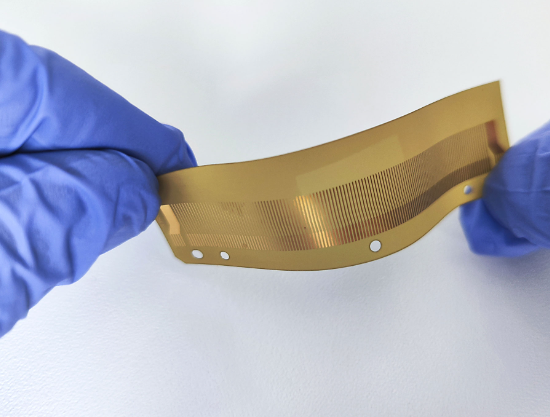
Comparing Different Types Of Flexible PCB Connectors
Flexible PCB connectors are essential components in modern electronic devices, providing the necessary connections between various parts of a circuit while allowing for flexibility and space-saving designs. These connectors come in various types, each with unique characteristics and applications. Understanding the differences between these types can help in selecting the most appropriate connector for a specific application.
One of the most common types of flexible PCB connectors is the Flat Flexible Cable (FFC) connector.
FFC connectors are known for their thin, flat, and flexible design, which makes them ideal for applications where space is limited. They are often used in consumer electronics such as laptops, cameras, and mobile phones. The primary advantage of FFC connectors is their ability to handle high-density connections while maintaining a low profile. This makes them suitable for compact devices where traditional wiring would be impractical.
Another widely used type is the Flexible Flat Cable (FPC) connector.
FPC connectors are similar to FFC connectors but are typically more robust and can handle more complex circuit designs. They are often used in applications that require a higher degree of flexibility and durability, such as automotive and industrial equipment. FPC connectors can accommodate a variety of signal types, including power, data, and control signals, making them versatile for different applications. Additionally, they can be customized to meet specific design requirements, offering a high degree of flexibility in terms of shape, size, and pin configuration.
In contrast to FFC and FPC connectors, ZIF (Zero Insertion Force) connectors are designed to minimize the wear and tear on both the connector and the flexible PCB.
ZIF connectors achieve this by allowing the cable to be inserted and removed with minimal force, reducing the risk of damage during installation and maintenance. This makes them particularly suitable for applications where the connection may need to be frequently accessed or replaced, such as in medical devices and test equipment. The ease of use and reliability of ZIF connectors make them a popular choice for applications that require frequent reconfiguration or servicing.
Another type of flexible PCB connector is the wire-to-board connector.
These connectors are designed to connect individual wires to a flexible PCB, providing a secure and reliable connection. Wire-to-board connectors are commonly used in applications that require a high degree of mechanical strength, such as in automotive and aerospace industries. They offer the advantage of being able to handle higher current loads compared to other types of flexible PCB connectors, making them suitable for power-intensive applications. Additionally, wire-to-board connectors can be easily assembled and disassembled, providing flexibility in design and maintenance.
Lastly, there are board-to-board connectors, which are used to connect two flexible PCBs together.
These connectors are essential in applications where multiple PCBs need to be interconnected, such as in complex electronic systems. Board-to-board connectors offer the advantage of providing a high-density connection while maintaining the flexibility of the overall design. They are often used in telecommunications, computing, and networking equipment, where reliable and high-speed connections are critical.
In conclusion, the choice of flexible PCB connector depends on various factors, including the specific application requirements, the type of signals being transmitted, and the mechanical and electrical characteristics needed. FFC and FPC connectors are ideal for compact and high-density applications, while ZIF connectors offer ease of use and reliability. Wire-to-board connectors provide mechanical strength and higher current handling capabilities, and board-to-board connectors are essential for interconnecting multiple PCBs. Understanding the differences between these types of connectors can help in selecting the most appropriate solution for a given application, ensuring optimal performance and reliability.
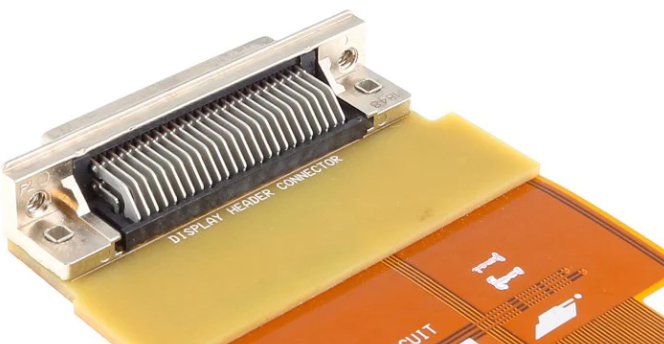
How To Choose The Right Flexible PCB Connector For Your Project
When embarking on a project that involves flexible printed circuit boards (PCBs), selecting the appropriate connector is crucial for ensuring both functionality and reliability. Flexible PCB connectors come in various types, each designed to meet specific requirements and constraints. Understanding these types and their respective advantages can significantly aid in making an informed decision.
One of the most common types of flexible PCB connectors is the Flat Flexible Cable (FFC) connector.
FFC connectors are widely used due to their simplicity and cost-effectiveness. They consist of flat, flexible plastic films with multiple metallic conductors bonded to one surface. These connectors are ideal for applications requiring high-density connections in compact spaces, such as in consumer electronics and automotive systems. Their flexibility allows for easy routing in tight spaces, making them a versatile choice for many projects.
Another popular option is the Flexible Flat Cable (FPC) connector, which is similar to FFC connectors but offers additional features.
FPC connectors typically include a stiffener to provide mechanical support and improve durability. This makes them suitable for applications where the connector will be subjected to repeated flexing or mechanical stress. FPC connectors are often found in mobile devices, medical equipment, and other applications where reliability and longevity are paramount.
For projects requiring robust connections, ZIF (Zero Insertion Force) connectors are an excellent choice.
ZIF connectors are designed to minimize wear and tear on the contacts by allowing the cable to be inserted and removed with minimal force. This is achieved through a locking mechanism that secures the cable in place once it is inserted. ZIF connectors are particularly useful in applications where the connector will be frequently disconnected and reconnected, such as in testing and development environments.
In addition to these common types, there are also specialized connectors designed for specific applications.
For instance, board-to-board connectors are used to connect two PCBs together, providing a reliable electrical connection while allowing for some degree of mechanical flexibility. These connectors are often used in modular systems where different components need to be easily replaceable or upgradable.
When choosing the right flexible PCB connector for your project, several factors must be considered.
First and foremost, the electrical requirements of your application will dictate the type of connector you need. This includes the number of connections, the current-carrying capacity, and the signal integrity requirements. Additionally, the mechanical constraints of your project, such as the available space and the degree of flexibility needed, will influence your choice.
Another important consideration is the environmental conditions in which the connector will operate.
Factors such as temperature, humidity, and exposure to chemicals or other harsh conditions can affect the performance and longevity of the connector. Therefore, it is essential to choose a connector that is rated for the specific environmental conditions of your application.
Finally, cost and availability are practical considerations that cannot be overlooked.
While it may be tempting to choose the least expensive option, it is important to balance cost with performance and reliability. In some cases, investing in a higher-quality connector can save time and money in the long run by reducing the risk of failures and the need for replacements.
In conclusion, selecting the right flexible PCB connector for your project involves a careful evaluation of the electrical, mechanical, and environmental requirements, as well as practical considerations such as cost and availability. By understanding the different types of connectors available and their respective advantages, you can make an informed decision that will ensure the success and reliability of your project.
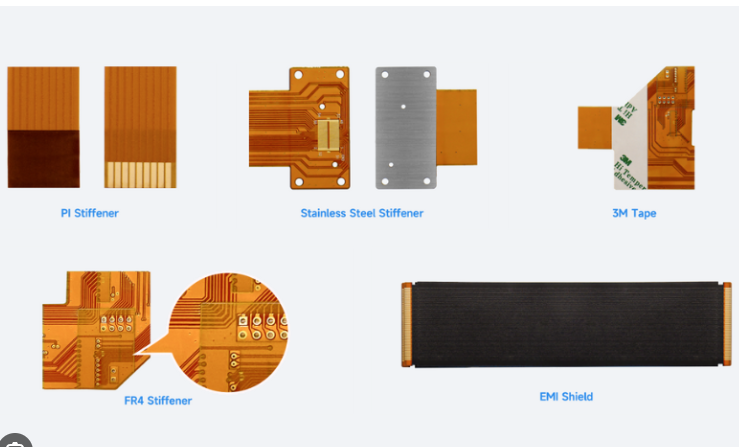
Innovations In Flexible PCB Connector Technology
Flexible printed circuit boards (PCBs) have revolutionized the electronics industry by offering a versatile and reliable solution for complex electronic designs. As the demand for more compact and efficient electronic devices continues to grow, innovations in flexible PCB connector technology have become increasingly important. These connectors play a crucial role in ensuring the seamless integration of various components within a flexible PCB, thereby enhancing the overall performance and reliability of electronic devices.
One of the most significant advancements in flexible PCB connector technology is the development of Zero Insertion Force (ZIF) connectors.
ZIF connectors are designed to minimize the wear and tear on both the connector and the flexible PCB during the insertion and removal process. This is achieved by incorporating a locking mechanism that allows the connector to be engaged and disengaged without applying any force. As a result, ZIF connectors are ideal for applications that require frequent assembly and disassembly, such as in consumer electronics and medical devices.
Another notable innovation in flexible PCB connector technology is the introduction of Low Insertion Force (LIF) connectors.
Similar to ZIF connectors, LIF connectors are designed to reduce the amount of force required to insert and remove the connector. However, LIF connectors do not have a locking mechanism, which makes them more suitable for applications where the connector is not frequently engaged and disengaged. LIF connectors are commonly used in automotive and industrial applications, where reliability and durability are of utmost importance.
In addition to ZIF and LIF connectors, there has been significant progress in the development of high-density flexible PCB connectors.
These connectors are designed to accommodate a large number of connections within a small footprint, making them ideal for applications where space is limited. High-density connectors are commonly used in portable electronic devices, such as smartphones and tablets, where the need for compact and efficient designs is paramount. The use of high-density connectors not only helps to reduce the overall size of the device but also improves its performance by minimizing signal loss and interference.
Furthermore, the advent of surface-mount technology (SMT) has also had a profound impact on flexible PCB connector technology.
SMT connectors are designed to be mounted directly onto the surface of the flexible PCB, eliminating the need for through-hole connections. This not only simplifies the assembly process but also allows for greater design flexibility and improved signal integrity. SMT connectors are widely used in a variety of applications, including telecommunications, aerospace, and consumer electronics.
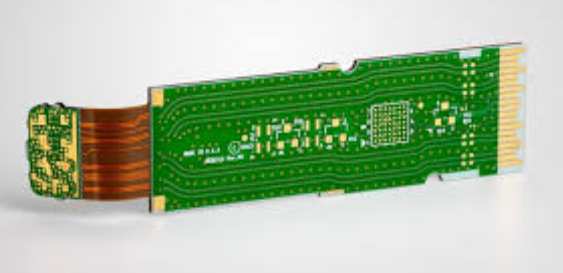
Moreover, the development of hybrid flexible PCB connectors has opened up new possibilities for electronic design.
Hybrid connectors combine the benefits of both flexible and rigid connectors, offering a versatile solution for complex electronic assemblies. These connectors are particularly useful in applications where both flexibility and rigidity are required, such as in wearable devices and medical implants. The use of hybrid connectors allows for greater design freedom and improved performance, making them an attractive option for a wide range of applications.
In conclusion, innovations in flexible PCB connector technology have significantly enhanced the capabilities of electronic devices by providing reliable and efficient solutions for complex designs. The development of ZIF, LIF, high-density, SMT, and hybrid connectors has not only improved the performance and reliability of flexible PCBs but also opened up new possibilities for electronic design. As the demand for more compact and efficient electronic devices continues to grow, it is expected that further advancements in flexible PCB connector technology will continue to drive innovation in the electronics industry.