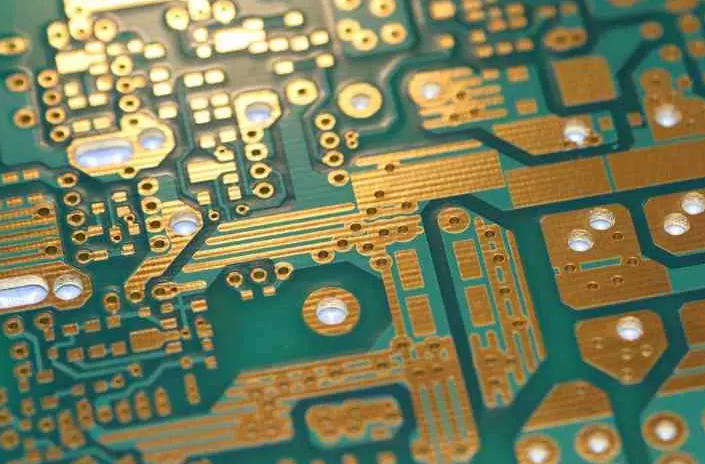
Types of PCB Surface Final Finishes and Requirements for Electroless Nickel Coatings
Introduction
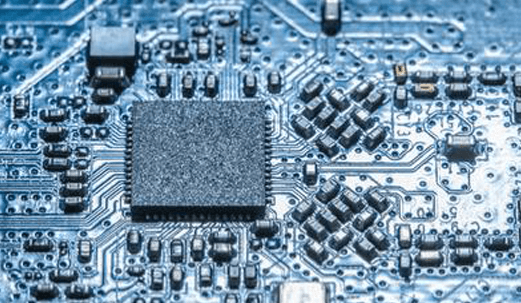
Printed Circuit Boards (PCBs) require surface finishes to protect exposed copper traces from oxidation, ensure solderability, and improve electrical performance. The choice of surface finish depends on factors such as cost, application environment, assembly process, and reliability requirements. Among the various surface finishes available, electroless nickel coatings are widely used in demanding applications due to their excellent properties. This article explores the different types of PCB surface finishes and discusses the specific requirements for electroless nickel coatings.
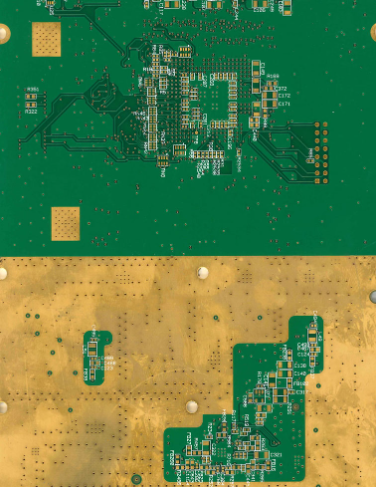
Types of PCB Surface Finishes
1. Hot Air Solder Leveling (HASL)
HASL is one of the most traditional and cost-effective surface finishes. It involves immersing the PCB in molten solder (typically tin-lead or lead-free) and then using hot air to remove excess solder, leaving a flat surface.
- Advantages: Low cost, good solderability, and long shelf life.
- Disadvantages: Uneven surface, not suitable for fine-pitch components, and thermal shock concerns.
2. Organic Solderability Preservative (OSP)
OSP is a water-based organic coating that protects copper from oxidation before soldering.
- Advantages: Flat surface, environmentally friendly, and cost-effective.
- Disadvantages: Limited shelf life, sensitive to handling, and not suitable for multiple reflow cycles.
3. Electroless Nickel Immersion Gold (ENIG)
ENIG consists of an electroless nickel layer followed by a thin immersion gold layer.
- Advantages: Excellent oxidation resistance, flat surface, good solderability, and suitable for fine-pitch components.
- Disadvantages: Higher cost, risk of “black pad” defect if nickel is improperly deposited.
4. Immersion Silver (IAg)
Immersion silver provides a thin, solderable silver layer over copper.
- Advantages: Good solderability, suitable for high-frequency applications, and cost-effective compared to ENIG.
- Disadvantages: Prone to tarnishing and limited shelf life.
5. Immersion Tin (ISn)
Immersion tin deposits a thin layer of tin over copper to prevent oxidation.
- Advantages: Flat surface, good for fine-pitch components, and cost-effective.
- Disadvantages: Sensitive to handling, prone to whisker growth, and limited thermal cycling capability.
6. Electroless Nickel Electroless Palladium Immersion Gold (ENEPIG)
ENEPIG adds a palladium layer between nickel and gold, improving reliability.
- Advantages: Excellent wire-bonding capability, superior corrosion resistance, and long shelf life.
- Disadvantages: High cost and complex process control.
7. Electrolytic Nickel/Gold (Hard Gold)
This finish involves electroplating a thick layer of nickel followed by hard gold (with cobalt or nickel additives).
- Advantages: Extremely durable, excellent wear resistance, and long shelf life.
- Disadvantages: High cost, requires additional plating steps, and not suitable for soldering (used mainly for contact surfaces).
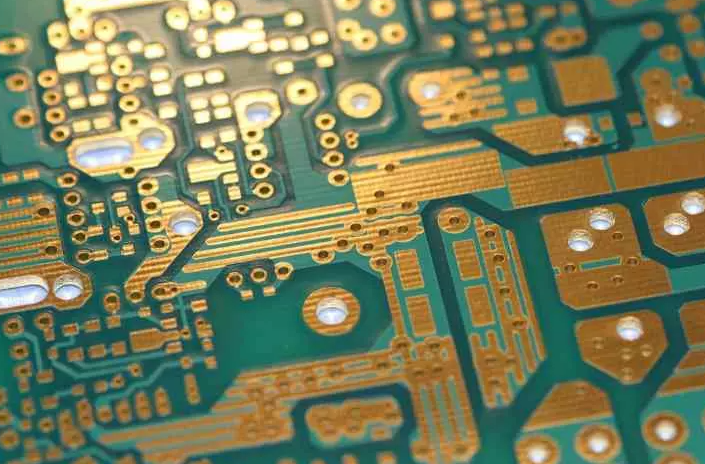
Requirements for Electroless Nickel Coatings in PCBs
Electroless nickel (EN) coatings are widely used in PCBs, particularly in ENIG and ENEPIG finishes, due to their uniformity, corrosion resistance, and ability to serve as a diffusion barrier. However, the deposition process must meet strict requirements to ensure reliability.
1. Thickness Control
- The nickel layer typically ranges from 3 to 6 μm in thickness.
- Too thin (<2 μm) may lead to insufficient barrier properties, while too thick (>8 μm) can cause brittleness and cracking.
2. Phosphorus Content
- Electroless nickel coatings for PCBs usually contain 4–10% phosphorus.
- Higher phosphorus improves corrosion resistance but may reduce hardness.
- Low-phosphorus nickel (<4%) is harder but more prone to cracking.
3. Adhesion to Copper
- The nickel layer must adhere strongly to the copper substrate to prevent delamination.
- Proper surface preparation (micro-etching, cleaning, and activation) is critical.
4. Surface Smoothness
- A smooth nickel surface ensures proper gold deposition and prevents defects like “black pad.”
- Roughness should be controlled to <0.2 μm Ra (average roughness).
5. Uniformity and Porosity
- The deposit must be uniform across the PCB to ensure consistent soldering and wire bonding.
- Porosity should be minimized to prevent corrosion and solder joint failures.
6. Solderability and Wire Bondability
- The nickel layer must facilitate strong intermetallic bonding with solder (Sn-Ag-Cu alloys).
- For wire bonding applications, a controlled phosphorus content (6–9%) is preferred.
7. Corrosion and Oxidation Resistance
- The nickel layer must prevent copper diffusion and oxidation during storage and assembly.
- Proper gold immersion (0.05–0.2 μm) is necessary to protect the nickel.
8. Thermal Stability
- The coating must withstand multiple reflow cycles (260°C peak temperature) without cracking or delamination.
- High-phosphorus nickel offers better thermal stability.
9. Compatibility with Gold Deposition
- The immersion gold layer must be uniform and free of defects (e.g., “black pad” syndrome caused by excessive nickel corrosion during gold deposition).
- The gold thickness should be 0.05–0.2 μm to prevent embrittlement.
10. Environmental and RoHS Compliance
- The electroless nickel bath must comply with environmental regulations (e.g., no cadmium or lead).
- RoHS and REACH compliance is mandatory for electronics applications.
Conclusion
PCB surface finishes play a crucial role in ensuring solderability, reliability, and performance. Electroless nickel coatings, particularly in ENIG and ENEPIG finishes, offer excellent properties but require strict control of thickness, phosphorus content, adhesion, and surface quality. By meeting these requirements, manufacturers can produce high-reliability PCBs suitable for advanced electronics, automotive, and aerospace applications.
Understanding the trade-offs between different finishes allows designers to select the best option based on cost, performance, and assembly needs. Electroless nickel remains a preferred choice for high-end applications where durability and long-term reliability are critical.