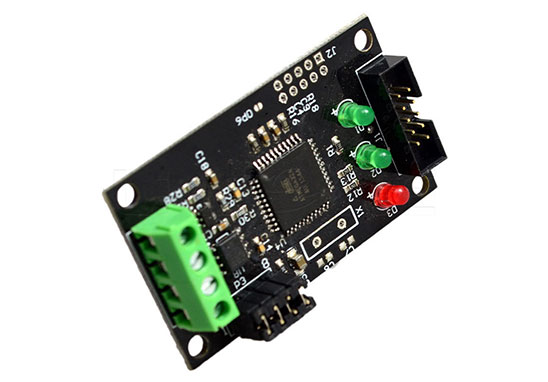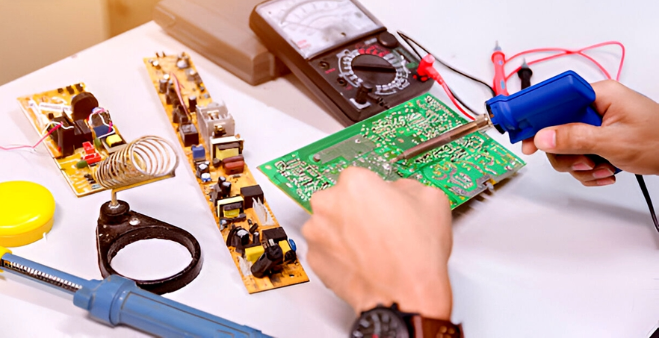
Understanding 4PCB Assembly Processes for Efficient Manufacturing
Key Takeaways
Understanding 4PCB assembly processes is crucial for any organization involved in the production of electronic devices. The effective integration of different steps in the pcb assembly process is critical for achieving high-quality outcomes. Key techniques, such as surface mount technology (SMT) and through-hole technology, play a significant role in enhancing production efficiency. Moreover, utilizing the right tools, including soldering machines and inspection equipment, streamlines operations and minimizes defects.
Efficient pcba practices not only boost productivity but also contribute to cost savings. By implementing industry-standard quality checks throughout the 4PCB assembly process, manufacturers can reduce rework and ensure that the final products meet rigorous quality criteria.
The table below outlines essential components involved in successful 4PCB assembly, enabling manufacturers to understand key elements at a glance:
| Component | Importance |
|---|---|
| Surface Mount Technology | Increases component density |
| Inspection Tools | Ensures quality control |
| Automated Soldering | Reduces manual labor and errors |
| Testing Equipment | Confirms functionality before deployment |
In conclusion, mastering each aspect of the 4PCB assembly process is vital for optimizing productivity in electronic manufacturing environments. By focusing on best practices and staying updated on technological advancements, companies can navigate challenges effectively and achieve superior results.
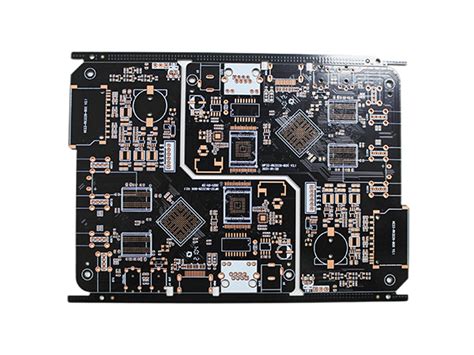
Introduction to 4PCB Assembly: Overview and Importance
In the realm of electronics, 4PCB assembly plays a pivotal role in the manufacturing of complex circuit boards. This process, often referred to as PCBA (Printed Circuit Board Assembly), involves the integration of various electronic components onto a printed circuit board (PCB). Understanding the nuances of this assembly process is essential, as it directly impacts the overall quality and efficacy of electronic products. Efficient pcb assembly not only enhances production speed but also minimizes errors, reducing time and costs associated with manufacturing.
Implementing advanced techniques during PCBA can lead to improved reliability and longevity of the final product. It’s important to consider factors such as component placement, soldering methods, and quality assurance protocols that significantly affect performance. As electronics become increasingly complex, having a firm grasp on the importance of precise assembly techniques ensures that manufacturers can meet rising demands while maintaining exceptional standards.
“Investing in efficient 4PCB assembly processes translates into better product outcomes and customer satisfaction.”
Ultimately, acknowledging the importance of adept pcba practices is crucial for manufacturers aiming for success in today’s competitive marketplace. Understanding how each step contributes to the final outcome not only fosters innovation but also underscores the value that proficient 4PCB assembly brings to technological advancements within various industries.
Key Techniques in 4PCB Assembly Processes
In the realm of pcb assembly, various techniques play a crucial role in ensuring quality and efficiency. One of the primary methods employed is surface mount technology (SMT), which allows for the placement of components directly onto the surface of the printed circuit board (PCB), thereby minimizing space and enhancing operational speed. This is often combined with through-hole technology, where components are inserted into holes drilled in the PCB, ensuring strong mechanical connections which can be particularly advantageous for larger components or those requiring robust physical support.
Another key technique involves automated optical inspection (AOI), which significantly reduces errors during assembly by using advanced imaging systems to examine each joint for quality assurance. This process not only increases precision but also contributes to optimizing overall workflow by catching defects early in the production cycle. Furthermore, employing reflow soldering techniques allows for a more uniform solder distribution across multiple components, greatly enhancing joint reliability.
In addition to these methods, focusing on a well-structured pcba workflow that includes meticulous planning and scheduling can lead to increased productivity. Adopting lean manufacturing principles can help eliminate waste and streamline processes, thereby maximizing resource utilization. As manufacturers increasingly look toward advancing their assembly capabilities, understanding these foundational techniques becomes essential for producing high-quality pcba efficiently. Using such techniques strategically ensures not just a functional product but one that meets rigorous standards in today’s competitive market.
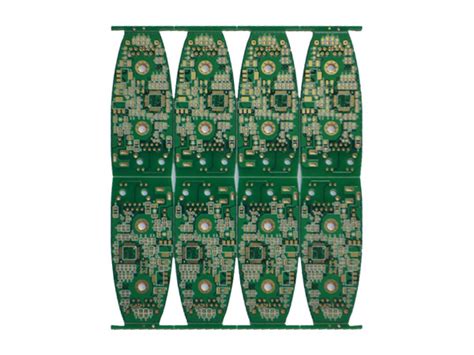
Essential Tools for Efficient 4PCB Assembly
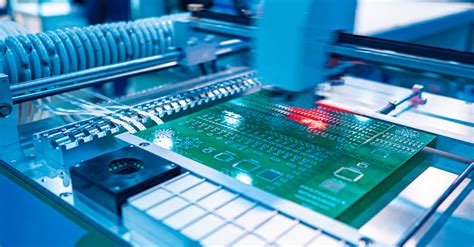
In the world of 4PCB assembly, having the right tools is paramount to achieving high-quality pcba results while optimizing efficiency throughout the manufacturing process. The cornerstone of any successful pcb assembly operation begins with precision soldering stations. These stations often feature temperature control, ensuring delicate components are not damaged during assembly. Additionally, pick and place machines are vital tools that automate the positioning of components onto the printed circuit boards, significantly reducing assembly time and enhancing accuracy.
Another essential tool is the reflow oven, which is used for melting solder paste and securing components to the PCB in a controlled manner. Alongside these, a reliable inspection system, whether optical or X-ray, plays a crucial role in verifying that assembled boards meet stringent quality standards. Furthermore, using ergonomic tools for manual assembly processes helps to reduce operator fatigue and maintain precision, especially for detailed tasks that require dexterity. By integrating these essential tools into a streamlined workflow, manufacturers can ensure their 4PCB assembly processes yield optimal productivity while maintaining consistent quality across all stages of production.
Best Practices for High-Quality 4PCB Manufacturing
To achieve superior results in 4PCB assembly, adopting best practices is essential for any manufacturing process. A critical aspect is ensuring that the pcb assembly begins with high-quality materials, as the integration of reliable components leads to enhanced durability and performance. Furthermore, implementing precise placement techniques is vital; using automated pick-and-place machines can significantly reduce human error and improve placement accuracy. Additionally, maintaining a clean working environment can prevent contamination and defects in the pcba process. Regular equipment maintenance also plays a crucial role, ensuring that machinery operates at peak efficiency to minimize downtime.
Utilizing advanced soldering techniques, such as reflow soldering or wave soldering, can enhance the joint quality of the components on the board. Moreover, rigorous testing procedures like automated optical inspection (AOI) or functional testing should be employed at various stages to identify any potential flaws early in the process. Adopting a systematic approach to documentation allows manufacturers to trace production issues back to their source, fostering a culture of continuous improvement. Ultimately, focusing on these best practices will not only lead to high-quality results but also optimize productivity throughout the 4PCB assembly process, positioning manufacturers for success in the competitive electronics market.
Common Challenges in 4PCB Assembly and Solutions
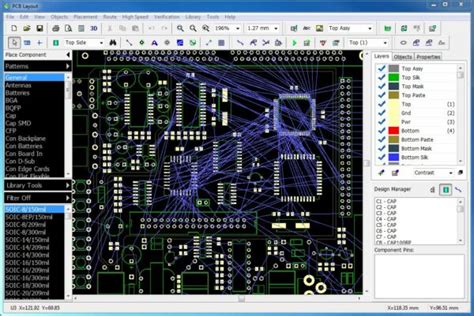
In the realm of 4PCB assembly, manufacturers often encounter a series of challenges that can hinder efficiency and quality. One prevalent issue is the complexity of multi-layer designs, which can make the pcba process more intricate. To address this, implementing advanced design software can assist in visualizing layers more effectively, ensuring that all aspects are accounted for during initial stages. Another challenge lies in soldering defects, which may arise due to insufficient heat management or poor technique. Utilizing automated soldering systems can enhance precision and consistency, significantly reducing the risk of such defects.
Moreover, managing component placement is crucial; inaccurate placements can lead to malfunctioning boards. Adopting advanced pick-and-place machines equipped with accurate vision systems can mitigate these errors by guaranteeing precise component positioning. Furthermore, maintaining a clean manufacturing environment is essential for avoiding contamination that could affect pcb assembly quality. Regular training of personnel on best practices in hygiene and equipment handling can contribute positively to this aspect.
Finally, ensuring a robust quality assurance system is vital; inconsistent quality checks can lead to subpar products reaching the market. Implementing a rigorous testing protocol—encompassing both visual inspections and automated test equipment—can significantly enhance the overall reliability of pcba outcomes. By acknowledging these challenges and employing targeted solutions, manufacturers can optimize their 4PCB assembly processes, driving better productivity and higher-quality electronic products.
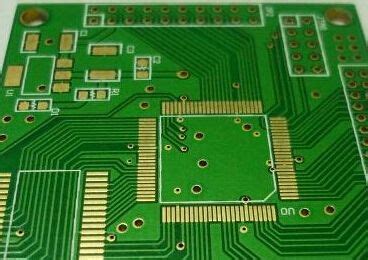
Case Studies: Successful Implementations of 4PCB Assembly
In the realm of 4PCB assembly, numerous organizations have showcased the effectiveness and adaptability of their manufacturing strategies through successful case studies. For instance, a leading electronics manufacturer implemented innovative pcba techniques that significantly reduced production time while maintaining stringent quality control. By integrating state-of-the-art automated inspection systems, they minimized defects and ensured that every pcb assembly met high standards. Another notable example involves a small startup that adopted best practices in 4PCB assembly to create sustainable, eco-friendly products. Through strategic sourcing of materials and utilizing specific tools designed for efficiency, they were able to optimize their production line and significantly cut costs while enhancing the overall reliability of the final products. These real-world examples illustrate how tailored approaches toward pcba can lead to improved operational efficiency, higher product quality, and ultimately greater satisfaction in customer service. Such successful implementations not only underline the importance of embracing modern techniques but also highlight the continuous evolution within the field of 4PCB assembly, setting benchmarks for future endeavors within the industry.
Future Trends in 4PCB Assembly Technology
As the electronics industry continues to evolve, 4PCB assembly processes are witnessing significant advancements that aim to enhance efficiency and quality in production. The rise of Industry 4.0 has brought forth innovations such as smart manufacturing, where pcb assembly lines are increasingly equipped with automation and data analytics tools. This shift not only streamlines operations but also facilitates real-time monitoring of production metrics, allowing manufacturers to make informed decisions swiftly. Additionally, the integration of advanced materials in pcba—such as flexible substrates—is enabling more innovative designs that meet the demands of increasingly compact and complex electronic devices. With the growing emphasis on sustainability, companies are also focusing on eco-friendly processes and materials in their pcb assembly operations. Moreover, advancements in machine learning and artificial intelligence are poised to play a crucial role in predicting defects and optimizing workflows, ultimately leading to a more resilient manufacturing ecosystem. As these trends take hold, the future of 4PCB assembly technology looks promising, offering improved productivity and higher-quality outcomes for the electronics sector.
Conclusion
In summary, understanding the 4PCB assembly process is crucial for achieving successful outcomes in electronic manufacturing. The integration of various techniques, such as surface mount technology and through-hole assembly, plays a pivotal role in enhancing production efficiency and ensuring the durability of the final product. Utilizing essential tools like automated pick-and-place machines and high-precision soldering stations can significantly streamline operations. Additionally, adhering to best practices—including thorough inspection methods and quality assurance protocols—can mitigate common challenges that arise during pcba processes. By addressing these aspects, manufacturers are better positioned to produce high-quality results that meet rigorous market demands. It is clear that as pcb assembly technology continues to evolve, staying informed about future trends is vital for maintaining a competitive edge in the ever-expanding electronic landscape.
FAQs
What is 4PCB assembly?
4PCB assembly, or printed circuit board assembly, refers to the process of soldering electronic components onto a four-layer printed circuit board to create a functional electronic assembly. This method is crucial for combining compactness and performance in modern electronics.
What are the advantages of using 4PCB assembly over traditional methods?
The primary advantages of 4PCB assembly include increased component density, improved thermal dissipation, and enhanced signal integrity. As a result, advancements in pcba technology lead to smaller and more efficient devices that meet the demands of contemporary electronic applications.
Which industries commonly utilize 4PCB assembly?
Industries such as telecommunications, consumer electronics, automotive, and medical devices commonly implement 4PCB assembly due to its efficiency and ability to meet complex design requirements. The versatility of pcba makes it an essential choice for creating high-performance products.
What are some common challenges encountered during 4PCB assembly?
Challenges can include managing thermal issues, ensuring quality control during the soldering process, and dealing with component misalignment. Addressing these issues requires careful planning and the use of advanced techniques in pcb assembly, enabling manufacturers to maintain high standards throughout production.
For further information on enhancing your understanding of pcb assembly, please visit: https://www.andwinpcb.com/pcb-assembly/