Understanding Assembly Circuits in Modern Electronics
Key Takeaways
Understanding assembly circuits is fundamental to grasping how modern electronics function. These circuits, often referred to in the industry as pcb assembly or pcba, are at the core of a vast array of electronic devices, from simple gadgets to complex systems. A well-designed assembly circuit ensures that components interact effectively, leading to reliable performance and enhanced functionality.
One of the key aspects of assembly circuits is their versatility; they can be tailored to meet specific design requirements and application needs. Factors such as component layout, soldering techniques, and thermal management play significant roles in achieving optimal circuit performance. Moreover, with the rapid advancements in technology, the integration of smart components into pcba has become increasingly common, enabling manufacturers to produce more compact and efficient devices.
“The essence of an effective assembly circuit lies not only in its design but also in its ability to adapt to evolving technological demands.”
This adaptability is crucial as industries strive for innovation and sustainability—especially with the growing importance of eco-friendly materials and practices in electronics manufacturing. As we look towards the future, understanding these nuances will empower engineers and designers to develop smarter solutions that push the boundaries of what’s possible in electronic technology.
Introduction to Assembly Circuits
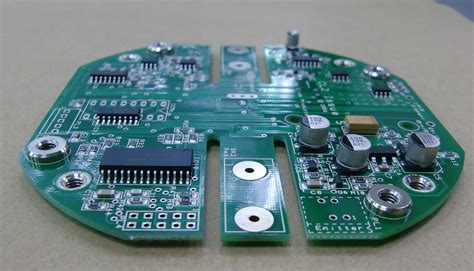
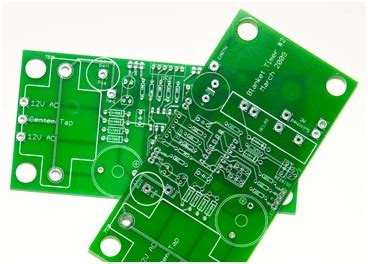
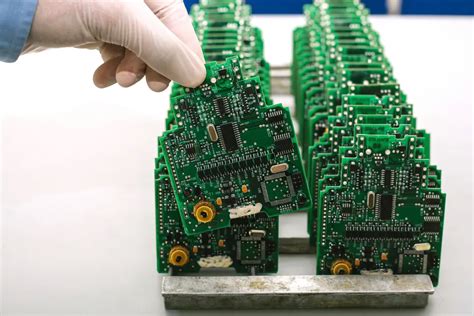
Assembly circuits play a pivotal role in the realm of modern electronics, serving as the backbone for a wide array of devices and systems. At their core, these circuits involve the process of assembling various electronic components onto a printed circuit board (PCB), commonly referred to as PCB assembly. This process, known as PCBA, encompasses several steps, including placing components such as resistors, capacitors, and integrated circuits onto the PCB, followed by soldering them in place to create functional electronic pathways.
The significance of assembly circuits cannot be understated; they enable the practical implementation of electrical circuits in everything from smartphones to industrial machinery. Factors such as size constraints, heat dissipation, and signal integrity are critical considerations in their design and function. As technology progresses, the standards for these assemblies continue to evolve, focusing on increasing efficiency while reducing overall manufacturing costs.
To better understand how pcb assembly integrates into contemporary technology, consider the following table that summarizes key elements influencing circuit assembly:
| Element | Description | Impact on PCBA |
|---|---|---|
| Component Placement | Exact positioning of parts on PCB | Affects performance and reliability |
| Soldering Techniques | Methods used to connect components (e.g., SMT) | Influences durability and signal quality |
| Testing Methods | Procedures for verifying functionality | Ensures product reliability |
| Material Selection | Choosing appropriate substrates and components | Impacts thermal performance |
Through this examination of assembly circuits, we see how they embody both engineering ingenuity and practical application. The seamless integration facilitated by PCBA enables complex functionalities within compact spaces while maintaining high standards of quality and performance in today’s fast-paced technological landscape.
The Fundamental Principles of Circuit Assembly
At the core of modern electronics lies the intricate process of circuit assembly, which primarily encompasses the integration of various electronic components onto a printed circuit board (PCB). A well-executed pcb assembly process ensures that each component, from resistors to microcontrollers, is correctly positioned and soldered, thus establishing reliable electrical connections. One essential aspect of this process is understanding the concept of printed circuit board assembly (PCBA), which involves not only the physical placement and soldering of components but also the design considerations that influence their interactions. The physical layout must adhere to specific design rules, including trace width, spacing, and grounding techniques, which optimize signal integrity and minimize interference. Moreover, effective circuit assembly requires consideration of thermal management; components often generate heat that can impact performance and longevity. Therefore, an understanding of heat dissipation techniques is critical for sustaining optimal operating conditions within the assembled circuit. As technology progresses, these fundamental principles evolve to incorporate advanced materials and innovative manufacturing methods that enhance performance while reducing costs. Emphasizing these foundational aspects allows engineers to create assembly circuits that meet both current standards and future demands in the ever-evolving landscape of electronics.
Design Considerations in Modern Assembly Circuits
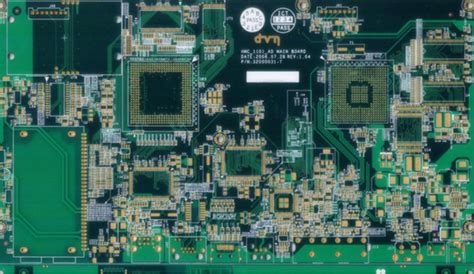
Designing assembly circuits for modern electronics involves a multifaceted approach that considers various critical factors to ensure optimal performance and reliability. One of the primary considerations is the selection of appropriate materials for pcb assembly. The choice of substrate, conductors, and components can significantly affect the circuit’s durability and functionality. Additionally, minimizing electromagnetic interference is crucial, especially as devices become smaller and more integrated. Designers must also focus on thermal management to prevent overheating, which can lead to component failure or reduced lifespan.
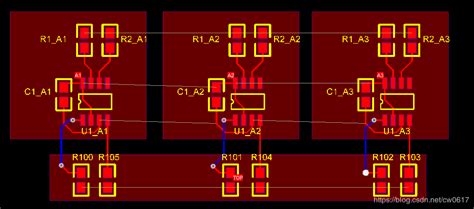
Moreover, the layout of the circuit plays an essential role in both aesthetic appeal and functional efficiency. Efficient pcba design typically incorporates a compact arrangement that facilitates easier manufacturing while also reducing costs associated with materials and assembly time. Adhering to industry standards during this phase can help alleviate potential issues during both prototyping and mass production.
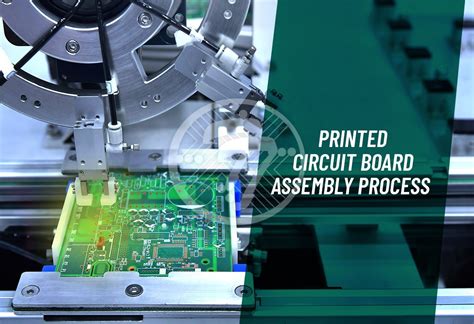
Another key aspect is ensuring compatibility with various manufacturing techniques and equipment, which might include automated assembly systems. This not only streamlines production but also enhances precision in placing components onto the pcb. Testing procedures must also be integrated early in the design phase to identify potential faults or weaknesses before mass production begins. Ultimately, a well-executed design phase leads to robust assembly circuits that meet consumer demands for reliability, efficiency, and adaptability in an ever-evolving technological landscape.
Manufacturing Techniques for Assembly Circuits
The manufacturing process for assembly circuits, particularly pcb assembly (printed circuit board assembly), is pivotal in ensuring the reliability and performance of electronic devices. Various techniques are employed to facilitate the precise and effective integration of electronic components onto the pcb. One prevalent method is surface-mount technology (SMT), which allows for components to be mounted directly onto the surface of the pcb, thereby optimizing space and improving electrical performance. Another method, through-hole technology, involves inserting components into pre-drilled holes on the pcb and securing them with solder, providing robust physical connections essential for certain applications.
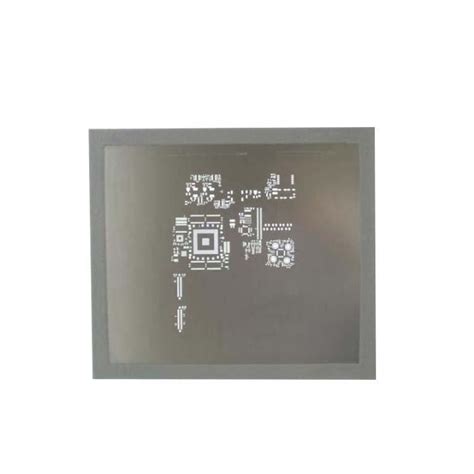
Advancements in automated processes have revolutionized pcba manufacturing, with machines capable of placing thousands of components per hour, significantly reducing production time and increasing accuracy. Additionally, techniques such as wave soldering and reflow soldering are crucial for ensuring solid electrical connections. Wave soldering is particularly effective for through-hole components, while reflow soldering is ideal for SMT components, where solder paste is first applied to pads before components are placed and heated to form secure joints.
The choice of manufacturing technique often hinges on various factors such as design complexity, cost efficiency, and production volume. As technology continues to evolve, innovations in manufacturing techniques will enhance the capabilities of pcb assembly, ultimately leading to more sophisticated applications of assembly circuits across different sectors in modern electronics. Understanding these methods empowers engineers to select the best practices for their specific needs while maintaining product integrity and performance.
Applications of Assembly Circuits in Contemporary Technology
Assembly circuits, specifically in the realm of pcb assembly, play a pivotal role in a multitude of devices that we rely on daily. Their integration is fundamental in ensuring that electronic components such as resistors, capacitors, and microcontrollers function effectively together. Through processes like pcba, which refers to the printed circuit board assembly, manufacturers can execute high-density interconnections within compact devices. This is particularly evident in smartphones, where assembly circuits are designed to manage power distribution efficiently while maintaining device performance and compactness.
Moreover, in the automotive industry, assembly circuits facilitate the development of advanced driver-assistance systems (ADAS), enhancing vehicle safety and efficiency. These systems rely on intricate circuits to process data from various sensors and make real-time decisions. Similarly, assembly circuits are at the heart of medical devices, where precision and reliability are non-negotiable. For example, patient monitoring systems utilize sophisticated circuit designs to ensure accurate readings and timely alerts.
In consumer electronics, everything from home automation systems to gaming consoles benefits from innovative pcb assemblies that allow for reduced size while preserving functionality. The continual push for more efficient and effective assembly circuit designs mirrors the rapid advancement in technology; as new needs arise, so too do new applications for these critical components. The versatility of pcba not only facilitates innovation but also helps reduce production costs and improve product reliability—an essential factor in today’s competitive technological landscape.
Troubleshooting Common Issues in Assembly Circuits
When dealing with assembly circuits, particularly in the context of pcb assembly or pcba, it is essential to recognize the common issues that may arise during the manufacturing and operational phases. One frequent challenge is related to soldering defects, which can occur due to inadequate heat distribution or poor-quality solder. These defects may lead to weak connections or complete disconnections, thereby hindering circuit functionality. Another issue often encountered is component misalignment, which can happen during the assembly phase when components are not placed accurately on the printed circuit board (PCB). Such misalignment not only affects performance but can also result in short circuits. Additionally, overheating of components during assembly can damage sensitive parts, negatively impacting the performance of the pcba. To mitigate these problems, it is crucial to implement stringent quality control measures and maintain clear standards during both design and manufacturing processes. Moreover, adopting advanced inspection technologies, such as automated optical inspection (AOI), can help detect defects early and enhance the reliability of assembly circuits in modern electronics. Proper training for personnel involved in these processes is equally vital to ensure they are fully aware of best practices and potential pitfalls.
Future Trends in Assembly Circuit Technology
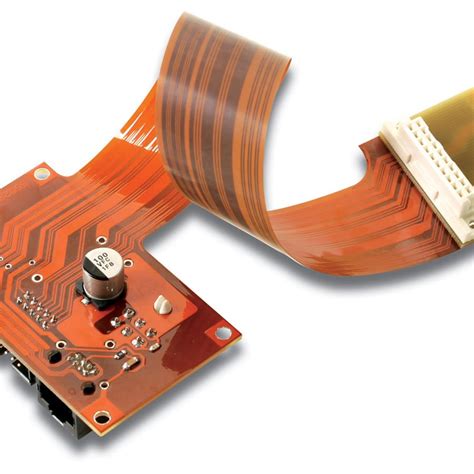
As technology continues to evolve, the landscape of assembly circuits is experiencing significant transformations. One of the most notable trends is the increasing integration of pcb assembly processes with advanced automation techniques. This shift not only enhances efficiency but also reduces human error, leading to more reliable pcba systems. Moreover, the demand for smaller and more complex electronic devices is pushing manufacturers to adopt innovative designs and manufacturing techniques. As a result, we are witnessing a surge in the use of flexible printed circuit boards (FPCBs) and multi-layered assemblies, which cater to intricate device requirements. Additionally, sustainability is becoming a focal point in circuit design and production. Companies are increasingly looking for environmentally friendly materials and processes, thereby minimizing waste and energy consumption in assembly circuits. Emphasizing smart technology, the incorporation of IoT (Internet of Things) capabilities into pcba will be crucial for creating interconnected devices that communicate seamlessly with each other. As these trends converge, they will not only influence how circuits are assembled but also redefine their applications across various sectors, marking the dawn of a new era in modern electronics.
Conclusion
In wrapping up our exploration of assembly circuits, it is clear that they play an indispensable role in the realm of modern electronics. The significance of pcb assembly cannot be overstated, as it serves as the backbone for various technological applications, from consumer electronics to industrial machines. Understanding the principles behind pcba allows engineers and technicians to design more efficient, robust circuits that enhance overall performance. Additionally, advancements in manufacturing techniques have streamlined the production process, enabling scalability without compromising quality. As we look to the future, emerging trends suggest a continued integration of smart technologies and automation within assembly circuits. This evolution indicates not only an expansion in application areas but also a greater demand for precision in assembly practices. Tailoring solutions to meet these evolving needs will be paramount for companies striving to maintain a competitive edge in an increasingly complex electronic landscape.
FAQs
What is PCB assembly?
PCB assembly refers to the process of assembling electronic components onto a printed circuit board (PCB) to create a functional electronic circuit. This involves mounting various components such as resistors, capacitors, and integrated circuits onto the PCB.
What are the key benefits of using PCBA?
The key benefits of using PCBA include reduced assembly time, improved quality control, and consistent electrical performance. These advantages make pcb assembly a crucial step in modern electronics manufacturing.
How are assembly circuits tested for quality?
Assembly circuits are tested using several methods such as visual inspection, automated optical inspection (AOI), and functional testing. These testing techniques ensure that every pcba meets the required specifications before being deployed.
What materials are used in PCB assembly?
Common materials used in PCB assembly include FR-4 fiberglass for the substrate, copper for conductive paths, and solder paste for connecting components. These materials contribute to the durability and performance of the pcb assembly process.
How can I troubleshoot common issues in PCBA?
Troubleshooting common issues in pcba can involve visual inspections to check for misalignment or soldering defects, using a multimeter to test connections, and confirming that components are correctly placed according to design specifications.
For further insights into pcb assembly, please click here: Visit AndwinPCB