Understanding Bare Board Fabrication in PCB Design
Key Takeaways
Understanding bare board fabrication is essential in the realm of PCB design, as it serves as the foundation for your electronic components. The process begins with selecting appropriate materials, which can influence the overall PCB manufacturing cost and performance. You should pay close attention to the specifications, as they determine how well your bare boards will support the integrated circuits and other vital parts.
The journey of fabrication involves several stages, all of which are crucial for quality control. As you engage with various PCB manufacturing companies, it’s important to evaluate their processes to ensure they maintain rigorous testing standards. This not only helps in meeting industry standards but also minimizes errors that could lead to product failure.
Common challenges in PCB manufacturing business often arise from material defects or discrepancies in design specifications. However, many companies are now utilizing advanced technologies, mitigating these issues effectively while optimizing production costs. Monitoring these trends can provide insights into future directions for bare board technology.
| Aspect | Importance |
|---|---|
| Material Selection | Impacts durability and performance |
| Testing Procedures | Ensures reliability and quality |
| Design Specifications | Affects manufacturability and cost |
By understanding these elements, you can better navigate the complexities involved in bare board fabrication, laying a solid groundwork for your PCB projects. For more detailed information on this topic or to explore various services related to PCB manufacturing, you may want to visit Andwin.
Introduction to Bare Board Fabrication
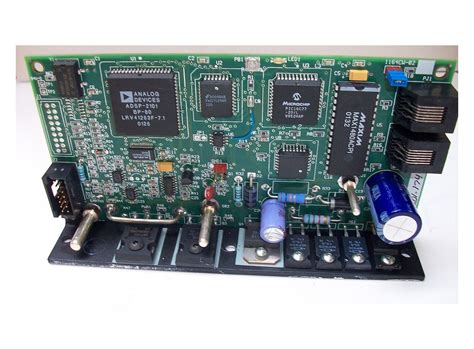
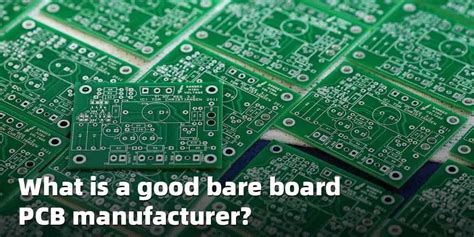
Bare board fabrication is a critical process in PCB manufacturing, serving as the first step in creating the foundation for your printed circuit boards. When you consider the vast array of electronic devices that rely on these boards, it becomes clear that understanding this process is invaluable to anyone involved in PCB manufacturing companies. Bare boards, made from materials such as FR-4 and other substrates, are essential for mounting components that power your devices. As you explore this realm, you will encounter various factors affecting pcb manufacturing costs, including material selection, design complexity, and the technologies employed in production.
In your endeavors within the pcb manufacturing business, appreciating the significance of bare board fabrication will allow you to make informed decisions about design choices and production methods. For instance, thorough testing during this phase ensures that designs are both functional and reliable before moving to more advanced stages of production. By effectively managing these aspects in your projects, you can enhance not only the performance of your electronics but also their marketability. Understanding these foundations will empower you to navigate the complexities of PCB manufacturing with greater confidence and efficacy.
The Importance of Bare Boards in PCB Design
In the realm of PCB design, the role of bare boards is crucial as they serve as the foundation for the entire circuitry. A well-fabricated bare board is essential not only for mounting various electronic components but also for ensuring that the overall design meets specific requirements. When you consider PCB manufacturing, it becomes evident that the quality and integrity of your bare boards directly impact performance and functional reliability.
Engaging with reputable PCB manufacturing companies can make a significant difference in this stage. They ensure that your bare boards are crafted using high-quality materials, thereby reducing potential issues during later stages of production and assembly. Moreover, understanding the PCB manufacturing cost associated with these components can help you budget effectively and maintain a competitive edge in your PCB manufacturing business.
“Investing in quality bare boards today can save you costly revisions tomorrow.” This guidance highlights how proactive steps taken during fabrication can lead to smoother development processes later on. During PCB design, it’s vital to conduct rigorous testing to confirm your bare boards’ durability and functionality; this not only helps in error correction but also assures compliance with industry standards.
In conclusion, recognizing the importance of bare boards in PCB design will enhance your project outcomes and streamline your development workflows significantly. By prioritizing this foundational aspect, you ultimately pave the way for more robust and reliable electronic solutions.
Materials Used in Bare Board Fabrication
In the realm of bare board fabrication, several key materials play a crucial role in the PCB manufacturing process. The most common substrate material is FR-4, a glass-reinforced epoxy resin that offers excellent electrical insulation and mechanical strength. This material is favored not only for its reliability but also for its cost-effectiveness, making it a popular choice among PCB manufacturing companies. Additionally, other substrate materials like polyimide and paper phenolic are utilized depending on specific application requirements, such as high-temperature performance or flexibility.
The conductive layers, often made of copper, are fundamental to PCB manufacturing as they form the pathways for electrical signals. The thickness of these copper layers can vary based on the design needs, influencing both performance and overall pcb manufacturing cost. Moreover, solder mask and silkscreen inks are essential materials that help protect the printed circuit and facilitate assembly processes while ensuring proper identification of components on the board.
Furthermore, considering the growing demand for advanced electronic devices, many manufacturers are exploring innovative materials such as embedded passive components within the PCB itself. This trend marks a significant advancement in electronics design efficiency and overall product miniaturization. Thus, understanding the various materials utilized in bare board fabrication is vital for anyone involved in the pcb manufacturing business, as this knowledge directly influences design choices, performance outcomes, and cost-effectiveness of electronic products.
The Process of Fabricating a Bare PCB
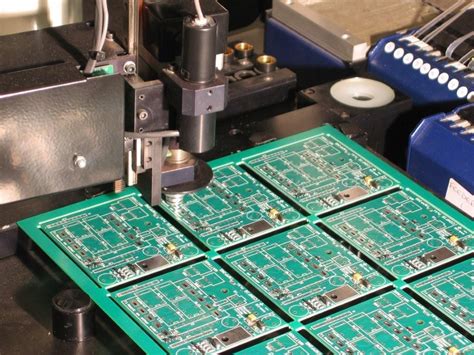
Understanding the process of fabricating a bare PCB is crucial for anyone involved in PCB manufacturing. This intricate procedure begins with selecting the right materials, typically including substrates like FR-4, which provide essential electrical insulation. Once the material is chosen, the first step involves etching copper onto the board to create intricate pathways that will form the electrical connections. These pathways must be precisely designed and accurately reproduced, making it vital for your PCB manufacturing companies to utilize advanced technology and skilled personnel.
Next, your board undergoes various processes to ensure quality. This can involve drilling holes for component placement and applying a masking layer to protect certain areas during soldering. Each stage of this process must be meticulously controlled to manage costs effectively; thus, understanding pcb manufacturing cost is essential for maintaining a viable pcb manufacturing business. The more efficiently you can produce these boards, the more competitive you will be in the marketplace.
Finally, after all steps are completed, thorough testing is conducted. This phase checks for not just functionality but also compliance with industry standards. Identifying errors during this testing phase is imperative as it allows you to make necessary corrections before reaching the consumer market. Hence, developing an efficient bare board fabrication process not only ensures quality but also establishes reliability in your products within the competitive realm of PCB manufacturing.
Testing and Quality Control in Bare Board Fabrication
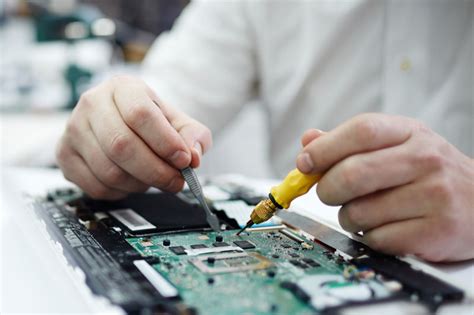
In the realm of bare board fabrication, rigorous testing and quality control are paramount to ensuring the reliability and performance of the final product. As you delve into the intricacies of pcb manufacturing, it’s essential to recognize that each PCB must undergo a series of tests that verify both its structural integrity and its functional capabilities. These tests often include Electrical Test (netlist verification), Visual Inspection, and Functional Testing, all aimed at identifying any faults that could compromise the board’s effectiveness.
Quality control processes are equally significant, as they help monitor various stages of pcb manufacturing for consistent quality outcomes. You will find that pcb manufacturing companies commonly implement automated optical inspection (AOI) systems to enhance defect detection accuracy during the early fabrication phase. This allows for quick rectification of errors, subsequently reducing overall pcb manufacturing cost. By maintaining strict adherence to industry standards, these companies can foster trust among their clients, which is crucial for sustaining a successful pcb manufacturing business in a highly competitive market.
Understanding the importance of detailed testing procedures not only bolsters your knowledge but also equips you with insights necessary for collaborating effectively with manufacturers, thus ensuring that your designs translate seamlessly into functional products.
Common Challenges and Solutions in PCB Fabrication
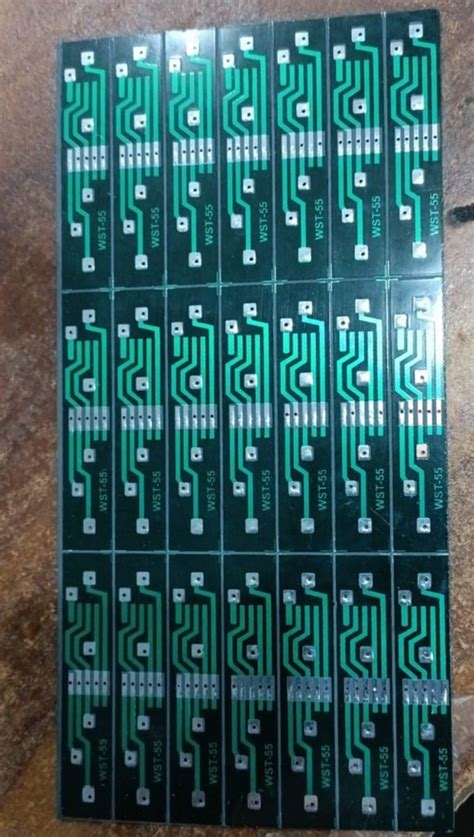
When venturing into PCB manufacturing, you are likely to encounter several challenges that can impact the efficiency and quality of your end product. One of the most prevalent issues is ensuring the precision of bare board fabrication, as even minor errors in design can lead to increased PCB manufacturing costs. Companies often struggle with managing the intricate details that come with component placement, which is why partnering with reputable PCB manufacturing companies is essential. They utilize advanced technologies and techniques to minimize mistakes during production.
Another common challenge is material selection; using subpar materials can affect performance, reliability, and longevity of the printed circuit board. Investigating various options like FR-4 or Rogers materials can guide you to better decisions that align with industry standards. In addition, rigorous testing protocols must be adhered to for quality assurance throughout the entire process. Engaging in continual communication with your selected PCB manufacturing business helps address any questions or concerns, keeping your project on track.
Furthermore, managing production timelines can be daunting. To mitigate delays and overruns, you should establish a well-defined schedule with your PCB manufacturing partners, allowing for effective time management from design through manufacturing stages and ensuring quicker turnarounds.
Lastly, advancements in technology and automation have provided solutions to many fabrication issues. Adopting these innovations not only streamlines production but also enhances overall quality, enabling you to stay competitive within the dynamic landscape of PCB design and fabrication. With these considerations in mind, you will be better equipped to navigate potential hurdles in the PCB fabrication journey effectively.
Future Trends in Bare Board Technology
As the landscape of PCB manufacturing continues to evolve, several key trends are emerging within the realm of bare board fabrication. One notable advancement is the push towards more environmentally friendly materials and processes. Many PCB manufacturing companies are exploring innovative substrates that not only reduce environmental impact but also enhance performance characteristics, such as thermal conductivity and flexibility. Additionally, the integration of automation in the pcb manufacturing business is becoming increasingly prevalent. Automated processes not only streamline production but also improve accuracy and reduce human error, leading to lower overall pcb manufacturing costs.
Moreover, there is a significant focus on miniaturization and increased layer counts in designs, which poses unique challenges for bare board fabrication. The ability to develop high-density interconnect (HDI) boards requires advanced techniques and equipment that can handle tighter tolerances. As a result, you may find that manufacturers are investing heavily in technology upgrades to meet these demands efficiently. The rise of Industry 4.0 technologies, such as IoT and real-time data analytics, is also shaping how bare board technology evolves, allowing for smarter manufacturing solutions that enhance productivity and responsiveness to market changes.
Similarly, there’s a growing trend towards increased customization of bare boards to cater to specific applications, ranging from consumer electronics to automotive uses. As industries move towards more specialized applications, you can expect greater flexibility in design options from pcb manufacturing companies, which will help you achieve precise requirements without compromising on quality or turnaround time.
With these advancements at the forefront of bare board technology, it is essential for designers and engineers like yourself to stay informed about these trends as they directly impact your PCB design projects and overall manufacturing strategies.
Conclusion: Ensuring Design Suitability Through Effective Fabrication
In the realm of PCB manufacturing, the significance of effective bare board fabrication cannot be overstated. A well-fabricated bare board acts as the backbone of your entire design, directly influencing the success of your final product. Understanding the pcb manufacturing cost is crucial; it can determine not only budget constraints but also impact the quality of materials and processes involved. You need to interact closely with pcb manufacturing companies, ensuring that your specifications meet industry standards and that they are capable of producing boards that will support your components seamlessly. Throughout this process, acknowledging common challenges you might encounter—such as inconsistency in material quality or difficulties in achieving precise designs—can inform your decision-making, leading to effective solutions that enhance overall performance. Furthermore, it’s essential to prioritize thorough testing to identify potential errors early in the pcb manufacturing business cycle, which can save significant costs and time while enhancing reliability in your final product design. Ultimately, by focusing on careful fabrication techniques and robust testing methodologies, you will ensure that your bare boards provide a solid foundation for all subsequent design elements—making a notable impact on the success of your PCB projects.
Conclusion: Ensuring Design Suitability Through Effective Fabrication
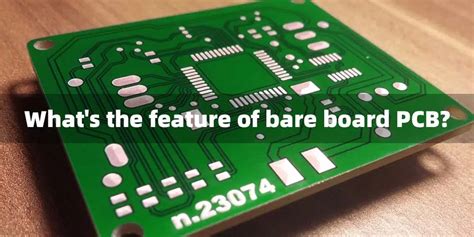
In the realm of PCB manufacturing, the significance of bare board fabrication cannot be overstated. It serves as the foundation for all subsequent processes involved in creating functional printed circuit boards. By thoroughly understanding the intricacies of this initial stage, including the selection of materials and techniques, you can make informed decisions that impact your entire PCB manufacturing business. Each decision you make during this phase will influence the overall pcb manufacturing cost, as well as the reliability and performance of your final product. Effective testing and quality control inherent in this process ensure that the designs align with specifications, allowing for timely error correction and adjustments. In collaborating with reputable pcb manufacturing companies, you’ll find expertise that can lead to innovation in your projects, ultimately enhancing your design’s suitability for its intended function. As you navigate through challenges in bare board fabrication, remember that every effort taken here reinforces the integrity of your final PCB, establishing a strong base for successful outcomes in complex electronic applications.
FAQs
What is bare board fabrication in PCB design?
Bare board fabrication refers to the process of creating a printed circuit board (PCB) without any integrated components or surface finishes. It serves as the essential groundwork for mounting components and allows for thorough testing of electrical functionality.
Why is bare board important in PCB manufacturing?
The bare board is crucial because it forms the basis for assembling electronic devices. It ensures that the layout is suitable and allows you to test electrical connectivity before moving on to component placement, which significantly reduces potential errors.
What materials are commonly used in bare board fabrication?
Typically, materials such as FR-4, a flame-retardant glass-epoxy composite, are used due to their excellent insulation properties and thermal stability. Other materials may include different types of ceramics or flexible substrates depending on the PCB manufacturing business requirements.
How does testing occur during bare board fabrication?
Testing focuses on verifying that electrical pathways are properly established before component soldering. Techniques such as automated optical inspection (AOI) and electrical testing can identify any issues early, thereby minimizing PCB manufacturing costs and improving reliability.
What challenges do PCB manufacturing companies face in bare board fabrication?
One common challenge includes maintaining precise tolerances during fabrication. Variations can lead to significant issues later on during assembly. Additionally, material choices can impact costs and feasibility, making it essential for you to work closely with your PCB manufacturing business.
For more information about efficient PCB manufacturing, please click here: Andwin PCB Manufacturing.