Understanding Blank PCB Boards: The Foundation of Modern Electronics
Introduction
In the world of electronics, Printed Circuit Boards (PCBs) are the backbone of nearly every device we use today. From smartphones and laptops to medical equipment and automotive systems, PCBs are essential for connecting and supporting electronic components. At the heart of every PCB lies the blank PCB board, a crucial starting point in the manufacturing process. This article delves into the intricacies of blank PCB boards, exploring their composition, types, manufacturing processes, applications, and the future of this fundamental technology.
What is a Blank PCB Board?
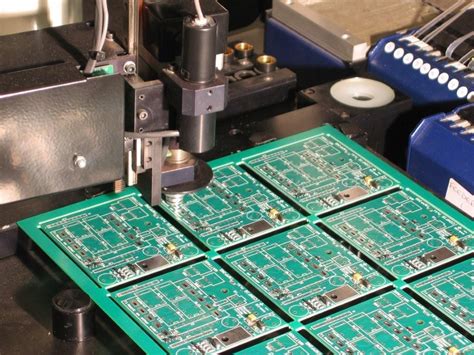
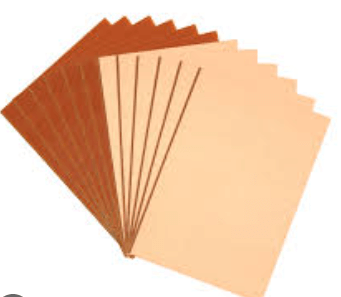
A blank PCB board, also known as a bare PCB, is the foundational substrate upon which electronic components are mounted and interconnected. It consists of a non-conductive substrate material, typically fiberglass-reinforced epoxy resin (FR-4), laminated with a thin layer of conductive copper. The copper layer is etched to create the desired circuit pattern, which forms the electrical connections between components.
Blank PCB boards come in various forms, including single-sided, double-sided, and multi-layer configurations. The choice of board type depends on the complexity of the circuit and the specific application requirements.
Composition of Blank PCB Boards
- Substrate Material: The substrate, or base material, is the core of the blank PCB board. It provides mechanical support and electrical insulation. The most common substrate material is FR-4, a composite of woven fiberglass cloth and epoxy resin. FR-4 is known for its excellent electrical insulation properties, mechanical strength, and thermal stability.
- Copper Layer: The copper layer is laminated onto the substrate and serves as the conductive pathway for electrical signals. The thickness of the copper layer can vary depending on the current-carrying requirements of the circuit. Common copper weights include 1 oz (35 µm) and 2 oz (70 µm).
- Solder Mask: The solder mask is a protective layer applied over the copper traces to prevent oxidation, solder bridges, and short circuits. It also provides insulation and improves the board’s durability. The solder mask is typically green, but other colors are available for aesthetic or functional purposes.
- Silkscreen: The silkscreen layer is used to print component labels, logos, and other identifying information on the PCB. This layer aids in the assembly process and helps technicians identify components during troubleshooting and repair.
Types of Blank PCB Boards
- Single-Sided PCBs: Single-sided PCBs have a single layer of copper on one side of the substrate. These boards are the simplest and most cost-effective to manufacture, making them ideal for low-complexity circuits and mass-produced consumer electronics.
- Double-Sided PCBs: Double-sided PCBs have copper layers on both sides of the substrate, allowing for more complex circuit designs. Vias (plated through-holes) are used to connect the copper layers, enabling components to be mounted on both sides of the board.
- Multi-Layer PCBs: Multi-layer PCBs consist of three or more copper layers separated by insulating layers. These boards are used in high-density and high-performance applications, such as computer motherboards, telecommunications equipment, and aerospace systems. The layers are interconnected using vias, which can be through-hole, blind, or buried.
- Flexible PCBs: Flexible PCBs are made from flexible substrate materials, such as polyimide, allowing them to bend and conform to different shapes. These boards are used in applications where space and weight are critical, such as wearable devices, medical implants, and automotive electronics.
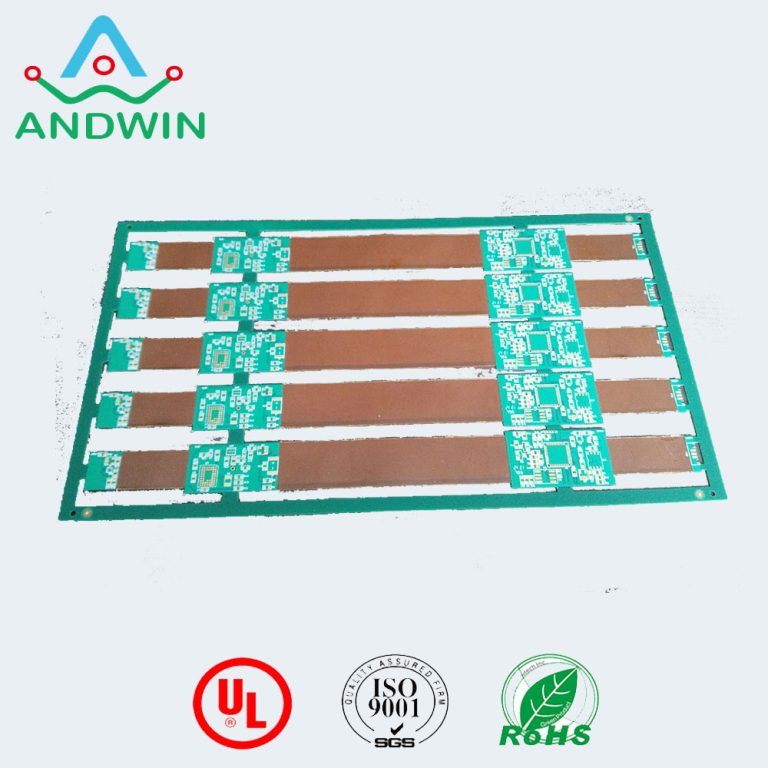
- Rigid-Flex PCBs: Rigid-flex PCBs combine the benefits of rigid and flexible PCBs. They consist of rigid and flexible sections that are interconnected, providing both structural stability and flexibility. These boards are used in complex applications, such as military and aerospace systems, where reliability and space optimization are paramount.
Manufacturing Process of Blank PCB Boards
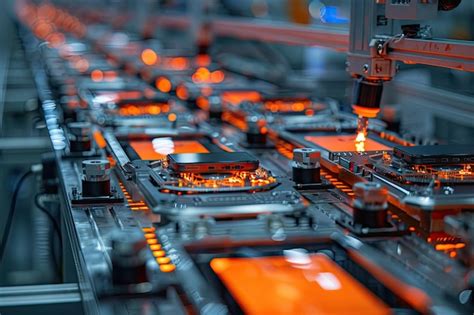
The manufacturing process of blank PCB boards involves several steps, each requiring precision and attention to detail. The process can be broadly divided into the following stages:
- Design and Layout: The first step in manufacturing a blank PCB board is designing the circuit layout using specialized software, such as Altium Designer or Eagle. The design includes the placement of components, routing of traces, and creation of vias. Once the design is finalized, it is exported as Gerber files, which contain the necessary information for manufacturing.
- Substrate Preparation: The substrate material is cut to the required size and shape. For multi-layer PCBs, the individual layers are prepared separately before being laminated together.
- Copper Lamination: A thin layer of copper is laminated onto the substrate using heat and pressure. For double-sided and multi-layer PCBs, copper is laminated on both sides or multiple layers, respectively.
- Drilling: Holes are drilled into the board to accommodate through-hole components and vias. The drilling process is automated and requires high precision to ensure accurate alignment.
- Plating: The drilled holes are plated with copper to create electrical connections between layers. This process, known as electroplating, involves depositing a thin layer of copper onto the walls of the holes.
- Etching: The copper layer is etched to remove unwanted copper and create the desired circuit pattern. The etching process involves applying a photoresist layer, exposing it to UV light through a photomask, and then chemically etching away the exposed copper.
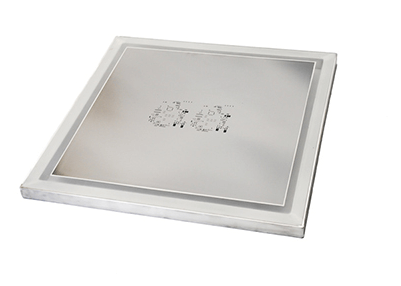
- Solder Mask Application: The solder mask is applied over the copper traces to protect them from oxidation and prevent solder bridges. The solder mask is typically applied using a screen-printing process and then cured using UV light.
- Silkscreen Printing: The silkscreen layer is printed onto the board to add component labels, logos, and other identifying information. This step is usually performed using a screen-printing process.
- Surface Finish: The exposed copper pads are coated with a surface finish to protect them from oxidation and improve solderability. Common surface finishes include HASL (Hot Air Solder Leveling), ENIG (Electroless Nickel Immersion Gold), and OSP (Organic Solderability Preservative).
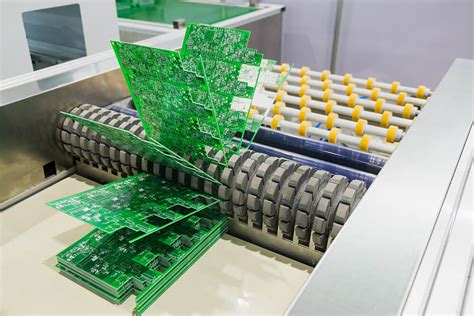
- Testing and Inspection: The finished blank PCB board undergoes electrical testing and visual inspection to ensure it meets the required specifications. Automated optical inspection (AOI) and electrical testing are commonly used to detect defects and verify the integrity of the circuit.
Applications of Blank PCB Boards
Blank PCB boards are used in a wide range of applications across various industries. Some of the most common applications include:
- Consumer Electronics: Blank PCB boards are the foundation of consumer electronics, such as smartphones, tablets, laptops, and televisions. These devices require high-density and high-performance PCBs to accommodate the increasing complexity of modern electronics.
- Automotive Electronics: The automotive industry relies on blank PCB boards for various electronic systems, including engine control units (ECUs), infotainment systems, and advanced driver-assistance systems (ADAS). Automotive PCBs must withstand harsh environmental conditions, such as temperature extremes, vibration, and moisture.
- Medical Devices: Medical devices, such as pacemakers, imaging equipment, and diagnostic tools, require highly reliable and precise PCBs. Blank PCB boards used in medical applications must meet stringent regulatory standards and ensure patient safety.
- Industrial Equipment: Industrial equipment, such as programmable logic controllers (PLCs), robotics, and power supplies, rely on blank PCB boards for control and automation. These PCBs must be durable and capable of operating in demanding industrial environments.
- Aerospace and Defense: The aerospace and defense industries require high-reliability PCBs for critical applications, such as avionics, communication systems, and missile guidance systems. Blank PCB boards used in these applications must meet rigorous performance and reliability standards.
- Telecommunications: Telecommunications equipment, such as routers, switches, and base stations, rely on blank PCB boards for high-speed data transmission and signal processing. These PCBs must support high-frequency signals and ensure minimal signal loss.
The Future of Blank PCB Boards
As technology continues to advance, the demand for more complex and high-performance PCBs is expected to grow. Several trends are shaping the future of blank PCB boards:
- Miniaturization: The trend towards smaller and more compact electronic devices is driving the need for miniaturized PCBs. This includes the development of high-density interconnect (HDI) PCBs, which feature finer traces, smaller vias, and increased layer counts.
- Flexible and Rigid-Flex PCBs: The demand for flexible and rigid-flex PCBs is increasing, particularly in wearable devices, medical implants, and automotive electronics. These PCBs offer greater design flexibility and can be tailored to fit unique form factors.
- Advanced Materials: The development of advanced substrate materials, such as high-frequency laminates and thermally conductive materials, is enabling the production of PCBs with improved performance and reliability. These materials are particularly important for high-speed and high-power applications.
- Sustainability: The electronics industry is increasingly focused on sustainability, and this extends to PCB manufacturing. Efforts are being made to develop eco-friendly materials, reduce waste, and improve the recyclability of PCBs.
- Additive Manufacturing: Additive manufacturing, or 3D printing, is emerging as a potential game-changer in PCB production. This technology allows for the rapid prototyping and production of complex PCB designs, reducing lead times and costs.
Conclusion
Blank PCB boards are the unsung heroes of modern electronics, providing the foundation upon which countless devices are built. From their composition and manufacturing process to their diverse applications and future trends, blank PCB boards play a critical role in shaping the technology we rely on every day. As the demand for more advanced and reliable electronics continues to grow, the importance of blank PCB boards will only increase, driving innovation and pushing the boundaries of what is possible in the world of electronics.