Understanding EMS PCBA Solutions for Modern Electronics
Key Takeaways
In today’s rapidly evolving electronics landscape, EMS PCBA solutions play a pivotal role in ensuring the reliability and performance of electronic devices. Printed Circuit Board Assembly (PCBA) is not merely a manufacturing step; it is integral to the overall functionality and user experience of devices that we rely on daily. Companies increasingly harness the advantages of EMS PCBA, which include reduced production costs, enhanced design flexibility, and the capacity to meet stringent time-to-market demands. The collaboration between design and manufacturing processes within pcb assembly leads to innovative solutions that cater to modern consumer needs. Emphasizing quality assurance in every stage of the PCBA lifecycle is vital, as it ensures that each component adheres to high standards, ultimately result in high-performing electronic devices. Furthermore, keeping abreast with the latest trends can help organizations leverage cutting-edge technologies that can drive efficiency and sustainability in their EMS PCBA operations. This journey through the intricacies of pcb assembly reinforces its significant impact on advancing modern electronics and opens up pathways for future improvements and innovations in the sector.
The Evolution of EMS PCBA Solutions in Electronics Manufacturing
The landscape of EMS PCBA solutions has undergone significant transformation over the years, reflecting the rapid advancements in technology and the ever-increasing demand for efficient and reliable electronic devices. Initially focused on basic pcb assembly, early models were predominantly characterized by manual processes and limited technology integration. However, with the advent of automation and enhanced materials, today’s PCBA processes have evolved into highly sophisticated systems designed to accommodate complex circuit designs and optimize production efficiency.
This evolution can be encapsulated in several key phases. The first phase involved basic component placement and soldering techniques, primarily utilizing through-hole components. As surface mount technology (SMT) emerged, manufacturers quickly adapted to incorporate these components, which allowed for denser layouts on PCBs and smaller overall designs. This shift not only enhanced performance but also reduced manufacturing costs.
In recent years, a pivotal trend has been the integration of smart manufacturing principles within EMS PCBA solutions. This involves utilizing advanced technologies such as Internet of Things (IoT) devices and data analytics to monitor production lines in real-time, ensuring high standards of quality while minimizing waste. Furthermore, as competition intensifies within various industries, manufacturers are increasingly recognizing the importance of flexibility and scalability in their production processes.
"Adaptability is key in a fast-paced electronics market where consumer demands are continuously changing."
As we look toward the future, EMS PCBA solutions will likely continue evolving through innovations such as artificial intelligence (AI) applications for predictive maintenance and enhanced automation techniques that further streamline the pcb assembly process. Thus, understanding this evolution is crucial for stakeholders aiming to remain competitive in an increasingly demanding electronics landscape.
| Evolution Phase | Key Features | Impact on Electronics |
|---|---|---|
| Early Manual Processes | Limited technology with manual labor | Basic functionality |
| Surface Mount Technology | Densely packed layouts | Smaller devices with improved efficiency |
| Smart Manufacturing | Real-time monitoring | Higher quality control and reduced waste |
Through each stage of development, EMS PCBA solutions have become indispensable in shaping modern electronics manufacturing practices. Keeping abreast of these advancements is essential for anyone involved in designing, manufacturing, or utilizing electronic components today.
Key Components of EMS PCBA: What You Need to Know
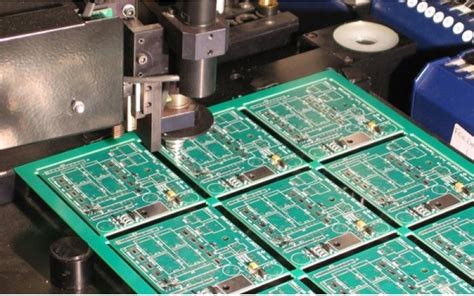
Understanding the key components of EMS PCBA (Electronics Manufacturing Services Printed Circuit Board Assembly) is crucial for anyone involved in the development and production of modern electronic devices. The process encompasses several critical elements that interact to ensure a seamless transition from concept to finished product. At the heart of pcb assembly are the printed circuit boards themselves, which serve as the foundational platform where various electronic components are mounted.
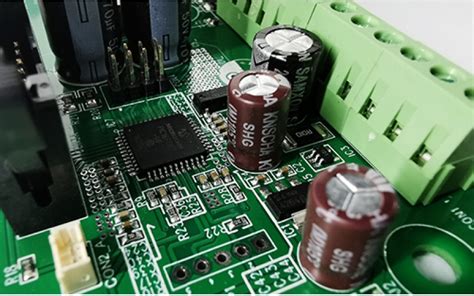
These components can include resistors, capacitors, and integrated circuits, each playing a vital role in the functionality of the final device. In addition to electronic parts, factors such as soldering techniques—whether surface mount technology (SMT) or through-hole—greatly influence the efficiency and reliability of pcba processes. Furthermore, modern EMS providers incorporate advanced manufacturing techniques that enhance precision and reduce defects, which is essential for maintaining high-quality standards demanded by today’s complex devices.
Additionally, effective supply chain management and logistics are integral to the success of EMS PCBA solutions; they ensure that components arrive on time and are readily available for production needs. For companies seeking to stay competitive, understanding these components contributes significantly not only to optimizing production cycles but also to fostering innovation in a rapidly evolving electronics market. Thus, appreciating each element’s role enables manufacturers to develop more advanced electronic devices with reliability and efficiency at their core.
Advantages of EMS PCBA Solutions for Electronic Devices
Electronic devices continue to evolve at an unprecedented pace, and EMS PCBA (Electronics Manufacturing Services Printed Circuit Board Assembly) solutions play a crucial role in this transformation. One of the main advantages of EMS PCBA solutions is their ability to streamline the pcb assembly process, leading to significant improvements in production efficiency and cost-effectiveness. By leveraging advanced technologies and automated systems, manufacturers can achieve a higher degree of precision and consistency during the pcba process, minimizing errors that can lead to defective products. Additionally, these services provide valuable expertise in managing complex designs and integrating multiple components on a single board, which enhances the overall functionality of electronic devices.
Another notable benefit is the flexibility that EMS PCBA solutions offer. This adaptability allows manufacturers to easily scale production up or down based on market demands, helping companies respond swiftly to trends without incurring excessive costs. Moreover, many EMS providers have access to a global network of suppliers and resources, which further enhances their ability to source high-quality materials at competitive prices.
Importantly, EMS PCBA solutions also emphasize quality assurance throughout the manufacturing process. With rigorous testing protocols in place, manufacturers can ensure that each assembled board meets industry standards and delivers reliable performance. This commitment to quality helps build consumer trust and reduces the likelihood of costly recalls or repairs down the line.
In summary, the advantages provided by EMS PCBA solutions, from improved production efficiency and flexibility to enhanced quality assurance, are vital for keeping pace with consumer demands for high-performance electronic devices in an increasingly competitive market.
Trends Transforming EMS PCBA Processes in Modern Industries
The landscape of EMS PCBA (Electronics Manufacturing Services Printed Circuit Board Assembly) is undergoing significant transformation, largely driven by advancements in technology and changing market demands. One key trend is the integration of smart manufacturing practices, where data analytics and automation play crucial roles in optimizing pcb assembly processes. This shift not only enhances efficiency but also improves the precision of each pcba, ensuring that manufacturers can meet the evolving needs of advanced electronic devices. Additionally, the demand for smaller, more complex electronics has prompted an increase in customized solutions tailored to specific applications, making it vital for EMS providers to adopt agile methodologies that can quickly adapt to these changes. Furthermore, the rise of sustainability as a core value in manufacturing is influencing how companies approach EMS PCBA solutions; sustainable practices now extend beyond mere compliance, reflecting an industry commitment to minimal environmental impact throughout the pcb assembly lifecycle. Overall, these trends are reshaping EMS PCBA processes, highlighting the importance of innovation and adaptability in a competitive market.
Quality Assurance Practices in EMS PCBA Manufacturing
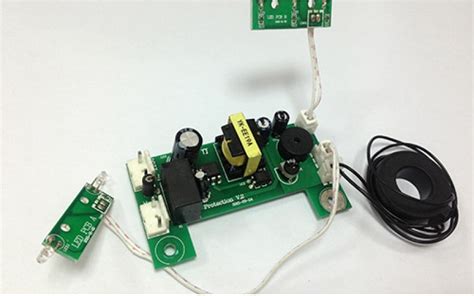
In the realm of EMS PCBA (Electronics Manufacturing Services Printed Circuit Board Assembly), quality assurance is paramount to ensure that electronic devices meet stringent performance and reliability standards. A robust quality assurance framework incorporates various stages, beginning from the design phase through to final assembly. Manufacturers implement rigorous testing methodologies such as Automated Optical Inspection (AOI), X-ray inspections, and functional testing to detect any anomalies in the pcb assembly process. These practices not only help in identifying defects early but also contribute significantly to reducing waste and enhancing overall efficiency. Furthermore, adherence to international quality standards, such as ISO 9001, ensures that customers receive a product built on the principles of excellence and reliability. By prioritizing these quality assurance practices, EMS providers can enhance their competitive edge in a rapidly evolving electronics market, ultimately leading to greater customer satisfaction and retention. Moreover, continuous improvement processes are integral, involving regular training for staff on the latest quality techniques related to pcba manufacturing. Thus, the commitment to quality assurance plays a vital role in shaping the future of EMS and ensuring that advanced electronic devices consistently meet consumer expectations.
Environmental Considerations in EMS PCBA Solutions
In the realm of modern electronics, the importance of Environmental Considerations in EMS PCBA (Electronics Manufacturing Services Printed Circuit Board Assembly) solutions cannot be overstated. As the demand for pcb assembly processes grows, manufacturers are increasingly adopting sustainable practices to minimize environmental impact. This includes the use of environmentally friendly materials, such as lead-free solder and recyclable components, which contribute to a greener lifecycle for electronic products. Furthermore, manufacturers are exploring energy-efficient production methods to reduce carbon footprints during the pcba process. The integration of waste management systems also plays a pivotal role in ensuring that materials are disposed of or recycled responsibly. Adopting these environmental considerations not only adheres to regulatory standards but also enhances a company’s reputation among environmentally conscious consumers. Moreover, as technological advancements continue to evolve, there remains a constant drive for innovation in developing more sustainable solutions within the EMS PCBA landscape, making it vital for organizations to prioritize environmental stewardship in their manufacturing practices. This multifaceted approach fosters a balance between operational efficiency and sustainability, ultimately leading to more responsible electronic production methods that benefit both industry stakeholders and the planet alike.
Future Directions for EMS PCBA Technology and Innovation
As the demand for advanced electronic devices continues to surge, the EMS PCBA (Electronics Manufacturing Services Printed Circuit Board Assembly) industry is poised for groundbreaking transformations. The integration of automation, artificial intelligence, and machine learning into pcb assembly processes offers unprecedented efficiency gains, driving faster production cycles and enhancing precision. Moreover, the rise of smart manufacturing techniques is revolutionizing traditional practices, enabling real-time data collection and analysis for continuous quality improvement in pcba operations. Future innovations will likely focus on increasing the use of modular design architectures, which facilitate scalability and customizability in assembly lines. Furthermore, as sustainability becomes a dominant theme in manufacturing, research into eco-friendly materials and processes for EMS PCBA will play a pivotal role in shaping competitive advantages in the industry. In this landscape of rapid change, companies that can adapt to these trends while maintaining rigorous quality standards are set to lead the charge in defining the future of electronic assembly solutions.
Conclusion
In the rapidly evolving landscape of modern electronics, the role of EMS PCBA solutions has become increasingly pivotal. As manufacturers seek to enhance efficiency and effectiveness in their production workflows, the importance of expert pcb assembly services is undeniable. These solutions not only streamline the manufacturing process but also guarantee that final products meet rigorous quality standards. The integration of advanced technologies in pcba processes facilitates rapid prototyping, reduces time to market, and allows for greater customization tailored to specific client needs. Moreover, as industries increasingly prioritize sustainability, EMS providers are also focusing on eco-friendly practices within their pcb assembly operations. This proactive approach not only responds to market demands for cleaner production methods but also ensures compliance with evolving environmental regulations. Furthermore, keeping an eye on emerging trends will enable manufacturers to remain competitive and innovative in this dynamic sector. As we look ahead, continued advancements in EMS PCBA technology will undoubtedly shape the future landscape of electronic manufacturing, presenting new opportunities for efficiency, functionality, and sustainability.
FAQs
What is EMS PCBA?
EMS PCBA stands for Electronic Manufacturing Services for Printed Circuit Board Assembly. It involves the outsourcing of manufacturing and assembly processes of electronic devices to specialized companies.
What are the benefits of using EMS PCBA solutions?
Utilizing EMS PCBA solutions can significantly improve efficiency, reduce time-to-market, and lower production costs. These services help companies focus on their core competencies while achieving high-quality pcb assembly products.
How do EMS and PCBA relate to one another?
EMS encompasses a broad range of services beyond just pcb assembly, including design, manufacturing, testing, and logistics. PCBA, on the other hand, is specifically about assembling the components onto a circuit board.
What role do quality assurance practices play in EMS PCBA?
Quality assurance is critical in EMS PCBA manufacturing, as it ensures that every assembled board meets stringent standards. This reduces the risk of defects and enhances customer satisfaction.
Are there environmental considerations with EMS PCBA solutions?
Yes, many companies are now prioritizing sustainability in their pcb assembly processes, focusing on eco-friendly materials and minimizing waste throughout the production cycle.