Understanding Flex PCB Pricing and Its Cost Drivers
Key Takeaways
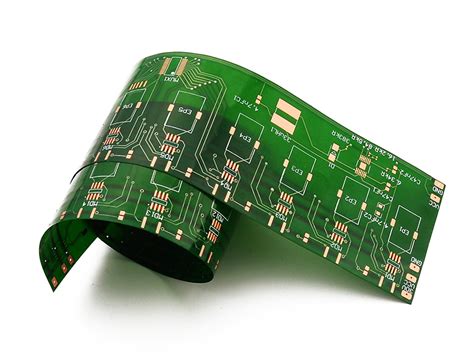
In the realm of flex PCB pricing, understanding the factors that lead to various costs is crucial for anyone involved in the pcb manufacturing business. As you navigate through the intricacies of pcb manufacturing companies, you’ll find that flex PCBs often come at a premium compared to rigid boards due to several key aspects. These include material quality, design complexity, and the specialized processes involved in production.
For instance, high-grade materials, such as polyimide, are commonly used in flex PCBs but can substantially increase the overall pcb manufacturing cost. Additionally, the intricate designs often required for flexible circuits necessitate more advanced production techniques and quality control measures, thereby influencing costs further.
Here’s a simplified comparison of factors affecting pricing in flex PCBs versus rigid boards:
| Factor | Flex PCB | Rigid PCB |
|---|---|---|
| Material Costs | Higher | Moderate |
| Manufacturing Complexity | High | Lower |
| Design Customization | Extensive | Limited |
| Production Time | Longer | Shorter |
“Choosing the right pcb manufacturing company can significantly affect your product’s market viability and pricing strategy.”
Ultimately, staying informed about these cost drivers will empower you to make better decisions regarding your projects involving flexible circuits. By considering these elements, you can better evaluate potential suppliers and plan your budget effectively for future projects.
Introduction to Flex PCB Pricing
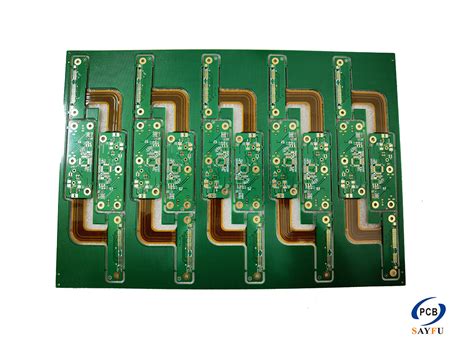
When you delve into the world of flex PCB pricing, it’s essential to understand several underlying factors that differentiate it from traditional rigid boards. Unlike standard printed circuit boards, the pcb manufacturing process for flex circuits involves specialized techniques that cater to their unique characteristics, which naturally influences the pcb manufacturing cost. You may notice that many pcb manufacturing companies offer varied pricing, reflecting differences in material quality, design complexity, and technological advancements in manufacturing processes. The use of advanced materials and sophisticated designs can lead to increased production expenses. Additionally, the demand for flex PCBs in various applications—ranging from consumer electronics to aerospace—can exacerbate pricing differences. As you learn about these factors, remember that understanding flex PCB pricing requires a holistic view of the pcb manufacturing business ecosystem and how each component contributes to the final cost. With this perspective, you’ll be better equipped to navigate your options in this growing segment of electronics. For a comprehensive look at what influences these costs further, feel free to check out more details at Andwin PCB.
Comparison of Costs: Flex PCBs vs. Rigid Boards
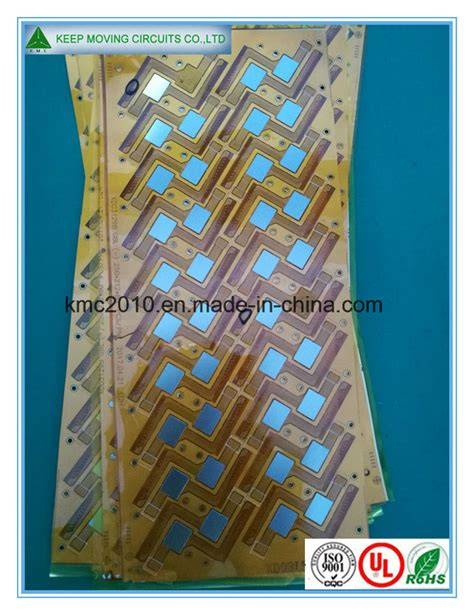
When assessing flex PCB pricing, it is essential to draw a comparison to rigid boards. At first glance, the costs associated with flex PCBs may appear significantly higher than those for their rigid counterparts. This disparity can largely be attributed to the specialized processes involved in PCB manufacturing for flexible circuits. For instance, the materials used in flex PCB manufacturing, such as polyimide or polyester, often come at a premium compared to the substrates utilized for rigid boards. Moreover, these materials facilitate unique properties like bendability and lightweight design, which are crucial for many applications but can elevate the overall PCB manufacturing cost.
In addition to materials, the complexity of manufacturing processes plays a vital role in driving costs upwards. Rather than simply layering and etching, flexible circuit production may require advanced techniques that include specialized handling and intricate design layouts. This complexity often leads to increased labor and equipment expenses among PCB manufacturing companies, resulting in higher costs transferred to consumers.
Moreover, while evaluating your options for a PCB manufacturing business, it is valuable to consider how economies of scale might affect pricing dynamics. Large-scale production can sometimes mitigate costs through bulk purchasing and streamlined operations; however, small-volume runs may still face elevated prices due to the inherent challenges of handling flexible substrates.
Understanding this cost comparison not only illuminates why flex PCBs are generally pricier but also highlights their value potential in an array of innovative applications where flexibility and performance are paramount.
Understanding the Components of Flex PCB Manufacturing
In order to grasp the intricacies of flex PCB pricing, it’s essential to understand the various components involved in PCB manufacturing. Flex PCBs, known for their adaptability and lightweight characteristics, require advanced technology and specialized processes that inherently influence the PCB manufacturing cost. Each stage of production, from material selection to the layer-building process, can significantly impact the final price. The types of materials utilized—such as polyimide or polyester—are crucial, as they directly affect both the flexibility and durability of the circuit. Additionally, PCB manufacturing companies often face challenges related to design complexity; intricate designs necessitate more meticulous production techniques and sophisticated machinery, which can drive costs higher. The integration of multiple layers and the demand for precise fabrication techniques contribute to an overall increase in expenses compared to traditional rigid boards. Hence, a nuanced understanding of these components is vital for evaluating why flex PCBs are typically more expensive than their rigid counterparts. As you explore options within your PCB manufacturing business, awareness of these factors will empower you to make informed decisions that align with your budgetary expectations while maintaining quality standards.
Key Factors Contributing to Higher Costs in Rigid Flex Circuits
When evaluating the pcb manufacturing landscape, particularly concerning rigid flex circuits, several key factors contribute to their higher costs compared to traditional printed circuit boards (PCBs). First and foremost, the complexity of design plays a significant role; these circuits often require intricate layouts and multiple layers, which demand advanced techniques and higher precision during the manufacturing process. This increased complexity leads to a higher pcb manufacturing cost, as manufacturers must utilize specialized machinery and skilled labor to achieve the desired quality and functionality.
Additionally, the materials used in rigid flex circuit production are typically more expensive than those found in standard PCB construction. For example, high-performance flexible substrates or advanced adhesive materials are essential for ensuring durability and reliability under various conditions. Moreover, the limited number of pcb manufacturing companies that are capable of producing these sophisticated circuits creates a competitive yet constrained market, further driving up costs. Effectively managing these factors is crucial for any business looking to thrive in the pcb manufacturing business, as understanding these cost drivers is vital for strategic pricing and operational efficiency. Ultimately, recognizing the interplay of design intricacies and material choices empowers you to make informed decisions about your project’s budget and overall feasibility.
The Role of Materials in Flex PCB Pricing
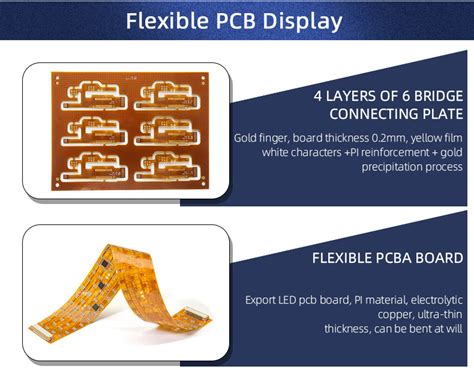
When it comes to flex PCB pricing, the choice of materials is a pivotal factor that significantly influences the overall pcb manufacturing cost. In the world of pcb manufacturing, high-quality materials are essential for ensuring that the circuits are flexible, durable, and capable of performing under various stress conditions. Common materials used in flex PCBs include polyimide and polyester films, which possess unique properties such as high thermal stability and excellent chemical resistance. These characteristics come with a premium price tag, contributing to a higher cost than traditional rigid boards. Moreover, different combinations of materials can lead to varying levels of performance and flexibility, further affecting pricing structures offered by various pcb manufacturing companies. If you find yourself navigating the complexities of pcb manufacturing, it is crucial to understand how material selection impacts not just performance but also the long-term economics of your projects in the pcb manufacturing business. Therefore, meticulous consideration regarding material choices should be a priority if you aim for optimal functionality while managing costs efficiently.
Design Complexity and Its Impact on Cost
The design complexity of flexible printed circuit boards (flex PCBs) plays a crucial role in determining the overall pcb manufacturing cost. When you consider how the intricate designs of flex PCBs often involve multiple layers, bending, and precise component placements, it’s clear why this type of circuit can be more expensive compared to traditional rigid boards. Your choice of pcb manufacturing companies can greatly affect this aspect, as not all companies have the same capabilities or technologies to handle complex designs efficiently. Additionally, as you navigate through the pcb manufacturing business, it becomes evident that factors such as the thickness of materials, trace widths, and the need for specialty coatings can heighten costs. Each design decision not only alters the functionality but also impacts production timelines and labor requirements – all contributing to pcb manufacturing costs. Understanding these elements is vital if you’re looking to optimize your designs while keeping expenses in check; otherwise, you might inadvertently increase your project’s budget due to overlooked complexities inherent in flex PCB design.
Market Trends Influencing Flex PCB Prices
When considering flex PCB pricing, it is essential to understand the prevailing market trends that directly affect these costs. As technology evolves, pcb manufacturing companies are increasingly adopting advanced materials and production techniques, which can drive up the pcb manufacturing cost. One notable trend is the growing demand for lightweight and compact electronic devices, spurring innovation in flexible circuit designs. As a result, you may notice that production costs have risen due to the need for high-quality materials that enhance product durability while maintaining flexibility. Additionally, fluctuations in raw material prices and supply chain disruptions can place further pressure on pcb manufacturing business operations. Moreover, as more industries embrace sustainability, you might see an increase in demand for eco-friendly materials and processes within the flexible PCB sector. Keeping an eye on these trends will help you make informed decisions when navigating the complexities of flex PCB pricing.
Conclusion: Making Sense of Flex PCB Economics
Understanding the flex PCB pricing landscape can be complex, especially when considering the various aspects that contribute to the pcb manufacturing cost. You may find that one of the prominent factors affecting costs is the inherent design and flexibility that flexible circuits offer compared to traditional rigid boards. Your experience with pcb manufacturing companies might reveal that these entities frequently face elevated costs associated with high-quality materials and advanced manufacturing techniques required for producing high-performance flexible boards. Furthermore, think about how the intricacies of flex designs demand a unique approach, effectively increasing labor and production time, which ultimately raises your total investment in the pcb manufacturing business. As the market continues to evolve, staying informed about current trends and potential shifts can provide valuable insights into future pricing strategies. By understanding these economic drivers, you can make more informed decisions when budgeting for flex PCB projects and navigate your way through this specialized segment of pcb manufacturing with greater confidence.
Conclusion: Making Sense of Flex PCB Economics
In summary, understanding the flex PCB price involves considering various factors influencing the overall pcb manufacturing cost. The intricate processes and high-quality materials required for flexible circuit production add complexity to the operations of pcb manufacturing companies. You may find that design choices, production scale, and specific material requirements significantly impact your estimates. As you dive into the relationship between costs and manufacturing techniques, it’s clear that a well-informed approach to pcb manufacturing business strategies can lead to better budget management and project planning. By grasping the nuances of how prices are determined, you can make more informed decisions that align with your project’s specific needs while navigating the landscape of flex PCBs effectively. Moreover, a clear comprehension of market trends can position you advantageously in a competitive environment where innovation meets cost efficiency.
FAQs
What are Flex PCBs and how do they differ from rigid boards?
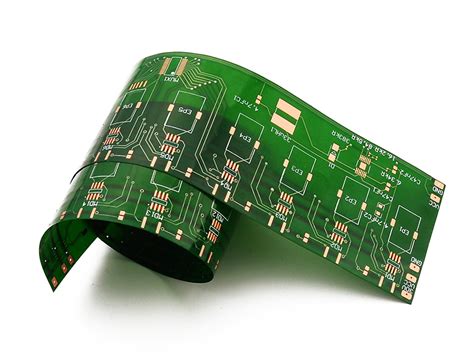
Flex PCBs are flexible printed circuit boards that can bend and twist, allowing for designs that traditional rigid boards cannot accommodate. This flexibility often means additional complexities in pcb manufacturing, leading to a variance in costs.
Why are flex PCBs more expensive than rigid boards?
The pcb manufacturing cost for flex PCBs tends to be higher due to factors like material selection, design intricacies, and the specialized processes employed by pcb manufacturing companies. This ultimately reflects the advanced capabilities that flex PCBs offer in integration and space-saving designs.
What materials are typically used in Flex PCB production?
Common materials include polyimide and polyester films, essential for enabling flexibility while maintaining performance standards. The choice of materials significantly influences the overall pcb manufacturing cost, as higher-quality options can enhance durability and functionality.
Do design complexities impact the pricing of Flex PCBs?
Absolutely. Designs that require intricate routing or multi-layer configurations contribute to increased labor and production costs. The complexity of a design directly correlates with its cost during the pcb manufacturing business, making it a crucial factor to consider.
How do market trends impact flex PCB pricing?
Market demand for electronic devices utilizing flex PCBs influences pricing trends, as increased demand may result in elevated costs due to limited supply or higher raw material prices.
For more information about pcb manufacturing, please click here: Andwin PCB Manufacturing.