Understanding Flexible Aluminum PCBs and Their Advantages
Key Takeaways
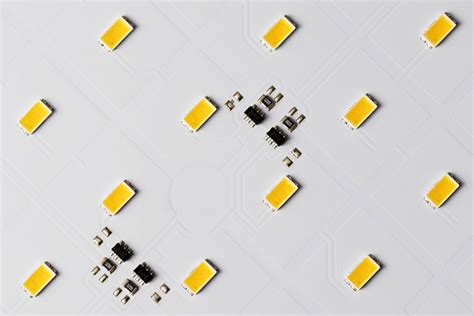
When considering flexible aluminum PCBs, it’s crucial to understand their unique properties and the advantages they bring to various electronic applications. These substrates stand out due to their remarkable bendability, making them suitable for products with limited space and complex geometries. Not only do they offer significant thermal management capabilities, ensuring that devices remain cool under heavy workload, but they also contribute to overall efficiency in performance.
The pcb manufacturing process for flexible aluminum PCBs differs from traditional methods, allowing for innovative designs that cater to the ever-evolving demands of technology. PCB manufacturing companies increasingly focus on this segment due to the rising interest in cost-effective solutions, enhancing their competitiveness in the market. Furthermore, with relatively lower pcb manufacturing costs compared to other substrates, designers are finding more opportunities to venture into advanced applications without breaking budgets.
Understanding these aspects is essential for anyone involved in the pcb manufacturing business, as it equips you with insights into capitalizing on the growing demand for flexible solutions in electronics. As you explore flexible aluminum PCBs, keep an eye on how they optimize not only product design but also operational efficiency, potentially reshaping standards within your projects.
| Feature | Flexible Aluminum PCB | Traditional PCB |
|---|---|---|
| Bendability | High | Low |
| Thermal Management | Excellent | Moderate |
| Cost-Effectiveness | Strong | Variable |
| Typical Applications | LED technology, Wearables, Automotive Electronics | General electronics |
By capitalizing on these benefits, you can position your projects at the forefront of innovation and efficiency, adapting seamlessly to future technological advancements.
Introduction to Flexible Aluminum PCBs
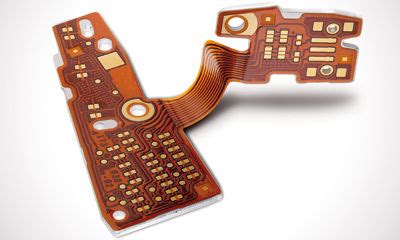
In the ever-evolving landscape of electronics, flexible aluminum PCBs stand out as a revolutionary solution for modern devices. These innovative circuits combine the flexibility of traditional substrates with the benefits of aluminum, offering a unique approach to pcb manufacturing. By understanding the infrastructure behind flexible aluminum PCBs, you can appreciate their role in minimizing pcb manufacturing costs while enhancing functionality. The blend of conductivity and thermal management provided by aluminum substrates allows for unparalleled bendability without compromising performance. For manufacturers and developers engaged in pcb manufacturing businesses, these substrates offer the opportunity to create compact and lightweight electronic designs that can withstand demanding environments. As you explore various pcb manufacturing companies, consider those that specialize in flexible solutions, as they may lead the way in adopting these advanced materials to meet your design needs efficiently. With their distinctive structural properties, flexible aluminum PCBs are becoming increasingly preferred for applications requiring adaptability and heat dissipation, paving the way for a more streamlined future in electronics. For more information about PCB solutions, you can visit Andwin PCB.
The Structure and Composition of Flexible Aluminum PCBs
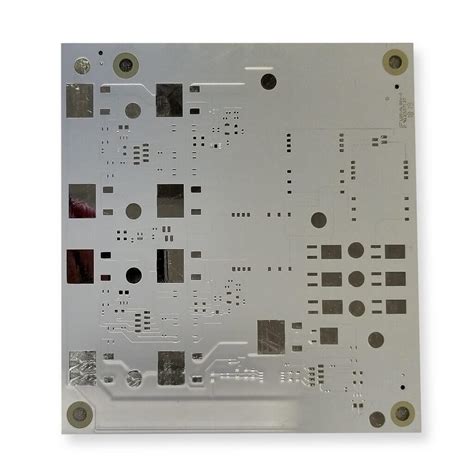
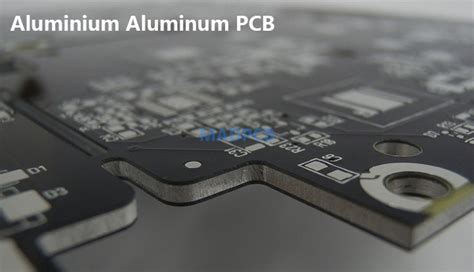
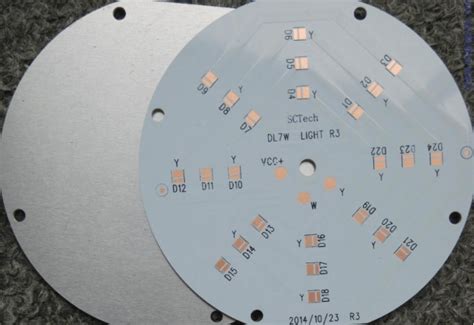
Flexible Aluminum PCBs are an innovative solution in the realm of electronic circuit design, combining the advantages of flexibility with the superior properties of aluminum. Typically, these PCBs consist of a substrate made from an aluminum alloy which supports a dielectric layer. The dielectric is often made from materials that allow for both flexibility and durability, such as polyimide. This unique structure imparts high strength while maintaining a lightweight form, which is essential for various modern applications. Additionally, the top layer includes copper traces that are meticulously designed to facilitate electrical connectivity.
The integration of aluminum in the manufacturing process not only enhances thermal dissipation but also contributes to improved performance under varying environmental conditions. When pcb manufacturing companies focus on producing flexible aluminum PCBs, they can significantly reduce the pcb manufacturing cost, as these materials are often more readily available than traditional substrates, such as FR4.
It is crucial to keep in mind that while these structures can bend and flex per specific design requirements, their ability to do so without compromising functionality positions them strongly for use in compact electronic devices like mobile phones and wearables. As one moves forward in a pcb manufacturing business, understanding the composition of flexible aluminum PCBs will be pivotal in harnessing their full potential in terms of performance and reliability.
“Investing in advanced material technologies can set your business apart in a competitive market.”
Advantages of Flexible Aluminum PCBs in Electronics
Flexible aluminum PCBs offer a range of benefits that are increasingly recognized in the electronics industry. One of their primary advantages is their exceptional bendability, which allows for innovative designs in compact spaces where traditional PCBs might not fit. This flexibility leads to cost-effective solutions for manufacturers, as you can reduce material waste during the pcb manufacturing process. When considering thermal management, aluminum substrates excel due to their superior heat dissipation properties, ensuring that sensitive components operate efficiently without overheating. This is particularly significant for high-power applications, demonstrating why many pcb manufacturing companies are shifting towards aluminum solutions. Additionally, the combined attributes of lightweight construction and durability can enhance the overall performance and longevity of your electronic devices. Such considerations not only contribute positively to the pcb manufacturing cost, but also heighten the standard for quality in your electronic assemblies. By integrating these advanced materials, you are well-positioned to lead in an evolving market where both innovation and practicality are essential within your pcb manufacturing business.
Thermal Management Benefits of Flexible Aluminum PCB Technology
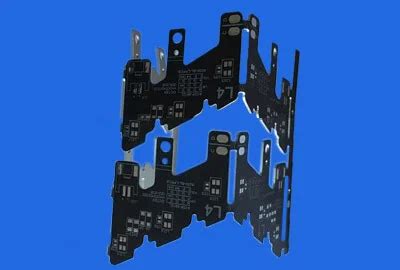
In the realm of pcb manufacturing, the thermal management capabilities of flexible aluminum PCBs stand out as a significant advantage. These substrates, composed of aluminum and flexible materials, facilitate exceptional heat dissipation, which is critical in today’s high-performance electronic applications. When you choose flexible aluminum PCBs, you’re opting for improved thermal conductivity that effectively prevents overheating, thereby enhancing the reliability and lifespan of your devices. This is particularly valuable in industries where heat-sensitive components are prevalent. Furthermore, as you explore options from various pcb manufacturing companies, you’ll often find that these designs can be tailored to meet rigorous thermal requirements without compromising on flexibility. This marriage of bendability and efficient heat management allows designers to innovate while ensuring superior performance. Depending on your specific needs, considering the pcb manufacturing cost associated with these advanced materials can yield long-term savings by reducing failure rates related to thermal stress. Ultimately, integrating flexible aluminum technology into your projects not only addresses current thermal challenges but also positions your products favorably in an increasingly competitive pcb manufacturing business landscape.
Cost-Effectiveness of Flexible Aluminum PCBs in Modern Applications
When considering flexible aluminum PCBs for your designs, understanding their cost-effectiveness is crucial. These PCBs often present reduced manufacturing costs compared to traditional rigid boards, particularly in high-volume production. By choosing the right pcb manufacturing companies, you can take advantage of optimized processes that lower the overall pcb manufacturing cost. Additionally, flexible aluminum PCBs allow you to minimize space requirements and simplify assembly, thereby reducing labor costs and aligning with the needs of contemporary electronic applications. The flexibility in design can lead to fewer components needed in a circuit, which ultimately influences the total cost of production positively. As you consider entering the pcb manufacturing business, these benefits not only enhance your product but can also attract clients looking for innovative solutions that do not compromise on quality or performance. In summary, adopting flexible aluminum PCBs could lead to significant long-term savings while ensuring reliable performance in various applications, making them an excellent choice for manufacturers aiming for cost-effective solutions without cutting corners on quality.
Applications and Use Cases for Flexible Aluminum PCBs
Flexible aluminum PCBs find numerous applications across various industries due to their unique properties. One notable area is in consumer electronics, where the bendability of these boards allows for innovative designs that traditional rigid boards cannot accommodate. From smartphones to wearable devices, flexibility enhances user experience by offering slimmer profiles and improved ergonomics. Additionally, flexible aluminum PCBs excel in automotive applications. With vehicles becoming increasingly sophisticated—integrating advanced sensor technologies and connectivity—these flexible substrates provide the necessary durability and thermal management that modern vehicles demand. The superior performance of metal-based substrates plays a crucial role in maintaining the reliability of electronic components under varying environmental conditions, making them ideal for automotive electronics.
Moreover, industries such as medical devices benefit significantly from flexible aluminum PCBs. In high-tech medical equipment, the ability to conform to various shapes without sacrificing performance is vital. Their lightweight yet sturdy construction supports mobility while ensuring efficient thermal management of sensitive components. As you explore potential partnerships with PCB manufacturing companies, consider how investing in flexible aluminum options can reduce overall PCB manufacturing costs, leading to better margins in your PCB manufacturing business. The combination of these factors positions flexible aluminum PCBs as a versatile choice for modern electronic applications, paving the way for future innovations across multiple sectors.
Challenges and Limitations of Flexible Aluminum PCB Design
While flexible aluminum PCBs offer various advantages, they also present unique challenges during the pcb manufacturing process. One of the main hurdles is achieving the right balance between flexibility and structural integrity. The very properties that make these PCBs desirable can complicate their design and production. For example, the thermal expansion of aluminum can lead to issues if the design does not account for this factor adequately, which could result in failures over time. Additionally, pcb manufacturing companies often face limitations in terms of available materials and techniques that can support the specific requirements of these flexible substrates.
Another challenge arises in the pcb manufacturing cost, as producing flexible aluminum PCBs usually involves more complex fabrication processes than traditional rigid PCBs. These processes may require specialized equipment or techniques, increasing the overall cost for businesses involved in this segment. Moreover, not every pcb manufacturing business is equipped to handle flexible designs, limiting your options when seeking a manufacturer. The necessity for rigorous quality control and testing adds another layer of complexity to the production process, making it essential for you to partner with reputable manufacturers who have experience with flexible designs.
Additionally, while you may appreciate their bendability, excessive bending or twisting during assembly or use could jeopardize their performance. Therefore, when designing flexible aluminum PCBs, it is crucial to consider all environmental factors they may encounter throughout their lifecycle to ensure reliability and durability.
Future Trends in Flexible Aluminum PCB Development
As the demand for advanced electronics continues to grow, the flexible aluminum PCB landscape is poised for significant evolution. Emerging technologies and innovative designs are likely to redefine manufacturing processes in the electronics sector. You can expect pcb manufacturing companies to leverage state-of-the-art techniques to enhance the durability and functionality of these flexible substrates. The integration of smarter design algorithms and automated fabrication methods will likely drive down pcb manufacturing costs, making these solutions even more accessible for various applications. Additionally, the push towards more sustainable practices is expected to influence the pcb manufacturing business, encouraging companies to adopt eco-friendly materials and processes in their production lines. As you explore these advancements, consider how flexibility, thermal management, and cost-effectiveness will continue to shape the industry, ultimately enhancing your own electronic designs and applications. With all these factors at play, flexible aluminum PCBs are set to remain at the forefront of innovation in electronic manufacturing for years to come.
Conclusion
In evaluating the significance of flexible aluminum PCBs, it’s vital to recognize their role within the broader context of PCB manufacturing. As you explore the landscape of pcb manufacturing companies, you’ll find that these companies are increasingly focusing on innovative materials like flexible aluminum substrates. Their unique composition not only enhances bendability and lightweight properties but also ensures superior thermal management, making them an appealing option for various electronic applications.
Cost is often a decisive factor in the pcb manufacturing business, and flexible aluminum PCBs offer significant advantages in this area. By boosting efficiency in terms of heat dissipation and extending the lifespan of electronic components, these substrates can lead to lower overall pcb manufacturing costs. This cost-effectiveness, coupled with their versatility, makes them a smart investment for industries looking to optimize performance without sacrificing quality.
Moreover, as technology advances, embracing flexible aluminum PCBs can give your projects a competitive edge. The ongoing evolution in designs and applications means that you can address complex challenges while benefiting from a highly adaptive solution that meets modern-day requirements. Overall, understanding the myriad benefits of flexible aluminum PCBs will position you well to leverage their full potential in your future projects.
FAQs
What are flexible aluminum PCBs?
Flexible aluminum PCBs are printed circuit boards that combine the flexibility of traditional polyimide materials with the thermal conductivity of aluminum substrates, offering a unique solution for electronic devices that require bending and reshaping.
What are the benefits of using flexible aluminum PCBs?
The advantages of flexible aluminum PCBs include improved bendability, superior thermal management, and cost-efficiency. These features make them ideal for use in space-constrained applications and high-performance environments.
How do I find reliable PCB manufacturing companies?
When searching for dependable PCB manufacturing companies, consider their experience in producing flexible aluminum PCBs, customer reviews, and their ability to manage complex designs. Always ask for samples to gauge their production quality.
What factors influence PCB manufacturing cost?
The pcb manufacturing cost can be affected by factors such as material selection, layer count, size, complexity of design, and production volume. By optimizing these elements early in the design process, you can potentially reduce costs significantly.
What challenges exist in flexible PCB manufacturing?
Challenges in flexible pcb manufacturing include ensuring consistent quality across bends and maintaining durability against environmental factors. Additionally, understanding how to manage the unique properties of aluminum substrates during the production process is essential.
For more information on PCB manufacturing and its nuances, please click here: Andwin PCB Manufacturing.