Understanding Microtek Inverter PCB for Enhanced Performance
Key Takeaways
Understanding the intricacies of Microtek Inverter PCBs is vital for maximizing the performance of your inverter systems. A well-designed PCB plays a crucial role in ensuring that your inverter operates efficiently, harnessing the advantages provided by precise circuitry, robust materials, and effective thermal management. When considering pcb manufacturing, it’s important to focus on companies that prioritize quality and reliability, as this significantly impacts the overall functionality of your power systems. Additionally, evaluating the pcb manufacturing cost can help you make informed decisions that align with your budget while still ensuring high-quality material for durability and longevity.
Bear in mind that working with reputable pcb manufacturing companies can lead to better outcomes in terms of performance optimization. It’s advisable to establish a solid relationship with a reliable pcb manufacturing business to ensure quality assurance and compliance with industry standards. By focusing on these aspects, you can enhance not only the efficiency of your Microtek inverter systems but also prolong their lifespan, providing a cost-effective energy solution for years to come.
“Quality products lead to reliable performance.”
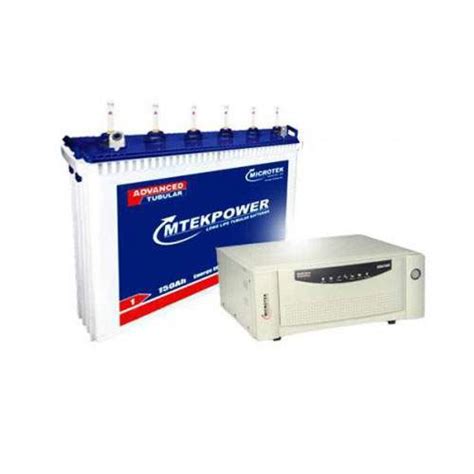
Introduction to Microtek Inverter PCB: Key Features and Benefits
Understanding the Microtek inverter PCB is essential for anyone looking to enhance the performance of their inverter systems. The PCB, or Printed Circuit Board, serves as the backbone of your inverter, housing crucial electronic components that dictate how the system operates. Among its key features, the Microtek inverter PCB stands out due to its robust design and reliability. This reliability is largely attributed to meticulous pcb manufacturing, performed by experienced pcb manufacturing companies that prioritize high-quality materials and precision engineering.
By investing in superior pcb manufacturing, you can ensure that your inverter not only functions efficiently but also has an extended lifespan. Understanding the dynamics of pcb manufacturing cost is vital when considering upgrades or replacements, as high-quality components can significantly influence both performance and durability. Furthermore, a well-optimized pcb manufacturing business model can lead to innovation in design and functionality, ultimately benefiting end-users like you by providing more reliable power solutions.
Incorporating these features means you are better equipped to address potential issues swiftly, which underscores the importance of both understanding and maintaining your Microtek inverter PCB effectively. By grasping these fundamentals, you are empowered not just to operate your inverter but also to enhance its efficiency through informed decisions on components and upgrades.
| Feature | Description |
|---|---|
| Design Quality | High standards in component layout for improved efficiency |
| Reliability | Built using rigorous quality control measures |
| Cost-effectiveness | Competitive pricing without compromising on quality |
| Manufacturer Experience | Backed by reputable pcb manufacturing companies with extensive industry expertise |
In summary, being familiar with the key features and benefits of the Microtek inverter PCB allows you to make informed choices that can lead to improved operational efficiency and longevity of your system.
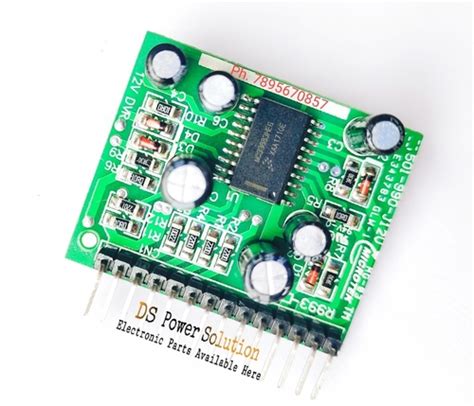
Understanding the Design Architecture of Microtek Inverter PCB
The design architecture of the Microtek inverter PCB is pivotal in its overall functionality and performance. It typically consists of several critical components: power circuits, control units, and signal processing modules, all meticulously arranged to optimize efficiency. Each layer within the PCB manufacturing process is carefully crafted to ensure that electrical signals can travel with minimal resistance and interference. The integration of advanced materials during pcb manufacturing not only improves conductivity but also enhances thermal management, thereby preventing overheating during operation. Additionally, pcb manufacturing companies often utilize innovative techniques such as surface mount technology (SMT) and multi-layer designs, which are essential for compactness and performance. Understanding these elements can empower you to identify potential areas for improvement in your system. It’s crucial to consider how various factors such as the design, materials used, and assembly techniques contribute to the overall pcb manufacturing cost. As you become more acquainted with these design intricacies, you can make informed decisions about enhancements that would ultimately lead to a more reliable and efficient inverter system. By investing in quality design architecture through reputable pcb manufacturing businesses, you equip your Microtek inverter with the capability to perform optimally across diverse conditions.
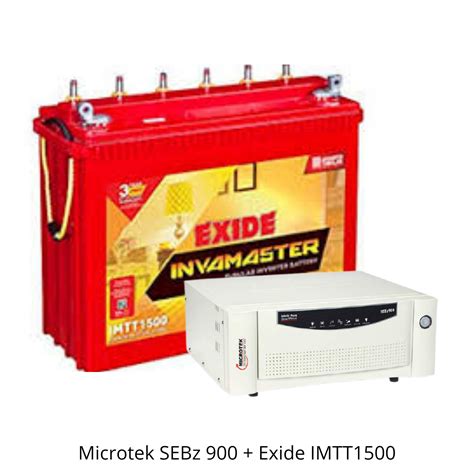
Functionality of Microtek Inverter PCB: How It Works
The Microtek inverter PCB plays a crucial role in the overall performance and efficiency of your inverter system. At its core, this printed circuit board is responsible for controlling the conversion of direct current (DC) into alternating current (AC), which powers your electrical devices. The functionality of the PCB is deeply tied to its intricate design, which includes various components such as capacitors, resistors, and transistors. These elements work in synergy to manage voltage levels, regulate power flow, and ensure that energy is delivered consistently to connected appliances.
As you delve deeper into the workings of the Microtek inverter PCB, it’s essential to understand that pcb manufacturing processes can greatly influence its performance longevity. The quality of materials used by pcb manufacturing companies directly impacts not only the durability but also the effectiveness of power management. This is particularly true when considering factors such as heat dissipation and electrical resistance in runtime conditions.
Moreover, being aware of the pcb manufacturing cost can also guide your decisions when selecting parts or systems for your inverter. A well-designed PCB will often justify a higher initial investment due to its potential for optimizing energy efficiency over time, reducing operational costs in the long run. You can even consider engaging with reliable pcb manufacturing businesses to obtain high-quality components that align with your expectations for performance and durability.
Understanding how these elements come together gives you valuable insight into maximizing the capabilities of your Microtek inverter system while ensuring that it functions optimally for years to come.
Common Issues with Microtek Inverter PCBs and Their Solutions
Microtek inverter PCBs can present several common issues that may hinder their performance, but understanding these problems and their solutions can significantly enhance your inverter system’s efficiency. One prevalent issue is overheating, often resulting from inadequate heat dissipation or excessive current draw. To address this, ensure that your PCB has proper ventilation and check for any faulty components that may be drawing excessive power. Another frequent concern is circuit interruptions due to damaged traces or faulty solder joints. In such cases, scrutinizing the PCB for any visible signs of damage or wear can lead to timely repairs, thereby prolonging the lifespan of your inverter.
Additionally, voltage fluctuations can lead to erratic functioning of the PCB. This can generally be mitigated by using high-quality components sourced from reliable pcb manufacturing companies, ensuring that your system can handle variable voltage levels without failing. You may also want to investigate options concerning pcb manufacturing costs—choosing a more robust design may incur higher initial expenses but can prevent frequent failures and repairs in the long run.
Lastly, insufficient power supply during peak demand periods may cause the inverter to underperform. Analyzing your energy requirements and collaborating with a reputable pcb manufacturing business could help optimize design specifications for increased reliability. By being proactive in identifying issues and utilizing quality manufacturers, you will ensure that your Microtek inverter PCB operates at its best, maximizing its efficiency and lifespan.
Best Practices for Troubleshooting Microtek Inverter PCB Problems
When facing issues with your Microtek inverter PCB, it is essential to follow some best practices to ensure effective troubleshooting. Start by conducting a thorough visual inspection of the PCB, looking for any burnt components, cracks, or loose connections. You may want to utilize a multimeter to check for continuity and resistance through key circuits. This step is crucial, as it helps you identify common problems such as short circuits or open circuits, which are often the culprits of system failures.
In addition, understanding the pcb manufacturing process can provide valuable insights into the common defects that may arise during production. Be aware that different pcb manufacturing companies use various techniques and materials, which can influence reliability and performance. If you suspect that the quality of the PCB is subpar, consider researching potential pcb manufacturing costs and exploring options from reputable sources that can assure you of better quality control.
Furthermore, maintaining proper environmental conditions for your inverter system can significantly minimize troubleshooting challenges. Ensure that your Microtek inverter remains in an area free from excessive humidity and dust, as these factors can lead to component degradation over time. Lastly, always refer back to the user manual or technical specifications provided by your manufacturer in order to understand how each component plays a role in overall system functionality.
By implementing these troubleshooting best practices and understanding important aspects of PCB design and production, you are likely to enhance not only the efficiency of your inverter system but also its longevity.
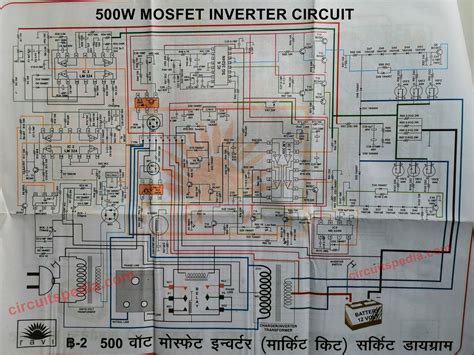
Enhancing the Efficiency of Your Inverter System through PCB Optimization
To enhance the efficiency of your Microtek inverter system, focusing on PCB optimization is crucial. The printed circuit board (PCB) is the heart of the inverter, dictating its performance and operational longevity. By understanding how PCB manufacturing significantly impacts overall efficiency, you can take informed steps toward optimization. Partnering with reputable PCB manufacturing companies can improve design quality, ensuring that components are well arranged to reduce energy loss. Furthermore, a smaller pcb manufacturing cost combined with higher quality can lead to more efficient operation without compromising performance. Analyzing your current system’s PCB manufacturing business approach provides insights into potential upgrades, allowing you to tailor enhancements that boost output and reduce downtime. Implementing these techniques will ultimately lead to a more reliable and efficient inverter system, ensuring you get the most out of your investment over time.
Maintenance Tips for Prolonging the Life of Microtek Inverter PCBs
To ensure the longevity and optimal performance of your Microtek inverter’s PCB, regular maintenance is crucial. Start with a thorough inspection of the circuit board; look for any signs of wear, corrosion, or damage. Cleaning the PCB with a soft brush can help remove dust and debris that may have accumulated over time. Be cautious while handling the circuit board; using an anti-static wrist strap can prevent any electrostatic discharge that could potentially harm sensitive components.
It’s also essential to monitor the temperature within your inverter system, as excessive heat can affect both performance and lifespan. Make use of proper ventilation to regulate temperature, and consider installing cooling fans if required. For components that require replacement, choose quality products from reputable pcb manufacturing companies, ensuring compatibility with your specific model.
When looking into enhancing performance, pay attention to the pcb manufacturing cost; investing in high-quality materials during production can significantly reduce future maintenance needs. If you are involved in a pcb manufacturing business, ensure that your production processes meet necessary standards to enhance durability and efficiency.
Regularly update yourself on common issues faced by Microtek inverters and seek timely solutions to prevent persistent problems. By adopting these practices, you not only extend the life of your Microtek inverter PCBs but also enhance their overall effectiveness, ensuring you get maximum output from your investment.
Future Trends in Inverter PCB Technology and Performance Improvements
As technology continues to advance, inverter PCB design and functionality are expected to evolve significantly. One of the most noteworthy trends is the increasing utilization of smart technologies within inverter PCBs, allowing for real-time monitoring and diagnostics, which can enhance troubleshooting and minimize downtime. This shift towards smart systems will also influence the pcb manufacturing process, as manufacturers will need to invest in innovative techniques and materials that support these advanced functionalities. Furthermore, collaboration with specialized pcb manufacturing companies is crucial for adapting to these changes, ensuring that designs meet modern standards of efficiency and reliability. As the demand for higher performance rises, you may notice a reduction in pcb manufacturing cost due to more streamlined processes and increased competition within the industry. The evolution of energy management systems integrated into inverter technology will likely lead to improved power conversion efficiency as well. Overall, staying abreast of these trends in inverter PCB technology can lead you to future-proof your systems while taking advantage of lower production costs offered by a thriving pcb manufacturing business landscape.
Conclusion
In summary, understanding the intricacies of the Microtek inverter PCB is essential for optimizing the performance of your inverter system. Engaging with pcb manufacturing processes can greatly impact the reliability and efficiency of your device. By selecting reputable pcb manufacturing companies, you ensure that you are investing in quality components that contribute to a more robust system. Moreover, being aware of the pcb manufacturing cost can help you make informed decisions that align with your budget without compromising on performance. The pcb manufacturing business is continuously evolving, leading to improved technologies and methods that enhance the longevity and effectiveness of Microtek inverters. Thus, keeping abreast of these trends will empower you to maintain your inverter optimally and extend its lifespan effectively.
FAQs
What is a Microtek inverter PCB?
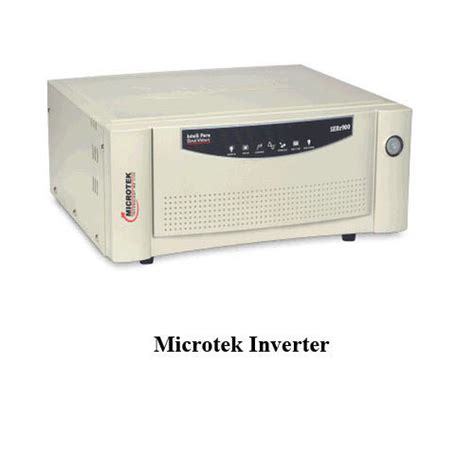
A Microtek inverter PCB is a printed circuit board that plays a crucial role in the operation and efficiency of Microtek inverters. It connects various electrical components and ensures optimal performance by managing power conversion effectively.
How does PCB manufacturing impact the performance of an inverter?
The quality of PCB manufacturing directly influences the durability and efficiency of an inverter. High-standard pcb manufacturing techniques ensure that components are accurately placed and securely soldered, resulting in reduced failure rates and enhanced performance.
What are the common costs associated with PCB manufacturing?
The pcb manufacturing cost varies based on several factors such as materials used, design complexity, and production volume. Typically, higher-quality materials increase the overall cost but greatly enhance longevity and functionality.
How can one choose reliable PCB manufacturing companies?
When selecting pcb manufacturing companies, consider factors like their reputation, production capabilities, customer service, and quality assurance processes. Reviews from previous clients can provide valuable insights into their reliability.
What are some best practices for managing a PCB manufacturing business?
For those engaged in a pcb manufacturing business, maintaining high-quality standards, investing in advanced technologies, regular training for staff, and continuous market analysis are essential to remain competitive in the industry.
Enhance Your Knowledge on PCB Manufacturing
To learn more about best practices in PCB manufacturing, please click here: Andwin PCB Manufacturing