Understanding PCB Bare Board Manufacturing Processes

Key Takeaways
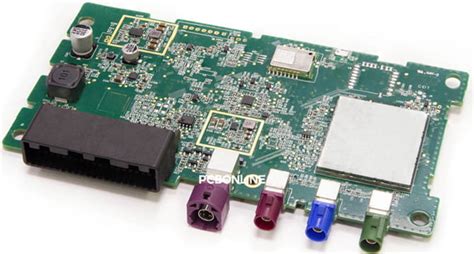
Understanding PCB bare board manufacturing is crucial for anyone involved in the PCB manufacturing business. You should be aware that the processes involved significantly impact both the performance and reliability of electronic components. One important aspect to consider is the pcb manufacturing cost, which varies depending on the materials and techniques employed. Leading pcb manufacturing companies often utilize advanced methods to ensure efficient production while maintaining a focus on quality control. Quality assurance is not merely an afterthought—it is integrated into each stage of pcb manufacturing to prevent defects that could compromise functionality.
“Investing time in understanding the production processes can lead to more informed decisions and potentially lower costs in your pcb manufacturing business.”
Additionally, be mindful of common challenges such as maintaining consistency and managing material sourcing, as these factors can significantly affect your bottom line. Keeping up with innovations in technology not only positions your business competitively but also enhances product quality. Familiarizing yourself with these key takeaways will empower you to make informed choices in a rapidly changing industry.
Introduction to PCB Bare Board Manufacturing
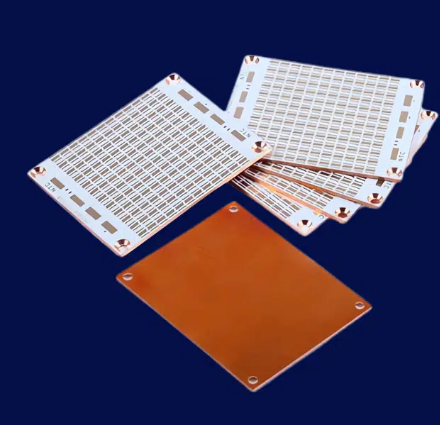
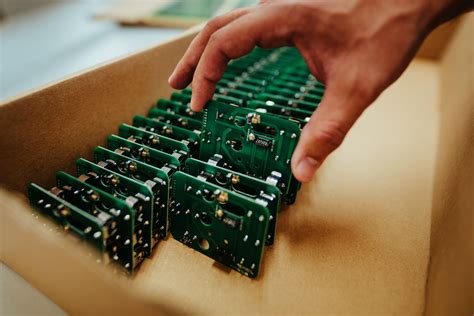
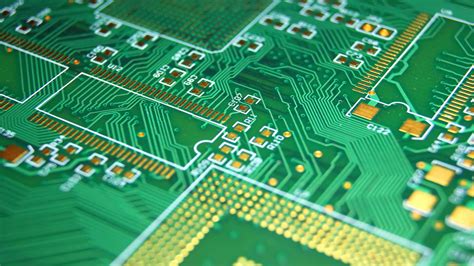
Understanding PCB bare board manufacturing is crucial for anyone involved in the electronics industry. This process serves as the foundation for producing reliable and high-performance electronic devices. As you delve into pcb manufacturing, it becomes evident that several key steps must be meticulously executed to ensure quality and functionality.
To start, you’ll engage with various pcb manufacturing companies known for their expertise in techniques that span from substrate preparation to etching and lamination. Each technique plays a vital role in forming the electronic pathways essential for communication within devices. The pcb manufacturing cost can vary based on the complexity of the design and the materials utilized; thus, having a clear understanding of these aspects enables you to make informed decisions whether you are starting a new pcb manufacturing business or improving an existing operation.
You should be aware that the materials selected significantly impact both performance and durability. For instance, high-quality substrates are fundamental in avoiding failures during operation. Coupled with rigorous quality control measures throughout every stage of production, these elements work together to minimize defects and enhance overall reliability.
Tables summarizing common materials used and their impacts on cost can be very insightful:
| Material Type | Properties | Typical Cost Range |
|---|---|---|
| FR-4 (Epoxy Glass) | Good dielectric properties | $$ |
| Rogers 4350 | High-frequency applications | $$$$ |
| Polyimide | High-temperature resistance | $$$ |
By understanding these factors, you can appreciate not only the intricacies of PCB bare board manufacturing but also its broader implications on productivity and performance in your projects.
Key Techniques in PCB Manufacturing Processes
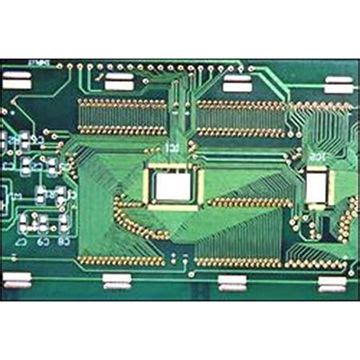
In the realm of PCB manufacturing, a variety of techniques are employed to create efficient and reliable bare boards. One primary method is the photoengraving technique, which utilizes photolithography to transfer circuit patterns onto the substrate. This precise method ensures that the dimensions of your components are closely adhered to, which is crucial for maintaining circuit integrity. Additionally, the etching process allows for selective removal of copper, refining your PCB design’s structural wiring.
Another significant aspect involves drilling, where holes are created for vias and component leads. Proper hole sizing is essential to accommodate various lead types and ensures effective soldering during assembly. Furthermore, newer methods like laser drilling are gaining popularity due to their precision and ability to produce microvias that facilitate high-density interconnections.
As you delve into the specifics, it’s vital to consider how different PCB manufacturing companies implement these techniques to manage production costs effectively. Each step in the process can significantly influence the overall PCB manufacturing cost, which encompasses raw materials, labor, and overhead expenses. Hence, a clear understanding of these fundamental techniques can empower you in making informed decisions when steering your PCB manufacturing business towards success and efficiency.
Materials Used in Bare Board Production
In PCB bare board manufacturing, the selection of materials plays a crucial role in determining the efficacy and performance of electronic components. You will often find that the most commonly used base materials for printed circuit boards (PCBs) are epoxy resin fiberglass, commonly known as FR-4. This material provides excellent electrical insulation and mechanical strength, making it a primary choice among PCB manufacturing companies. Besides FR-4, other materials such as polyimide may be utilized for applications requiring high thermal resistance, while CEM-1 and CEM-3 serve as cost-effective alternatives for less demanding projects, significantly impacting the overall PCB manufacturing cost.
The choice of copper foil is equally important, as it significantly affects the conductivity and performance of the resulting product. Various finishes such as gold, silver, and nickel can be added to solder pads to enhance longevity and facilitate soldering processes in high-reliability applications. During your exploration of bare board production, you might come across advanced materials that promise improved durability and flexibility, which are pivotal in today’s fast-evolving electronics landscape. Ultimately, understanding these materials allows you to make informed decisions about your projects or even your engagement in the PCB manufacturing business, ensuring that you achieve optimal results tailored to specific performance requirements.
The Role of Quality Control in PCB Manufacturing
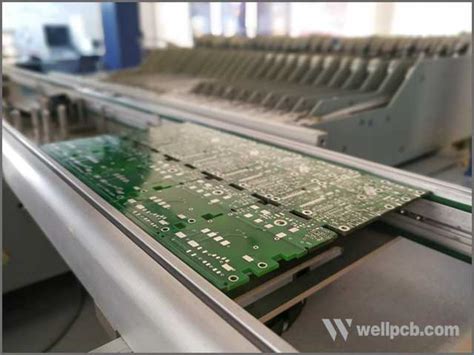
In the world of PCB manufacturing, quality control is paramount to ensure the reliability and performance of electronic components. As you explore PCB manufacturing processes, you’ll notice that rigorous testing and quality assurance practices play a critical role at every stage, from design to production. PCB manufacturing companies often implement a variety of inspection techniques, such as automated optical inspection (AOI) and X-ray analysis, to detect defects early in the process. This not only helps in maintaining high standards but also contributes significantly to reducing the overall pcb manufacturing cost, as addressing issues proactively can mitigate expensive post-production fixes.
Furthermore, understanding the quality control measures can directly impact your understanding of how a pcb manufacturing business operates. By emphasizing adherence to industry standards and customer specifications, quality control ensures that only products meeting stringent requirements reach the market. This focus on quality not only enhances your product’s longevity but also elevates customer satisfaction and trust in your brand. Therefore, implementing effective quality control strategies is not just an operational necessity; it’s a fundamental component that helps differentiate successful pcb manufacturing businesses from their competitors.

Common Challenges in PCB Bare Board Manufacturing
In the realm of PCB manufacturing, several challenges can arise, impacting the overall efficiency and quality of the final product. One common issue is the variability in raw materials, which can lead to inconsistencies in performance and durability. As you navigate through different PCB manufacturing companies, it’s crucial to understand that sourcing high-quality materials is fundamental to mitigating these challenges. Additionally, pcb manufacturing cost can escalate due to unexpected failures during production processes; thus, maintaining precise control over manufacturing parameters is essential. Another obstacle is managing intricate designs that require advanced processes. The complexity of multi-layered boards often results in defects if not handled properly, making it imperative for your pcb manufacturing business to adopt robust inspection techniques throughout the production cycle. Furthermore, continuous advancements in technology might demand frequent equipment upgrades or training for personnel, which can further strain resources and budgets if not balanced effectively with production goals. Ultimately, addressing these challenges requires a proactive approach, focusing on quality assurance and innovation to support enhanced performance in all aspects of PCB manufacturing.

Innovations in PCB Manufacturing Technologies
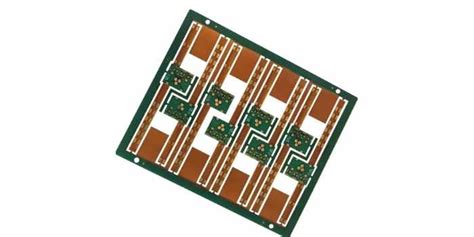
As you delve into the realm of PCB bare board manufacturing, it becomes evident that innovations in PCB manufacturing technologies are crucial for enhancing efficiency and performance. The demand for sophisticated electronic devices has prompted PCB manufacturing companies to adopt advanced processes that minimize production time and costs while maximizing quality. Techniques such as laser direct imaging, HDI (High-Density Interconnect) technology, and electromagnetic compatibility (EMC) solutions are just a few examples of how technology is transforming the landscape of PCB production. By integrating automated systems and utilizing advanced materials, businesses can achieve a significant reduction in the PCB manufacturing cost, which directly impacts competitiveness in the market. Furthermore, innovations like flexible PCBs allow for unique product designs that can withstand mechanical stresses, focusing on miniaturization without compromising performance. Engaging with these cutting-edge trends not only enhances your PCB manufacturing business but also ensures that your products meet the evolving demands of consumers while maintaining high standards of quality and reliability.
Environmental Considerations in PCB Production
In today’s fast-paced electronic landscape, environmental considerations play an integral role in PCB manufacturing. As you evaluate the processes utilized by PCB manufacturing companies, understanding their impact on the environment is crucial. It is essential to recognize that the materials and techniques employed in bare board production can lead to significant environmental outcomes. For instance, the use of hazardous substances during manufacturing can result in harmful emissions and waste generation. Therefore, using eco-friendly materials and processes not only contributes to sustainability but also aids in reducing overall PCB manufacturing costs. Companies involved in the PCB manufacturing business are increasingly adopting environmentally friendly practices, from the sourcing of raw materials to waste disposal methods. By prioritizing these sustainable approaches, production can align with regulatory standards while promoting better environmental health, showcasing a commitment that resonates with both consumers and stakeholders alike. Making informed choices about your PCB production methods will not only enhance performance but also ensure that your practices support a cleaner future for our planet.
Conclusion
In wrapping up your exploration of PCB bare board manufacturing, it’s crucial to understand how the principles discussed contribute to the broader field of pcb manufacturing. Throughout this article, you have learned that effective pcb manufacturing companies utilize a variety of methods to ensure efficiency and quality in their production processes. From the selection of high-performance materials to stringent quality control measures, these components are integral in determining the pcb manufacturing cost and overall success of a pcb manufacturing business. To remain competitive in this dynamic market, staying updated about the latest innovations and addressing common challenges is key. By maintaining a focus on quality and efficiency, you can contribute to producing superior electronic components that meet industry demands. Remember that each step in the manufacturing process not only affects cost but also impacts performance, making your understanding of these elements instrumental in achieving high standards within your projects.
FAQs
What is PCB bare board manufacturing?
PCB bare board manufacturing refers to the production of printed circuit boards (PCBs) without any components mounted on them. This is the initial stage in the pcb manufacturing process.
What are the primary processes involved in PCB manufacturing?
The primary processes in pcb manufacturing include etching, drilling, plating, and lamination. Each step is crucial to ensure that the final product meets the required specifications for electrical performance.
What factors influence the cost of PCB manufacturing?
Several factors influence pcb manufacturing cost, including materials used, complexity of the design, and production volume. Custom features and rapid prototyping may also increase costs.
How can I choose a reliable PCB manufacturing company?
To choose a reliable pcb manufacturing company, assess their experience, customer reviews, quality certifications, and their ability to meet deadlines. It’s also beneficial to request samples of their work.
What are common challenges faced in PCB bare board production?
Common challenges include maintaining precision during drilling and etching, ensuring high-quality materials are used, and adhering to strict quality control measures throughout the process.
Why is quality control important in PCB manufacturing?
Quality control is vital as it ensures that each bare board meets specific performance standards, directly affecting the reliability of electronic devices. High-quality boards bolster your business reputation and reduce costs related to failures or recalls.
Are there any innovations shaping the future of PCB manufacturing?
Yes, innovations such as automated processes, advanced materials like flexible PCBs, and improved design software are significantly enhancing efficiency and capabilities in pcb manufacturing companies today.