Understanding PCBA Printed Circuit Boards in Modern Electronics
Key Takeaways
In the world of modern electronics, understanding pcb assembly is crucial, as it serves as a fundamental backbone of many devices. PCBA, or Printed Circuit Board Assembly, integrates various electronic components onto a printed circuit board, creating functional systems essential for device operation. The significance of PCBA lies not only in its construction but also in its ability to enhance efficiency and foster innovation across industries. As devices become more intricate, the role of pcb assembly becomes increasingly vital. Emphasizing quality and precision in these assemblies ensures that electronics function reliably and effectively, leading to improved performance and longevity. In summary, the journey through the intricate landscape of PCBA technology reveals its critical importance in driving advancements within the electronics sector, while also addressing challenges faced by manufacturers seeking to optimize processes for greater efficiency and quality assurance.
Introduction to PCBA Printed Circuit Boards
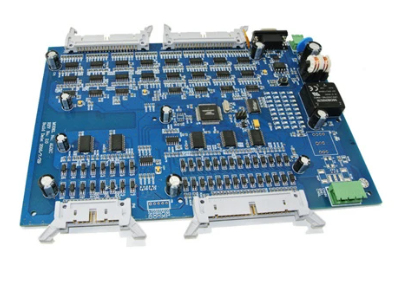
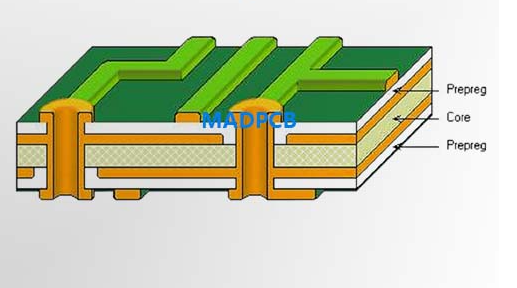
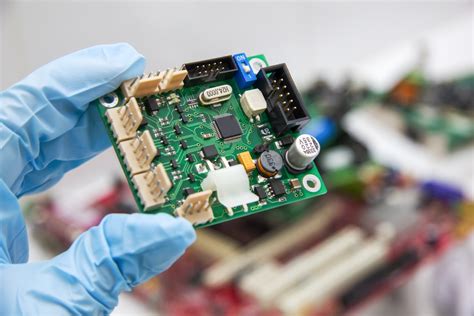
In the realm of modern electronics, PCBA (Printed Circuit Board Assembly) serves as a cornerstone of functionality and innovation. Understanding PCBA requires an appreciation of how these meticulously crafted boards serve as the backbone for countless electronic devices. Comprising a network of conductive pathways, these printed circuit boards facilitate the essential connections between various electronic components, allowing for seamless communication and operation. The construction process typically involves a variety of materials like fiberglass and copper, combined through advanced techniques to create a durable yet flexible structure capable of withstanding complex functionality.
| Feature | Description |
|---|---|
| Material Types | Fiberglass, copper, solder mask, and silkscreen |
| Layer Count | Single-sided, double-sided, multilayer options |
| Assembly Techniques | Surface Mount Technology (SMT), Through-Hole Technology (THT) |
Furthermore, the efficiency with which these assemblies are manufactured has direct implications on the performance of end products—from smartphones to medical devices. The careful design and execution in pcb assembly not only enhance performance but also play a critical role in reducing the overall size and weight of electronics. As technology continues to evolve at an unprecedented pace, it’s imperative to recognize the role that PCBA printed circuit boards play in driving advancements across various sectors.
“In today’s fast-paced world of technology, efficiency in design not only saves time but can lead to significant cost reductions.”
With continuous improvements in technology and materials used in these assemblies, understanding how they are constructed and function provides insight into their impact on modern electronics. As we delve deeper into their applications and significance throughout different industries, it becomes clear that mastering the intricacies of PCBA is essential for any aspirant in the field of electronics engineering.
The Construction of PCBA: Materials and Techniques
The construction of PCBA (Printed Circuit Board Assembly) is a sophisticated process involving a blend of various materials and techniques that ensure optimal functionality and reliability. Typically, printed circuit boards are made from a robust substrate like fiberglass, which provides both structural integrity and electrical insulation. This substrate is then layered with conductive pathways, primarily composed of copper, forming the electrical connections necessary for component interaction. The techniques involved in pcb assembly include surface mount technology (SMT) and through-hole technology, both of which play pivotal roles in positioning electronic components on the board.
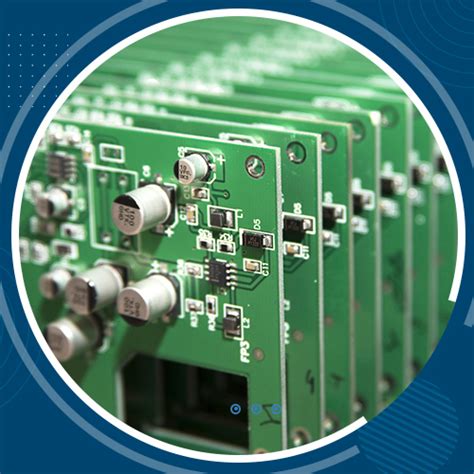
In SMT, components are mounted directly onto the surface of the pcba, allowing for a compact design that is crucial in today’s increasingly miniaturized devices. Conversely, through-hole technology involves inserting component leads into pre-drilled holes, which can enhance sturdiness but may result in a less compact layout. Each method has its unique advantages, often determined by the specific requirements of the application at hand.
Moreover, advancements in soldering techniques, such as reflow and wave soldering, have significantly improved the efficiency and quality of solder joints on pcba. These methods ensure that connections are not only strong but also reliable under various operating conditions. As electronic devices demand higher performance and reliability, ongoing innovations in materials—like Low-Temperature Co-Fired Ceramics (LTCC)—and manufacturing techniques continue to evolve, solidifying the fundamental role that pcb assembly plays in modern electronics development.
Understanding the Functionality of PCBA Printed Circuit Boards
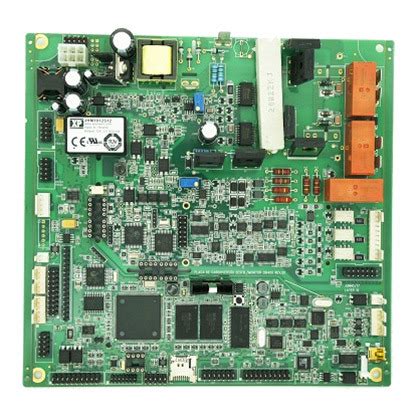
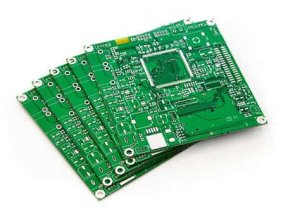
PCBA, or Printed Circuit Board Assembly, serves as the backbone of modern electronics by facilitating connections between various electronic components. The functionality of a PCBA lies in its intricate layout, where conductive pathways are precisely etched into a substrate, allowing for the efficient transfer of electrical signals. This assembly process involves mounting components such as resistors, capacitors, and integrated circuits onto the board, usually through techniques like surface mount technology (SMT) or through-hole assembly.
The design and arrangement of these components are crucial; they must not only fit within a confined space but also ensure optimal performance while minimizing noise and interference. Each pathway on the PCBA is engineered to handle specific electric currents and signals that are essential for the stable operation of devices ranging from smartphones to complex industrial machinery. Moreover, advances in pcb assembly methods have led to enhanced reliability and longevity of electronic systems.
By precisely managing thermal and electrical properties, PCBA not only increases performance but also helps in addressing power consumption challenges, thereby extending battery life in portable electronics. As technology evolves, so does the sophistication required in pcb assembly, pushing engineers to innovate continually in their designs and materials. This ensures that PCBs can meet not only present-day requirements but also future technological challenges, solidifying their role as integral elements in driving efficiency and innovation across various sectors.
Applications of PCBA in Various Industries
PCBA, or printed circuit board assembly, plays a crucial role across multiple industries, significantly enhancing efficiency and innovation. In the consumer electronics sector, for instance, PCBA is integral to devices such as smartphones, laptops, and tablets. These devices utilize pcba to ensure that components are securely mounted and interconnected, allowing for streamlined functionality and improved performance. Similarly, in the automotive industry, PCBA is essential for developing advanced driver-assistance systems (ADAS) that rely on sensors and communication tools to enhance vehicle safety and navigation. Furthermore, sectors like medical technology benefit from PCBA through the development of diagnostic equipment and monitoring devices where precision and reliability are paramount. In aerospace, the resilience of PCBA becomes vital as it supports critical systems aboard aircraft, where failure is not an option. As technology continues to advance, the versatility of pcb assembly makes it a central piece in driving both innovation and functionality across these diverse applications. The extensive use of PCBA demonstrates its foundational role in modern electronics, paving the way for future developments across a multitude of industries.

The Role of PCBA in Driving Innovation in Electronics
The pcba or printed circuit board assembly serves as a cornerstone in the evolution of modern electronics, playing a pivotal role in the development of innovative technology solutions. By seamlessly integrating electronic components, the pcb assembly facilitates the compact design and enhanced functionality of devices ranging from consumer electronics to industrial machinery. This integration not only improves performance but also significantly reduces the size and weight of products, enabling manufacturers to create increasingly sophisticated devices. Moreover, advancements in materials and manufacturing techniques have led to higher reliability and durability within pcba systems, pushing the boundaries of what is achievable in electronics. As industries increasingly demand faster processing speeds and greater energy efficiency, pcb assembly technologies have risen to meet these challenges through techniques such as surface-mount technology (SMT) and flexible circuit designs. The continual adaptation and improvement within pcba methodologies are not only responding to market needs but are also spearheading advancements that will redefine consumer experiences across various sectors. Thus, the role of PCBAs extends far beyond traditional functionalities; they are instrumental in driving market evolution and setting new standards for innovation in the electronic landscape.
Current Trends and Future Directions in PCBA Technology
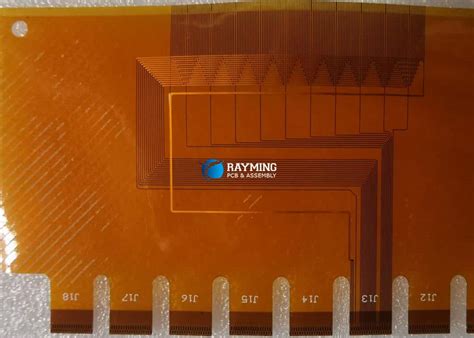
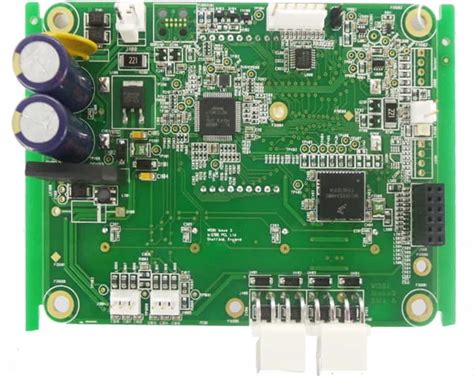
As technology continues to evolve, the landscape of pcb assembly and PCBA is undergoing significant changes, driven by the increasing demand for miniaturization and enhanced functionality. One of the most notable trends is the movement towards high-density interconnect (HDI) designs, which allow for more components to be packed into a smaller area. This trend not only improves space efficiency but also enhances performance, as shorter traces reduce signal degradation. Additionally, advancements in materials used for printed circuit board assemblies are influencing the future directions of PCBA technology. The adoption of flexible substrates is gaining momentum, enabling devices to be lighter and more adaptable to various applications, particularly in wearable technology.
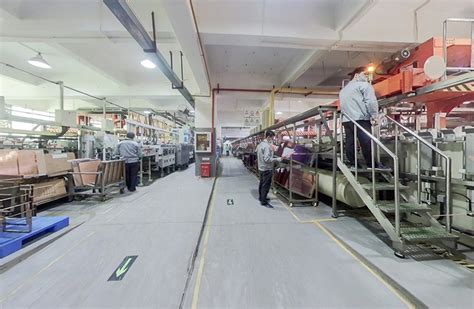
Moreover, the integration of automation and robotics in PCB assembly processes is streamlining manufacturing workflows. Automated soldering techniques and inspection systems enhance accuracy and reduce production costs while maintaining high-quality standards. Furthermore, sustainability concerns are driving manufacturers to explore eco-friendly materials and processes in PCBA production. The focus on reducing waste and energy consumption aligns with global initiatives aimed at minimizing environmental impact.
Looking ahead, the rise of the Internet of Things (IoT) will significantly shape PCBA requirements as smart devices proliferate across multiple sectors. This demand will necessitate innovations in connectivity solutions integrated into assemblies, pushing manufacturers to enhance their design capabilities continually. As each trend unfolds, it is evident that the future of pcb assembly hinges on adaptability, advanced materials science, and sustainable practices that meet the evolving needs of users around the globe.
Challenges and Solutions in PCBA Manufacturing
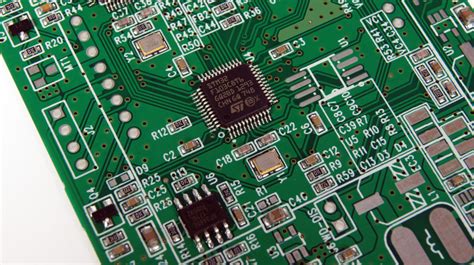
The manufacturing of pcba (Printed Circuit Board Assembly) faces several challenges that can impact both efficiency and quality. One major issue is the increasing complexity of designs, which often incorporates densely packed components. This arrangement can lead to difficulties in both soldering and inspection processes, which raises the risk of defects such as cold solder joints or bridging. Another challenge arises from the materials used; for instance, the selection of substrates and solder masks is critical to ensure durability and conductivity under various operational conditions. To address these complexities, manufacturers are turning to advanced technologies like automated inspection systems, which enhance the quality control process by swiftly identifying imperfections that might go unnoticed during manual checks.
Moreover, environmental regulations necessitate adherence to sustainable practices, compelling manufacturers to adapt their pcb assembly processes to comply with stricter guidelines. This not only involves using lead-free solder but also recycling electronic waste effectively. In response, many companies are investing in research and development to innovate materials and methods that lessen environmental impact while maintaining performance standards.
Training and skill development of personnel are also essential solutions for overcoming manufacturing challenges. Ensuring that employees are well-versed in both traditional techniques and modern technologies can help achieve higher levels of precision in pcba production. As electronics continue to evolve, these strategic adjustments within pcb assembly will ultimately lead to a more robust manufacturing framework capable of meeting future demands effectively.
Conclusion: The Impact of PCBA on Modern Technology
The significance of PCBA (Printed Circuit Board Assembly) in the realm of modern technology cannot be overstated. As the backbone of virtually every electronic device, pcb assembly serves as a vital conduit for electrical signals, ensuring that components function cohesively within a system. This intricate intersection of technology and design not only showcases how pcba enhances device efficacy but also exemplifies the innovation driving the electronics industry forward. By employing cutting-edge materials and advanced manufacturing techniques, PCBA manufacturers are enabling devices to become thinner, more efficient, and capable of supporting ever-increasing functionalities. From smartphones to complex industrial machinery, the applications of pcb assembly extend across countless sectors, illustrating its critical role in promoting efficiency and performance. As we advance into an era increasingly defined by connectivity and smart technology, it’s clear that PCBA will remain at the forefront, fostering innovations that shape our future. The ongoing evolution in manufacturing processes and materials also hints at promising advancements on the horizon, indicating that pcba will continue to revolutionize electronic design and functionality for years to come.
Conclusion: The Impact of PCBA on Modern Technology
In summary, PCBA—or printed circuit board assembly—is a cornerstone of modern electronics, facilitating the seamless operation of countless devices that we rely on every day. The intricate pcba process involves not only the artistic layout of components but also the meticulous assembly that ensures durability and functionality. As technology continues to evolve, so does the innovation surrounding pcb assembly, incorporating advanced materials and techniques that enhance performance while meeting more stringent regulatory requirements. The implications of these advancements are profound; they enable industries such as telecommunications, automotive, and consumer electronics to develop more efficient and compact designs. Furthermore, as automation and smart technology become ubiquitous, the role of PCBA in ensuring quick adaptability and mass production capabilities cannot be overstated. Each advancement in pcb assembly reflects a leap toward achieving efficiency, reliability, and innovation in technology that shapes our future. Thus, understanding these fundamental components illuminates their critical position in driving not only current developments but also setting the stage for future advancements in various sectors.
FAQs
What is PCBA?
PCBA, or Printed Circuit Board Assembly, refers to the process of assembling electronic components onto a printed circuit board (PCB) to create a functional electronic assembly.
What materials are commonly used in PCBA?
Common materials used in PCBA include FR-4 (an epoxy fiberglass composite), copper for conductive pathways, and various solder types for joining components.
How does the PCBA process work?
The PCBA process involves several steps: design and manufacture of the PCB, placement of components, soldering (often using solder paste and reflow ovens), and finally inspection/test to ensure functionality.
What industries utilize PCBA technology?
A wide range of industries leverage PCBA technology, including telecommunications, automotive, consumer electronics, medical devices, and industrial automation sectors.
What are some advantages of using PCBA in electronic devices?
Using PCBA offers several advantages, such as increased reliability through reduced solder points, easier manufacturing scalability, optimized space utilization on electronic devices, and improved performance efficiency.
How does innovation impact PCBA design?
Innovation in materials and manufacturing processes continually enhances the capabilities of PCBA, allowing for smaller form factors, faster production times, and improved electrical performance.
For more information on how to enhance your understanding or applications of PCB assembly, please click here: PCB Assembly