Understanding Printed PCB Assembly for Modern Electronics
Key Takeaways
Understanding the fundamentals of printed PCB assembly (PCBA) is crucial for anyone involved in the field of electronics. PCB assembly integrates various components onto a printed circuit board, enabling the electronics to function. The key components typically include resistors, capacitors, and integrated circuits, each serving a specific role in the overall performance of the device.
In terms of efficiency, numerous techniques can be employed to streamline the PCBA process. Automation plays a significant role here—using advanced machinery to handle repetitive tasks can drastically reduce production time and enhance precision. Moreover, embracing lean manufacturing principles can minimize waste and optimize resource Allocation.
Innovations in materials also contribute to advancements in printed PCB assembly. For instance, flexible PCBs are gaining popularity due to their adaptability and lightweight design. As technology progresses, manufacturers are exploring new substrates that improve conductivity and durability.
Finally, it is important to recognize that minimizing errors through strict quality control measures is essential for ensuring reliability in PCB assembly. By implementing systematic testing protocols at different stages of production, manufacturers can enhance product quality and meet industry standards consistently.
| Aspect | Importance |
|---|---|
| Key Components | Fundamental for functionality |
| Automation | Increases efficiency |
| Quality Control | Ensures reliability |
| Innovations | Drives future advancements |
Overall, understanding these aspects equips professionals with the knowledge necessary to navigate the increasingly complex world of modern electronics successfully. Each factor plays a vital role in determining how effectively electronic devices perform in today’s tech-oriented landscape.
Key Components and Materials in PCB Assembly
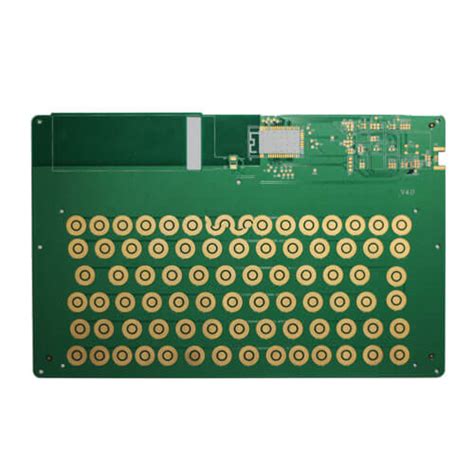
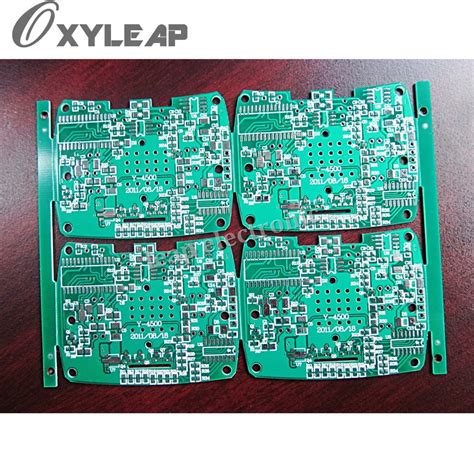
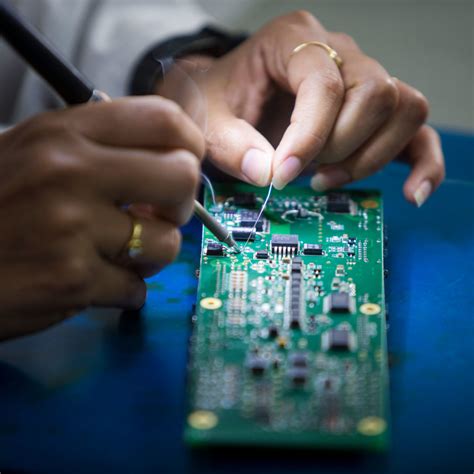
In order to understand PCB assembly, it is essential to examine the key components and materials that are fundamental to the process. At the heart of PCBA are various types of substrates, often made from materials such as FR-4, a composite of woven glass fabric and epoxy resin that offers durability and good thermal performance. Additionally, specialized materials like polyimide are used for flexible circuits, allowing for more complex designs and applications in modern electronics.
Moreover, the electronic components themselves—such as resistors, capacitors, integrated circuits, and various types of connectors—each play a critical role in how a circuit functions. These components are typically sourced from reputable suppliers to ensure quality and reliability in the final product. The choice of solder material is also pivotal; lead-free solder options have become increasingly common due to environmental regulations, thus promoting considerations for sustainability while maintaining the integrity of the connection.
“Selecting high-quality materials is one of the most crucial steps in ensuring a dependable PCB assembly,” experts suggest.
Furthermore, advancements in technology have introduced innovations like surface-mounted devices (SMD), which allow for higher component densities on smaller boards. The integration of these key components along with advanced materials sets the stage for achieving high performance and efficiency in printed PCB assembly, shaping how modern electronics operate. Understanding these components not only aids in efficient design but also minimizes risks during manufacturing processes, thereby enhancing overall product reliability.
The PCB Assembly Process: Step-by-Step Overview
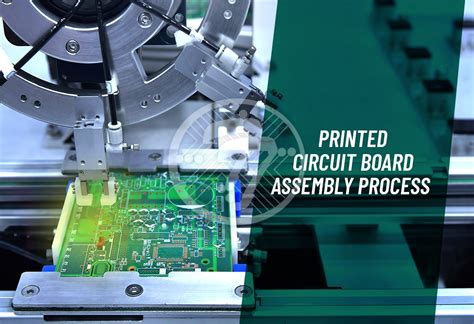
The PCB assembly process involves a series of critical steps that must be executed meticulously to ensure the functionality and reliability of electronic devices. Initially, the process begins with design and fabrication of the printed circuit board (PCB), where the layout is created, and the board is manufactured with precise dimensions. This is followed by surface mount technology (SMT), where surface-mounted components are placed onto the PCB. During this stage, solder paste is applied to designated pads using a stencil to ensure perfect alignment. Next, components are placed on these pads using either automated machines or manual techniques, making sure that components like resistors and capacitors are properly oriented.
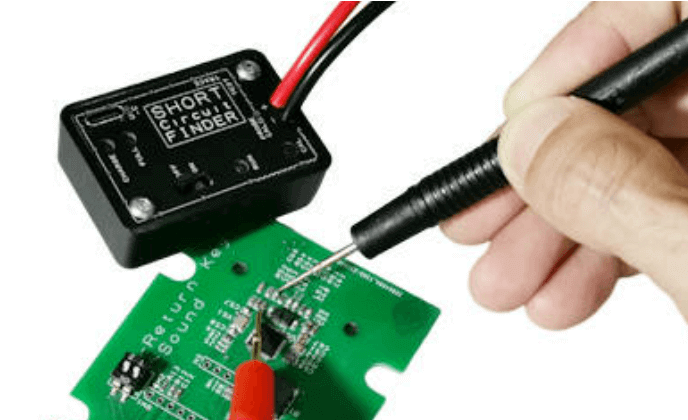
Once placement is complete, the next crucial step involves reflow soldering. This process heats the assembled PCB in a carefully controlled manner to melt solder paste, creating strong electrical connections. Following reflow, there is also a phase known as wave soldering for any through-hole components that need soldering from below the board. After soldering, PCBs undergo thorough inspections through methods such as automated optical inspection (AOI) and manual checks to confirm that all components are in place and functional.
After quality assurance checks are performed, any necessary repairs or adjustments can be made before moving on to testing phases that verify electrical performance through various protocols such as functionality tests and stress tests. Each step contributes significantly to enhancing PCBA reliability while efficiently preparing it for integration into larger electronic systems. The careful execution of these processes ultimately ensures that modern electronics meet industry standards for performance and durability.
Techniques for Enhancing PCB Assembly Efficiency
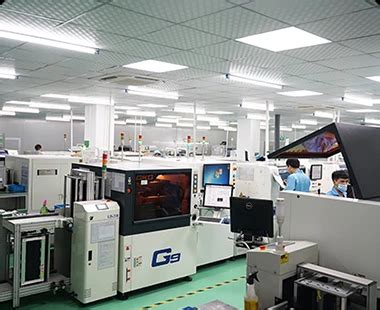
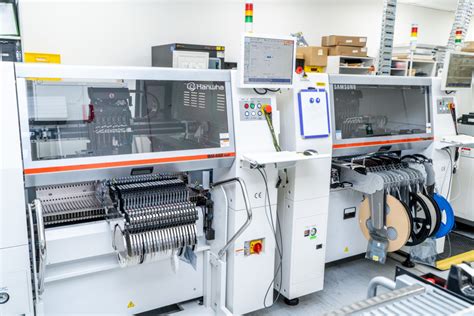
In the realm of printed PCB assembly (PCBA), efficiency is paramount to ensure high-quality production and reduced costs. One effective technique to enhance PCB assembly is the utilization of automated assembly systems. These systems can significantly speed up the placement of components on the circuit board, ensuring precise alignment and reducing human error. Moreover, integration of advanced software for process management and real-time monitoring plays a critical role in identifying bottlenecks, thus optimizing workflow. Another vital approach is the use of surface mount technology (SMT), which allows for smaller components to be placed directly onto the surface of a printed circuit board. This not only minimizes space but also enables quicker assembly times. Additionally, implementing thorough training programs for operators ensures they are well-versed in handling both traditional and modern assembly techniques, thereby increasing their productivity. Lastly, regular maintenance and upgrading of assembly equipment can lead to improvements in both speed and accuracy in PCBA, making these techniques essential for anyone looking to enhance their PCB assembly efficiency.
Innovations and Technologies in Modern PCB Production
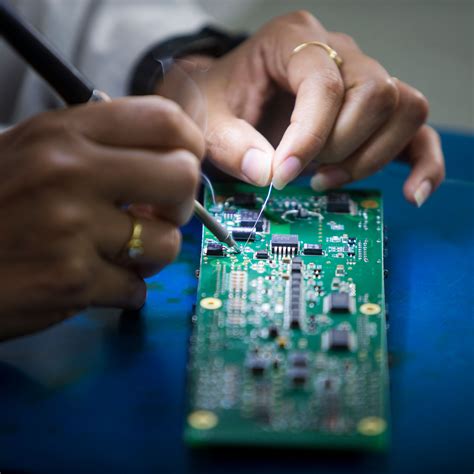
The evolution of pcb assembly techniques has been significantly influenced by a variety of innovative technologies that enhance production efficiency and reliability. One notable advancement is the adoption of automated assembly processes, which utilize robotic systems to place components with high precision, reducing human error and accelerating production times. Additionally, the implementation of surface mount technology (SMT) has transformed pcba by allowing components to be mounted directly onto the surface of the circuit board, enabling smaller designs with increased functionality.
Recent developments in materials science also play a crucial role in modern pcb assembly. The use of advanced substrates and laminates, such as those with improved thermal conductivity or reduced dielectric loss, helps to optimize circuit performance under various operational conditions. Furthermore, innovations like flexible PCBs are gaining popularity as they enable new designs that can bend and conform to specific shapes, which is particularly valuable in consumer electronics.
To support these advancements, up-to-date software solutions are being integrated into the design and manufacturing processes. These platforms facilitate better simulation and testing before physical production occurs, ensuring that potential issues are identified early on. Coupled with sophisticated quality control measures, these innovations lead to enhanced reliability in final products.
Overall, the landscape of pcb assembly is continuously evolving due to these technological advancements. As manufacturers adopt new methods and materials, they create more efficient processes that not only improve the performance of electronic devices but also drive down costs while meeting increasing demand for compactness and functionality in modern electronics.
Challenges in Printed PCB Assembly and Solutions
The field of pcb assembly is not without its challenges, which can impact the efficiency and reliability of the final electronic products. One significant issue is the complexity of designs that increasingly incorporate smaller components, making manual assembly difficult and prone to errors. As a solution, automated assembly techniques have been developed, allowing for precise placement of components and reducing human error. Additionally, quality control during the pcba process is essential in identifying defects early. Implementing advanced inspection technologies such as Automated Optical Inspection (AOI) can help detect flaws that might otherwise go unnoticed. Another challenge lies in the sourcing of materials; fluctuations in supply chains can lead to delays or increased costs. To mitigate this, companies are advised to develop robust relationships with multiple suppliers to ensure a steady flow of necessary materials. Moreover, thermal management issues can affect circuit board performance, especially as components generate heat. Utilizing advanced materials that offer better thermal conductivity or designing for heat dissipation during the initial design phase can effectively address these concerns. By proactively addressing these challenges with innovative solutions, manufacturers can enhance their pcba processes and ensure higher standards in modern printed PCB assembly practices.
Future Trends in Printed PCB Assembly for Electronics
As the electronics industry continues to evolve, the future of printed PCB assembly (or PCBA) is marked by several emerging trends that promise to enhance its efficiency and sustainability. One significant trend is the growing adoption of automation and robotics, which streamline the pcb assembly processes, reducing human error and increasing production rates. Companies are increasingly investing in smart factory technologies, integrating Internet of Things (IoT) capabilities that allow for real-time monitoring and data analysis, thus optimizing workflows in PCBA.
Moreover, as consumer demand leans toward more compact devices, the use of miniaturization techniques is becoming more prevalent. This not only entails reducing the size of components but also advances in materials like flexible substrates that enable the manufacture of thinner and more complex circuit boards. Another noteworthy development is focused on sustainability; manufacturers are exploring eco-friendly materials and processes to minimize waste in printed PCB assembly. This includes advancements like lead-free soldering options and recycling initiatives designed to create more sustainable production cycles.
Additionally, there’s an increasing emphasis on design for manufacturability, which integrates industry collaborations that foster innovation from the very start of product development—ensuring that products are both easy to produce and maintain. Collectively, these trends signify that pcb assembly will not only adapt to meet the needs of modern electronics but will also lead this sector into a smarter, greener future. As these innovations unfold, they will likely reshape expectations around efficiency, reliability, and sustainability in electronic manufacturing.
Conclusion
In summary, printed PCB assembly stands as a cornerstone in the realm of modern electronics, bridging the gap between innovative design and functional reliability. The significance of PCBA extends beyond mere manufacturing, influencing everything from consumer electronics to large-scale industrial applications. By embracing cutting-edge techniques and improvements in the pcb assembly process, manufacturers enhance efficiency while maintaining stringent quality control. The potential challenges encountered during assembly are not insurmountable; by employing tailored solutions and integrating innovative technologies, these hurdles can be effectively addressed. As we look to the future, the ongoing advancements in printed PCB assembly will undoubtedly continue to shape the landscape of electronics production, fostering a path toward greater sustainability and smarter designs. Understanding these dynamics is essential for anyone involved in electronics manufacturing, underscoring the relevance of mastering both the foundational and advanced aspects of pcba processes.