Understanding PTH Assembly Techniques and Applications

Key Takeaways
PTH (Pin Through Hole) assembly techniques play a crucial role in modern pcb assembly processes, particularly in the realm of pcba (printed circuit board assembly). By understanding the distinct methodologies involved in PTH assembly, manufacturers can significantly enhance their workflow and output quality. These techniques are characterized by their unique approach to integrating components onto electronic boards, offering several advantages such as increased durability and reliability. Moreover, as PTH assemblies lend themselves well to various applications—from consumer electronics to automotive components—embracing these technologies can lead to better performance and longevity of products. The optimization of PTH processes is also vital for improving production efficiency, allowing businesses to reduce operational costs while maintaining high standards for quality control. This contemporary focus on refining production systems through effective PTH methodologies positions companies advantageously in an increasingly competitive market landscape, ensuring that they can meet growing consumer demands with confidence. Emphasizing these aspects not only underscores the importance of PTH assembly techniques but also highlights their critical function in the evolution of manufacturing practices today.
Introduction to PTH Assembly Techniques
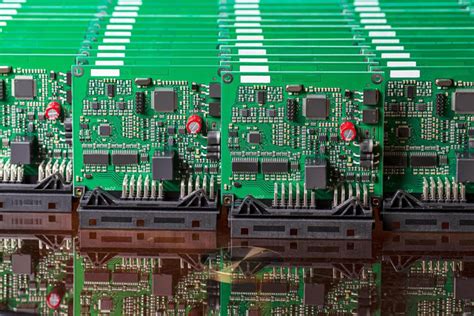
PTH assembly, or Plated Through-Hole assembly, is a vital technique in the world of pcb assembly that involves the joining of electronic components to a circuit board by inserting leads into holes that are then plated. This method provides a reliable and sturdy connection, making it particularly popular for pcba processes where durability is crucial. The technological advancements in PTH assembly have significantly influenced manufacturing practices, driving improvements in both performance and efficiency. By ensuring that components are securely anchored, this method helps reduce the risk of disconnections during operation, ultimately leading to a more reliable end product.
One primary advantage of PTH assembly techniques is their proficiency in handling heavy components that require additional mechanical strength. This capability is essential in industries that demand stringent performance standards, such as automotive and aerospace sectors. Below is a comparative table highlighting the critical aspects of PTH assembly along with its alternatives:
| Feature | PTH Assembly | SMT (Surface Mount Technology) |
|---|---|---|
| Connection Type | Through-Hole | Surface Mount |
| Mechanical Strength | High | Moderate |
| Component Variety | Wide | Limited |
| Manufacturing Cost | Generally Higher | Generally Lower |
| Repairability | Easier | More Complex |
Understanding these distinctions helps manufacturers choose the appropriate joining techniques based on their specific needs and production goals. As modern manufacturing continues to evolve, exploring these assembly techniques can lead to enhanced operational efficiencies and product performance across various applications.
Key Methodologies in PTH Assembly
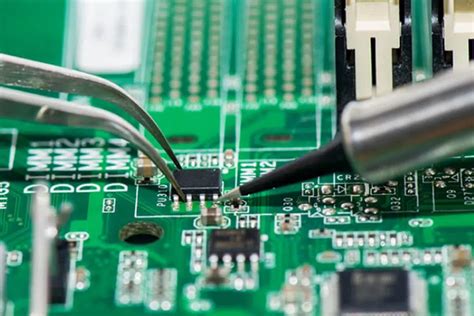
PTH (Plated Through-Hole) assembly is a pivotal process in pcb assembly, where components are affixed to a printed circuit board through plated holes. The key methodologies utilized in PTH assembly focus on several critical techniques aimed at enhancing the integrity and reliability of the final product. One of the foremost methodologies is the wave soldering technique, which efficiently bathes the entire PCBA (Printed Circuit Board Assembly) in molten solder, thus ensuring even distribution and solid mechanical connections. Another vital approach is manual soldering, which, although more labor-intensive, allows for intricate work and adjustments for delicate components that require precise handling.
Furthermore, robotic soldering has emerged as a game-changer in increasing throughput while maintaining consistent quality. This method capitalizes on automation’s potential, reducing human error and enhancing operational efficiency. “For manufacturers to gain a competitive edge, embracing advanced technologies like robotic soldering is essential,” suggests industry expert Dr. Emily Chen.
Additionally, the process includes the use of reflow oven techniques for surface-mount devices alongside traditional through-hole components, integrating both strategies into a coherent assembly process that maximizes production efficiency. Each methodology contributes uniquely to ensuring that the assembled products meet stringent quality standards while catering to a variety of applications across industries. In summary, understanding these key methodologies not only optimizes PTH assembly processes but also uplifts overall production reliability, ensuring that manufacturers can keep up with ever-evolving technological demands.
Advantages of PTH Assembly in Manufacturing
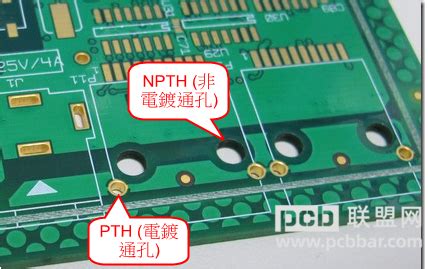
Plated Through Hole (PTH) assembly, often a cornerstone in the realm of PCB assembly, brings forth numerous advantages that enhance manufacturing processes. One of the primary benefits of PTH assembly is its excellent mechanical strength, which is crucial for components subjected to stress and vibration during operation. The through-holes provide a robust physical connection, ensuring that components remain securely attached even in harsh environments. Additionally, PTH technology allows for flexibility in component placement; enthusiasts and professionals alike appreciate how it facilitates the integration of both surface mount and through-hole components on a single PCBA.
Moreover, the use of PTH assembly significantly improves electrical connectivity. The plated through holes provide low-resistance pathways that are essential for high-frequency applications. This feature is particularly advantageous in modern manufacturing, where performance and reliability are paramount. Another notable advantage is the ease of rework; if a component fails or needs replacement, PTH technology allows for simpler extraction without compromising surrounding circuitry.
Cost-effectiveness is yet another compelling aspect; while initial setup costs may be higher due to the required technology and machinery, the long-term savings from reduced failure rates and enhanced product life cycle often justify the investment. Ultimately, adopting PTH assembly not only boosts production efficiency but also positions manufacturers to meet evolving market demands with confidence. Whether aiming for lightweight applications or intricate designs, the merits of this technique make it an invaluable asset in contemporary PCB assembly practices.
Diverse Applications of PTH Assembly
The PTH assembly technique serves a pivotal role in a variety of sectors, showcasing its versatility across different applications. In the realm of pcb assembly, PTH (Plated Through Hole) components are integrated into printed circuit boards to enhance the structural integrity and reliability of electronic devices. This is particularly significant in industries such as automotive, aerospace, and consumer electronics, where durability is paramount. One notable application is in the manufacturing of pcba (printed circuit board assembly) for complex electronic systems that require robust connections to withstand vibrations and thermal stress. Furthermore, the PTH assembly technique allows for faster production cycles due to its compatibility with automated processes, thereby improving overall manufacturing efficiency. In addition to electronics, this technique plays a crucial role in medical device production where precision and reliability are critical. As industries strive for more compact and efficient designs, the adaptability of PTH assembly continues to be instrumental in meeting evolving market demands while ensuring high-quality standards are maintained throughout the production cycle. Whether it’s enhancing device performance or extending product life, the diverse applications of PTH assembly highlight its essential contribution to modern manufacturing practices.
Optimizing PTH Processes for Efficiency
To achieve superior efficiency in PTH assembly, manufacturers must focus on several key strategies that streamline operations and reduce waste in the production cycle. One essential approach is the integration of automated systems in the pcb assembly process, which not only speeds up production rates but also enhances precision. Utilizing advanced machinery and robotics can significantly minimize human error, leading to a more reliable pcba output.
Furthermore, adopting lean manufacturing principles enables companies to identify and eliminate inefficiencies. By scrutinizing workflow patterns and optimizing material handling processes, manufacturers can ensure that every step of PTH assembly contributes positively to productivity. Implementing real-time monitoring systems allows for immediate feedback during the production cycle, facilitating quick adjustments that maintain quality standards while maximizing throughput.
Another vital aspect is investing in employee training programs focused on PTH techniques, empowering staff with the necessary skills to operate modern tools and understand sophisticated methodologies. Collaboration between departments can foster innovative ideas for process improvement; hence establishing an inclusive environment is essential for problem-solving.
In addition, leveraging data analytics aids in predicting potential bottlenecks, enabling preemptive measures that further optimize pcb assembly processes. By adopting such multi-faceted strategies, businesses can enhance their overall efficiency in PTH processes while maintaining high-quality outputs essential for today’s competitive market.
Challenges in PTH Assembly and Solutions
The PTH assembly process, while advantageous, presents several challenges that can affect efficiency and quality in pcb assembly. One significant challenge is the misalignment of components, which can lead to defects in the pcba. This misalignment may occur due to factors such as inaccurate positioning during assembly, improper handling of components, or variations in manufacturing tolerances. To mitigate this issue, manufacturers can adopt advanced alignment technologies that enhance precision during the placement phase. Additionally, implementing rigorous quality control protocols throughout the PTH assembly process can help identify alignment discrepancies early on.
Another challenge is thermal management during soldering, which is crucial for ensuring reliable electrical connections. If the thermal profiles are not optimized, heat may either be insufficient or excessive, potentially damaging sensitive electronic components. Solutions include utilizing sophisticated reflow ovens with programmable settings that allow for precise temperature control and ramp-up rates. Moreover, training operators on the importance of thermal profiles can significantly improve soldering outcomes.
Lastly, maintaining a clean working environment is paramount to prevent contamination that could compromise solder joint integrity. To address this concern, regular cleaning schedules and the use of proper handling techniques are recommended. This ensures that dust and debris do not interfere with the pcb assembly process.
By understanding these challenges and implementing effective solutions, manufacturers can enhance the reliability and quality of PTH assembly, leading to superior overall performance in their pcba operations.
Future Trends in PTH Assembly Techniques
The landscape of PTH assembly is evolving rapidly, driven by advancements in technology and the ever-increasing demand for PCB assembly efficiency and precision. One significant trend is the integration of automation within pcba processes, which not only enhances production speeds but also improves accuracy, minimizing the risks associated with manual assembly. Additionally, the shift towards smaller and more complex designs necessitates innovative techniques in PTH assembly, such as the use of advanced soldering methods and intelligent robotics. This transition also aligns with the industry’s move toward sustainable manufacturing practices. By employing eco-friendly materials and processes, manufacturers can significantly reduce waste and energy consumption. Furthermore, as smart technology becomes more prevalent, real-time monitoring systems are being introduced to ensure quality control throughout the entire pcb assembly process. These systems facilitate immediate adjustments based on performance data, leading to enhanced reliability and efficiency. As these trends continue to gain momentum, embracing these innovations will be crucial for manufacturers aiming to stay competitive in an increasingly complex market.
Conclusion
In conclusion, the exploration of PTH (Plated Through Hole) assembly techniques reveals their significant role in the realm of pcb assembly. This method not only facilitates the efficient integration of electronic components but also enhances the durability and reliability of pcba (Printed Circuit Board Assembly) products. The methodologies highlighted throughout the article underscore how these techniques can optimize production workflows, further minimizing defects and downtime. As manufacturers continue to demand higher quality standards and increased efficiency, embracing PTH assembly will play a crucial role in achieving these goals while adapting to the ever-evolving landscape of modern manufacturing. By leveraging these techniques, companies can ensure that their pcb assembly processes not only meet current market demands but also position themselves favorably for future advancements in technology.
FAQs
What is PTH assembly?
PTH assembly, or plated through-hole assembly, is a method used in pcb assembly that involves inserting components through holes in a printed circuit board (PCB) and soldering them on the reverse side. This technique is fundamental for ensuring robust electrical connections.
What are the main benefits of using PTH in PCBA?
The main benefits of using PTH in PCBA include enhanced mechanical strength, improved electrical performance, and better reliability in high-stress environments. This method ensures the components remain firmly in place, especially during vibrations or thermal changes.
Which components are typically suitable for PTH assembly?
Components like resistors, capacitors, and connectors that have leads or pins are commonly used in PTH assembly. These types of components benefit significantly from the mechanical support provided by the through-holes.
How can manufacturers optimize PTH processes for better efficiency?
Manufacturers can optimize PTH processes by adopting advanced automation technologies, improving design layouts to minimize trace distances, and implementing rigorous quality control measures to ensure consistent production outcomes.
Are there any challenges associated with PTH assembly?
Yes, challenges such as solder joint reliability, thermal management during soldering processes, and maintaining consistent quality can arise. However, these can generally be addressed through careful process design and using appropriate materials.
If you’re interested in enhancing your understanding of pcb assembly, please click here: PCB Assembly Services.