Understanding Through Hole PCB Assembly Techniques and Benefits
Key Takeaways
Through hole PCB assembly techniques have long been a staple in the electronics manufacturing sector, providing unique benefits that make them indispensable for various applications. One of the critical advantages of through hole PCB assembly is its ability to support components that require stronger mechanical bonds, ensuring both durability and reliability in electronic devices. This method allows components to penetrate the board and connect directly, reducing the risk of disconnection under stress or vibration compared to other methods. As such, through hole technology is preferred for applications that demand robust performance, such as in automotive and aerospace sectors.
Moreover, the versatility of this approach enables its use in diverse electronic designs. Whether it is for high-power components or devices exposed to adverse conditions, PCBA using through hole techniques can withstand more demanding operational scenarios.
“Choosing the right assembly method can make all the difference in a product’s performance and longevity.”
Employing through hole PCB assembly also allows for easier repairs and modifications since individual components can be replaced without requiring extensive rework of surrounding parts. Overall, understanding these key aspects provides manufacturers with insight into optimizing their production processes and enhancing product quality.
| Benefits of Through Hole PCB Assembly | Description |
|---|---|
| Durability | Stronger physical connections enhance reliability |
| Versatility | Suitable for a wide range of applications |
| Easier Repairability | Simplifies maintenance and upgrades |
| Improved Performance | Better handling of high-power components |
Introduction to Through Hole PCB Assembly
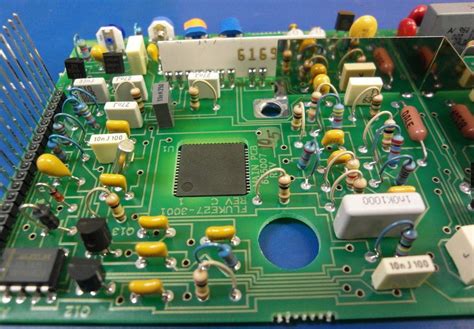
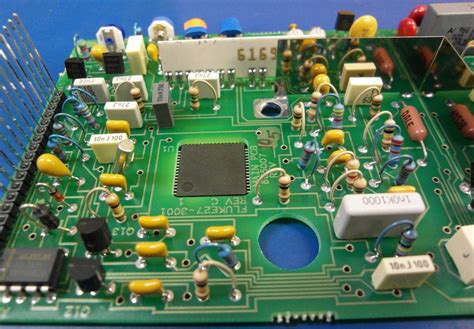
Through hole PCB assembly is a pivotal technique in the fabrication of electronic circuits, characterized by the insertion of component leads through pre-drilled holes in a printed circuit board (PCB). This method has established itself as a time-honored approach within the industry, providing numerous benefits that make it suitable for many applications. It is particularly beneficial for components that require high strength and electrical connectivity due to their robust connections. As a result, this technique is favored for applications where performance and reliability are paramount, such as in automotive and medical devices. During the pcba process, soldering is typically performed on the reverse side of the board, creating durable electrical connections. The mechanical stability afforded by through hole technology often surpasses that provided by surface mount techniques, allowing designs to endure harsh environmental conditions and mechanical stress. Furthermore, this method accommodates a wide range of component sizes and types, making it versatile in various electronic applications. As industries continue to evolve, understanding the intricacies of through hole PCB assembly remains essential for engineers seeking durable and reliable solutions in their electronic designs.

Key Techniques in Through Hole PCB Assembly
Through hole PCB assembly (also known as PCBA) remains a fundamental method in the manufacturing of electronic devices. The process typically involves inserting component leads through drilled holes in the printed circuit board and securing them with solder on the opposite side. One of the key techniques is thermal profiling, which ensures that the solder reaches the optimal temperature for melting and proper adhesion to both the leads and the PCB. Another crucial technique is wave soldering, ideal for high-volume production as it offers a uniform application of solder across multiple components simultaneously. Additionally, manual soldering remains vital for assembling less common or delicate components where precision is imperative.
Other techniques include selective soldering, which allows for targeted application of solder only where needed, reducing waste and potential damage to other parts of the board. Each method plays a significant role in enhancing assembly efficiencies while maintaining high standards of quality and reliability in the final product. As technology continues to advance, integrating automated systems into these techniques has improved accuracy substantially while streamlining production timelines.
The choice among these techniques often hinges on several factors including component density, required durability, and overall production volume, making it essential for manufacturers to assess their specific needs when implementing through hole PCB assembly methodologies.
Advantages of Through Hole PCB Assembly over Surface Mount
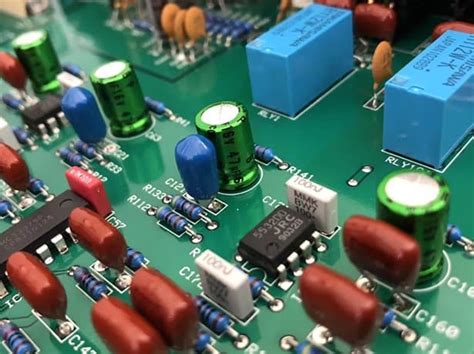
When evaluating pcb assembly techniques, it’s essential to consider the advantages of through hole technology over surface mount. One of the primary benefits is the enhanced mechanical strength that through hole PCB assembly offers. The leads of components are inserted into holes on the printed circuit board and soldered on the opposite side, providing a strong physical connection that is less likely to fail under stress or thermal cycling compared to surface-mounted devices. This durability is particularly advantageous in applications where devices are subjected to vibration or movement, as it reduces the risk of component detachment during use.
Moreover, through hole technology facilitates easier pcba repairs and modifications because components can be accessed and replaced with relative ease. In contrast, surface mount components can be more challenging to handle due to their miniature size and placement on the board’s surface. Additionally, through hole assembly supports a broader range of component types compared to its counterpart, allowing designers greater flexibility in selecting parts for their electronic designs.
The ability of through hole assemblies to withstand high power and current loads without overheating makes them ideal for applications requiring robust performance. As a result, many industries still favor this method for specific applications where reliability is non-negotiable. Ultimately, choosing between through hole and surface mount technologies depends on various project requirements; however, the distinct advantages associated with through hole PCB assembly often make it an indispensable technique in electronic design.
Applications of Through Hole Technology in Electronic Design
Through hole technology plays a crucial role in the field of PCB assembly due to its unique advantages that make it suitable for various applications. One prominent use of through hole PCBA is in the production of robust circuit boards found in industrial machinery, where the need for durability and long-term reliability is paramount. Additionally, through hole components are commonly utilized in aerospace and automotive electronics, where performance under extreme conditions is vital. These applications benefit greatly from the strong mechanical connection provided by through hole assembly, ensuring that components remain securely attached, even under vibrations or shocks. Other areas include telecommunications and healthcare devices, where ensuring dependable functionality can be critical; here, the through hole method accommodates larger components that might be necessary for complex designs. Furthermore, the versatility of this technique allows for easy modifications and repairs—an essential aspect when working with intricate electronic systems. As such, through hole technology remains an enduring choice for manufacturers committed to delivering high-quality electronic designs that demand durability and dependable performance across various industries.
The Role of Through Hole PCB in Enhancing Durability and Reliability
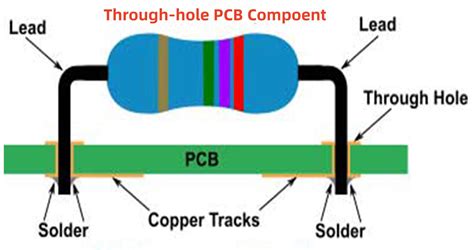
Through hole PCB assembly plays a critical role in the longevity and dependability of electronic components. The nature of this technique allows for components to be inserted into holes that are drilled through the printed circuit board, where they are then soldered into place. This method offers superior mechanical strength compared to alternative techniques such as surface mount technology. The robust connections established through pcba ensure that the components are less prone to damage caused by vibration, thermal cycling, and mechanical stress. Furthermore, through hole technology allows for larger components, which can dissipate heat more effectively and accommodate higher power levels, contributing to overall system reliability. In applications where durability is paramount—such as military and aerospace sectors—through hole pcb assembly proves essential. Its proven efficacy in maintaining stringent performance standards makes it a preferred choice among engineers who prioritize resilience in their designs. With its capacity for handling demanding requirements, the adoption of through hole techniques significantly enhances the operational lifespan of electronic devices, making it a valuable asset in contemporary electronic design.
Common Challenges and Solutions in Through Hole PCB Assembly
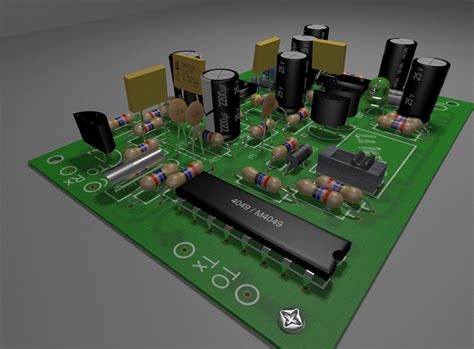
Through hole PCB assembly presents a unique set of challenges that require careful consideration and effective strategies for resolution. One common issue faced during the PCBA process is the difficulty in achieving precise alignment of components, especially when dealing with larger or heavier components that can shift during soldering. To counter this, employing fixtures or jigs can help maintain proper alignment, ensuring that the holes are correctly filled with solder. Another challenge is the increased time and complexity associated with manual assembly tasks, which can lead to operational inefficiencies. Implementing semi-automated techniques can streamline these tasks, reducing labor costs while maintaining quality standards. The thermal management during soldering is also critical; excessive heat can damage components or lead to unreliable connections. Balance can be achieved by using temperature-controlled soldering techniques to ensure that all components receive uniform heat without compromising integrity. Additionally, securing thorough cleaning processes post-assembly is essential to combat oxidation and other contaminants that could affect the PCBA performance. By addressing these challenges with innovative solutions, manufacturers can enhance the effectiveness of through hole technology while maximizing its inherent benefits such as durability and reliability in electronic applications.
Future Trends in Through Hole PCB Techniques
As technology continues to evolve, so do the techniques employed in through hole PCB assembly. A noticeable trend is the increasing integration of automation in the pcba process, which enhances precision and reduces the potential for human error. Robotics are being utilized to streamline various stages of assembly, from component placement to soldering. Alongside automation, there’s a growing emphasis on hybrid designs that combine both through hole and surface mount technologies. This approach allows designers to harness the strengths of each technique, ensuring optimal performance for a wide array of applications. Sustainability is another key focus, with manufacturers striving to minimize waste through improved material handling and recycling methods during the pcb assembly process. Additionally, advancements in materials science are leading to newer soldering materials that promise enhanced electrical conductivity and thermal performance. Ultimately, these trends not only aim to improve efficiency but also enhance the overall durability and reliability of electronic devices through through hole technology, ensuring they meet the stringent demands of modern applications.
Conclusion
In summary, through hole PCB assembly is a critical technique within the sphere of electronic design, offering unique advantages that have stood the test of time. This method of PCB assembly allows for greater durability and reliability, making it particularly suited for applications that demand high performance in challenging environments. The mechanical bonding of components through holes in the circuit board provides enhanced stability compared to surface mount technology, ensuring that devices can withstand vibrations and thermal stresses without compromising functionality. Additionally, the process facilitates easier manual assembly and inspection, which can be a vital aspect in prototyping and low-volume production scenarios. As the electronics industry continues to evolve, the relevance of through hole PCBA remains significant. By understanding these fundamental aspects and appreciating the benefits associated with this technique, designers can make informed decisions that lead to superior electronic products capable of meeting increasingly complex consumer demands. Thus, acknowledging the merits of through hole technology is essential for advancing reliable and effective electronic solutions in today’s market.
FAQs
What is through hole PCB assembly?
Through hole PCB assembly (PCBA) is a method where electronic components are mounted on a printed circuit board (PCB) using leads that pass through holes in the board. This technique ensures strong mechanical connections and is often preferred for components that require greater durability.
What are the benefits of using through hole techniques in PCBA?
The advantages of through hole techniques include enhanced structural integrity, the ability to handle higher levels of heat, and better performance in vibration-prone applications. Additionally, certain components, especially those with larger sizes or higher power ratings, benefit significantly from this assembly method.
How does through hole technology compare to surface mount technology (SMT)?
While both techniques have their unique benefits, through hole technology provides superior durability and is often better suited for components that must endure physical stress. In contrast, SMT offers advantages in compact design and allows for higher circuit densities.
Where is this technique commonly applied?
Through hole PCB assembly applications range from industrial equipment and automotive devices to consumer electronics. Its reliability makes it particularly useful in sectors where durability is critical.
What challenges are associated with through hole PCB assembly?
Some common challenges of PCB assembly with through holes include increased manufacturing costs and longer production times compared to SMT. However, these issues can often be mitigated with careful planning and by employing skilled technicians.