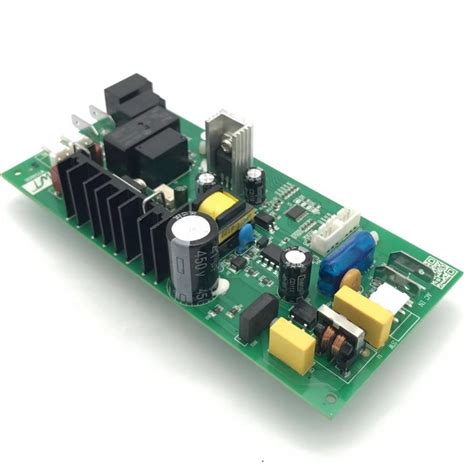
Unlocking Innovation: The Future of Board PCBA Technology
Key Takeaways
Board PCBA technology is at the forefront of modern electronics, demonstrating its value as a transformative force in the manufacturing sector. Recent innovations in pcb assembly are enhancing overall performance and efficiency, allowing companies to meet consumer demands with greater speed and reliability. These advancements include the adoption of flexible circuit designs, which cater to the growing trend for compact and lightweight electronic devices. Additionally, sophisticated automation processes are streamlining production lines, reducing human error and lowering costs. The integration of smart technologies into pcba processes not only increases efficiency but also ensures that products can seamlessly connect within the Internet of Things (IoT) ecosystem. These emerging trends illustrate a promising future for board PCBA, where continued innovation will drive further enhancements in functionality and design robustness. Stakeholders must stay informed about these developments to harness new potentials effectively while navigating the challenges associated with rapid technological evolution.
Introduction to Board PCBA Technology: A Transformative Force in Electronics
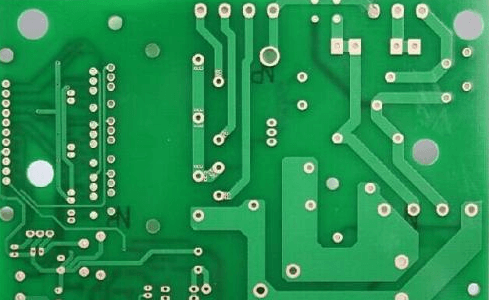
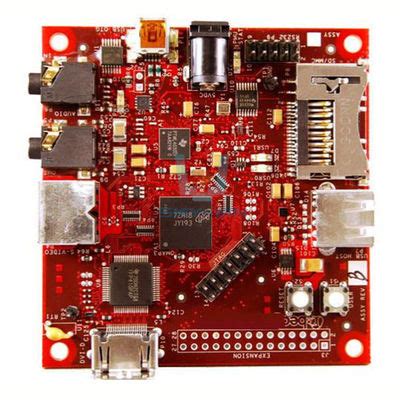
The realm of PCB assembly has seen significant evolution, particularly with advancements in PCBA (Printed Circuit Board Assembly) technology. This transformative change is driven by a combination of innovative design techniques and a focus on efficiency, culminating in electronics that are not only smarter but also more adaptable to consumer needs and manufacturing capabilities.
The deployment of advanced materials and processes enhances the functionality and performance of electronic devices. For instance, the integration of multilayer PCBA designs allows for greater circuit density while maintaining performance, facilitating miniaturized devices without sacrificing efficiency. Additionally, modern manufacturing techniques, such as surface mount technology (SMT) and automated inspection systems, have streamlined production processes.
| Technology Component | Description |
|---|---|
| Surface Mount Technology | Allows for compact components to be mounted directly on the surface of circuit boards. |
| Automated Inspection Systems | Utilize advanced imaging techniques to ensure quality control during PCB assembly. |
“Innovation in board design is paving the way for the next generation of electronics.” This quote encapsulates how ongoing advancements in PCBA are critical for facilitating new applications across various industries. As consumers demand increasingly sophisticated functionality from their devices, the emphasis on smart technology integration continues to drive this innovation forward.
In summary, the impact of board PCBA technology is profound; it serves as a cornerstone for advancements that shape modern electronics. As we explore further into innovative design techniques and efficiency improvements, it becomes clear that board PCBA will remain at the forefront of technological transformation within the industry.
Innovative Design Techniques: Pushing the Boundaries of Board PCBA
As the demand for more sophisticated electronic devices increases, innovative design techniques in pcb assembly are becoming essential for advancing PCBA technology. These techniques involve a harmonious blend of creative engineering and cutting-edge materials to enhance functionality while reducing size and weight. For instance, the integration of multilayer boards allows for greater circuit density, enabling manufacturers to achieve more compact designs without sacrificing performance. Additionally, the use of advanced simulation software facilitates precise modeling during the design phase, helping to identify potential issues early and optimize layouts effectively. The move towards high-frequency materials has also played a significant role in enhancing signal integrity within pcba, vital for today’s high-speed applications. Automation in manufacturing processes further complements these design innovations, improving accuracy and significantly reducing production times. As these design techniques evolve, they not only push the boundaries of what’s possible in electronics but also pave the way for a new era where PCBA is integral to smart technology solutions, ultimately enhancing user experience across various applications.
Efficiency Improvements in Board PCBA Manufacturing: Trends and Techniques
As the demand for more sophisticated electronics continues to rise, efficiency improvements in board PCBA manufacturing have become a focal point for innovators in the industry. One significant trend shaping this evolution is the adoption of advanced automation technologies, which streamline the pcb assembly process and enhance precision. By integrating robotics and intelligent software solutions, manufacturers can reduce human error, thereby increasing both the speed and accuracy of pcba production. Moreover, the shift towards modular assembly techniques permits greater flexibility—allowing manufacturers to respond more swiftly to evolving market needs while minimizing waste. Alongside these advancements, developments in materials science are yielding new substrates that boast improved thermal and electrical performance, contributing to more reliable final products. Additionally, implementing data-driven analytics within manufacturing processes can identify bottlenecks quickly, leading to continuous improvement initiatives that focus on efficiency gains. Thus, these trends represent a concerted effort to enhance not only the efficiency of board PCBA manufacturing but also to drive overall sustainability within the industry. As such advancements unfold, they lay the groundwork for a new era of smart technology integration, further reinforcing the importance of cutting-edge pcba solutions in modern electronics.
Smart Technology Integration: How Board PCBAs are Shaping the Future
As the landscape of electronics continues to evolve, pcb assembly and PCBA technologies are at the forefront of innovations, driving significant changes in smart technology integration. The seamless integration of advanced functionalities within compact circuits allows devices to become increasingly intelligent, responding intuitively to user needs and environmental factors. This shift toward smart electronics is fueled by sophisticated pcba processes where multi-functional components can coexist on a single board, enabling devices to perform complex tasks with minimal space. The adoption of Internet of Things (IoT) devices exemplifies this trend, as diverse sensors and communication modules are now commonly embedded within a single PCBA, enhancing device connectivity and functionality. Furthermore, with the rise of edge computing, pcb assembly techniques are ensuring that data processing capabilities are integrated directly onto the board, thereby reducing latency and improving user experience. As manufacturers continue to refine their approaches to design and production, the synergy between board PCBA technology and smart applications will undoubtedly lead to groundbreaking advancements that redefine user interaction with technology, thereby shaping a future teeming with possibilities for both consumers and businesses alike.
Emerging Trends in Board PCBA Technology: What’s Next for the Industry?
The landscape of PCB assembly is rapidly evolving, driven by a blend of technological advancements and shifting market demands. One of the most significant emerging trends in board PCBA technology is the integration of IoT applications, which enhance connectivity and facilitate real-time data processing. As manufacturers strive to create smarter devices, incorporating functionalities such as automated diagnostics and self-learning algorithms into PCB designs becomes increasingly essential. Furthermore, the push towards sustainability has led to innovations in materials and manufacturing processes that prioritize environment-friendly practices. Manufacturers are actively adopting reusable materials and optimizing production methods to minimize waste, ensuring that their operations align with global sustainability goals. Another noteworthy trend is the rise of modular designs in PCBA, allowing for more straightforward upgrades and repairs while boosting the longevity of electronic products. This shift not only improves serviceability but also plays a crucial role in reducing overall lifecycle costs. As these technologies continue to evolve, it is clear that board PCBA will play a pivotal role in shaping the future landscape of electronics manufacturing. The ongoing quest for higher efficiency, lower production costs, and innovation underscores a dynamic period for designers and manufacturers alike as they navigate this exciting terrain.
Case Studies: Real-World Applications of Advanced Board PCBA Solutions
The evolution of pcba technology has paved the way for numerous innovative applications across various industries, demonstrating the transformative potential of pcb assembly solutions. One compelling case study comes from the automotive sector, where advanced board PCBA designs have enhanced vehicle communication systems, boosting safety and navigation features. In another instance, medical device manufacturers are increasingly relying on precise pcb assembly techniques for lifesaving equipment, ensuring rigorous standards for performance and reliability are met. Furthermore, consumer electronics are experiencing a surge in demand for compact and energy-efficient devices, prompting companies to invest in sophisticated pcba methods that drive both functionality and sustainability. These real-world applications highlight the diverse benefits of board PCBA, emphasizing its critical role in fostering innovation and improving operational efficiencies within industries that rely heavily on smart technology integration. As these case studies illustrate, the ongoing advancements in pcb assembly not only enhance product performance but also contribute to a more interconnected and technologically advanced future.
Challenges and Solutions in Board PCBA Development and Manufacturing
The landscape of pcb assembly and PCBA development is fraught with challenges that manufacturers must navigate to remain competitive. One significant challenge is the increasing complexity of electronic devices that demand higher levels of integration. As products evolve, the trend towards miniaturization necessitates that pcba manufacturers develop more compact yet efficient designs. Confronted with this demand, the industry must innovate continuously to create board PCBA solutions that not only meet size specifications but also enhance performance. Another challenge lies in ensuring quality control throughout the manufacturing process. As components become smaller and designs more intricate, even minor defects can lead to significant failures in functionality. Implementing advanced testing methods and automation can address this concern, ensuring that every pcb assembly adheres to high-quality standards.
Moreover, the supply chain for components has seen disruptions, requiring a more agile response from PCBA manufacturers. Developing strong partnerships with suppliers and investing in predictive analytics can mitigate risks associated with component shortages or delays. Additionally, as environmental regulations become stricter, manufacturers must consider sustainability in their processes. Transitioning to eco-friendly materials and implementing energy-efficient production techniques represent a proactive approach to meet these legislative demands while appealing to environmentally conscious consumers.
Ultimately, while these challenges present obstacles within board PCBA development and manufacturing, they also create opportunities for innovation and growth in the industry as companies strive for excellence in their processes and products.
Conclusion: The Path Forward for Board PCBA Innovations
As the landscape of electronics continues to evolve, the future of board PCBA technology appears bright, characterized by rapid advancements and innovative applications. Emerging from traditional manufacturing practices, pcb assembly techniques are now integrating advanced methodologies that enhance both product performance and manufacturing efficiency. Key driving factors include automation, which significantly speeds up the pcba process while minimizing errors, and innovative design techniques that enable designers to explore new possibilities in circuit layout and functionality. The trend towards miniaturization is also impacting the industry, as devices require smaller, more efficient pcb assemblies that meet modern demands for connectivity and performance. Furthermore, the integration of smart technologies within board PCBA development promises to bridge the gap between hardware and software solutions in electronics, paving the way for more intuitive and functional devices. As we move forward, it is imperative for stakeholders to remain agile and responsive to these trends, embracing collaborative efforts that push the envelope in research and development. The journey ahead will undoubtedly unveil new challenges but offers significant opportunities for those willing to innovate in this dynamic sector.
Conclusion: The Path Forward for Board PCBA Innovations
As we look to the future of board PCBA technology, the potential for innovation is immense. The rapid evolution of pcb assembly processes is fostering an environment where efficiency and performance go hand in hand, enabling manufacturers to meet the rising demand for more complex electronic devices. The integration of smart technologies within PCBA systems continues to pave the way for remarkable advancements, transforming traditional manufacturing methods into streamlined and intelligent solutions. This paradigm shift not only enhances productivity but also encourages sustainable practices that are essential in today’s environmentally conscious market. Furthermore, our exploration into emerging trends suggests that collaboration across various industries will be crucial in addressing upcoming challenges related to pcb assembly intricacies and material limitations. By embracing these changes and focusing on innovation, we can position ourselves at the forefront of an exciting new era in electronics manufacturing where board PCBAs will play an integral role in creating smarter and more connected systems. The path forward is filled with potential, inviting all stakeholders to invest in research, development, and strategic partnerships that can redefine what is possible within this dynamic field.
FAQs
What is board PCBA technology?
Board PCBA technology refers to the process of creating printed circuit board assemblies, or PCBAs, which are essential components for building electronic devices. This technology integrates various electronic components onto a single board, enhancing functionality and performance.
How does innovative design impact PCBAs?
Innovative design techniques in pcb assembly result in improved space utilization, greater energy efficiency, and enhanced signal integrity. These advancements enable manufacturers to create more compact and powerful electronic devices while keeping production costs down.
What are the efficiency improvements observed in PCBA manufacturing?
Efficiency improvements in pcba manufacturing include automation of processes, advanced testing methods, and the use of high-quality materials. These developments help streamline production while reducing waste and increasing throughput.
How is smart technology integration relevant to PCBAs?
Smart technology integration involves embedding intelligence into pcb assembly, allowing devices to communicate and respond intelligently. This capability plays a crucial role in the evolution of smart homes, IoT devices, and advanced computing systems.
What emerging trends are shaping the future of board PCBA technology?
Emerging trends include miniaturization of components, increased use of sustainable materials, and enhanced connectivity options such as 5G. These trends are paving the way for more advanced applications in sectors like automotive, healthcare, and consumer electronics.