Unlocking Innovation: The Power of 6 Layer PCB Prototypes
Key Takeaways
When considering 6 layer PCB prototypes, it’s essential to recognize their significant role in unlocking design flexibility. These prototypes allow designers to efficiently manage complex circuitry, enabling integration of more components in a reduced space without compromising performance. This flexibility often translates into substantial advantages during the pcb manufacturing process. By collaborating with reliable pcb manufacturing companies, you can streamline the integration of intricate designs while minimizing complications in production. Understanding pcb manufacturing cost is also crucial, as the investment in 6 layer PCBs can lead to considerable long-term benefits. Not only do they reduce the number of interconnected boards, but they also enhance overall performance by improving signal integrity and minimizing electromagnetic interference. If you are venturing into the pcb manufacturing business, leveraging these advanced prototypes can differentiate your offerings and meet the demands of modern electronic applications effectively.
Unlocking Design Flexibility: The Role of 6 Layer PCB Prototypes
When it comes to modern electronic devices, 6 layer PCB prototypes represent a significant advancement in effective design. The complexity of today’s gadgets requires intricate circuitry that can only be achieved through advanced pcb manufacturing techniques. By utilizing a 6 layer design, you gain the ability to create compact circuits capable of supporting various functionalities without compromising performance. This flexibility allows you to optimize the pcb manufacturing cost while enhancing the overall layout efficiency, streamlining your production processes.
Furthermore, engaging with reputable pcb manufacturing companies not only provides you access to high-quality materials and innovative technologies but can also facilitate a smoother collaboration between engineers and manufacturers. As you navigate the intricacies of your pcb manufacturing business, this collaboration becomes vital in addressing potential design challenges and ensuring that performance requirements are met. The role of 6 layer PCB prototypes is thus critical in enabling designers like you to push boundaries and bring innovative ideas to fruition in ever-evolving tech landscapes.
Enhanced Performance: Advantages of Utilizing 6 Layer PCBs
When you consider the impact of 6 layer PCBs, you quickly realize that their design can significantly enhance the performance of your electronic products. One of the primary advantages is the ability to support a higher density of components, which is crucial for modern devices that demand efficiency and compactness. By utilizing 6 layer PCBs, you are effectively optimizing your layouts, allowing for shorter signal paths and reduced electromagnetic interference. This translates into improved signal integrity and performance—factors critical in today’s fast-paced technology landscape.
Moreover, these PCBs offer greater flexibility in design. With multiple layers, you can easily implement intricate designs that accommodate advanced functionalities without sacrificing space. This can be especially beneficial when working with PCB manufacturing companies that prioritize innovation; they often leverage 6 layer designs to meet evolving market demands. When evaluating your options, it’s also essential to consider the cost effectiveness during PCB manufacturing, as investing in a good PCB design may lead to significant savings in assembly time and material costs in the long run.
Here’s a brief overview illustrating some advantages of using 6 layer PCBs:
| Advantage | Description |
|---|---|
| Design Density | Supports more components without increasing size. |
| Signal Integrity | Reduced interference leads to better performance metrics |
| Thermal Management | Enhanced multi-layer structures improve heat dissipation capabilities. |
| Flexibility and Innovation | Allows for complex designs that cater to various applications across industries. |
In conclusion, adopting 6 layer PCB technology is not just a matter of superiority; it’s about enabling your projects to thrive in a competitive environment by harnessing these advantages effectively while keeping an eye on the overall PCB manufacturing cost involved. This step can help bolster your PCB manufacturing business, paving the way for future innovations and technological advancements tailored precisely to your needs.
Manufacturing Insights: Tips for Creating 6 Layer PCB Prototypes
When embarking on the journey of 6 layer PCB prototypes, understanding the intricacies of pcb manufacturing is crucial. The process involves several steps that require precision and attention to detail. First and foremost, selecting the right materials can significantly affect both performance and cost. Partnering with reputable pcb manufacturing companies allows you to gain insights into material options that suit your design needs while optimizing overall functionality.
Moreover, focusing on pcb manufacturing cost considerations is imperative, as the complexity of a 6-layer design may increment costs substantially. It’s wise to look into bulk ordering or long-term contracts with manufacturers to help mitigate expenses.
“Always communicate your requirements clearly with your manufacturer; this ensures they can assist in achieving your design goals efficiently.”
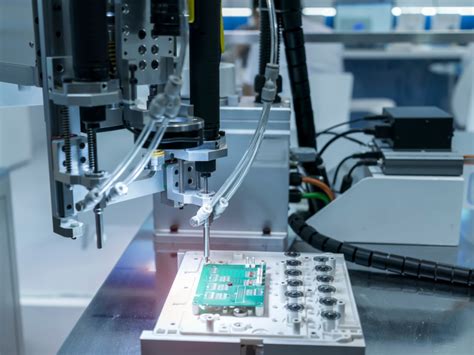
Additionally, utilizing advanced pcb manufacturing business practices such as automated pick-and-place machines can enhance accuracy and efficiency in the prototyping phase. By implementing these strategies, you can streamline the production process while ensuring high-quality standards are met. Emphasizing collaboration with engineers during the design phase is also beneficial; their expertise can guide the layout optimization for reliability and performance enhancements in your prototypes.
Through careful planning and execution within these aspects of 6 layer PCB prototyping, you position yourself to leverage innovation effectively in your electronic devices while contributing to broader advancements in technology across various sectors.
Applications Across Industries: Where 6 Layer PCBs Shine
The versatility of 6 layer PCBs allows them to excel across a multitude of industries, catering to the diverse needs of modern technology. In the telecommunications sector, for instance, these PCBs are essential for high-speed communication devices that require compact yet efficient layouts. Similarly, in the automotive industry, 6 layer PCBs support advanced driver-assistance systems (ADAS) and electric vehicles, where space optimization and reliability are paramount. Moreover, the growing trend in wearable technology benefits immensely from flexible designs that these prototypes offer. By leveraging complex multilayer configurations, you can enhance both performance and functionality in your devices. The burgeoning field of medical tech also finds value in 6 layer PCBs, as they enable smaller devices with intricate circuitry that can handle sensitive tasks like patient monitoring. When evaluating your choice of pcb manufacturing companies, consider their capabilities to produce such advanced prototypes efficiently while managing pcb manufacturing costs effectively. Ultimately, a well-executed pcb manufacturing business prioritizing quality and innovation will lead you to success in any application you choose to explore.
Fostering Innovation: The Impact of 6 Layer PCB Technology
The advent of 6 layer PCB prototypes has significantly influenced the landscape of your pcb manufacturing efforts, allowing you to explore complex designs with enhanced functionality. These prototypes foster innovation by providing the flexibility to integrate multiple layers that can accommodate sophisticated circuitry while maintaining performance standards. In your pursuit to partner with pcb manufacturing companies, it’s vital to recognize that the increased complexity allows for improved signal integrity and reduced electromagnetic interference, which are essential for advanced applications such as telecommunications and aerospace. However, you must also consider the pcb manufacturing cost implications; while the initial investment may be higher due to intricate designs and quality materials, the long-term benefits of reliability and decreased failure rates are invaluable. Engaging in a pcb manufacturing business that prioritizes innovative approaches will enable you to stay ahead of market demands, ensuring your products not only meet specifications but also push technological boundaries. Embracing this technology opens new avenues for product design that were previously unattainable, reinforcing your position in an ever-evolving industry.
Navigating Challenges: Best Practices in 6 Layer PCB Design
When engaging in 6 layer PCB design, it’s crucial to consider the complexities that come with the territory. To navigate these challenges effectively, you should start by collaborating closely with pcb manufacturing companies that specialize in multilayer designs. This collaboration ensures that your ideas are translated into practical designs efficiently while keeping an eye on pcb manufacturing cost. A key aspect to focus on is layer stacking, as it plays a significant role in the electrical performance and signal integrity of your project. Opt for an intelligent arrangement of power and ground planes to minimize electromagnetic interference and enhance the reliability of your device.
Moreover, always prioritize the use of adequate trace width and spacing based on the specifications provided by your selected pcb manufacturing business to maintain signal integrity and avoid costly redesigns later on. If you’re facing tight spaces within your design, consider adopting blind and buried vias as they can help you save real estate while maintaining a high-performance level. Finally, ensure thorough testing at various stages of production; this proactive approach will help identify potential issues before they escalate into significant roadblocks, thus streamlining your overall production timeline.
By implementing these best practices, you can improve the effectiveness of your 6 layer PCB prototypes and drive innovation forward within your projects.
Future Trends: The Evolution of 6 Layer PCB Prototyping
As technology continues to evolve, the world of 6 layer PCB prototyping is also undergoing significant changes. Your ability to harness these advancements can greatly impact your projects. One key trend is the integration of advanced materials that enhance electrical performance and thermal management in PCB manufacturing. This innovation not only improves device reliability but also helps in reducing the overall PCB manufacturing cost. Furthermore, automation and digital tools are being increasingly adopted by PCB manufacturing companies, making the prototyping process faster and more efficient. The demand for compact and high-performance electronic devices has driven many businesses to invest in PCB manufacturing business strategies that focus on optimized design techniques. As you look to the future, staying informed about these trends will enable you to leverage 6 layer PCBs more effectively, ensuring that your designs meet both performance standards and market demands. This progressive landscape is not only reshaping design practices but also expanding potential applications across various industries, further solidifying the pivotal role that 6 layer PCB prototypes will play in technological advancement.
Conclusion
In summary, embracing 6 layer PCB prototypes can significantly enhance your design capabilities and product performance. By understanding the various aspects of pcb manufacturing, including the intricacies of assembling multi-layer designs, you position yourself ahead in today’s competitive market. The pcb manufacturing companies that specialize in multi-layer structures often provide valuable insights that can help streamline your project and reduce pcb manufacturing costs. As you venture into this realm, consider how partnering with the right manufacturers can transform your product development cycle and contribute to a thriving pcb manufacturing business. Whether you’re in consumer electronics, automotive, or aerospace, leveraging the advantages of 6 layer PCBs not only fosters innovation but also ensures that your designs meet the complex demands of modern technology. Discover more about these advancements at Andwin PCB.
FAQs
What are the main benefits of using 6 layer PCB prototypes?
The main benefits of utilizing 6 layer PCBs include increased design flexibility, enhanced performance, and the ability to manage complex electronic devices. This flexibility enables you to meet specific application requirements while optimizing space.
How do I choose a reliable PCB manufacturing company?
When selecting a PCB manufacturing company, consider their experience, manufacturing capabilities, quality certifications, and customer reviews. It’s crucial to choose a company that specializes in 6 layer PCB prototypes to ensure they understand the complexities involved.
What factors influence PCB manufacturing cost?
The PCB manufacturing cost is influenced by factors like board complexity, number of layers, materials used, and lead times. It’s essential to clarify your project requirements with manufacturers to get accurate quotes.
Can small businesses benefit from 6 layer PCB prototypes?
Absolutely! Small businesses can leverage 6 layer PCB prototypes to develop innovative products while managing costs. Engaging with the right PCB manufacturing business can help you scale your production efficiently without compromising on quality.
For more detailed insights into PCB manufacturing, please click here: Andwin PCB Manufacturing.