Unlocking Possibilities: The Future of Circuit Board Suppliers
Key Takeaways
In today’s rapidly changing technological environment, understanding the dynamics of pcb manufacturing is crucial for businesses seeking to optimize their production processes. The landscape of pcb manufacturing companies is not merely about producing circuit boards; it encompasses a commitment to innovation and efficiency. As a result, the pcb manufacturing cost has become a pivotal factor for many organizations striving to balance quality with affordability. By leveraging advanced automation and smart technologies, companies are able to improve their productivity while maintaining high standards of quality control. This evolution presents you with an opportunity to not only enhance your pcb manufacturing business but also adapt to the growing demand for sustainable practices. Ultimately, recognizing these key trends and developments empowers you to navigate the future landscape effectively and leverage the innovations being pioneered by leading suppliers in the industry.
The Evolution of Circuit Board Suppliers: A Historical Perspective
The journey of circuit board suppliers is marked by significant transformations that reflect broader technological advancements. Initially, the process of pcb manufacturing was labor-intensive and required considerable manual intervention. Over the decades, however, as pcb manufacturing companies began to adopt new technologies, the landscape changed dramatically. Automated systems emerged, streamlining processes and reducing the pcb manufacturing cost significantly. In this evolving scene, you’ll find that suppliers have increasingly focused on enhancing quality and efficiency in production methods.
Moreover, as consumer demands grew for more complex electronic devices, these pcb manufacturing companies found themselves pushing the boundaries of innovation to meet these evolving requirements. Understanding historical shifts provides insight into how today’s suppliers are positioned to thrive in an increasingly competitive market.
“Staying ahead in the electronic game is about evolving with technology and understanding market dynamics.”
By analyzing this evolution, you can appreciate how suppliers are not merely adapting but are actively shaping the future of electronics through strategic partnerships and investments in smart technology. This ongoing evolution unlocks new possibilities for businesses seeking reliable and advanced solutions for their own production needs.
Key Trends in Circuit Board Manufacturing: Automation and Smart Technologies
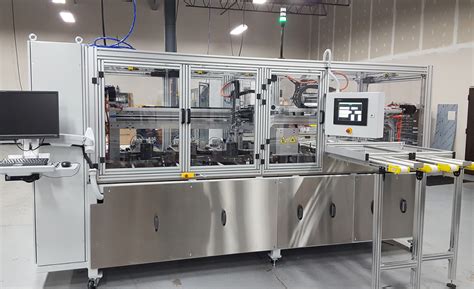
In the evolving realm of pcb manufacturing, you are likely to observe that one of the most significant shifts is the integration of automation and smart technologies within manufacturing processes. Modern pcb manufacturing companies are increasingly leveraging advanced robotics and artificial intelligence to streamline production, which not only enhances efficiency but also reduces pcb manufacturing costs. These technological advancements allow for more precise assembly, lowering the likelihood of errors and defects, thus improving overall product quality. Furthermore, you will find that smart technologies facilitate real-time monitoring of production parameters, enabling quick adjustments that keep workflows optimized. As these capabilities become commonplace, they empower pcb manufacturing businesses to respond more swiftly to market demands while maintaining a competitive edge. As you navigate this landscape, it becomes evident that embracing these innovations will be essential for thriving in a competitive marketplace.
Enhancing Quality and Efficiency in PCB Production
In today’s rapidly evolving PCB manufacturing landscape, enhancing quality and efficiency is paramount for businesses striving to stay competitive. Whether you’re a startup or an established player in the industry, understanding how PCB manufacturing companies implement cutting-edge technologies can significantly influence your operations. Automation plays a crucial role in streamlining processes; by integrating advanced machinery and software solutions, you can reduce errors and increase production speed. This not only contributes to lower PCB manufacturing costs but also allows you to allocate resources more effectively, ensuring that your product meets the highest quality standards.
Moreover, adopting smart technologies, such as Internet of Things (IoT) devices, can provide real-time data analytics, improving decision-making processes within your PCB manufacturing business. These innovations empower you to maintain tighter control over each stage of production, from design to assembly. As a result, you can enhance the overall consistency of your products while minimizing waste—a critical factor in not only bolstering your company’s reputation for quality but also supporting sustainable practices within the supply chain.
The emphasis on quality and efficiency is not merely an operational benefit; it’s also integral to building long-term relationships with clients who increasingly demand reliability and excellence in their suppliers. By focusing on these aspects within your PCB production strategy, you unlock numerous possibilities for growth and market differentiation. In summary, harnessing the latest advancements in technology will be instrumental in propelling your PCB manufacturing business toward future success.
The Importance of Sustainability in Circuit Board Supply Chains
In the pcb manufacturing industry, sustainability has emerged as a critical focus area that influences both operational practices and consumer expectations. As you consider pcb manufacturing companies, it becomes evident that the integration of environmentally friendly processes can significantly impact the overall pcb manufacturing cost. Suppliers are increasingly adopting sustainable materials and implementing energy-efficient technologies throughout their production lines, leading to not only a reduced carbon footprint but also potential cost savings in the long run.
To understand how sustainability affects your pcb manufacturing business, it’s helpful to examine the table below, which highlights key sustainable practices currently adopted by leading suppliers:
| Sustainable Practice | Description | Benefits |
|---|---|---|
| Use of Eco-Friendly Materials | Incorporating materials that have a lower environmental impact | Reduced waste and better recycling potential |
| Energy Efficiency | Implementing energy-saving equipment and production techniques | Lower operational costs and emissions |
| Water Conservation | Techniques to minimize water usage during production | Cost savings and compliance with regulations |
| Waste Management | Strategies for minimizing waste and enhancing disposal methods | Improved brand image and customer loyalty |
Emphasizing these practices not only aligns with global sustainability goals but also enhances the reputation of pcb manufacturing companies in your supply chain. By adopting these strategies, you can ensure that your business remains competitive while meeting regulatory demands. The focus on sustainability ultimately presents an opportunity for you to improve efficiencies, reduce costs, and enhance your market appeal in an era where environmentally conscious consumers are increasingly prioritizing responsible sourcing. Therefore, making sustainability a core element of your pcb manufacturing approach is not just beneficial—it is essential for future growth and success.
Compliance Standards: Navigating International Regulations
In the realm of pcb manufacturing, navigating compliance standards is crucial for pcb manufacturing companies looking to thrive in a global market. As you engage with various suppliers, understanding the regulatory landscape can significantly impact your supply chain and overall pcb manufacturing cost. Different regions enforce distinct regulations, covering everything from environmental guidelines to safety protocols. By aligning with these international standards, you not only mitigate risks but also enhance your credibility in the eyes of clients and stakeholders. As pcb manufacturing business practices continue to evolve, staying informed about these regulations becomes essential for maximizing efficiency and ensuring high-quality output. Moreover, embracing compliance can open doors to new markets, allowing you to expand your reach and tap into growing demands for innovative electronic solutions. Thus, as you streamline your production processes and partner with forward-thinking suppliers, a keen focus on compliance will empower you to unlock greater value for your operations while satisfying the ever-evolving needs of the industry.
Leading Suppliers: Capabilities and Innovations in the Market
In the dynamic field of pcb manufacturing, the role of leading suppliers is pivotal in driving progression. These pcb manufacturing companies are not just reacting to current market demands but are proactively shaping the future through their capabilities and innovations. As you navigate through this evolving landscape, you’ll notice that many suppliers are investing heavily in advanced technologies, allowing them to streamline operations and significantly reduce pcb manufacturing costs. This commitment to innovation ensures that they remain competitive while also adhering to stringent quality standards.
Furthermore, a key aspect of their success lies in the ability to offer customized solutions tailored to your specific needs. Whether you’re a large enterprise or a small startup, these suppliers can scale their pcb manufacturing business offerings to meet diverse requirements. You might find that many of them have integrated smart technologies into their production lines, enhancing efficiency while minimizing waste. This trend can lead not only to lower costs for you but also to improved product quality.
As sustainability becomes increasingly critical in supply chains, leading suppliers are taking steps toward environmentally friendly practices without compromising performance. Their innovative approaches position them as reliable partners in your quest for high-quality circuit boards that meet both operational and ethical standards. By aligning with these forward-thinking suppliers, you can unlock new opportunities that will ultimately benefit your business and pave the way toward a more sustainable future in pcb manufacturing.
Future Challenges and Opportunities for Circuit Board Manufacturers
As the landscape of pcb manufacturing evolves, manufacturers face a variety of challenges while also uncovering new opportunities. The rapid advancement in technology means that pcb manufacturing companies must continually adapt to remain competitive. One of the primary challenges lies in managing the pcb manufacturing cost, particularly as customer demand shifts toward more complex and high-performance circuit boards. However, this complexity also offers a unique opportunity for companies that invest in innovation and automation. By adopting smart technologies, you’re not just improving efficiency but also enhancing the overall quality of your products. This adaptability can lead to a stronger market position in an increasingly crowded space. Furthermore, as sustainability becomes a cornerstone of consumer preferences, integrating eco-friendly practices within your pcb manufacturing business can differentiate you from competitors. Embracing these challenges will not only allow you to stay relevant but also position you to leverage emerging trends for growth and success in the future.
Unlocking New Possibilities: The Impact on Businesses and Consumers
As the landscape of pcb manufacturing continues to evolve, its impact on businesses and consumers becomes increasingly significant. Modern pcb manufacturing companies are now adopting cutting-edge technologies and innovative practices that enable them to produce high-quality circuit boards more efficiently. This not only helps reduce the pcb manufacturing cost but also enhances the scalability of production. For businesses, this means a greater ability to meet demand without compromising on quality or incurring unnecessary expenses. Consumers benefit from these advancements, as they provide access to better-performing electronics that are both reliable and affordable. Furthermore, as suppliers prioritize sustainability and comply with international standards, you can feel confident that the products you are using are produced responsibly. This synergy between pcb manufacturing business practices and consumer needs is what ultimately unlocks new possibilities in the electronics market, fostering a cycle where innovation continues to thrive for all stakeholders involved.
Conclusion
As you look towards the future, it’s essential to understand how pcb manufacturing is rapidly evolving. The efficiency and quality improvements offered by pcb manufacturing companies are nothing short of revolutionary. These advancements not only enhance productivity but also help reduce pcb manufacturing cost, making it more feasible for businesses of various sizes to innovate and thrive in a competitive market. Understanding the unique strengths and offerings of these suppliers can transform your perspective on the pcb manufacturing business landscape. You will find that the ongoing integration of smart technologies, automation, and sustainability initiatives is not merely a trend but a foundational shift that promises to unlock new possibilities for your business while meeting evolving consumer needs. Embracing these changes will place you at a significant advantage in this dynamic industry, where your adaptability will directly correlate with your success in leveraging these advancements for growth and efficiency.
FAQs
When considering pcb manufacturing, you may have several questions that arise regarding its complexities and processes. One of the first points of inquiry is likely about the different pcb manufacturing companies available in the market and how they stack up against one another in terms of technology, capacity, and specialization. As you navigate through your options, it’s essential to understand the variations in pcb manufacturing costs, which can depend greatly on factors such as materials used, complexity of design, and the volume of production required. Furthermore, many businesses wonder what constitutes a successful pcb manufacturing business in today’s competitive environment—strong supplier relationships, adherence to international compliance standards, and innovative manufacturing practices often take center stage in driving growth and efficiency. By addressing these questions and exploring your specific needs in pcb manufacturing, you can strategically position your projects for success while embracing the advancements shaping this dynamic industry.