Unlocking Quality: The Best PCB Assembly Solutions for You
Key Takeaways
When embarking on your journey into PCB assembly, understanding the core elements associated with PCBA is crucial. This process not only involves intricate design and engineering, but also requires a comprehensive knowledge of the various services and technologies available in the market. A well-executed pcb assembly can significantly enhance the performance of your electronic projects, leading to more reliable products. Selecting the right pcb assembly provider hinges on evaluating their expertise, adherence to industry standards, and their ability to collaborate effectively with your team. Key factors include examining their production capabilities, quality control measures, and the technological advancements they employ in their processes. Remember that adopting best practices—such as thorough testing protocols and efficient supply chain management—can ultimately impact your assembly outcomes positively. Moreover, staying informed about emerging trends will allow you to leverage innovations that enhance quality and efficiency in your projects. By prioritizing these components, you foster an environment where exceptional results are achievable in every phase of your pcba endeavors.
Understanding PCB Assembly: A Comprehensive Overview
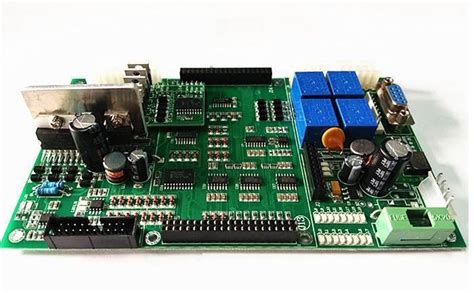
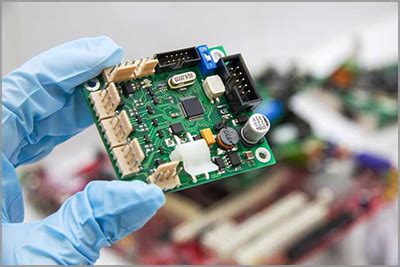
PCB assembly (often abbreviated as PCBA) is a crucial process in the manufacturing of electronic devices, transforming raw components into functional printed circuit boards. The key aspect of PCB assembly is the precise arrangement and connection of various electronic elements, including resistors, capacitors, and integrated circuits, to create a cohesive unit capable of performing specific functions. Understanding the intricacies of this process involves delving into both manual and automated techniques that enhance efficiency and accuracy.
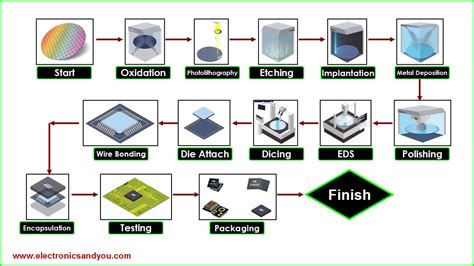
In a typical PCBA process, several phases are involved: design verification, component procurement, assembly, inspection, and testing. Each phase plays a vital role in ensuring the overall quality of the assembled boards. During the design verification stage, potential electrical issues are identified and rectified before components are even manufactured. This proactive approach significantly reduces delays later in the process.
The types of PCB assembly can be categorized primarily into two methods: surface mount technology (SMT) and through-hole technology (THT). SMT allows for smaller components to be mounted directly onto the surface of a board, while THT involves adding components that are inserted through holes drilled in the PCB. Each method has its own advantages depending on the specific requirements of an electronic project.
Moreover, factors such as scalability and production volume also influence choices in PCB assembly methods. High-volume production often favors SMT for its speed and efficiency in mass manufacturing environments. Conversely, low-volume or prototype projects might benefit from THT due to its simplicity and ease of manual assembly.
To further illustrate these concepts, here’s a simplified comparison of SMT and THT:
| Feature | Surface Mount Technology (SMT) | Through-Hole Technology (THT) |
|---|---|---|
| Component Size | Smaller | Larger |
| Assembly Speed | Faster | Slower |
| Suitability | High-volume production | Prototyping or low volume |
| Connection Method | Surface soldering | Mechanical soldering through holes |
Understanding these fundamental aspects provides a clearer picture for those venturing into PCB assembly, facilitating informed decisions when selecting services or technologies to bring their electronic projects to fruition.
Key Factors to Consider When Choosing PCB Assembly Services
When selecting PCB assembly services, several crucial factors must be taken into account to ensure the success of your electronic projects. First and foremost, consider the experience and expertise of the service provider. A company with a rich history in PCBA can offer valuable insights and solutions that contribute to the overall quality of your project. Furthermore, assess their manufacturing capabilities, including the type of technologies they employ and their ability to handle various complexities in PCB assembly, such as surface mount technology (SMT) or through-hole assembly.
In addition, you should evaluate their quality control measures. A stringent quality assurance process is vital for achieving reliable results and minimizing defects in components. Ask about certifications such as ISO 9001 or IPC standards, which can indicate a commitment to excellence in manufacturing practices. The turnaround time for production is another key factor; prompt delivery can significantly impact your project’s timeline.
Lastly, consider cost-effectiveness but avoid choosing based solely on price. It’s crucial to strike a balance between expense and value; sometimes paying a bit more can lead to superior quality in your PCBA efforts. By thoughtfully analyzing these factors, you can ensure that you select the best PCB assembly services that align with your project’s goals and quality requirements.
Best Practices for High-Quality PCB Assembly
To achieve exceptional results in PCB assembly, adhering to best practices is essential. One fundamental approach involves meticulous design validation before moving to the manufacturing phase. This step ensures that the printed circuit boards (PCBs) are structured to utilize optimal component placement and routing, minimizing potential issues during the assembly process. Furthermore, employing a robust documentation system helps streamline communication among team members and reduces errors stemming from misinterpretations.
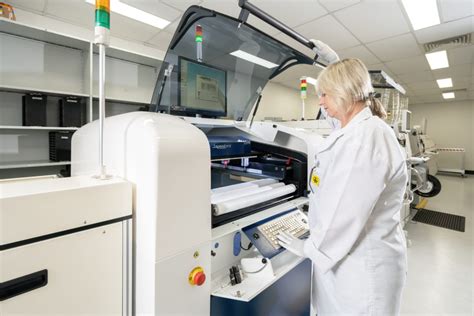
Incorporating advanced PCBA technologies is another critical best practice. Utilizing automated pick-and-place machines not only enhances precision but also accelerates production times, ultimately leading to greater efficiency. Regular maintenance of these machines is vital; it ensures consistent performance and minimizes downtime.
Quality control should be a pillar of any PCB assembly operation. Implementing stringent testing methods—such as automated optical inspection (AOI) and functional testing—guarantees that assemblies meet the required standards before they reach the customer.
“No detail is too small when it comes to quality; meticulous attention leads to exceptional products.”
Additionally, fostering collaboration between design and manufacturing teams can significantly improve outcomes, allowing the PCBA process to be more cohesive and efficient. As industries evolve, keeping abreast of current trends in PCB assembly will equip businesses with innovative techniques, ultimately enhancing product quality and operational success.
Innovative Technologies in PCB Assembly: What You Need to Know
As the demand for PCB assembly (or PCBA) continues to grow, it is crucial to stay informed about the latest innovative technologies that are shaping this industry. One significant advancement is the adoption of automated assembly processes, which leverages robotics and artificial intelligence to enhance accuracy and speed. With automation, manufacturers can reduce human error, ensuring that each component is placed correctly during the assembly process. Another noteworthy development is the integration of advanced inspection technologies, such as automated optical inspection (AOI) and X-ray inspection systems. These systems play a vital role in identifying defects early in the production cycle, thereby improving overall quality. Furthermore, flexible manufacturing techniques are gaining traction, allowing for more adaptable production lines that can efficiently handle varying PCB designs with minimal downtime. Also noteworthy are green technologies, which emphasize environmentally friendly materials and methods in PCB assembly—catering to a growing market demand for sustainable practices. As these innovations continue to evolve, they promise not only to enhance efficiency but also to maintain high standards of quality in PCB assembly processes globally.
Top PCB Assembly Services: A Review of Leading Providers
When selecting pcb assembly services, various providers stand out for their reliability, efficiency, and technological prowess. Companies specializing in PCBA not only offer competitive pricing but also prioritize quality control, ensuring that assemblies are perfected before delivery. Some of the leading providers utilize automation and advanced manufacturing techniques to streamline processes, significantly increasing throughput while maintaining precision.
To truly excel in your electronics projects, it’s essential to partner with pcb assembly services that incorporate best practices in their workflow. These practices include using high-precision equipment, adhering to strict quality standards, and offering transparent communication throughout the assembly process. Additionally, innovative technologies such as surface mount technology (SMT) and through-hole technology (THT) are employed by top-rated companies to enhance performance and reliability.
Evaluating the track record of potential PCBA partners is crucial; successful projects and robust client testimonials often indicate a provider’s capability. Furthermore, a focus on customization can set leading firms apart from the competition, as they accommodate varying project sizes and complexity levels. By aligning with these exemplary services in the field of pcb assembly, you can ensure that your electronic components meet industry standards while achieving optimal performance for your applications.
Quality Control Measures in PCB Assembly: Ensuring Excellence
In the realm of PCB assembly, maintaining rigorous quality control measures is crucial for delivering reliable and efficient electronic products. Quality control in PCBA encompasses a series of systematic processes designed to detect and rectify defects before they can impact the final product. The implementation of automated inspection systems, such as Automated Optical Inspection (AOI) and X-ray machines, offers real-time assessment capabilities, allowing manufacturers to monitor the integrity of solder joints and component placements. In addition to these technologies, integrating statistical process control (SPC) can help track variations in the manufacturing process, enabling proactive adjustments that maintain high standards. Regular audits and adherence to international standards, such as ISO 9001, further reinforce the commitment to excellence in PCB assembly operations. By prioritizing comprehensive quality control measures throughout the assembly lifecycle, organizations can not only enhance product reliability but also foster long-term client trust and satisfaction in their pcba solutions.
Cost Considerations for PCB Assembly Projects
When embarking on a pcb assembly project, understanding the various cost considerations is essential for effective budget management and project success. The expenses associated with pcba can vary significantly based on several factors, including material selection, labor costs, and the complexity of the design. First and foremost, selecting high-quality components can substantially impact the overall cost; investing in durable and reliable parts often leads to fewer issues during assembly and enhances the durability of the final product. Additionally, labor costs can fluctuate based on the location of the assembly service provider; for instance, companies operating in regions with lower labor costs may offer more competitive pricing without compromising on quality.
Furthermore, the complexity of your pcb assembly design plays a pivotal role in determining your budget. More intricate designs require advanced techniques and specialized equipment, which can increase both time and material expenses. It’s also crucial to factor in testing and quality control—although these may seem like additional costs upfront, they are necessary investments to ensure that your pcba functions correctly and meets industry standards. Finally, exploring different providers and comparing their pricing structure can lead to discovering cost-effective solutions without sacrificing quality, enabling you to achieve outstanding results in your electronic projects while staying within budget.
Future Trends in PCB Assembly: What Lies Ahead
As the landscape of PCB assembly continues to evolve, several key trends are emerging that could reshape the industry. Notably, the growing demand for miniaturization is pushing manufacturers towards more compact PCBA solutions that do not compromise performance. Likewise, advancements in automation technology are streamlining processes, enhancing efficiency, and reducing human error within PCB assembly lines. This trend is complemented by the incorporation of smart factory environments where the Internet of Things (IoT) plays a pivotal role in optimizing operations and monitoring production metrics in real-time.
Sustainability and eco-friendly practices are also gaining traction, with many companies seeking to integrate recyclable materials and low-impact manufacturing processes into their PCB assembly operations. Furthermore, we can expect an increase in the application of advanced materials, such as flexible substrates that enable innovative designs and functionalities within modern electronic devices.
Moreover, advancements in artificial intelligence (AI) for quality control will likely improve defect detection and yield rates during the manufacturing processes. As a result of these developments, it is vital for businesses to stay ahead by adapting to these trends to ensure their PCBA services remain effective and relevant. In summary, as technology progresses and market demands shift, staying informed about upcoming trends in PCB assembly will be imperative for achieving sustained success in electronic project development.
Conclusion
In summation, selecting the right PCB assembly services is critical for the success of any electronic project. By understanding the core components of pcba and the various factors influencing assembly processes, one can make informed decisions that lead to superior outcomes. Emphasizing best practices such as precise component placement and effective soldering techniques plays a vital role in ensuring the durability and functionality of your final product. Moreover, staying abreast of innovative technologies within the industry can provide competitive advantages and improve project efficiency. It is also imperative to implement stringent quality control measures throughout every stage of pcb assembly to mitigate errors and ensure excellence in production. As you navigate cost considerations and anticipate future trends in pcb assembly, remember that investing in quality services not only enhances your project but also fosters long-term success.
FAQs
What is PCB assembly?
PCB assembly refers to the process of assembling electronic components onto a printed circuit board (PCB) to create a functional electronic device. This process is essential for manufacturing a wide range of electronic products, from consumer gadgets to industrial machinery.
What are the common types of PCB assembly?
There are primarily two types of PCB assembly: Surface Mount Technology (SMT) and Through-Hole Technology (THT). SMT involves placing components directly onto the surface of the board, while THT involves inserting leads through holes in the board and soldering them.
How do I choose a PCB assembly service provider?
When selecting a service provider for pcb assembly, consider factors such as their experience, production capabilities, quality control measures, and customer reviews. It’s also essential to assess their ability to meet your project’s specific requirements, including lead times and budget.
What are best practices for ensuring high-quality PCB assembly?
To ensure high-quality pcb assembly, follow best practices such as thorough design reviews, standardized operating procedures, regular equipment calibration, and implementing effective quality control measures throughout the process.
What role do technology advancements play in PCB assembly?
Innovations in technology play a crucial role in enhancing the efficiency and quality of pcba processes. Advanced techniques like automated pick-and-place machines, improved soldering methods, and real-time monitoring systems significantly contribute to faster production times and reduced errors.
Are there significant cost factors associated with PCB assembly?
Yes, while evaluating costs for pcb assembly, consider materials, manufacturing processes, testing requirements, and order quantities. Understanding these factors can help you manage your budget effectively while achieving quality outputs.