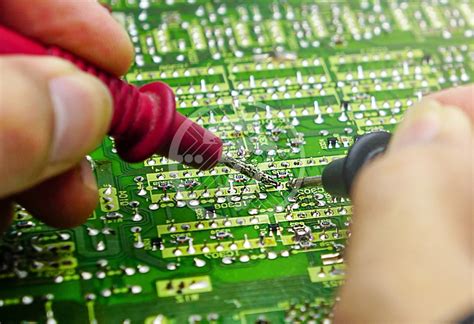
US PCB Assembly Experts Ensuring Precision Manufacturing

Key Takeaways
When evaluating PCB assembly services in the United States, several critical factors distinguish domestic experts from global competitors. First, US-based PCBA providers prioritize certified manufacturing processes, adhering to standards like ISO 9001 and IPC-A-610, which ensure consistent quality for high-performance applications. Second, advanced technologies such as automated optical inspection (AOI) and surface-mount technology (SMT) enable precision fabrication of complex circuit boards, reducing defects by up to 30% compared to manual methods.
A structured approach to quality control further reinforces reliability. For example:
| Metric | US PCB Assembly | Offshore Alternatives |
|---|---|---|
| Defect Rate | <0.5% | 2-5% |
| Lead Time (Standard) | 5-7 days | 14-21 days |
| Certifications | ISO, UL, RoHS | Limited |
Third, domestic manufacturers offer tighter supply chain oversight, minimizing risks like component shortages or shipping delays. This is critical for industries requiring rapid prototyping or mission-critical electronics. Finally, collaboration with US PCB assembly specialists ensures compliance with federal regulations (e.g., ITAR), which is non-negotiable for defense or aerospace projects. By integrating these elements, businesses achieve scalable, high-reliability solutions without compromising on performance or timelines.
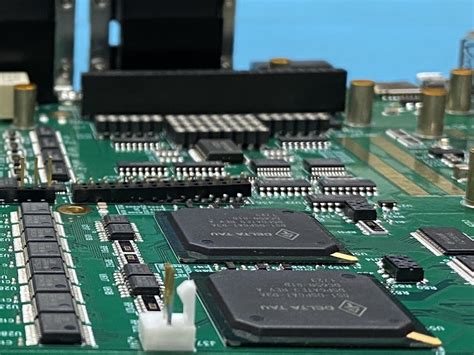
Precision PCB Assembly Services in the US
Modern electronics demand PCB assembly processes that prioritize accuracy, consistency, and scalability. In the U.S., specialized providers leverage certified manufacturing protocols to deliver PCBA solutions tailored for industries ranging from aerospace to medical devices. These services integrate automated pick-and-place systems, precision solder paste application, and advanced inspection technologies to minimize defects and ensure compliance with IPC-A-610 standards.
"Choosing a U.S.-based PCB assembly partner ensures adherence to rigorous quality benchmarks, reducing risks associated with offshore supply chains," notes an industry expert.
Domestic PCBA facilities often employ closed-loop feedback systems, enabling real-time adjustments during production. This approach not only enhances yield rates but also accelerates prototyping cycles—critical for startups and enterprises alike. Additionally, localized production supports faster turnaround times for high-mix, low-volume orders, a growing need in IoT and defense sectors.
Tip: When evaluating PCB assembly providers, verify their certifications (e.g., ISO 9001, ITAR) and inquire about their traceability systems for component sourcing.
By combining cutting-edge technology with stringent process controls, U.S. manufacturers deliver PCBA solutions that meet both performance and regulatory demands. This focus on precision ensures end products operate reliably in mission-critical applications, from industrial automation to next-gen telecommunications.
Certified US PCB Assembly Processes Explained
PCB assembly in the United States adheres to rigorous certified processes designed to meet the highest industry standards. Manufacturers leverage IPC-A-610 and IPC J-STD-001 certifications to ensure compliance with acceptability criteria for electronic assemblies and soldering requirements. These protocols validate every stage of PCBA production, from design validation to final inspection, minimizing defects and enhancing product reliability.
A hallmark of certified U.S. processes is the integration of traceability systems, which track components from procurement to final testing. This transparency ensures adherence to RoHS and ITAR regulations, critical for aerospace, defense, and medical applications. Furthermore, automated optical inspection (AOI) and X-ray testing are employed to detect microscopic flaws in solder joints or component alignment, guaranteeing precision even in high-density designs.
Certified PCB assembly providers also prioritize material sourcing, often partnering with ISO 9001-compliant suppliers to mitigate risks of counterfeit parts. Combined with controlled-environment manufacturing—maintaining optimal temperature and humidity levels—these practices ensure consistent PCBA performance. By aligning with certified workflows, U.S. manufacturers deliver repeatable precision, meeting both domestic and international quality benchmarks while supporting industries that demand uncompromised reliability.
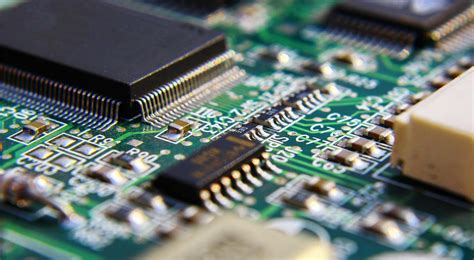
Advanced Technology for US PCB Manufacturing
The integration of advanced technology in US PCB assembly ensures that manufacturers meet the escalating demands for precision, speed, and scalability. Leading PCBA providers leverage cutting-edge tools such as automated optical inspection (AOI), laser direct imaging (LDI), and high-density interconnect (HDI) processes to optimize circuit board production. These technologies enable micron-level accuracy in component placement, critical for applications in aerospace, medical devices, and telecommunications.
Modern PCB assembly lines in the US increasingly adopt Industry 4.0 principles, incorporating IoT-enabled machinery and AI-driven analytics to monitor real-time performance and predict maintenance needs. For instance, smart factories utilize machine learning algorithms to refine soldering profiles, reducing defects by over 30% in high-volume runs. Additionally, advancements in surface-mount technology (SMT) allow for the precise handling of miniaturized components, ensuring compatibility with compact, high-performance electronics.
To maintain competitiveness, US-based PCBA specialists invest in robotic process automation (RPA) for rapid prototyping and flexible manufacturing. This approach not only accelerates time-to-market but also supports compliance with stringent IPC-A-610 and ISO 9001 standards. By combining state-of-the-art equipment with rigorous process validation, American manufacturers deliver reliable electronic solutions that align with both industrial and consumer expectations for durability and functionality.
Quality Control in US PCB Assembly Systems
PCB assembly in the United States prioritizes rigorous quality control protocols to ensure the reliability of electronic systems. Advanced inspection technologies, such as automated optical inspection (AOI) and X-ray imaging, validate solder joint integrity and component alignment during PCBA production. These systems detect micron-level deviations, aligning with IPC-A-610 standards for acceptability.
To maintain consistency, U.S. facilities implement statistical process control (SPC), monitoring variables like temperature and humidity in real time. Third-party certifications, including ISO 9001 and AS9100, further validate adherence to aerospace and industrial-grade requirements. Traceability systems track materials from procurement to final testing, ensuring compliance with RoHS and REACH regulations.
Transitioning from design to delivery, US PCB assembly experts integrate functional testing to simulate real-world operating conditions. This step identifies potential failures in power distribution, signal integrity, or thermal management. By combining automated testing equipment with manual audits, manufacturers achieve defect rates below 0.1%, critical for medical, automotive, and defense applications.
The emphasis on quality control not only safeguards performance but also strengthens supply chain transparency—a key differentiator for clients prioritizing long-term reliability over cost-driven alternatives.
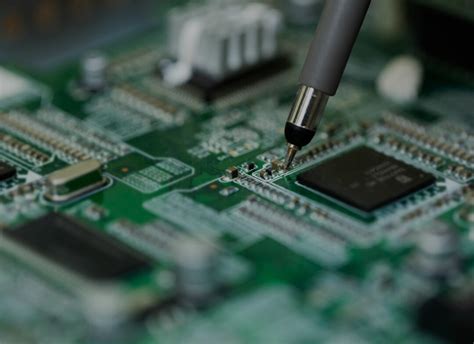
Reliable Electronic Solutions from US Experts
When sourcing PCB assembly services, partnering with US-based experts ensures access to cutting-edge manufacturing practices and adherence to rigorous industry standards. Domestic PCBA providers leverage decades of expertise to deliver solutions that prioritize reliability, particularly for industries like aerospace, medical devices, and defense systems. By integrating PCB assembly processes with automated quality checks, these specialists minimize defects while optimizing production timelines—a critical advantage for prototyping and high-volume orders alike.
The emphasis on traceability and compliance further distinguishes US experts. For instance, ITAR-compliant facilities and MIL-SPEC certifications guarantee that sensitive projects meet federal requirements without compromising performance. Advanced testing protocols, such as automated optical inspection (AOI) and X-ray validation, ensure every assembled board aligns with design specifications. This meticulous approach not only reduces long-term operational risks but also strengthens supply chain resilience—an essential factor for businesses prioritizing consistency in dynamic markets.
Ultimately, collaborating with US PCBA specialists translates to scalable, future-ready solutions, where precision engineering meets rapid adaptability. Whether addressing complex multilayer designs or high-frequency applications, these experts combine technical mastery with localized support to drive innovation across the electronics lifecycle.
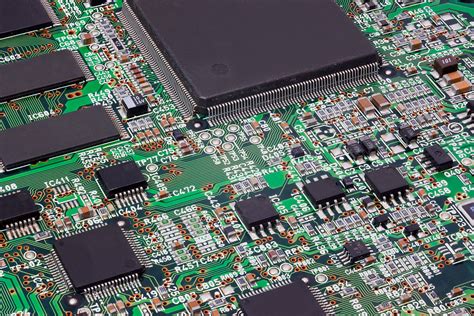
US-Based PCB Assembly for High Performance
When it comes to PCB assembly for high-performance applications, US-based manufacturers leverage cutting-edge processes to meet rigorous technical demands. By combining PCBA expertise with advanced automation, these specialists ensure consistent precision in soldering, component placement, and circuit testing. Mission-critical industries such as aerospace, medical devices, and defense rely on domestically produced assemblies for their adherence to ISO-certified workflows and traceability standards.
The integration of surface-mount technology (SMT) and multilayer board fabrication enables the creation of compact, high-density designs without compromising reliability. US facilities often employ automated optical inspection (AOI) systems to detect microscopic defects, ensuring zero-defect thresholds for applications where failure is not an option. Additionally, thermal management solutions—such as advanced substrate materials and conformal coatings—are optimized to sustain performance under extreme operating conditions.
By prioritizing domestic PCB assembly, companies gain tighter control over supply chains, reduced lead times, and compliance with ITAR or NIST regulations. This focus is particularly critical for prototyping and low-to-medium volume production runs, where iterative testing and rapid design adjustments are essential. As a result, US-based PCBA services remain a strategic choice for industries demanding uncompromising quality and technical excellence.
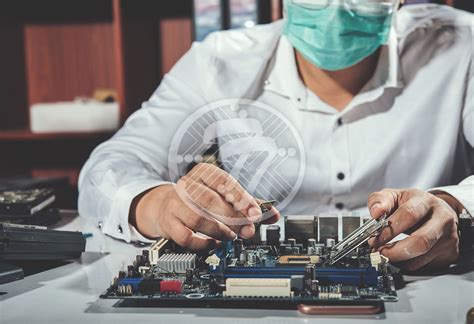
Why Choose US PCB Assembly Specialists
Selecting PCB assembly experts based in the United States offers distinct advantages for industries requiring precision and reliability. Domestic specialists leverage proximity to manufacturing hubs, enabling faster turnaround times and streamlined communication compared to overseas providers. This reduces logistical risks and ensures compliance with stringent U.S. regulatory standards, such as ITAR or ISO certifications, critical for aerospace, defense, and medical applications.
PCBA teams in the U.S. employ cutting-edge technologies like automated optical inspection (AOI) and surface-mount technology (SMT), paired with rigorous quality control protocols. These processes minimize defects and ensure consistency, particularly for high-mix, low-volume production runs. Additionally, working with local experts simplifies supply chain coordination, as suppliers adhere to traceability requirements and ethical labor practices.
For businesses prioritizing intellectual property protection, U.S.-based PCB assembly services provide enhanced data security through encrypted design transfers and controlled facility access. This focus on end-to-end oversight translates to higher yield rates and long-term reliability, making domestic partners a strategic choice for mission-critical electronics.
Ensuring Precision in US Circuit Board Production
Precision in PCB assembly begins with rigorous design validation and material selection, ensuring every high-density interconnect or multilayered board meets exact specifications. US-based manufacturers leverage certified processes that adhere to IPC-A-610 and ISO 9001 standards, combining advanced automation with skilled engineering oversight. For instance, automated optical inspection (AOI) systems scan PCBA components at micron-level accuracy, detecting soldering defects or misalignments invisible to the naked eye.
To maintain consistency, quality control protocols integrate real-time monitoring during surface-mount technology (SMT) placement and reflow soldering. This minimizes thermal stress risks while ensuring signal integrity in complex circuits. Additionally, partnerships with domestic suppliers reduce lead times and material variability, critical for aerospace, medical, or defense applications where reliability is non-negotiable.
By balancing cutting-edge tools like X-ray inspection for BGA components with traceable documentation, US PCB assembly specialists guarantee that every production batch aligns with client-specific tolerances. This meticulous approach not only reduces field failure rates but also supports scalable solutions for high-performance electronics, reinforcing the value of localized manufacturing expertise.
Conclusion
Selecting US-based PCB assembly specialists ensures access to cutting-edge manufacturing processes that prioritize precision and reliability. By leveraging certified PCBA technologies and rigorous quality protocols, domestic providers deliver electronic solutions that meet the highest industry standards. The integration of automated assembly systems and real-time testing frameworks minimizes errors while optimizing production efficiency, making US PCB assembly a strategic choice for industries requiring high-performance circuitry.
Local expertise also guarantees compliance with stringent regulatory requirements, from aerospace to medical device sectors, where component accuracy is non-negotiable. Furthermore, proximity to manufacturing hubs reduces lead times and enhances supply chain transparency—critical factors for prototyping and large-scale production alike.
Ultimately, partnering with US PCB assembly experts not only supports domestic innovation but also ensures that end products withstand demanding operational environments. This commitment to excellence solidifies the role of PCBA specialists in driving technological advancement across global markets.
Frequently Asked Questions
What advantages do US-based pcb assembly services offer compared to overseas options?
Local pcb assembly providers ensure compliance with ITAR and IPC-A-610 standards, reducing risks linked to international shipping and communication delays. Proximity allows for real-time collaboration and faster turnaround times.
How does advanced technology enhance pcba quality in US manufacturing?
State-of-the-art equipment like automated optical inspection (AOI) and X-ray testing ensures precision in pcba processes. US facilities often integrate AI-driven analytics for defect detection, achieving 99.9% reliability in high-volume production.
Are US pcb assembly processes certified for specialized industries?
Yes, many US experts hold AS9100D (aerospace) and ISO 13485 (medical) certifications, ensuring adherence to stringent quality controls. This makes them ideal for mission-critical applications requiring traceability and durability.
What role does quality control play in US-based pcb assembly systems?
Multi-stage inspections, including in-circuit testing (ICT) and functional validation, are standard. These protocols minimize failure rates and ensure pcba outputs meet MIL-PRF-55110 or other industry-specific benchmarks.
Why opt for US specialists for high-performance pcba projects?
Domestic providers leverage DFM (Design for Manufacturing) expertise to optimize designs for thermal management and signal integrity. This reduces revision cycles and accelerates time-to-market for complex electronics.
Explore Custom PCB Assembly Solutions Today
For tailored pcb assembly services that prioritize precision and compliance, please click here to connect with US experts.