What are the methods for measuring PCB thermal resistance?
The measurement of PCB thermal resistance is a key step in evaluating the heat dissipation performance of printed circuit boards. Accurately understanding and measuring the thermal resistance of PCBs can help design more efficient heat dissipation solutions and ensure that electronic components operate within a safe temperature range. The following are several commonly used methods for measuring PCB thermal resistance:
1.Measurement of thermal conductivity
The standard method for measuring thermal resistance relies on the concept of thermal conductivity, where thermal resistance is the inverse of the material’s ability to conduct heat.
2.Guarded Heat Plate Method
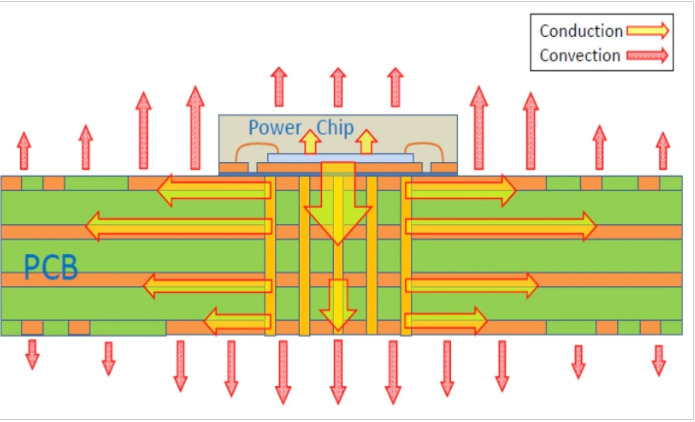
The planar structure of PCBs makes it relatively easy and quick to measure their overall thermal resistance in an unassembled state. This method directly measures thermal conductivity by monitoring the temperature difference between the two sides of the PCB as heat diffuses from hot spots to cooler areas.
3.Omega Method
This is a thermoelectric-based test process that uses an AC heater to heat the PCB assembly at a specific frequency, resulting in a periodic thermal response with a double frequency.
The temperature measurement results will show a signal containing the original heating frequency and a triple frequency component, so this method is called the 3-Omega method. Thermal conductivity is directly related to the power of the frequency component and the geometry of the circuit board, but this method is mainly applicable to smaller PCBs.

4.Infrared Thermography
Infrared thermography is a non-contact measurement method that can be used to monitor the temperature distribution on the PCB surface in real time. By applying a certain power to the heating element and capturing its thermal image with an infrared camera, the heat propagation path and hot spot location can be intuitively seen. Although this method cannot directly give an accurate thermal resistance value, it provides valuable qualitative information to help identify heat dissipation problems.
Each method has its advantages and limitations. Choosing a suitable measurement method requires considering many factors, including measurement accuracy, speed, cost, and available equipment. For R&D and quality control, multiple methods are usually combined according to actual needs to ensure that the heat dissipation design of the PCB meets the requirements.