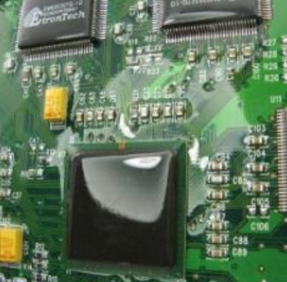
What are the requirements for PCB optical positioning?
PCBs (printed circuit boards) are an indispensable component of electronic devices, and their quality and accuracy have a crucial impact on the performance and lifespan of the entire device. Optical positioning is a key technology in the PCB production process, crucial for ensuring PCB accuracy and consistency. This article will discuss the requirements for PCB optical positioning in detail.
Optical Positioning System Overview
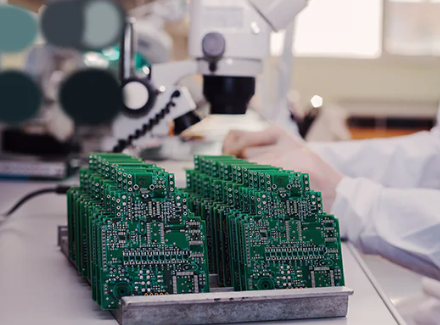
PCB optical positioning systems are automated inspection systems based on machine vision technology. They use high-precision cameras and light sources to capture and process images of PCBs in real time, enabling precise measurement and positioning. These systems offer advantages such as non-contact, high precision, and high efficiency, making them widely used in PCB production.
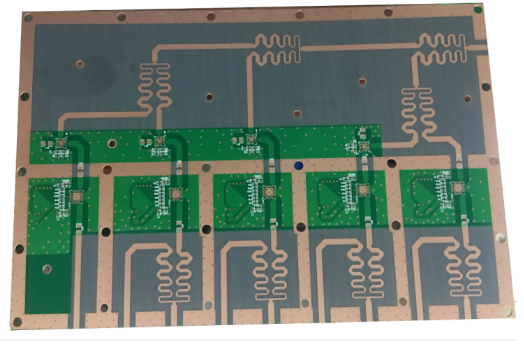
PCB Optical Positioning Requirements
Positioning Accuracy
Positioning accuracy is one of the core requirements of PCB optical positioning systems. It requires the system to accurately align the PCB with the machine coordinate system to ensure that subsequent processing or assembly operations can proceed without error. Positioning accuracy requirements typically depend on the PCB size and processing accuracy, and are generally required to be within the micron level.
Image Quality
Image quality is a key factor affecting the accuracy of PCB optical positioning systems. High-quality images provide more accurate measurement and positioning results. Therefore, optical positioning systems require high-resolution, high-contrast cameras and light sources to ensure clear and accurate images.
Stability
Stability is another important requirement for PCB optical positioning systems. During the production process, various factors such as temperature, humidity, and vibration may cause system deviation or instability. Therefore, when designing and manufacturing optical positioning systems, a series of measures must be taken to improve system stability, such as adopting high-precision mechanical structures and optimizing image processing algorithms.
Real-time
Real-time performance is another important requirement for PCB optical positioning systems. During the production process, PCB measurement and positioning must be completed quickly and accurately to ensure smooth production line operation. Therefore, when designing and manufacturing optical positioning systems, efficient image processing algorithms and hardware devices are required to improve the system’s real-time performance.
Adaptability
Adaptability is another important requirement for PCB optical positioning systems. Because different PCBs have different sizes, shapes, and materials, optical positioning systems must be able to adapt to different production environments and processing requirements. Therefore, when designing and manufacturing optical positioning systems, flexible mechanical structures and software algorithms are required to adapt to different production environments and processing requirements.
This article discusses in detail the requirements for PCB optical positioning, including positioning accuracy, image quality, stability, real-time performance, and adaptability. These requirements are crucial for ensuring PCB quality and precision. In practical applications, it’s crucial to select the appropriate optical positioning system and algorithm based on specific needs and conditions to improve production efficiency and product quality. Furthermore, with the continuous development and advancement of technology, the requirements for PCB optical positioning will continue to increase and improve.