What are the types of PCB inks and what are their functions?
PCB ink refers to the ink used in printed circuit boards (PCBs). Key physical properties of PCB inks include viscosity, thixotropy, and fineness. Understanding these physical properties is crucial to improving your ink application skills.

PCB Ink Characteristics
1.Viscosity and Thixotropy
Screen printing is an essential process in printed circuit board manufacturing. To achieve high-fidelity image reproduction, the ink must possess good viscosity and appropriate thixotropy. Viscosity refers to the internal friction of a liquid, representing the frictional force exerted by an inner layer of liquid sliding over another under the influence of an external force. Thicker liquids encounter greater mechanical resistance, while thinner liquids experience less resistance. Viscosity is measured in poises. It is important to note that temperature has a significant effect on viscosity.
Thixotropy is a physical property of a liquid where its viscosity decreases when stirred but quickly returns to its original viscosity upon standing. Through agitation, the thixotropic effect persists long enough for the internal structure to restructure. Thixotropy is crucial for achieving high-quality screen printing results. In particular, during the squeegee process, the ink is agitated, causing it to liquefy. This action accelerates the ink’s flow through the mesh, promoting the uniform integration of previously separated ink lines. Once the squeegee stops and the ink returns to a static state, its viscosity quickly returns to the required value.
2.Fineness
Pigments and mineral fillers are generally solid. After fine grinding, their particle size does not exceed 4/5 microns, creating a homogenous flowable solid state. Therefore, ink fineness is crucial.
Types of PCB Inks
PCB inks are primarily categorized into three types: circuit, solder mask, and character inks.
Circuit inks serve as a barrier layer to prevent corrosion and protect the circuits during etching. They are generally liquid photosensitive. They come in two types: acid-resistant and alkali-resistant. Alkali-resistant inks are more expensive, and this layer must be dissolved with alkali after the circuits have been etched.
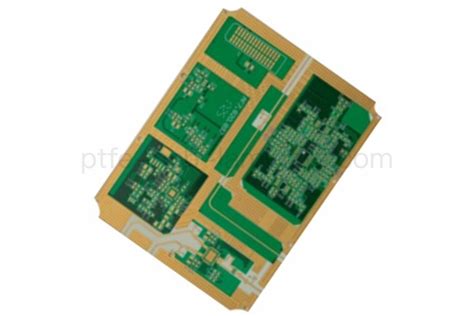
Solder mask ink is applied to circuits after they are completed to protect them. It comes in liquid photosensitive, heat-curing, and UV-curing types. It preserves solder pads on the board, facilitates component soldering, and provides insulation and oxidation protection.
Character ink is used for marking the board surface, such as component symbols, and is typically white.
Other inks exist, such as peelable inks, which can be removed during copper plating or surface treatment to protect unused areas; and silver paste inks.
Precautions for Using PCB Inks
Based on the practical experience of most manufacturers, the following guidelines must be followed when using ink:
- Under all circumstances, the ink temperature must be maintained below 20-25°C. Excessive temperature fluctuations should be avoided, as this will affect the ink’s viscosity and the quality and effect of screen printing.
Especially when the ink is stored outdoors or at varying temperatures, it must be acclimated to ambient temperature for several days before use, or the ink container must be allowed to reach the appropriate operating temperature. This is because using cold ink can cause screen printing problems and unnecessary trouble. Therefore, to maintain ink quality, it is best to store or store it under process conditions at room temperature.
- Before use, the ink must be thoroughly and carefully stirred manually or mechanically. If air enters the ink, allow it to sit for a while before use. If dilution is necessary, mix thoroughly before testing the viscosity. Seal the ink container immediately after use. Never return ink from the screen to the ink container to mix it with unused ink.
- It is best to use a compatible cleaning agent for screen cleaning, and do it thoroughly and cleanly. For subsequent cleaning, it is best to use a clean solvent.
- When drying the ink, it must be done in a machine with a good exhaust system.
- Screen printing operations must be performed in a work area that maintains working conditions that meet process and technical requirements.
What is the role of PCB ink in the PCB manufacturing process?
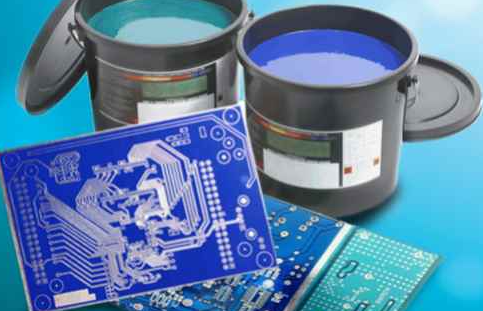
Ink protects the copper foil during production, preventing it from being exposed and affecting subsequent steps. There are photosensitive inks, carbon inks, and silver inks. Carbon and silver inks both provide conductivity. Commonly used ink colors include white, green, black, blue, red, and yellow.