what is a metal core pcb
Metal core PCBs, also known as MCPCBs, are printed circuit boards that use a metal core as
the base material instead of the traditional FR4 or other organic materials. The metal coreprovides a number of benefits over traditional PCBs, including improved thermal management,higher power handling capabilities, and increased durability.
One of the primary advantages of metal core PCBs is their ability to dissipate heat moreeffectively than traditional PCBs. The metal core acts as a heat sink, drawing heat awayfrom the components on the board and dissipating it into the surrounding environment. Thisis particularly important for high-power applications, where excessive heat can causecomponents to fail or degrade over time.
In addition to improved thermal management, metal core PCBs also offer higher powerhandling capabilities than traditional PCBs. This is due to the fact that the metal coreprovides a more stable and reliable platform for high-power components, allowing them tooperate at higher temperatures and with greater efficiency. This makes metal core PCBsideal for applications such as LED lighting, power supplies, and motor control systems.
Another key advantage of metal core PCBs is their increased durability. The metal coreprovides a more robust and rigid platform for the components on the board, reducing therisk of damage or failure due to vibration, shock, or other environmental factors. Thismakes metal core PCBs well-suited for use in harsh or demanding environments, such asautomotive or aerospace applications.
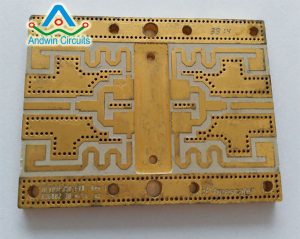
Despite these benefits, metal core PCBs are not without their drawbacks. One of the primarychallenges associated with metal core PCBs is their increased cost compared to traditionalPCBs. This is due to the fact that the metal core material is more expensive thantraditional organic materials, and the manufacturing process for metal core PCBs is morecomplex and time-consuming.
Another challenge associated with metal core PCBs is their increased weight and thicknesscompared to traditional PCBs. This can make them more difficult to integrate into certainapplications, particularly those that require a low profile or lightweight design.
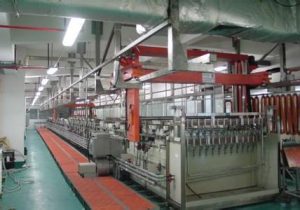
Despite these challenges, metal core PCBs continue to gain popularity in a wide range ofapplications due to their superior thermal management, high power handling capabilities,and increased durability. As the demand for high-performance electronic systems continuesto grow, it is likely that metal core PCBs will become an increasingly important componentof the electronics industry.