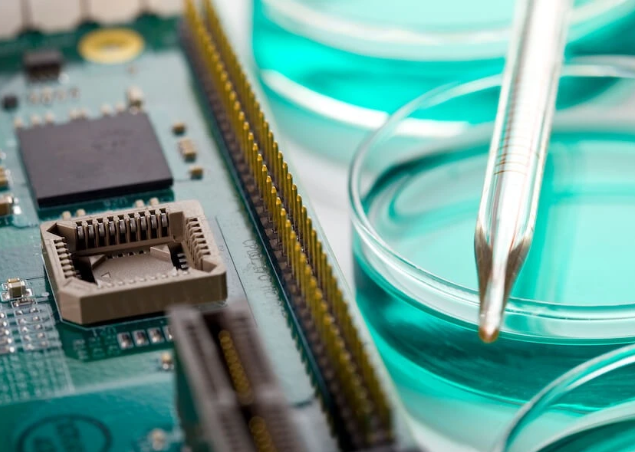
What is Chemical-Free PCB Manufacturing and Assembly
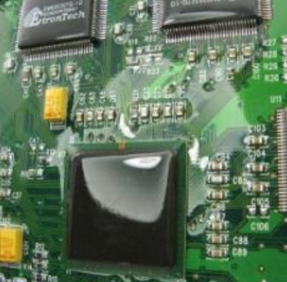
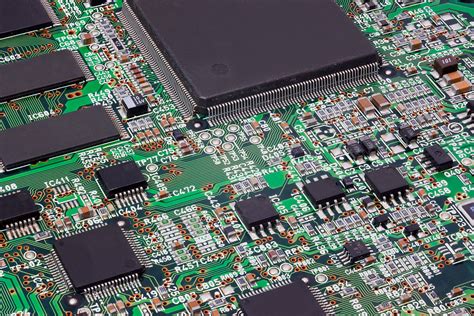
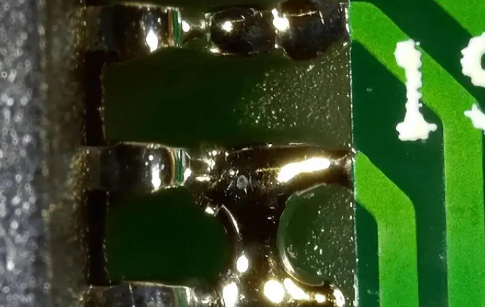
Commonly referred to as PCBA, Printed Circuit Board Assembly refers to the process of securely mounting electronic components onto a printed circuit board. It is basically a mechanical assembly process of soldering or assembling different electronic components onto one printed circuit board in a manner that enables encapsulation. A fully functional PCB is by no means a finished product; it needs to be connected to a power source as well as a display monitor for displaying information. PCB assemblies are not universal; they are assembled to detailed specifications related to the placement of connectors, mounting plates, etc. In many, the specifications are detailed enough to require drawing the exact location and size of each external component, such as specifications related to height or holding areas that need to be defined and designed before the manufacturing and assembly process itself.
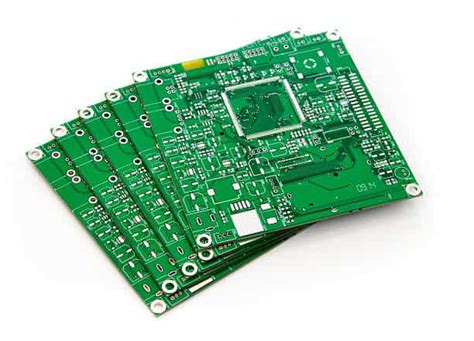
It is very common to confuse PCB assembly with PCB manufacturing; the two are completely different and unique from each other. Manufacturing PCBs requires fabrication and prototyping before actual production, while assembly requires soldering electronic components onto circuit boards for use in various gadgets and devices. The manufacturing and assembly of PCBs requires a lot of materials, mainly:
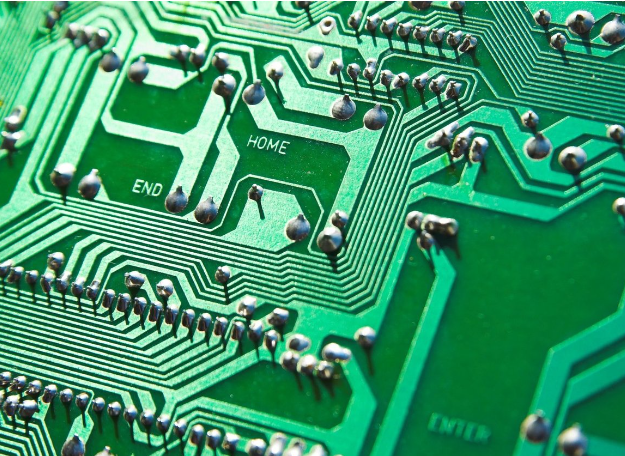
Printed Circuit Boards
Electronic Components
Soldering Materials, including
Soldering Flux
Soldering Equipment, including soldering stations, wave soldering machines, SMT equipment, etc.
Solder Wire, Solder Paste, Solder Bars, Solder Preforms (depending on the type of soldering), Inspection and Testing Equipment, etc.
Towards the end of the 20th century, the threat posed to the Earth’s ozone layer by emissions of CFC-based defluorinated solvents, such as Freon and trichloroethylene, renewed focus on the need to reduce the use of chemicals in manufacturing. The increased clamor led many organizations to abandon CFC-based defluxing solvents in favor of water-based defluxing agents as well as no-clean fluxes. Since then, the standards for setting green technology have also changed a lot, also because regulatory directives have made it imperative for companies to adopt cleaner chemical-free PCB manufacturing and assembly. Organizations are increasingly looking to adopt methods that reduce product liability and environmental responsibility to lower their carbon footprint.
Environmental Concern
Apart from environmental concerns, workplace safety has become critical not only during process operations but also in performing routine cleaning and maintenance functions, which is why many environmental groups have begun to embrace lead-free soldering even though it comes at a 200-300% premium. Not only are PCB assembly workers in factories susceptible to the toxins released during the process, but even the end consumers who purchase these products.
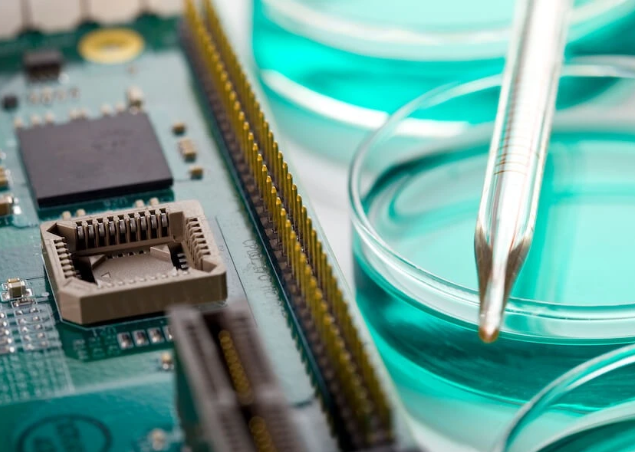
Environmentally Friendly Cleaning Processes
During the cleaning process of PCB assembly, chemicals are primarily used, although there are many industries that require the use of no-clean processes. However, industries such as aviation, automotive, and medical industries do require post-assembly cleaning of solder resident pastes. It is these industries that require PCB manufacturers and assembly manufacturers to adhere to chemically reliable cleaning solutions that are also environmentally friendly. The European Union has set strict guidelines regarding chemical-free and PCB assembly. The ROHS directive is very clear in its regulations that, from July 2006, member states must ensure that new electrical and electronic equipment released on the market does not contain lead, mercury, cadmium, hexavalent chromium, PBB, or PDBE. Since the ROHS guidelines are a product-based program, the responsibility for compliance lies with the manufacturer. This means that from an environmental perspective, the flux and solder paste residues that are typically used in high reliability and long life PCB assembly products need to be compatible with the solvents and detergents needed to clean them.
The normal environment we live in is already rich in pollutants, which is why it is imperative to ensure that we do not add to the pollution by adopting manufacturing and assembly processes that do not use any harmful chemicals. Although there is no regulatory agency in the United States for testing PCB manufacturing and assembly processes, the government has proposed several initiatives that require organizations to use non-lead-based products during the manufacturing and assembly process. In addition to government-based initiatives, non-governmental environmental agencies are playing an increasingly active role in raising awareness of the safety hazards that are posed to workers and consumers by using chemicals in PCB manufacturing and assembly without sacrificing quality or reliability. Even organizations are now more willing to work with PCB assembly suppliers who are committed to implementing advanced processes and using high-quality raw materials to reduce environmental pollution and provide a higher level of health and safety for workers and consumers.