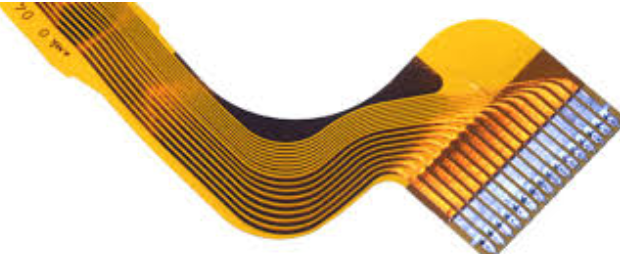
What is flex cut pcb
Introduction To Flex Cut PCB: Understanding The Basics
Flex cut PCB, also known as flex-rigid PCB, represents a significant advancement in the field of printed circuit boards. This innovative technology combines the best attributes of both flexible and rigid PCBs, offering a versatile solution for a wide range of electronic applications.
To fully appreciate the benefits and applications of flex cut PCBs, it is essential to understand their fundamental characteristics and how they differ from traditional PCB designs.
At its core, a flex cut PCB integrates flexible and rigid substrates into a single board.
The flexible sections are typically made from polyimide or other flexible materials, which allow the board to bend and conform to various shapes. In contrast, the rigid sections are composed of standard FR4 or similar materials, providing structural support and stability. This combination enables the creation of complex, three-dimensional circuits that can fit into compact and irregularly shaped spaces, which is particularly advantageous in modern electronic devices.
One of the primary advantages of flex cut PCBs is their ability to reduce the overall size and weight of electronic assemblies.
By eliminating the need for connectors and cables between separate rigid boards, flex cut PCBs streamline the design, resulting in a more compact and lightweight product. This is especially beneficial in applications where space and weight are critical factors, such as in aerospace, medical devices, and portable consumer electronics.
Moreover, flex cut PCBs offer enhanced reliability and durability.
The flexible sections can absorb mechanical stresses and vibrations, reducing the risk of damage to the board and its components. This makes them ideal for use in environments where electronic devices are subject to constant movement or harsh conditions. Additionally, the seamless integration of flexible and rigid sections minimizes the potential for connection failures, further improving the overall reliability of the device.
The manufacturing process of flex cut PCBs involves several intricate steps, beginning with the design phase.
Engineers use specialized software to create detailed layouts that incorporate both flexible and rigid sections. Once the design is finalized, the fabrication process begins with the production of the flexible and rigid layers separately. These layers are then laminated together using adhesive materials, ensuring a strong bond between the different sections. Advanced techniques such as laser cutting and precision drilling are employed to create the necessary cutouts and vias, allowing for the interconnection of the various layers.
Despite their numerous advantages, flex cut PCBs also present certain challenges.
The complexity of their design and manufacturing process can result in higher production costs compared to traditional PCBs. Additionally, the materials used in flexible sections may have different thermal and mechanical properties than those in rigid sections, necessitating careful consideration during the design phase to ensure optimal performance. However, ongoing advancements in materials and manufacturing techniques continue to address these challenges, making flex cut PCBs increasingly accessible and cost-effective.
In conclusion, flex cut PCBs represent a remarkable innovation in the realm of printed circuit boards, offering a unique combination of flexibility, reliability, and compactness. Their ability to integrate flexible and rigid sections into a single board opens up new possibilities for electronic design, enabling the creation of sophisticated and durable devices that can thrive in demanding environments. As technology continues to evolve, the adoption of flex cut PCBs is likely to expand, driving further advancements in electronic applications across various industries.
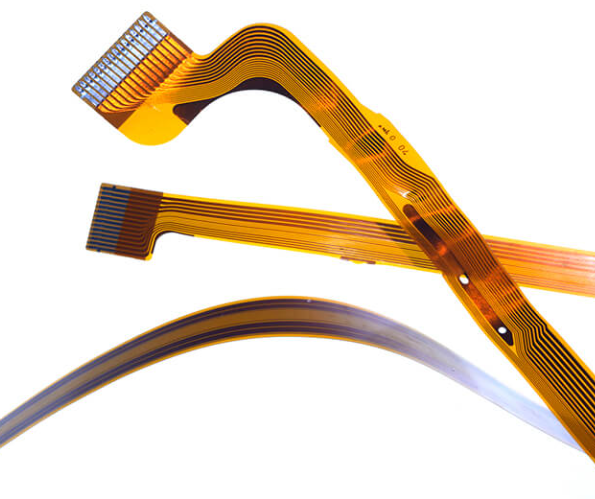
Advantages Of Using Flex Cut PCB In Modern Electronics
Flex Cut Printed Circuit Boards (PCBs) have emerged as a revolutionary advancement in the field of modern electronics, offering a multitude of advantages that cater to the evolving demands of contemporary technology. These PCBs are designed with precision cuts or slots that allow for greater flexibility and adaptability, making them an ideal choice for a wide range of applications. One of the primary benefits of using Flex Cut PCBs is their ability to conform to various shapes and sizes, which is particularly advantageous in the development of compact and intricate electronic devices.
In addition to their flexibility, Flex Cut PCBs are known for their durability and reliability.
The materials used in their construction are typically robust and resistant to environmental stressors such as heat, moisture, and mechanical wear. This resilience ensures that the electronic components mounted on these PCBs maintain optimal performance over extended periods, thereby enhancing the overall longevity of the devices in which they are used. Furthermore, the precision cuts in Flex Cut PCBs facilitate better thermal management, as they allow for improved heat dissipation, which is crucial in preventing overheating and ensuring the stable operation of electronic circuits.
Another significant advantage of Flex Cut PCBs is their contribution to the miniaturization of electronic devices.
As technology continues to advance, there is a growing demand for smaller, more efficient gadgets. Flex Cut PCBs enable designers to create compact and lightweight devices without compromising on functionality or performance. The ability to bend and fold these PCBs allows for more efficient use of space within the device, leading to innovative designs that were previously unattainable with traditional rigid PCBs. This aspect is particularly beneficial in the development of wearable technology, medical devices, and portable electronics, where space constraints are a critical consideration.
Moreover, Flex Cut PCBs offer enhanced signal integrity and reduced electromagnetic interference (EMI).
The flexible nature of these PCBs allows for more precise routing of electrical traces, which minimizes the risk of signal loss and crosstalk. This is especially important in high-frequency applications where maintaining signal integrity is paramount. Additionally, the reduced EMI contributes to the overall performance and reliability of the electronic device, ensuring that it operates efficiently in various environments.
The manufacturing process of Flex Cut PCBs also presents several advantages.
These PCBs can be produced using advanced fabrication techniques that allow for high levels of customization and precision. This means that manufacturers can tailor the design and layout of the PCBs to meet specific requirements, resulting in optimized performance and functionality. Furthermore, the use of automated processes in the production of Flex Cut PCBs ensures consistency and accuracy, reducing the likelihood of defects and improving overall quality.
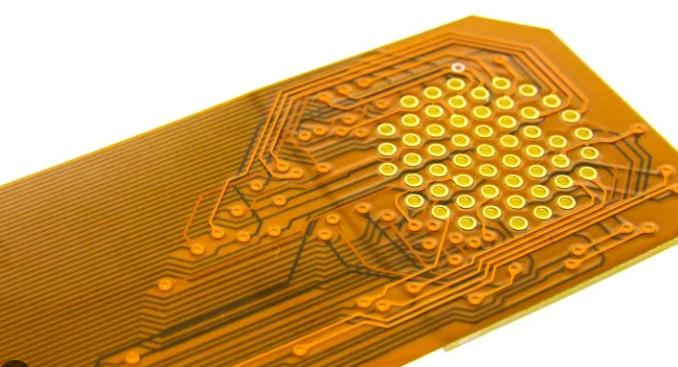
In conclusion, the advantages of using Flex Cut PCBs in modern electronics are manifold. Their flexibility, durability, and ability to facilitate miniaturization make them an invaluable asset in the development of cutting-edge technology. Additionally, their contribution to improved thermal management, signal integrity, and reduced EMI further underscores their significance in the electronics industry. As technology continues to evolve, the adoption of Flex Cut PCBs is likely to increase, driving innovation and enabling the creation of more advanced and efficient electronic devices.
Design Considerations For Flex Cut PCB: Tips And Best Practices
Flex cut PCBs, also known as flexible circuit boards, are an innovative solution in the realm of electronic design, offering a unique combination of flexibility, durability, and space-saving capabilities. These attributes make them particularly valuable in applications where traditional rigid PCBs fall short. However, designing a flex cut PCB requires careful consideration of several factors to ensure optimal performance and reliability. This article delves into the essential design considerations, providing tips and best practices for engineers and designers.
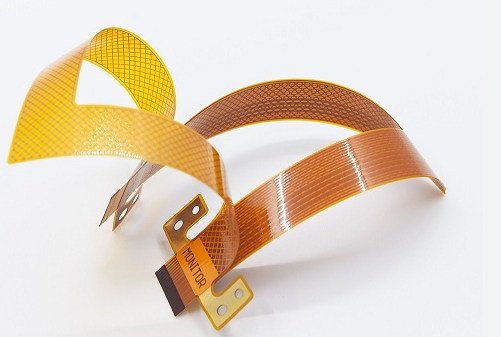
To begin with, material selection is a critical aspect of flex cut PCB design.
The choice of substrate material significantly impacts the board’s flexibility, thermal stability, and overall performance. Polyimide is a popular choice due to its excellent thermal resistance and mechanical properties. However, depending on the specific application requirements, other materials such as polyester or liquid crystal polymer may also be suitable. It is crucial to evaluate the material’s properties in relation to the intended use of the PCB to ensure it meets the necessary performance criteria.
Another important consideration is the layout and routing of the flex cut PCB.
Unlike rigid PCBs, flexible circuits can bend and twist, which necessitates a different approach to trace routing. Designers should avoid sharp bends and tight radii, as these can cause stress points that may lead to circuit failure. Instead, gentle curves and larger bend radii should be employed to distribute mechanical stress more evenly. Additionally, it is advisable to use staggered or offset traces rather than parallel ones to minimize the risk of cracking or delamination.
The stack-up configuration of a flex cut PCB also plays a vital role in its performance.
A well-designed stack-up can enhance the board’s flexibility while maintaining its electrical integrity. Typically, a flex cut PCB consists of multiple layers, including conductive layers, insulating layers, and adhesive layers. The arrangement and thickness of these layers should be carefully planned to achieve the desired balance between flexibility and rigidity. For instance, using thinner copper layers can improve flexibility but may require additional reinforcement to prevent damage during handling and operation.
Furthermore, the choice of adhesive is another crucial factor in flex cut PCB design.
The adhesive must provide strong bonding between the layers while maintaining flexibility. It should also exhibit good thermal and chemical resistance to withstand the operating environment. Pressure-sensitive adhesives (PSAs) and thermosetting adhesives are commonly used in flexible circuits, each offering distinct advantages. PSAs are easy to apply and provide immediate bonding, while thermosetting adhesives offer superior strength and durability after curing.
In addition to material and structural considerations, it is essential to account for the environmental conditions in which the flex cut PCB will operate.
Factors such as temperature, humidity, and exposure to chemicals can significantly impact the board’s performance and longevity. Therefore, designers should conduct thorough environmental testing and select materials and coatings that can withstand the anticipated conditions. Protective coatings, such as conformal coatings or encapsulants, can provide an additional layer of defense against environmental stressors.
Lastly, manufacturability is a key consideration in flex cut PCB design.
The complexity of the design should be balanced with the capabilities of the manufacturing process to ensure cost-effective production. Collaborating with experienced manufacturers during the design phase can help identify potential challenges and optimize the design for efficient fabrication. This collaboration can also facilitate the selection of appropriate design rules and tolerances, ensuring that the final product meets the desired specifications.
In conclusion, designing a flex cut PCB involves a multifaceted approach that encompasses material selection, layout and routing, stack-up configuration, adhesive choice, environmental considerations, and manufacturability. By adhering to these best practices and leveraging the expertise of experienced manufacturers, designers can create flexible circuit boards that deliver reliable performance in a wide range of applications.
Applications Of Flex Cut PCB In Various Industries
Flex cut PCBs, or flexible circuit boards, are a type of printed circuit board designed to be flexible and adaptable to various shapes and sizes. This unique characteristic allows them to be used in a wide range of applications across multiple industries. The versatility of flex cut PCBs stems from their ability to bend, fold, and twist without compromising their functionality, making them an invaluable component in modern technology.
One of the primary industries that benefit from flex cut PCBs is the consumer electronics sector.
In this industry, the demand for smaller, lighter, and more efficient devices is ever-increasing. Flex cut PCBs are integral to the design and manufacturing of smartphones, tablets, and wearable technology. Their flexibility allows for more compact and intricate designs, enabling manufacturers to produce devices with enhanced functionality and reduced size. For instance, in smartphones, flex cut PCBs are used to connect various components within the limited space of the device, ensuring reliable performance while maintaining a slim profile.
Transitioning to the automotive industry, flex cut PCBs play a crucial role in the development of modern vehicles.
As cars become more technologically advanced, the need for reliable and efficient electronic systems grows. Flex cut PCBs are used in various automotive applications, including infotainment systems, advanced driver-assistance systems (ADAS), and engine control units. Their ability to withstand harsh environments, such as extreme temperatures and vibrations, makes them ideal for use in vehicles. Additionally, the flexibility of these PCBs allows for more efficient use of space within the vehicle, contributing to the overall design and functionality of automotive electronics.
In the medical field, flex cut PCBs are essential for the development of advanced medical devices.
The miniaturization of medical equipment, such as hearing aids, pacemakers, and diagnostic tools, relies heavily on the use of flexible circuit boards. These PCBs enable the creation of compact and lightweight devices that can be easily integrated into the human body or used in close proximity to patients. Furthermore, the reliability and durability of flex cut PCBs ensure that medical devices can function accurately and consistently, which is critical for patient care and safety.
The aerospace industry also benefits significantly from the use of flex cut PCBs.
In this sector, the need for lightweight and reliable electronic systems is paramount. Flex cut PCBs are used in various aerospace applications, including satellite systems, avionics, and communication equipment. Their ability to withstand extreme conditions, such as high altitudes and intense vibrations, makes them ideal for use in aerospace technology. Moreover, the flexibility of these PCBs allows for more efficient use of space within aircraft and spacecraft, contributing to the overall performance and reliability of aerospace systems.
Lastly, the industrial sector leverages flex cut PCBs for a variety of applications, including robotics,
automation systems, and industrial control equipment. The adaptability and durability of these PCBs make them suitable for use in harsh industrial environments, where they are exposed to factors such as dust, moisture, and mechanical stress. Flex cut PCBs enable the development of more efficient and reliable industrial systems, which in turn enhances productivity and reduces downtime.
In conclusion, the applications of flex cut PCBs span across numerous industries, each benefiting from the unique properties of these flexible circuit boards. From consumer electronics to automotive, medical, aerospace, and industrial sectors, flex cut PCBs play a vital role in the advancement of modern technology. Their ability to adapt to various shapes and sizes, combined with their durability and reliability, makes them an indispensable component in the development of innovative and efficient electronic systems.