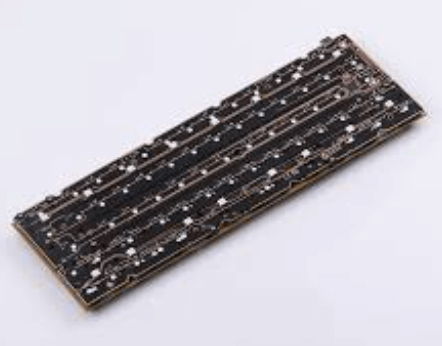
What is PCB Drilling Backer Board?
Introduction to PCB Drilling Backer Boards
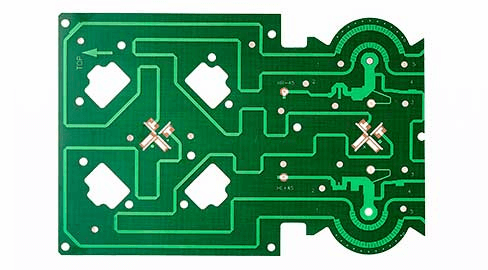
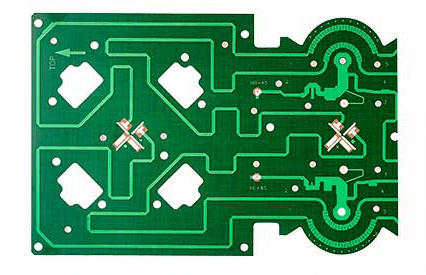
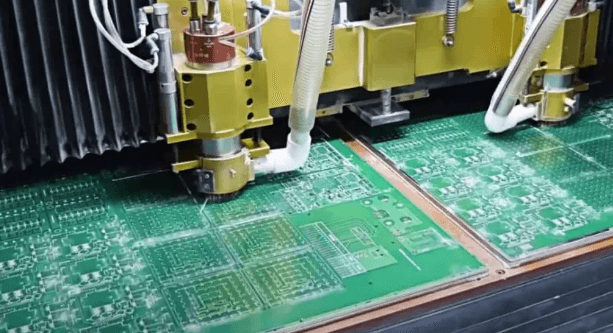
Printed Circuit Board (PCB) manufacturing involves numerous precise processes, with drilling being one of the most critical steps. PCB drilling backer boards, also known as entry or backup materials, play an essential but often overlooked role in ensuring drilling accuracy and quality. These specialized materials are placed beneath the PCB panel during the drilling process to provide support, prevent burring, and extend drill bit life.
The drilling process accounts for approximately 30-40% of total PCB manufacturing time and significantly impacts product quality. Backer boards contribute to process efficiency by minimizing drill bit wander, reducing breakout on the underside of the board, and protecting the drilling machine’s work surface. As PCBs continue evolving with higher density interconnects and smaller via sizes, the importance of proper backer board selection has grown substantially.
Types of PCB Drilling Backer Boards
Phenolic Backer Boards
Phenolic backer boards, made from layered paper impregnated with phenolic resin, represent the most common type used in PCB manufacturing. These composite materials offer excellent hardness and thermal stability at a relatively low cost. Phenolic backers typically come in standard thicknesses ranging from 0.5mm to 3.0mm, with 1.5mm being the most widely used.
The primary advantages of phenolic backer boards include:
- Consistent density throughout the material
- Good heat resistance during high-speed drilling
- Cost-effectiveness for high-volume production
- Adequate support for standard PCB materials
However, phenolic materials tend to wear drill bits faster than some alternatives and may require more frequent replacement during extended drilling operations.
Aluminum Composite Backer Boards
Aluminum composite backer boards combine an aluminum core with specialized surface layers designed to interact optimally with drill bits. These premium backer materials offer several performance advantages:
- Superior thermal conductivity dissipates heat from the drill bit
- Reduced bit wear extends tool life significantly
- Excellent dimensional stability for precision drilling
- Minimal debris accumulation during operation
The aluminum core provides rigidity while the composite surfaces protect both the drill bit and PCB. These backer boards are particularly valuable for high-density interconnect (HDI) PCBs and other applications requiring extremely small hole sizes.
Polyethylene and Other Plastic Backer Boards
Various plastic-based backer materials serve specific niches in PCB drilling:
High-Density Polyethylene (HDPE):
- Soft material that reduces drill bit stress
- Ideal for fragile or thin PCBs
- Less effective for small diameter holes
Polycarbonate:
- Good clarity for visual alignment verification
- Moderate heat resistance
- Limited reuse capability
Specialty Composite Materials:
- Engineered for specific applications like flex PCB drilling
- Often combine multiple material properties
- Typically higher cost than standard options
Key Functions of Drilling Backer Boards
Drill Bit Protection and Performance Enhancement
Backer boards serve as a sacrificial layer that absorbs initial impact when drill bits penetrate the PCB, significantly reducing bit stress and wear. This protection becomes increasingly critical as hole diameters shrink below 0.3mm. Proper backer board selection can extend drill bit life by 20-35%, representing substantial cost savings in tool replacement.
The materials also help maintain bit sharpness by:
- Preventing premature blunting from machine table contact
- Reducing heat buildup through thermal conduction
- Minimizing vibration-induced micro-fractures in carbide bits
Hole Quality Improvement
Backer boards dramatically improve hole quality by preventing several common drilling defects:
Exit Burrs:
The backer material supports the copper foil at the drill exit point, preventing the characteristic “teardrop” burr formation that occurs when the drill breaks through unsupported material. This is particularly important for high-frequency PCBs where even minor surface irregularities can affect signal integrity.
Smear Removal:
As the drill bit passes through the backer board, it helps remove resin smear from the hole walls. This cleaning action reduces the need for extensive desmear processing after drilling.
Hole Wall Quality:
Consistent support from the backer board produces smoother hole walls with fewer fractures or rough areas that could impair plating quality.
Process Stability and Efficiency
Backer boards contribute to overall drilling process stability in multiple ways:
Vibration Damping:
The materials absorb some of the high-frequency vibrations generated during drilling, improving hole positional accuracy and reducing machine wear.
Chip Removal:
Proper backer board materials help evacuate drilling chips from the hole, preventing clogging and subsequent bit breakage. Some advanced backer materials incorporate special surface textures or coatings to enhance chip flow.
Thermal Management:
By conducting heat away from the drill bit, backer boards help maintain optimal drilling temperatures, particularly important for high-speed spindles operating at 150,000 RPM or more.
Selection Criteria for PCB Drilling Backer Boards
Material Compatibility
The ideal backer board material varies depending on the PCB substrate:
FR-4 Standard Boards:
Phenolic backer boards work well for most FR-4 applications, providing the right balance of support and cost-effectiveness.
High-Tg and RF Materials:
More thermally stable backers like aluminum composites better suit materials with high glass transition temperatures or specialized dielectric requirements.
Flex and Rigid-Flex PCBs:
Softer backer materials prevent damage to flexible substrates while still providing necessary support.
Hole Size Considerations
Standard Holes (>0.3mm):
Standard phenolic backer boards perform adequately for conventional hole sizes.
Microvias (<0.15mm):
Specialized backer materials with very consistent density and minimal surface variation are required to prevent microvia drill bit breakage.
Laser Drilling:
Some laser drilling applications use transparent backer materials to allow optical alignment and process monitoring.
Production Volume and Cost Factors
High-Volume Production:
Durable backer materials that withstand multiple uses (like certain aluminum composites) often prove more economical despite higher initial cost.
Prototype and Low-Volume:
Disposable phenolic backers may be more cost-effective for small runs where material reuse isn’t practical.
Advanced Developments in Backer Board Technology
Nanocomposite Materials
Recent advancements incorporate nanotechnology to create backer boards with enhanced properties:
- Carbon nanotube-reinforced materials for exceptional strength and heat dissipation
- Nano-ceramic coatings that reduce friction and bit wear
- Self-lubricating nanocomposites that minimize smear
Smart Backer Boards
Emerging “smart” backer technologies incorporate sensors and indicators to:
- Monitor drill bit wear in real-time
- Detect drilling process anomalies
- Provide visual wear indicators for optimal replacement timing
Environmentally Friendly Options
Sustainable backer board developments include:
- Recyclable composite materials
- Bio-based resins replacing petroleum products
- Closed-loop recycling programs for used backer materials
Best Practices for Backer Board Usage
Proper Installation Techniques
- Ensure complete flatness against the machine table
- Maintain consistent tension if using pinned backer systems
- Verify adequate coverage beyond PCB edges (typically 10-15mm)
Maintenance and Replacement
- Establish regular inspection schedules for wear
- Replace before excessive wear compromises hole quality
- Clean between uses when employing reusable backers
Process Optimization
- Match backer thickness to PCB stackup and hole size
- Adjust drilling parameters based on backer material characteristics
- Monitor tool life changes when switching backer types
Conclusion
PCB drilling backer boards, while seemingly simple, represent a critical component in modern circuit board manufacturing. Their proper selection and use directly impact drilling quality, tool life, and overall production efficiency. As PCB technology advances toward finer features and more complex constructions, backer board technology continues evolving to meet these challenges. Understanding the various material options, their properties, and optimal application methods allows manufacturers to maximize drilling process performance while controlling costs. The humble backer board remains an indispensable ally in achieving precision PCB fabrication.