What is PCB immersion gold? Why do we need immersion gold?
1.What is immersion gold?
Simply put, immersion gold is a method of chemical deposition to produce a metal coating on the surface of the circuit board through a chemical oxidation-reduction reaction.
2.Why do we need immersion gold?
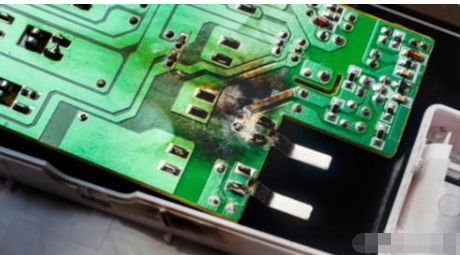
The copper on the circuit board is mainly red copper. The copper solder joints are easily oxidized in the air, which will cause poor conductivity, that is, poor tinning or poor contact, reducing the performance of the circuit board.
Then it is necessary to perform surface treatment on the copper solder joints. Immersion gold is to plate gold on them. Gold can effectively block copper metal and air to prevent oxidation. Therefore, immersion gold is a treatment method for surface oxidation prevention. It is to cover the surface of copper with a layer of gold through a chemical reaction, also called chemical gold.
3.What are the benefits of immersion gold as a surface treatment?
The advantage of the immersion gold process is that the color of the surface deposit is very stable when the circuit is printed, the brightness is very good, the coating is very flat, and the solderability is very good.
The thickness of gold in immersion gold is generally 1-3 Uinch, so the gold thickness made by immersion gold surface treatment is generally thicker, so immersion gold surface treatment is widely used in circuit boards such as keypads and gold finger boards, because gold has strong conductivity, good oxidation resistance and long service life.
4.What are the advantages of using immersion gold circuit boards?
5.The immersion gold board has bright colors, good color and good appearance.
6.The crystal structure formed by immersion gold is easier to weld than other surface treatments, and can have better performance and ensure quality.
7.Because the immersion gold board only has nickel gold on the pad, it will not affect the signal, because the signal transmission in the skin effect is on the copper layer.
8.The metal properties of gold are relatively stable, the crystal structure is denser, and it is not easy to oxidize.
9.Because the immersion gold board only has nickel gold on the pad, the combination of the solder mask and the copper layer on the circuit is more solid, and it is not easy to cause micro short circuit.
10.The project will not affect the spacing when making compensation.
11.The stress of the immersion gold board is easier to control.
12.Immersion Gold and Gold Fingers
To put it bluntly, gold fingers are brass contacts, or conductors.
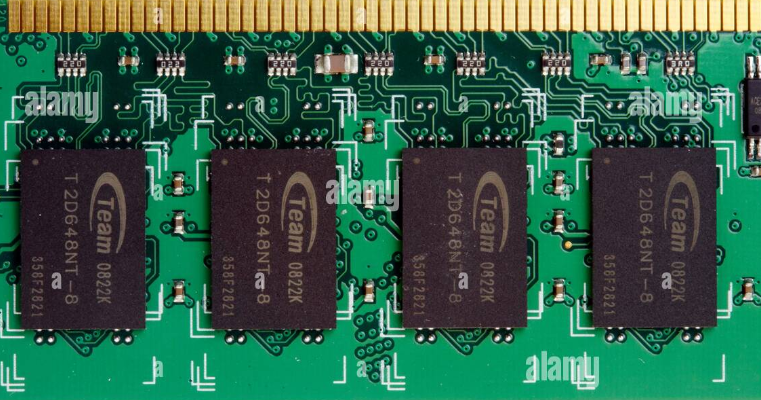
In detail, because gold is highly resistant to oxidation and highly conductive, the parts connected to the memory slots on the memory stick are plated with gold, and all signals are transmitted through the gold fingers.
Because the gold fingers are composed of many yellow conductive contacts, their surface is plated with gold and the conductive contacts are arranged like fingers, hence the name.
In layman’s terms, the gold fingers are the connecting parts between the memory stick and the memory slots, and all signals are transmitted through the gold fingers. The gold fingers are composed of many golden conductive contacts. The gold fingers are actually a layer of gold coated on the copper clad board through a special process.
Therefore, the simple distinction is that immersion gold is a surface treatment process for the circuit board, and the gold fingers are the parts on the circuit board that have signal connection and conduction.
In the actual market, the gold fingers may not actually be gold on the surface.
Due to the high price of gold, most memory is currently replaced by tin plating. Tin material has become popular since the 1990s. Currently, the “gold fingers” of motherboards, memory, graphics cards and other devices are almost all made of tin material. Only the contact points of some high-performance server/workstation accessories will continue to use gold plating, which is naturally expensive.