What is the surface tension of a PCB?
What is PCB surface tension? Some of you have asked us about this today, so let us explain it to you.
PCB surface tension refers to the interaction between a liquid or solid material and the air on the surface of a PCB. It is a physical phenomenon that describes the tension in a thin layer of liquid or solid material formed on a surface.
Surface tension is caused by intermolecular interactions, primarily involving the attractive and repulsive forces between molecules. Higher surface tension causes liquids to form small droplets on a surface, while lower surface tension causes liquids to spread more easily.
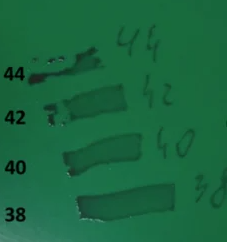
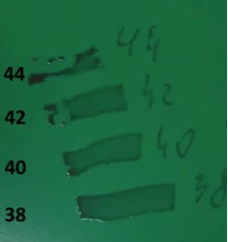
In PCB manufacturing, the following general surface tension standards are commonly followed:
For PCBs with lead soldering: The most common surface tension standard is determined by IPC-6012C. This standard recommends a surface tension of 46-56 dyn/cm for lead soldered PCBs.
For PCBs with lead-free soldering: With the widespread use of lead-free soldering, new surface tension standards have emerged. According to IPC-6012D, the surface tension of lead-free PCBs should be between 38 and 48 dyn/cm.
In PCB manufacturing, surface tension is crucial for the quality and reliability of processes such as coating, spraying, and soldering. Proper surface tension ensures uniform coating of materials on the PCB surface and facilitates proper connection and soldering of components. Therefore, controlling and maintaining proper PCB surface tension is a key factor in ensuring a successful manufacturing process and the performance of the final product.