World’s Leading PCB Manufacturers Driving Electronics Innovation
Key Takeaways
When exploring the PCB manufacturing landscape, you’ll notice that leading PCB manufacturing companies balance scale, innovation, and cost-efficiency to dominate the global electronics market. Their competitive edge often stems from optimizing PCB manufacturing cost through automation, advanced material sourcing, and streamlined production processes. For instance, integrating AI-driven quality control systems reduces waste, while investments in high-density interconnect (HDI) and flexible PCB technologies enable smaller, faster, and more reliable devices.
Sustainability is now a cornerstone of the PCB manufacturing business, with top players adopting eco-friendly practices like water recycling and halogen-free materials to meet stringent regulations. Asia’s dominance in this sector—driven by robust supply chains and R&D hubs—highlights how geographic advantages amplify production capabilities. However, rising demand for 5G infrastructure and IoT devices pushes even established manufacturers to innovate continuously. By aligning cost strategies with cutting-edge tech, these industry giants secure their positions while shaping the future of electronics.
Global PCB Industry Leaders 2023
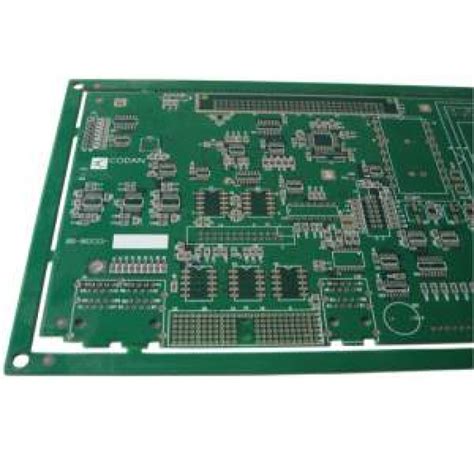
When exploring the PCB manufacturing landscape, you’ll find that 2023’s industry leaders have solidified their positions through scale, innovation, and strategic market adaptation. Companies like Unimicron, Zhen Ding Technology, and TTM Technologies dominate global production, collectively controlling over 35% of the PCB manufacturing business worldwide. Their competitive edge lies in optimizing PCB manufacturing cost while deploying cutting-edge processes like embedded component boards and ultra-high-density interconnects.
What sets these PCB manufacturing companies apart is their ability to balance high-volume output with customization for sectors like 5G infrastructure, automotive electronics, and AI hardware. For instance, advanced substrate technologies developed by top players now support signal speeds exceeding 112 Gbps, critical for next-gen data centers. Sustainability also plays a growing role, with leaders reducing water usage by 40% and adopting halogen-free materials to meet EU directives.
Asia remains the epicenter, housing 85% of global PCB production capacity. However, Western firms are gaining traction in niche markets like military-grade boards, where reliability standards offset higher PCB manufacturing cost. As demand surges for IoT and wearable devices, the race intensifies to deliver thinner, lighter boards without compromising durability—a challenge where R&D investments separate industry giants from competitors.
Innovative Circuit Board Manufacturing Tech
Modern PCB manufacturing relies on cutting-edge technologies that redefine how electronics are designed and produced. Leading PCB manufacturing companies now employ additive printing techniques, enabling ultra-precise layering of conductive materials while minimizing waste. This shift not only enhances performance but also addresses PCB manufacturing cost challenges by reducing material usage by up to 30% compared to traditional methods. Innovations like laser direct imaging (LDI) further streamline production, allowing for finer circuit traces below 10 micrometers—critical for next-gen devices like foldable smartphones and AI processors.
To stay competitive in the PCB manufacturing business, firms are integrating AI-driven quality control systems that detect defects in real time, slashing error rates by over 40%. Advanced substrates, such as high-frequency laminates, are also gaining traction, supporting 5G and automotive radar applications. These breakthroughs underscore how manufacturers balance scalability with precision, ensuring faster turnaround without compromising reliability. By adopting modular production lines, top players can swiftly pivot between prototyping and mass production—a strategic edge in today’s fast-paced electronics market.
Top Electronics PCB Market Players
When evaluating the PCB manufacturing landscape, you’ll find that leading companies combine scale, innovation, and operational efficiency to dominate the market. Firms like TTM Technologies, Unimicron, and Samsung Electro-Mechanics stand out not only for their production volumes but also for their ability to balance PCB manufacturing cost with cutting-edge quality. These PCB manufacturing companies invest heavily in automation and AI-driven processes, enabling them to deliver high-density interconnect (HDI) boards and flexible circuits at competitive rates.
| Company | Specialization | Market Presence |
|---|---|---|
| TTM Technologies | Aerospace & Defense PCBs | Global (40+ facilities) |
| Unimicron | HDI & IC Substrates | Asia-Pacific dominance |
| Samsung Electro-Mech | Consumer Electronics PCBs | Worldwide OEM partnerships |
What gives these players an edge? Their PCB manufacturing business models prioritize vertical integration, controlling everything from raw material sourcing to final testing. This reduces supply chain vulnerabilities—a critical advantage when producing multilayer boards for 5G infrastructure or automotive systems. You’ll notice that cost optimization strategies, such as panel utilization improvements and waste reduction programs, are central to maintaining profitability in this capital-intensive sector.
While smaller competitors focus on niche markets, industry giants leverage R&D budgets to pioneer ultra-thin substrates and embedded component technologies. For businesses sourcing circuit boards, partnering with top-tier PCB manufacturing companies ensures access to scalable solutions and compliance with evolving sustainability standards—a growing differentiator in global supply chains.
Breakthroughs in Advanced PCB Technologies
When exploring how PCB manufacturing evolves, you’ll notice that cutting-edge innovations are redefining what’s possible in electronics. Leading PCB manufacturing companies now integrate embedded components and high-density interconnect (HDI) designs, allowing for smaller, faster, and more energy-efficient devices. These advancements not only push technical boundaries but also address PCB manufacturing cost challenges by optimizing material usage and production workflows.
“Adopting additive manufacturing techniques, like 3D-printed circuits, can reduce waste by up to 30% while enabling rapid prototyping—a game-changer for startups in the PCB manufacturing business.”
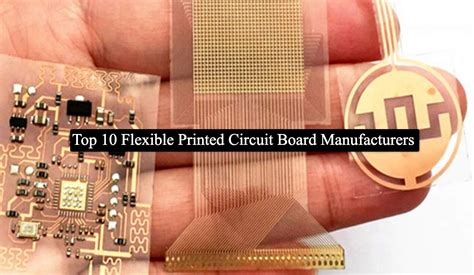
You’ll find that advancements in flexible and rigid-flex PCBs are unlocking applications in wearables and medical devices, where durability and precision matter. Meanwhile, AI-driven quality control systems minimize defects, ensuring higher yields despite complex designs. However, balancing innovation with affordability remains critical. For example, semi-additive processes lower material costs but require upfront investments in specialized equipment.
As sustainability gains traction, breakthroughs like halogen-free substrates and recyclable laminates are becoming industry priorities. These developments not future-proof the PCB manufacturing sector but also align with global eco-regulations—proving that cutting-edge tech and responsible practices can coexist.
Sustainable Practices in PCB Production
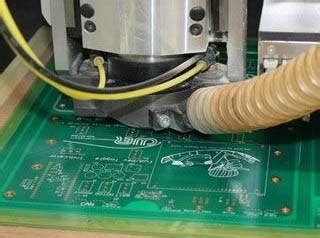
As global demand for electronics grows, PCB manufacturing companies are redefining their operations to align with environmental priorities. You’ll find industry leaders adopting closed-loop recycling systems to recover copper and other metals, reducing reliance on raw materials while cutting PCB manufacturing costs. Innovations like lead-free solder and halogen-free laminates not only meet stringent regulations but also minimize toxic waste, ensuring safer end products.
Transitioning to renewable energy sources, such as solar or wind power, is becoming a hallmark of forward-thinking PCB manufacturing businesses. For instance, some factories now integrate energy-efficient machinery that slashes carbon footprints by up to 30%—a critical step as stakeholders prioritize lifecycle assessments to gauge environmental impact.
However, balancing sustainability with PCB manufacturing scalability remains a challenge. Companies are experimenting with water recycling systems and biodegradable substrates to address this, though these solutions often require significant upfront investment. Despite the hurdles, certifications like ISO 14001 signal a firm’s commitment to eco-conscious practices, which increasingly influence partnerships and consumer trust. By embedding sustainability into their core strategies, manufacturers aren’t just meeting compliance—they’re future-proofing their role in a rapidly evolving industry.
Competitive Edge of PCB Industry Giants
When evaluating how PCB manufacturing leaders maintain dominance, you’ll notice their ability to balance scale with precision. Top PCB manufacturing companies leverage automation and AI-driven quality control to reduce PCB manufacturing cost while ensuring micron-level accuracy—critical for high-performance electronics. By integrating vertical supply chains, these giants streamline raw material procurement, slashing lead times even for complex multilayer boards.
Another advantage lies in their investment in proprietary technologies, such as embedded component PCBs or ultra-high-density interconnects (HDI), which smaller players struggle to replicate. This technical edge allows them to secure contracts with aerospace, automotive, and 5G developers seeking cutting-edge solutions.
Sustainability also plays a role: leading firms adopt closed-loop water systems and halogen-free materials, aligning with global ESG standards without compromising PCB manufacturing business profitability. Their global distribution networks further ensure rapid prototyping and mass production scalability, making them indispensable partners in an era where speed-to-market defines success.
By mastering these strategies, industry titans don’t just compete—they redefine what’s possible in electronics manufacturing.
Future Trends in Circuit Board Innovation
As you look toward the horizon of PCB manufacturing, three transformative forces stand out: miniaturization, sustainability, and AI-driven automation. Leading PCB manufacturing companies are racing to develop ultra-thin, high-density interconnect (HDI) boards that support next-gen wearables and IoT devices. These innovations aren’t just about shrinking sizes—they’re redefining how thermal management and signal integrity are balanced in compact designs.
To address rising PCB manufacturing cost, firms are adopting additive manufacturing techniques like 3D-printed circuits, which reduce material waste and accelerate prototyping. Meanwhile, advancements in recyclable substrates and halogen-free materials are reshaping the PCB manufacturing business, aligning production with global sustainability mandates.
You’ll also notice a shift toward AI-powered quality control systems. By integrating machine learning into inspection processes, manufacturers can detect micro-defects faster, slashing error rates by up to 40%. This not only improves yield but positions companies to meet surging demand for high-reliability boards in automotive and aerospace sectors.
As these trends converge, agility becomes critical. Companies that master scalable production while navigating geopolitical supply chain risks will dominate the next era of PCB manufacturing—proving that innovation isn’t just about technology but strategic adaptation.
Conclusion
As you evaluate the evolving landscape of PCB manufacturing, it becomes clear that leading PCB manufacturing companies are redefining competitiveness through innovation and efficiency. By optimizing PCB manufacturing cost structures, these industry giants deliver cutting-edge solutions while maintaining affordability—a balance critical for sustaining growth in the electronics sector. Their ability to integrate advanced materials and automation into the PCB manufacturing business model not only accelerates production but also ensures precision in high-density interconnect (HDI) and flexible circuit designs.
Sustainability now plays a pivotal role, with top players adopting eco-friendly processes to meet global regulations and consumer demand. This shift aligns with Asia’s continued dominance, where economies of scale and technological agility reinforce their market leadership. Looking ahead, the convergence of AI-driven design tools and IoT-enabled devices will further push boundaries, ensuring PCB manufacturing remains at the heart of electronics innovation. By staying ahead of these trends, industry leaders secure their competitive edge while shaping the future of connected technologies.
FAQs
How do PCB manufacturing companies ensure quality in high-volume production?
Leading PCB manufacturing firms implement automated optical inspection (AOI) and rigorous testing protocols to maintain consistency. Advanced process controls and AI-driven defect detection systems help minimize errors, especially when managing PCB manufacturing cost pressures at scale.
What factors most influence PCB manufacturing cost for complex designs?
Material selection (like high-frequency laminates), layer count, and precision requirements (e.g., microvia drilling) significantly impact expenses. Many PCB manufacturing businesses optimize costs through design-for-manufacturability (DFM) consultations before production.
Why do startups partner with established PCB manufacturing companies?
Seasoned providers offer scalable solutions, from prototyping to mass production, while sharing expertise in compliance standards and material sourcing. This collaboration reduces risks for new entrants in the PCB manufacturing sector.
How is sustainability integrated into modern PCB manufacturing business models?
Top manufacturers adopt lead-free finishes, water recycling systems, and halogen-free substrates. Over 62% now align with ISO 14001 standards, balancing eco-friendly practices with PCB manufacturing cost efficiency.
Ready to Elevate Your Project?
For tailored PCB manufacturing solutions that align with your technical and budgetary needs, please click here to connect with industry-certified experts.