9 Pin Ceramic Tube Socket PCB: Design, Applications, and Benefits
Introduction
In the realm of electronic components, tube sockets play a crucial role in ensuring reliable connections for vacuum tubes (valves) in amplifiers, radios, and other high-voltage applications. Among these, the 9-pin ceramic tube socket PCB stands out due to its durability, thermal stability, and electrical insulation properties. This article explores the design considerations, applications, and advantages of using ceramic tube sockets in PCB (Printed Circuit Board) assemblies.
1. Understanding the 9-Pin Ceramic Tube Socket
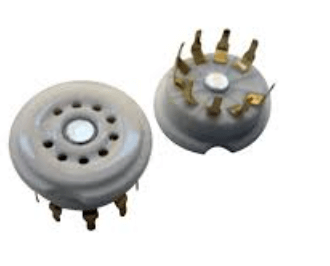
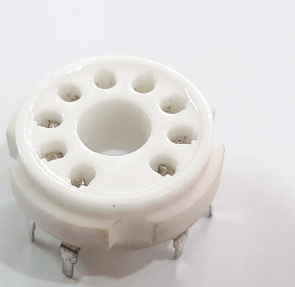
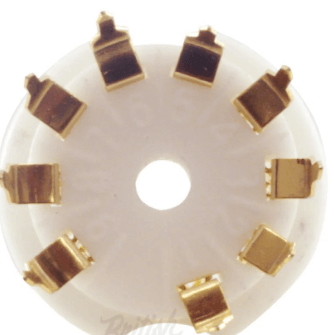
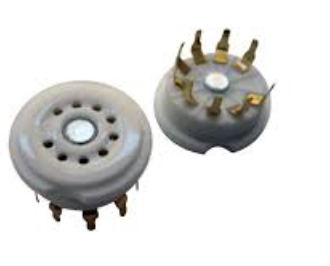
A 9-pin ceramic tube socket is designed to hold and connect a vacuum tube with nine pins securely to a PCB. Unlike plastic or phenolic sockets, ceramic variants offer superior performance in high-temperature and high-voltage environments.
1.1 Construction and Materials
- Ceramic Base: Typically made from alumina (Al₂O₃) or steatite, providing excellent electrical insulation and heat resistance.
- Metal Contacts: Often gold-plated or nickel-plated for low contact resistance and corrosion resistance.
- Mechanical Stability: Ceramic’s rigidity prevents warping under thermal stress, ensuring long-term reliability.
1.2 Pin Configuration
The 9-pin layout follows the B9A base standard, commonly used in miniature vacuum tubes like the 12AX7, EL84, and 6DJ8. The pins are arranged in a circular pattern with a keyway to ensure proper orientation.
2. PCB Integration of Ceramic Tube Sockets
Integrating a ceramic tube socket into a PCB requires careful consideration of electrical, thermal, and mechanical factors.
2.1 PCB Mounting Styles
- Through-Hole Mounting: Pins are inserted into drilled holes and soldered for a robust connection.
- Surface-Mount Technology (SMT): Some modern designs use SMT-compatible sockets for automated assembly.
2.2 Design Considerations
- Thermal Management: Ceramic dissipates heat efficiently, but PCB traces should handle high currents without overheating.
- High-Voltage Isolation: Adequate creepage and clearance distances prevent arcing.
- Mechanical Reinforcement: Additional support may be needed for heavy tubes to prevent PCB flexing.
3. Applications of 9-Pin Ceramic Tube Socket PCBs
Ceramic tube sockets are preferred in demanding applications where reliability is critical.
3.1 Audio Amplifiers
- Guitar Amplifiers: Tubes like the 12AX7 are used in preamp stages, where low noise and stable connections are essential.
- Hi-Fi Systems: High-end vacuum tube amplifiers benefit from ceramic sockets’ low signal loss.
3.2 Radio Frequency (RF) Circuits
- Transmitters & Receivers: Ceramic’s low dielectric loss makes it ideal for RF applications.
- Oscillators & Mixers: Stable connections prevent frequency drift.
3.3 Industrial and Military Electronics
- High-Temperature Environments: Ceramic withstands extreme conditions better than plastic.
- Vibration Resistance: Robust construction ensures longevity in harsh settings.
4. Advantages of Ceramic Over Plastic or Phenolic Sockets
| Feature | Ceramic Socket | Plastic/Phenolic Socket |
|---|---|---|
| Heat Resistance | Excellent (up to 1000°C+) | Poor (may melt or degrade) |
| Electrical Insulation | Superior (high dielectric strength) | Moderate |
| Mechanical Strength | High (resists cracking) | Low (prone to warping) |
| Lifespan | Long-term reliability | Degrades over time |
| Signal Integrity | Low loss, stable contacts | Higher parasitic capacitance |
5. Challenges and Mitigation Strategies
While ceramic tube sockets offer many benefits, they also pose some challenges:
- Cost: More expensive than plastic alternatives.
- Brittleness: Can crack under mechanical stress (proper handling is essential).
- Soldering Techniques: Requires careful temperature control to avoid thermal shock.
Solutions:
- Use shock-resistant ceramic blends.
- Implement reinforced PCB mounting.
- Follow proper soldering profiles.
6. Future Trends in Tube Socket Technology
- Hybrid PCBs: Combining ceramic with high-temperature polymers.
- Automated Assembly: Improved SMT-compatible designs.
- Enhanced Coatings: Nano-coatings for better corrosion resistance.
Conclusion
The 9-pin ceramic tube socket PCB is a critical component in high-performance electronics, offering unmatched thermal stability, electrical insulation, and durability. Whether in audio amplifiers, RF circuits, or industrial systems, ceramic sockets ensure reliable operation under demanding conditions. As technology advances, further improvements in materials and manufacturing will continue to enhance their performance and accessibility.
By understanding the design principles and applications of ceramic tube sockets, engineers can make informed decisions when developing vacuum tube-based circuits, ensuring both functionality and longevity.