
Pcb wipe sample analysis
Importance Of PCB Wipe Sample Analysis In Environmental Monitoring
Polychlorinated biphenyls (PCBs) are a group of man-made organic chemicals that have been widely used in various industrial and commercial applications due to their non-flammability, chemical stability, and insulating properties.
However, their persistence in the environment and potential adverse health effects have led to significant concerns, necessitating rigorous environmental monitoring.
One critical aspect of this monitoring is the analysis of PCB wipe samples, which plays a pivotal role in assessing contamination levels and ensuring compliance with environmental regulations.
PCB wipe sample analysis is an essential tool in environmental monitoring because it provides a direct measure of surface contamination. This method involves using a solvent-moistened cloth or pad to wipe a defined area, typically on surfaces suspected of PCB contamination. The collected samples are then analyzed in a laboratory to determine the concentration of PCBs present. This approach is particularly valuable in environments where PCBs were historically used, such as electrical substations, manufacturing facilities, and buildings with old electrical equipment.
The importance of PCB wipe sample analysis is underscored by its ability to identify potential exposure risks to humans and wildlife.
PCBs are known to bioaccumulate in the food chain, posing significant health risks, including cancer, immune system suppression, and reproductive disorders. By identifying areas with high levels of PCB contamination, appropriate remediation measures can be implemented to mitigate these risks. Moreover, regular monitoring through wipe sample analysis helps track the effectiveness of cleanup efforts and ensures that contamination levels remain within safe limits.
In addition to health and safety considerations, PCB wipe sample analysis is crucial for regulatory compliance.
Various international and national regulations, such as the Stockholm Convention on Persistent Organic Pollutants and the United States Environmental Protection Agency’s (EPA) regulations, mandate the monitoring and control of PCB levels in the environment. Failure to comply with these regulations can result in significant legal and financial penalties. Therefore, conducting thorough and accurate PCB wipe sample analyses is essential for organizations to demonstrate compliance and avoid potential liabilities.
Furthermore, PCB wipe sample analysis contributes to the broader understanding of environmental PCB distribution and trends.
By systematically collecting and analyzing samples from different locations and over time, researchers and policymakers can gain insights into the sources and pathways of PCB contamination. This information is invaluable for developing targeted strategies to prevent further environmental release and for prioritizing areas for remediation efforts.
The process of PCB wipe sample analysis, while straightforward, requires meticulous attention to detail to ensure accurate results. Factors such as the choice of solvent, the technique used for wiping, and the handling of samples can all influence the outcome. Consequently, it is imperative that trained professionals conduct the sampling and analysis, adhering to standardized protocols to maintain data integrity.
In conclusion, PCB wipe sample analysis is a critical component of environmental monitoring, offering valuable insights into surface contamination levels and potential exposure risks. Its role in ensuring regulatory compliance, protecting public health, and informing environmental management strategies cannot be overstated. As efforts to address PCB contamination continue, the importance of reliable and accurate wipe sample analysis will remain a cornerstone of effective environmental stewardship.
Techniques For Accurate PCB Wipe Sample Collection And Testing
In the realm of environmental testing and contamination assessment, the analysis of polychlorinated biphenyls (PCBs) through wipe samples is a critical process. PCBs, once widely used in various industrial applications, are now recognized for their environmental persistence and potential health risks. Consequently, accurate collection and testing of PCB wipe samples are essential for ensuring compliance with environmental regulations and safeguarding public health. To achieve precise results, it is imperative to employ meticulous techniques in both the collection and analysis phases.
Initially, the collection of PCB wipe samples demands careful attention to detail to prevent contamination and ensure representativeness.
The selection of appropriate materials for the wipes is crucial; typically, gauze pads or specialized cloths that do not contain PCBs themselves are recommended. These materials should be pre-cleaned and stored in a manner that prevents exposure to potential contaminants. Furthermore, the sampling area must be clearly defined and measured to ensure consistency across samples. This step is vital for calculating the concentration of PCBs per unit area, which is a standard metric in environmental assessments.
Transitioning to the actual sampling process, it is essential to employ a systematic approach.
The wipe should be moistened with a suitable solvent, often isopropanol or hexane, to enhance the collection efficiency of PCBs from surfaces. The technique involves wiping the defined area in a consistent pattern, such as a series of overlapping S-shaped motions, to maximize contact with the surface. It is important to apply uniform pressure throughout the process to ensure that the entire surface is adequately sampled. After collection, the wipe should be carefully folded with the sampled side inward and placed in a clean, labeled container to prevent cross-contamination.
Once the samples are collected, the focus shifts to the analytical techniques employed in the laboratory.
Gas chromatography coupled with mass spectrometry (GC-MS) is the gold standard for PCB analysis due to its sensitivity and specificity. Prior to analysis, samples undergo a series of preparation steps, including extraction and cleanup, to isolate PCBs from the wipe material and remove potential interferences. The choice of extraction solvent and method can significantly impact the recovery rates of PCBs, thus necessitating careful optimization and validation of these procedures.
Moreover, quality control measures are integral to ensuring the reliability of analytical results.
The use of method blanks, spiked samples, and duplicate analyses helps to identify any procedural errors or contamination that may have occurred during sampling or analysis. Calibration with certified PCB standards is also essential to accurately quantify the concentration of PCBs in the samples.
In conclusion, the accurate collection and testing of PCB wipe samples are complex processes that require attention to detail and adherence to standardized protocols. From the selection of appropriate materials and systematic sampling techniques to the sophisticated analytical methods employed in the laboratory, each step plays a crucial role in obtaining reliable data. By implementing these techniques, environmental professionals can effectively assess PCB contamination, thereby contributing to informed decision-making and the protection of environmental and public health.
Understanding The Results Of PCB Wipe Sample Analysis
Understanding the results of PCB wipe sample analysis is crucial for ensuring environmental safety and compliance with regulatory standards. Polychlorinated biphenyls (PCBs) are synthetic organic chemicals that pose significant health risks due to their persistence in the environment and potential to bioaccumulate. Consequently, accurate analysis of PCB contamination is essential for assessing the extent of pollution and implementing appropriate remediation strategies. The process of PCB wipe sample analysis involves collecting samples from surfaces suspected of contamination, followed by laboratory testing to determine the concentration of PCBs present.
Initially, it is important to understand the methodology behind PCB wipe sampling.
This technique involves using a solvent-moistened wipe to collect residues from surfaces, which are then analyzed to quantify PCB levels. The choice of solvent, typically hexane or isopropanol, is critical as it must effectively dissolve PCBs without degrading them. The sampling process must be conducted meticulously to avoid cross-contamination and ensure that the samples accurately represent the surface conditions. Once collected, the samples are transported to a laboratory for analysis, where they undergo a series of procedures to extract and quantify the PCBs.
In the laboratory, the samples are subjected to gas chromatography coupled with mass spectrometry (GC-MS), a highly sensitive analytical technique that allows for the precise identification and quantification of PCB congeners.
This method separates the complex mixture of PCBs into individual components, enabling the detection of even trace amounts. The results are typically reported in micrograms per square meter (µg/m²), providing a clear indication of the level of contamination on the sampled surface. It is essential to interpret these results in the context of regulatory guidelines, which vary by region and application.
Transitioning to the interpretation of results, it is vital to compare the measured PCB concentrations against established regulatory limits.
In the United States, for example, the Environmental Protection Agency (EPA) has set specific thresholds for PCB contamination in various environments, including industrial sites, schools, and residential areas. Exceeding these limits necessitates immediate action to mitigate the contamination and protect public health. Furthermore, understanding the distribution of PCB congeners in the sample can provide insights into the potential sources of contamination, as different industrial processes and products are associated with distinct PCB profiles.
Moreover, the results of PCB wipe sample analysis can inform the development of remediation strategies.
If the analysis indicates significant contamination, it may be necessary to implement measures such as surface cleaning, encapsulation, or removal of contaminated materials. These actions aim to reduce PCB exposure and prevent further environmental degradation. Additionally, ongoing monitoring through periodic sampling and analysis is crucial to ensure the effectiveness of remediation efforts and to detect any potential recontamination.
In conclusion, PCB wipe sample analysis is a vital tool for assessing environmental contamination and guiding remediation efforts. By understanding the methodology and interpretation of results, stakeholders can make informed decisions to protect public health and comply with regulatory standards. As environmental awareness continues to grow, the importance of accurate and reliable PCB analysis will only increase, underscoring the need for continued advancements in analytical techniques and regulatory frameworks.
Innovations In PCB Wipe Sample Analysis Technology
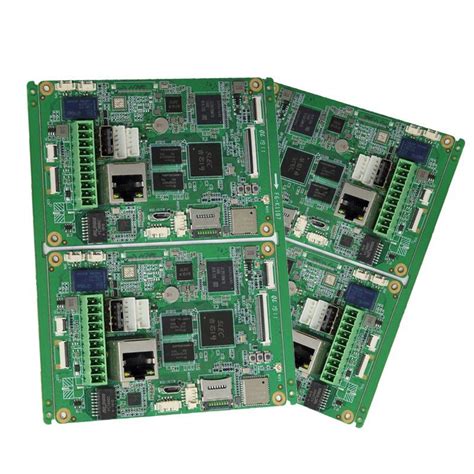
In recent years, the field of printed circuit board (PCB) wipe sample analysis has witnessed significant advancements, driven by the need for more precise and efficient methods to ensure the safety and reliability of electronic components. As the demand for electronic devices continues to surge, so does the necessity for rigorous quality control measures. PCB wipe sample analysis plays a crucial role in detecting contaminants that could potentially compromise the functionality of electronic assemblies. Consequently, innovations in this area are pivotal for maintaining the integrity of electronic products.
One of the most notable advancements in PCB wipe sample analysis technology is the development of more sensitive and accurate detection methods.
Traditional techniques often relied on manual inspection and basic chemical tests, which, while effective to a degree, were limited in their ability to detect minute levels of contaminants. However, recent innovations have introduced sophisticated analytical instruments, such as mass spectrometry and gas chromatography, which offer enhanced sensitivity and specificity. These technologies allow for the detection of trace amounts of contaminants, providing a more comprehensive understanding of the cleanliness of PCB surfaces.
Moreover, the integration of automated systems in PCB wipe sample analysis has revolutionized the speed and efficiency of the process.
Automation reduces the potential for human error and ensures consistent results across multiple samples. By employing robotic systems and advanced software, laboratories can now process a higher volume of samples in a shorter time frame, thereby increasing throughput and reducing turnaround times. This is particularly beneficial for industries where time is of the essence, such as in the production of consumer electronics and automotive components.
In addition to improved detection methods and automation, the use of environmentally friendly solvents in PCB wipe sample analysis has gained traction.
Traditional solvents, while effective, often posed environmental and health risks due to their volatile organic compound (VOC) content. The shift towards greener alternatives not only aligns with global sustainability goals but also enhances workplace safety by reducing exposure to harmful chemicals. These eco-friendly solvents maintain the efficacy of traditional methods while minimizing their environmental footprint, representing a significant step forward in responsible manufacturing practices.
Furthermore, the advent of real-time data analysis and cloud-based platforms has transformed how results from PCB wipe sample analyses are interpreted and utilized.
By leveraging these technologies, companies can access and analyze data instantaneously, facilitating quicker decision-making processes. This capability is particularly advantageous in dynamic production environments where rapid adjustments are necessary to maintain product quality. Additionally, cloud-based systems enable seamless collaboration between different stakeholders, ensuring that all parties have access to the most up-to-date information.
As the landscape of PCB wipe sample analysis continues to evolve, it is clear that these technological innovations are setting new standards for quality assurance in the electronics industry.
The combination of advanced detection methods, automation, environmentally friendly practices, and real-time data analysis not only enhances the reliability of electronic products but also supports sustainable and efficient manufacturing processes. As a result, companies that adopt these cutting-edge technologies are better positioned to meet the growing demands of the market while upholding the highest standards of quality and safety. In conclusion, the ongoing advancements in PCB wipe sample analysis technology underscore the importance of innovation in maintaining the integrity and performance of electronic devices in an increasingly competitive industry.