
Hdi vs pcb
Understanding The Differences Between HDI And PCB: A Comprehensive Guide
In the realm of electronics manufacturing, understanding the nuances between High-Density Interconnect (HDI) and traditional Printed Circuit Boards (PCBs) is crucial for engineers and designers aiming to optimize their designs for performance, cost, and space efficiency.
Both HDI and PCB technologies serve as the backbone of electronic devices, yet they differ significantly in their construction, capabilities, and applications.
To begin with, traditional PCBs have been the standard in the industry for decades, providing a reliable platform for mounting electronic components. They are typically composed of multiple layers of copper and insulating material, which are laminated together to form a single board. The layers are interconnected through drilled holes, known as vias, which allow electrical signals to pass between them. This conventional approach is well-suited for a wide range of applications, from consumer electronics to industrial machinery, due to its cost-effectiveness and ease of manufacturing.
However, as electronic devices have become more compact and complex, the limitations of traditional PCBs have become apparent.
This is where HDI technology comes into play. HDI PCBs are designed to accommodate higher wiring density per unit area, which is achieved through the use of finer lines and spaces, smaller vias, and more precise pad sizes. This allows for more components to be placed on a smaller board, making HDI an ideal choice for modern devices that demand miniaturization without compromising functionality. Moreover, HDI technology often employs advanced techniques such as microvias, blind vias, and buried vias, which further enhance the board’s capability to handle complex routing and high-speed signals.
Transitioning from traditional PCBs to HDI can offer several advantages, particularly in terms of performance and space utilization.
For instance, the reduced size and weight of HDI boards make them particularly attractive for applications in smartphones, tablets, and other portable devices where space is at a premium. Additionally, the improved electrical performance of HDI boards, due to shorter signal paths and reduced parasitic effects, can lead to faster signal transmission and better overall device performance. However, these benefits come with certain trade-offs. The manufacturing process for HDI boards is more complex and requires advanced equipment and techniques, which can lead to higher production costs. Furthermore, the design process for HDI boards is more intricate, necessitating a higher level of expertise and precision.
Despite these challenges, the demand for HDI technology continues to grow, driven by the relentless push for smaller, faster, and more efficient electronic devices.
As a result, many manufacturers are investing in the necessary infrastructure and expertise to produce HDI boards, thereby making them more accessible and affordable over time. In conclusion, while both HDI and traditional PCBs have their respective strengths and weaknesses, the choice between the two ultimately depends on the specific requirements of the application at hand. By carefully considering factors such as size, performance, cost, and complexity, designers can make informed decisions that best meet the needs of their projects. As technology continues to evolve, the distinction between HDI and traditional PCBs will likely become even more pronounced, underscoring the importance of staying informed about the latest advancements in this dynamic field.
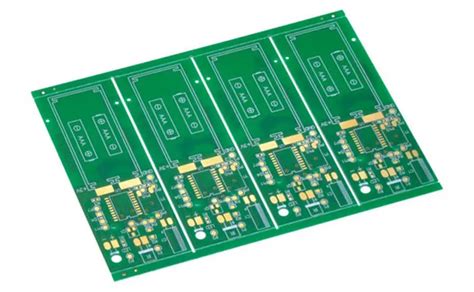
The Advantages Of HDI Over Traditional PCB In Modern Electronics
In the rapidly evolving landscape of modern electronics, the choice of printed circuit board (PCB) technology plays a crucial role in determining the performance, efficiency, and overall success of electronic devices. High-Density Interconnect (HDI) technology has emerged as a superior alternative to traditional PCBs, offering a range of advantages that cater to the demands of contemporary electronic applications. As electronic devices become increasingly compact and complex, the need for more sophisticated PCB solutions has become apparent.
HDI technology addresses these needs by providing a higher wiring density per unit area, which is essential for accommodating the intricate designs of modern electronics. This increased density is achieved through the use of microvias, finer lines and spaces, and a greater number of layers, allowing for more components to be integrated into a smaller footprint. Consequently, HDI PCBs enable the development of smaller, lighter, and more efficient devices, which is a significant advantage in industries such as consumer electronics, telecommunications, and automotive.
Moreover, the enhanced electrical performance of HDI PCBs is another compelling reason for their growing popularity.
The shorter signal paths and reduced parasitic effects associated with HDI designs result in improved signal integrity and faster signal transmission. This is particularly beneficial in high-speed applications where maintaining signal quality is paramount. Additionally, the use of advanced materials and manufacturing techniques in HDI PCBs contributes to better thermal management, which is critical for ensuring the reliability and longevity of electronic devices. As a result, HDI technology not only supports the miniaturization of devices but also enhances their performance and durability.
Transitioning from traditional PCBs to HDI technology also offers significant advantages in terms of design flexibility.
The ability to incorporate blind and buried vias, as well as via-in-pad technology, allows designers to optimize the layout of components and interconnections, leading to more efficient use of space and improved functionality. This flexibility is particularly valuable in the development of complex multilayer boards, where the need to balance performance, size, and cost is a constant challenge. By enabling more innovative and efficient designs, HDI technology empowers engineers to push the boundaries of what is possible in electronic device development.
Furthermore, the adoption of HDI technology can lead to cost savings in the long run, despite the higher initial investment compared to traditional PCBs.
The increased functionality and performance of HDI PCBs can reduce the need for additional components and assemblies, ultimately lowering the overall cost of the final product. Additionally, the improved reliability and thermal performance of HDI designs can result in fewer failures and reduced maintenance costs over the device’s lifespan. As such, the long-term economic benefits of HDI technology often outweigh the initial expenses, making it an attractive option for forward-thinking companies.
In conclusion, the advantages of HDI over traditional PCB technology are manifold and align well with the demands of modern electronics. The ability to support higher component density, improved electrical performance, and greater design flexibility makes HDI an ideal choice for developing cutting-edge electronic devices. As industries continue to push the limits of technology, the adoption of HDI PCBs is likely to become increasingly prevalent, driving innovation and enabling the creation of more advanced and efficient electronic solutions.

HDI Vs. PCB: Which Is Better For Your Next Project?
When embarking on a new electronics project, one of the critical decisions involves choosing the right type of circuit board. The choice between High-Density Interconnect (HDI) and traditional Printed Circuit Boards (PCBs) can significantly impact the performance, size, and cost of your project. Understanding the differences between these two technologies is essential for making an informed decision.
To begin with, traditional PCBs have been the backbone of electronic devices for decades.
They are composed of layers of fiberglass, copper, and other materials, which are laminated together to form a solid board. These boards are known for their reliability and cost-effectiveness, making them a popular choice for a wide range of applications. However, as electronic devices have become more compact and complex, the limitations of traditional PCBs have become more apparent. This is where HDI technology comes into play.
HDI boards represent a significant advancement in circuit board technology.
They are designed to accommodate more components in a smaller area, thanks to their finer lines and spaces, smaller vias, and higher connection pad density. This allows for a more compact design, which is particularly beneficial for modern devices that require miniaturization, such as smartphones, tablets, and wearable technology. The ability to integrate more functionality into a smaller space is a key advantage of HDI over traditional PCBs.
Moreover, HDI boards offer improved electrical performance.
The shorter distances between components reduce signal loss and improve signal integrity, which is crucial for high-speed applications. This makes HDI an attractive option for projects that demand high performance and reliability. Additionally, the use of microvias in HDI boards enhances thermal management, which is essential for preventing overheating in densely packed electronic assemblies.
Despite these advantages, there are considerations to keep in mind when opting for HDI technology.
The manufacturing process for HDI boards is more complex and requires advanced equipment and expertise. This can lead to higher production costs compared to traditional PCBs. Therefore, for projects with budget constraints or those that do not require the advanced features of HDI, traditional PCBs may still be the more economical choice.
Furthermore, the decision between HDI and traditional PCBs should also take into account the specific requirements of the project.
For instance, if the project involves a simple design with ample space, a traditional PCB might suffice. On the other hand, if the project demands a compact design with high component density and superior performance, HDI would likely be the better option.
In conclusion, the choice between HDI and traditional PCBs hinges on several factors, including the complexity, size, performance requirements, and budget of the project. While HDI offers significant advantages in terms of miniaturization and performance, traditional PCBs remain a viable and cost-effective solution for many applications. By carefully evaluating the needs of your project and weighing the benefits and drawbacks of each technology, you can make an informed decision that aligns with your objectives. As technology continues to evolve, staying informed about advancements in circuit board technology will be crucial for optimizing the design and functionality of electronic devices.
Innovations In HDI Technology And Their Impact On PCB Design
High-Density Interconnect (HDI) technology has emerged as a pivotal innovation in the realm of printed circuit board (PCB) design, offering a multitude of advantages that are reshaping the landscape of electronic manufacturing. As electronic devices continue to shrink in size while increasing in functionality, the demand for more compact and efficient PCBs has intensified. HDI technology addresses this demand by enabling the creation of smaller, lighter, and more powerful circuit boards, thus playing a crucial role in the advancement of modern electronics.
One of the primary innovations in HDI technology is the use of microvias, which are significantly smaller than traditional vias.
These microvias allow for a higher density of interconnections within a given area, facilitating the integration of more components on a single board. This is particularly beneficial for applications where space is at a premium, such as in smartphones, tablets, and wearable devices. By utilizing microvias, designers can achieve a more compact layout, which not only saves space but also enhances the electrical performance of the PCB by reducing signal loss and improving signal integrity.
In addition to microvias, HDI technology often incorporates the use of blind and buried vias, which further optimize the use of space on a PCB.
Blind vias connect an outer layer to one or more inner layers without passing through the entire board, while buried vias connect only internal layers. This allows for more complex routing and layer stacking, enabling designers to create multi-layer boards that are both efficient and compact. The ability to stack multiple layers in a smaller footprint is a significant advantage in the design of high-performance electronic devices.
Moreover, HDI technology supports the use of finer lines and spaces, which contributes to the miniaturization of PCBs.
This capability is essential for accommodating the increasing number of components and connections required by modern electronic devices. The finer lines and spaces not only allow for more components to be placed on a board but also improve the overall performance by reducing electromagnetic interference and crosstalk between adjacent traces.
The impact of HDI technology on PCB design is profound, as it enables the development of more sophisticated and reliable electronic products.
By allowing for greater component density and improved electrical performance, HDI technology facilitates the creation of devices that are not only smaller and lighter but also more powerful and efficient. This is particularly important in industries such as consumer electronics, automotive, and aerospace, where the demand for high-performance, compact devices is ever-increasing.
Furthermore, the adoption of HDI technology in PCB design has led to significant advancements in manufacturing processes.
The precision required for HDI boards necessitates the use of advanced fabrication techniques, such as laser drilling and sequential lamination. These techniques ensure the accuracy and reliability of the intricate designs enabled by HDI technology, thereby enhancing the overall quality and performance of the final product.
In conclusion, the innovations in HDI technology have had a transformative impact on PCB design, driving the development of smaller, more efficient, and higher-performing electronic devices. As the demand for compact and powerful electronics continues to grow, HDI technology will undoubtedly play an increasingly vital role in shaping the future of electronic manufacturing. By enabling more complex and compact designs, HDI technology not only meets the current needs of the industry but also paves the way for future advancements in electronic design and functionality.