
Advancements in PCB Assembly Techniques for Efficient Production
Key Takeaways
The field of PCB assembly has witnessed remarkable innovations that drive efficiency and precision. As technology evolves, the incorporation of advanced techniques has transformed the traditional processes associated with PCBA. One of the most notable advancements is the utilisation of automated systems, which significantly reduce human error while speeding up production times. These systems leverage robotic arms and intelligent software to manage assembly tasks, leading to highly efficient workflows. Additionally, the integration of smart technology enables real-time monitoring and quality control, ensuring that every step of the production process meets stringent standards.
Incorporating techniques such as surface mount technology (SMT) enhances space efficiency on printed circuit boards, facilitating more complex designs without endangering performance. Furthermore, advancements in materials science have introduced highly conductive substrates that improve signal integrity within these assemblies. The emphasis on sustainability within the industry also ushers in eco-friendly practices, from sourcing materials to waste management strategies during assembly. Overall, these enhancements in PCB assembly methods serve not only to streamline operations but also to elevate the quality and reliability of electronic products in an increasingly competitive market.
Introduction to PCB Assembly: Importance and Evolution
The journey of PCB assembly (or PCBA) has transformed remarkably over the decades, evolving from rudimentary manual processes to sophisticated automated systems. In today’s fast-paced electronics manufacturing landscape, the efficiency and precision of pcb assembly processes are paramount. With the increasing complexity of electronic devices, manufacturers are compelled to refine their techniques and employ advanced methods to ensure that their production meets the demands for quality and speed. The significance of this evolution lies not just in enhancing production capabilities but also in maintaining competitive advantages in a global market.
Traditionally, pcb assembly involved a series of labor-intensive steps that were susceptible to human error. However, as technology has progressed, innovations such as surface-mount technology (SMT) have become prevalent, allowing components to be mounted directly onto the surface of PCBs. This shift has minimized space requirements on circuit boards and increased overall component density. Furthermore, the adoption of automated optical inspection (AOI) systems has bolstered the reliability of PCBA, enabling manufacturers to detect defects swiftly and improve quality assurance.
“Investing in modern assembly techniques is not just an operational decision; it’s a strategic imperative for longevity in the electronics market.” This sentiment underscores the importance of embracing advancements that not only streamline processes but also reduce costs while enhancing output quality.
As we look forward, understanding these evolutionary trends is crucial for anyone involved in the electronics industry. The integration of smart technologies into pcb assembly is predicted to bring forth significant developments, making production more efficient while ensuring higher standards of precision. It becomes increasingly clear that PCBA is not merely a manufacturing step; it is a critical driver influencing product innovation and market responsiveness.
Emerging Technologies in Advanced PCB Assembly
The landscape of PCB assembly is continuously evolving, driven by the integration of emerging technologies that significantly enhance both efficiency and precision. One notable innovation is the use of 3D printing in the prototyping phase of PCBA. This technique allows for rapid production of complex component geometries, reducing both lead times and material waste. Additionally, advancements in machine learning algorithms are optimizing various processes within PCB assembly, from automated inspection to real-time adjustments in manufacturing parameters.
Another significant trend is the adoption of flexible PCBs, which enable more compact designs without sacrificing performance. The flexibility offered by these circuits allows electronics manufacturers to meet the growing demand for lightweight and portable devices. Furthermore, as manufacturing processes become more digitized, Internet of Things (IoT) technologies are connecting machines and systems across production lines, facilitating data collection and predictive maintenance strategies that minimize downtime.
The integration of these technologies creates a synergistic effect, streamlining operations and enabling manufacturers to respond agilely to market demands. As such, innovations such as advanced robotic systems ensure precise placement and soldering of components on PCBA, enhancing quality control while reducing human error.
| Technology | Benefits |
|---|---|
| 3D Printing | Reduces lead time; minimizes material waste |
| Machine Learning | Optimizes inspection; real-time adjustments |
| Flexible PCBs | Compact designs; supports lightweight devices |
| IoT Integration | Facilitates predictive maintenance; data-driven decisions |
This rise in advanced PCB assembly techniques supports the industry’s shift towards more sophisticated electronic products that necessitate higher performance standards and adaptability to new trends. As manufacturers continue to embrace these technologies, they not only improve operational outcomes but also propel the entire electronics sector forward into a more efficient future.
Innovations Enhancing Efficiency in PCB Production
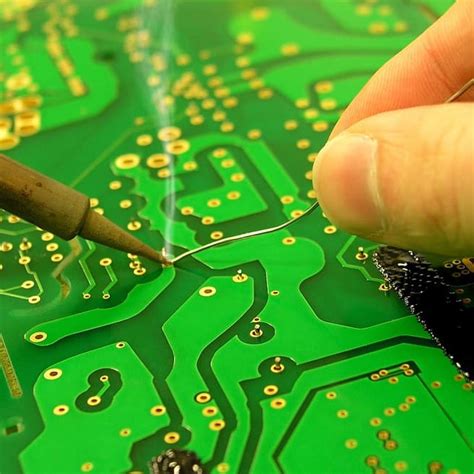
The landscape of pcb assembly is undergoing significant transformation due to various innovations that focus on enhancing efficiency within production environments. One prominent development in this area is the adoption of advanced pcba techniques, which integrate state-of-the-art materials and processes. For example, the introduction of automated pick-and-place systems has streamlined component placement, reducing the likelihood of errors and increasing speed. Alongside automation, the implementation of real-time monitoring systems provides manufacturers with critical data on performance metrics, allowing for immediate adjustments that foster greater precision in assembly. Moreover, the utilization of advanced soldering technologies, such as laser and selective soldering, further enhances the quality and reliability of connections on printed circuit boards. These innovations not only minimize wastage but also contribute to a more sustainable production model by optimizing resource use. As electronics manufacturers continue to adopt these enhanced technologies within their pcb assembly processes, they position themselves at the forefront of industry developments while ensuring that their production remains both efficient and environmentally conscious.
Precision Techniques in Modern Assembly Processes
In today’s rapidly advancing electronics landscape, pcb assembly techniques have undergone significant enhancements to improve both efficiency and precision. Techniques such as pick-and-place automation have revolutionized the way components are mounted onto circuit boards, allowing for swift and accurate placement with minimal human intervention. This is complemented by the integration of machine vision systems that analyze component alignment in real-time, ensuring that each part is positioned correctly during the pcba process. Furthermore, advancements in soldering methods, such as selective soldering and reflow soldering, provide consistent, high-quality joints that enhance the reliability of electronic products. These precision techniques not only reduce defects but also significantly decrease production time, leading to a more streamlined manufacturing process. As companies continue to adopt these innovations, they not only meet the increasing demands for compact and complex electronic devices but also set themselves apart in a highly competitive market by delivering products with superior quality and performance.

The Role of Automation in PCB Assembly Efficiency
The integration of automation in PCB assembly has revolutionized the production landscape, significantly enhancing overall efficiency and precision. By utilizing advanced robotics and automated processes, manufacturers can achieve a level of speed and accuracy that manual assembly simply cannot match. Automated systems can handle complex PCBA tasks with minimal human intervention, thereby reducing the likelihood of errors and defects that can arise during traditional assembly methods. These systems are capable of performing repetitive tasks consistently, resulting in higher throughput and reduced cycle times. Furthermore, automation enables better monitoring and data collection throughout the PCB assembly process, allowing for real-time adjustments to maintain optimal quality standards. With innovations such as machine learning algorithms being applied to improve problem-solving in assembly lines, the adaptability and effectiveness of automated solutions continue to expand. As the electronics industry strives for even greater efficiency, the role of automation will be paramount in driving forward advancements in PCB assembly, ensuring that manufacturers remain competitive while meeting evolving market demands.

Case Studies: Successful Implementation of Advanced Techniques
The implementation of advanced techniques in PCB assembly has led to notable successes within various organizations, proving the effectiveness of these innovations. One such case is a leading electronics manufacturer that adopted automated soldering processes, which significantly reduced production time while enhancing the reliability of connections in their PCBA (Printed Circuit Board Assembly). This transition not only optimized their workflow but also minimized errors associated with manual soldering, resulting in higher output quality. Another example can be found in a company that integrated 3D visualization technologies into their assembly line. This innovation allowed engineers to perform real-time analysis of the PCB layout, facilitating the identification and resolution of potential issues before they escalated. Consequently, this approach fostered a culture of continuous improvement, leading to a notable decrease in production delays. Moreover, a smaller firm leveraged flexible manufacturing systems that enabled them to switch between varying designs without significant downtime. This agility became crucial in meeting diverse customer demands while maintaining cost effectiveness. Each case underscores how adopting modern techniques not only drives efficiency but also delivers competitive advantages in the rapidly evolving electronics manufacturing landscape. The insights gained from these implementations serve as valuable benchmarks for organizations aspiring to enhance their own PCB assembly processes and achieve excellence in production output.

Future Trends in PCB Assembly and Their Impact on Manufacturing
The landscape of PCB assembly (PCBA) is on the verge of transformation as emerging trends continue to reshape the industry. One notable trend is the increasing integration of smart manufacturing technologies that leverage real-time data analysis and machine learning. These innovations facilitate adaptive production lines, allowing manufacturers to respond swiftly to market demands and reduce lead times. Additionally, the rise of miniaturization in electronic components necessitates more precise assembly techniques. This trend fosters the adoption of advanced soldering methods and inspection technologies that enhance accuracy, thereby ensuring the reliability of PCBA. Furthermore, sustainability has become a critical focus, driving companies to utilize eco-friendly materials and processes in PCB assembly, aligning with global environmental standards. As these trends advance, they are poised to revolutionize manufacturing practices, making them not only more efficient but also more aligned with modern consumer expectations and environmental responsibilities. The continued evolution in PCB assembly techniques promises a future where precision and efficiency are seamlessly interwoven into the fabric of electronics manufacturing.
Conclusion: The Path Forward for Efficient PCB Production
As the electronics manufacturing industry continues to evolve, the focus on enhancing efficiency and precision in PCB assembly processes remains paramount. The integration of advanced technologies in pcba not only streamlines production but also enables manufacturers to maintain high standards of quality and reliability. By implementing innovative techniques, such as improved soldering methods, enhanced surface mount technology, and sophisticated inspection systems, companies can significantly reduce production errors and minimize waste. Additionally, the growing role of automation in pcb assembly processes contributes to faster turnaround times and greater production scalability. Moving forward, it is essential for manufacturers to remain adaptable and embrace emerging trends that promise to reshape the landscape of PCB production. This will not only empower them to meet increasing demands but also position them as leaders in a competitive market focused on quality and efficiency. In this continuously advancing space, collaboration between engineers and industry stakeholders is crucial for identifying the best practices that will define the future of efficient pcba processes.
Conclusion: The Path Forward for Efficient PCB Production
In summation, the future of PCB assembly is poised for dynamic transformation as innovations continue to emerge in this crucial sector. The integration of advanced technologies has revolutionized processes, enabling manufacturers to achieve higher efficiency and accuracy in pcba operations. Strategies such as automated assembly, AI-driven quality control, and the adoption of flexible manufacturing systems underscore the industry’s commitment to improving production outcomes. By embracing these advancements, manufacturers can not only streamline their workflow but also produce PCBs with remarkable precision and reliability. Looking ahead, it is clear that these revolutionary techniques will significantly influence how pcb assembly evolves, unlocking new possibilities for innovation in electronics manufacturing and ensuring that the industry meets ever-growing demands with agility and excellence. The commitment to ongoing improvement in pcba techniques assures stakeholders that the path forward will be marked by sustained progress and adaptation to emerging trends.
FAQs
What is PCB assembly?
PCB assembly, commonly referred to as PCBA, is the process of soldering electronic components onto a printed circuit board (PCB) to create a functional electronic device.
Why is efficient PCB assembly important?
Efficient pcb assembly is crucial as it reduces production costs, increases throughput, and enhances the overall quality of electronic products.
What advancements are being made in PCB assembly techniques?
Recent advancements include automated soldering processes, improved material technologies, and the use of machine learning to monitor and optimize production variables.
How does automation enhance PCB assembly efficiency?
Automation in pcba significantly speeds up manufacturing processes by enabling high-speed placement of components and reducing human error, leading to greater consistency and reliability.
What role does precision play in modern PCB assembly?
Precision is vital in pcb assembly, as modern electronic components are smaller and more complex, necessitating accurate placement and soldering to avoid defects.
Can you provide examples of successful advanced PCBA techniques?
Yes, several companies have successfully implemented techniques such as selective soldering and advanced inspection systems that utilize AI technologies to enhance their production capabilities.