
Understanding PCBA Motherboard Design and Manufacturing Process
Key Takeaways
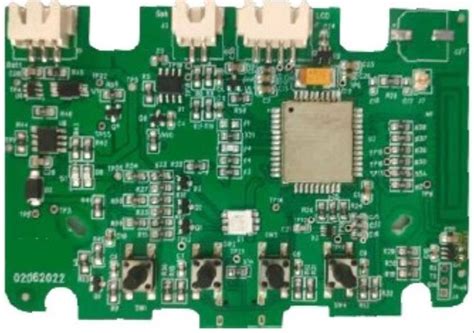
Understanding the PCBA motherboard design and manufacturing process is crucial for both engineers and enthusiasts in the field of electronics. The pcb assembly process involves several intricate steps, starting from conceptual design to final production. During the design phase, various considerations such as circuit layout, component selection, and thermal management must be addressed to ensure an efficient and functional product. Essential materials, including substrates and soldering components, are vital for achieving reliability in the end product. Advanced technologies play a significant role in driving innovations within the field; automation, for instance, enhances precision during assembly and minimizes human error. Furthermore, implementing robust quality assurance processes is essential to ensure that each PCBA meets the necessary standards of performance and safety. As challenges arise throughout manufacturing—from sourcing quality components to managing production timelines—effective problem-solving strategies can mitigate potential issues, reinforcing the importance of understanding these intricate processes. Staying informed about emerging trends in PCBA technologies, such as miniaturization and increased integration of functions, underscores a commitment to continuous improvement within this ever-evolving industry landscape.
Introduction to PCBA Motherboards: Key Concepts and Definitions
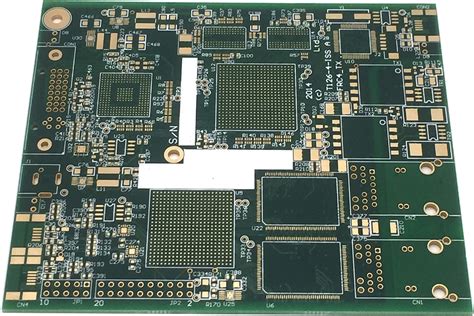
In the world of electronics, PCBA (Printed Circuit Board Assembly) motherboards serve as the backbone of numerous devices and systems. Understanding the fundamental concepts surrounding PCBA motherboards is crucial for engineers and technology enthusiasts alike. A motherboard is essentially a complex network of electrical connections that facilitates communication between various components, such as processors, memory modules, and storage devices. At its core, a PCBA transforms a pcb assembly—the printed circuit board—into a fully functional unit through the integration of electronic components. Each component is meticulously placed and soldered onto the PCB, requiring a profound understanding of both design principles and manufacturing processes.
The design phase typically involves several considerations, including layout efficiency, signal integrity, and thermal management. Engineers must ensure that the pathways on the board minimize signal loss while providing sufficient power to each component. Additionally, different technologies such as surface mount technology (SMT) play an essential role in modern PCBA manufacturing, enabling compact designs that optimize space while maintaining performance standards.
“A well-designed PCBA is crucial for both reliability and functionality; attention to detail in the early phases can prevent costly issues later in production.”
As we delve deeper into this topic, it becomes increasingly apparent that familiarity with these elements not only enhances product quality but also contributes to innovation within the field. Understanding these key concepts lays the groundwork for mastering more intricate aspects of PCBA motherboard design and manufacturing processes.
The Design Process of PCBA Motherboards: Steps and Considerations
The design process of PCBA motherboards involves a series of systematic steps that are crucial for ensuring functionality, reliability, and manufacturability. Initially, it begins with defining the requirements based on product specifications and performance expectations. This includes determining the necessary functionalities that the pcb assembly will support. Creating a schematic design follows this stage, where engineers detail how various components will connect and interact within the PCBA. During this phase, selecting the appropriate electronic components is vital; components must not only meet performance criteria but also align with industry standards.
Once the schematic is validated, engineers transition to layout design, where they create a detailed physical representation of the PCBA. This involves placing components strategically to minimize signal interference while considering thermal management and physical constraints. Careful routing of traces is essential to facilitate electrical connections without compromising signal integrity. Simulation tools may be employed during this stage to predict how the board will perform under different conditions.
After finalizing the layout, designers review it for manufacturability, ensuring it aligns with assembly capabilities and cost-effectiveness. This consideration often involves collaborating with manufacturers who bring insights into production capabilities and limitations. Only after resolving potential issues can the design move into prototyping. Here, engineers create a test sample of the pcba, allowing for evaluation under real-world conditions to identify any further adjustments needed before mass production begins. This meticulous design process is essential for producing effective and reliable PCBA motherboards that meet market demands while minimizing risk in manufacturing phases.
Essential Materials Used in PCBA Motherboard Manufacturing
The process of PCB assembly and the production of PCBA motherboards rely on a selection of high-quality materials designed to ensure both functionality and durability. One of the primary components is the substrate, which forms the base for the entire assembly. These substrates are typically made from materials like FR-4, a fiberglass-reinforced epoxy laminate that features excellent electrical insulating properties and thermal stability. The next essential material is the solder paste, which plays a critical role during the assembly process, enabling strong connections between electronic components and the PCB by melting and solidifying during reflow soldering.
Additionally, various electronic components such as resistors, capacitors, and integrated circuits (ICs) are crucial for creating complex circuitry within PCBA motherboards. The careful selection of these components ensures that end products meet stringent performance specifications while also maintaining cost-effectiveness. We also see advanced material options like metal core PCBs, particularly advantageous in applications requiring heat dissipation, showcasing innovation in material science that supports modern electrical demands.
To enhance mechanical strength and electrical performance further, specialized coatings are often applied to provide environmental protection against moisture, dust, and corrosive elements. The synergy between these materials is vital; their combined performance ultimately dictates the efficacy of electronic devices powered by these intricate assemblies. As technology advances, ongoing research continues to push the boundaries on material innovation in PCB assembly, paving the way for lighter, more efficient, and sustainable options while ensuring that each layer within a PCBA motherboard works harmoniously to achieve optimal functionality.
Technologies Driving PCBA Production: Innovations and Trends
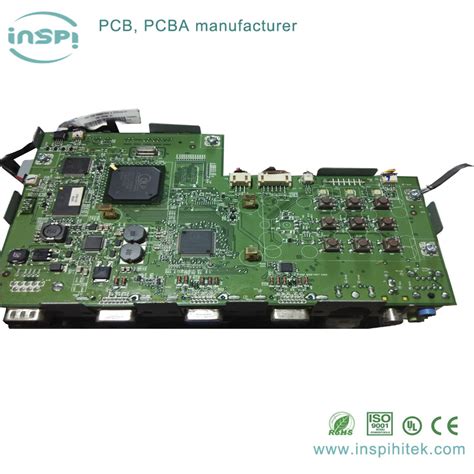
The landscape of PCBA (Printed Circuit Board Assembly) production is continually evolving, driven by advancements in technology and innovative practices. At the heart of these innovations are automated processes, which significantly enhance efficiency and accuracy in the manufacturing of PCBA motherboards. Automation allows for rapid prototyping and scaling up production without compromising quality, thus enabling manufacturers to meet growing demand.
One notable trend is the integration of smart manufacturing technologies, such as the Internet of Things (IoT) and Artificial Intelligence (AI). These technologies facilitate real-time monitoring and data analysis throughout the production process, leading to optimized workflows and reduced error rates. For instance, IoT sensors can proactively detect anomalies during pcb assembly, allowing quick interventions that minimize waste and downtime.
Furthermore, advancements in materials science have introduced high-performance materials that enhance durability and functionality in PCBA designs. These materials often feature improved thermal conductivity and resistance to environmental stressors, which are essential for modern electronic applications. The development of flexible PCBs is one such innovation that opens new possibilities for compact electronic devices.
The trend towards miniaturization also influences production technologies. As devices become smaller, precise placement of components on the PCB becomes critical. This has spurred advancements in placement technology, leading to more sophisticated machines capable of handling smaller components with high precision.
To summarize these key technological trends in table format:
| Technology Trend | Impact on PCBA Production |
|---|---|
| Automation | Enhances efficiency; reduces manual errors |
| Smart Manufacturing (IoT & AI) | Optimizes workflows; allows real-time monitoring |
| Advanced Materials | Improves durability; supports miniaturization |
| Precision Placement Machines | Enhances accuracy; accommodates smaller components |
In conclusion, these ongoing innovations illustrate the dynamic nature of PCBA motherboard production, with a clear emphasis on improving efficiency, reducing costs, and enhancing product reliability through cutting-edge technologies. As manufacturers adopt these trends, understanding their implications will be essential for engineers and enthusiasts alike who wish to remain at the forefront of this far-reaching field.
Quality Assurance in PCBA Manufacturing: Ensuring Reliability
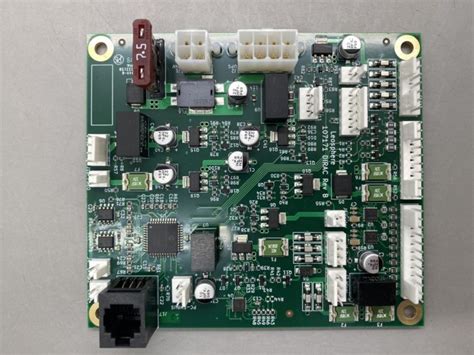
Quality assurance in PCBA manufacturing is a critical aspect that directly impacts the reliability and performance of the final product. The PCB assembly process involves various stages where rigorous testing and validation are essential to identify potential defects early on. During the design phase, engineers must integrate quality considerations, such as component selection and layout optimization, which significantly influence the reliability of the PCBA. Once assembly begins, techniques such as Automated Optical Inspection (AOI) and X-ray inspection play a crucial role in ensuring that solder joints and component placements meet defined standards.
Moreover, implementing robust processes like In-Circuit Testing (ICT) allows manufacturers to detect faults effectively at different stages of production. These tests examine the functionality of components on the PCB and verify connections as per design specifications. Additionally, regular calibration of testing equipment is fundamental to maintain accuracy and consistency across production runs.
Adopting statistical process control (SPC) can further enhance quality assurance measures by using data to monitor processes in real-time. This proactive approach helps identify trends that may indicate potential quality issues before they escalate into larger problems.
Ultimately, by placing a strong emphasis on quality assurance throughout the PCBA manufacturing process—from design to final testing—companies can ensure that their products are not only reliable but also adhere to industry standards and customer expectations. Consistency, thoroughness, and a commitment to excellence in pcb assembly procedures facilitate high-quality outcomes that compete effectively in a dynamic marketplace.
Common Challenges in PCBA Motherboard Design and Solutions
When it comes to PCBA motherboard design, several challenges can impede the manufacturing process and final product performance. One major issue is achieving a balance between design complexity and manufacturability. As devices become more advanced, the need for intricate layouts increases, which can lead to difficulties in pcb assembly. High-density interconnections may result in challenges such as signal integrity degradation and thermal management problems that must be carefully addressed.
Another common hurdle is the selection of materials. Not all materials are suitable for high-frequency applications or harsh environmental conditions. Engineers often have to navigate trade-offs between cost, performance, and reliability when choosing materials for PCBA production. Additionally, ensuring compatibility with a variety of components can complicate the design process.
Moreover, achieving quality assurance in PCBA motherboards is crucial yet challenging. Variations in manufacturing processes can lead to defects such as soldering issues or component misalignment. Implementing stringent testing protocols and employing advanced technologies for monitoring during production are solutions that can enhance overall reliability.
Finally, communication among cross-functional teams—designers, engineers, and manufacturers—plays a vital role in overcoming these challenges. Establishing clear lines of communication can help facilitate rapid feedback on potential issues, allowing for quicker adjustments to designs and processes.
By recognizing these common challenges and employing strategic solutions, engineers can improve the efficiency and effectiveness of pcb assembly, ultimately leading to robust PCBA motherboard designs that meet both performance expectations and market demands.
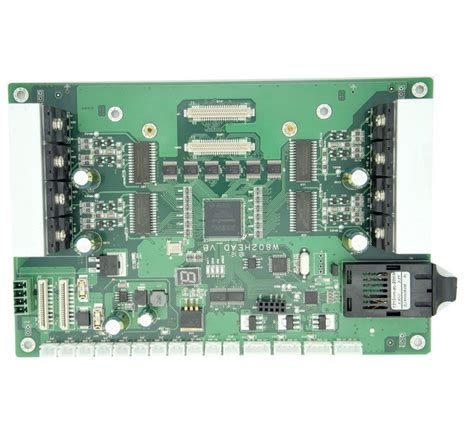
Future Trends in PCBA Technologies: What Lies Ahead
As the electronics industry continues to evolve, the future of PCB assembly and PCBA technologies promises to bring innovative advancements. One significant trend involves the integration of IoT (Internet of Things) capabilities within PCBA designs, allowing for smarter and more connected devices. This shift towards smart technology not only enhances functionality but also opens new avenues for data collection and analytical processing. Furthermore, the push for miniaturization in electronics is driving improvements in the design and manufacturing processes of PCBA motherboards. Advancements in materials, such as low-loss dielectrics and high-frequency laminates, are expected to play a crucial role in meeting the demands of next-generation applications.
Additionally, automation and artificial intelligence are set to revolutionize quality control within PCBA manufacturing, making processes more efficient and reducing human error. These technologies will help ensure that products meet rigorous standards while optimizing costs. The increasing emphasis on sustainability also suggests that eco-friendly materials and processes will become more prevalent in PCBA production, aligning with global efforts towards greener manufacturing practices.
Moreover, developments in 3D printing technology are poised to further reshape pcba methods by enabling faster prototyping and reduced lead times for production. As manufacturers adopt these advanced techniques, they will enhance their responsiveness to market demands while pushing boundaries on what can be achieved with traditional assembly methods.
Overall, as these trends unfold, they not only enhance the performance and reliability of electronic devices but also ensure that the industry remains adaptive to future challenges. Understanding these developments is crucial for engineers and tech enthusiasts alike who aim to stay ahead in an increasingly complex field.
Conclusion: The Importance of Understanding PCBA Motherboard Production
In the realm of electronics, the PCBA motherboard holds a pivotal role, serving as the backbone for various devices. Understanding the pcb assembly process that underpins PCBA production is crucial for engineers and enthusiasts alike, as it encompasses a multitude of intricate steps and considerations. From conception through to mass production, each phase impacts the performance and reliability of the final product. An awareness of the essential materials utilized in PCBA manufacturing, such as substrates and conductive materials, directly influences design choices and cost-effectiveness. Furthermore, staying abreast of technologies driving innovation—like automation in assembly processes—can provide valuable insights into enhancing efficiency and accuracy. As common challenges arise in the design and production stages, having a strong foundational knowledge aids in identifying solutions swiftly. Ultimately, a comprehensive grasp of PCBA motherboard production not only cultivates better product designs but also promotes advancements in technology that can elevate user experiences.
Conclusion: The Importance of Understanding PCBA Motherboard Production
In the rapidly evolving world of electronics, grasping the principles behind PCBA (Printed Circuit Board Assembly) and motherboard production is essential for engineers and enthusiasts alike. As the backbone of virtually all electronic devices, understanding pcb assembly processes and methodologies not only enhances product reliability but also fosters innovation. The complexity involved in PCBA manufacturing—from design considerations to material choices—demands a thorough comprehension of cutting-edge technologies and best practices. By gaining insights into these aspects, professionals can navigate challenges more effectively, ensuring that the final products meet rigorous quality standards. As we look ahead to future trends in PCBA technologies, staying informed will help industry stakeholders adapt and thrive in an increasingly competitive landscape. Emphasizing this knowledge encourages a proactive approach to design and production, ultimately leading to more robust and efficient electronic solutions.
FAQs
What is a PCBA motherboard?
A PCBA motherboard is a printed circuit board assembly that serves as the foundation for a computer’s hardware components. It connects various parts, such as the CPU, RAM, and other peripherals, allowing them to communicate effectively.
What are the key steps in the PCBA design process?
The key steps in the pcba design process include requirement analysis, schematic capture, PCB layout, and design verification. Each stage involves careful consideration of functionality and manufacturability to ensure optimal performance.
What materials are commonly used in PCBA production?
Common materials used in PCBA production include fiberglass, copper, and various kinds of polymers for solder masks. These materials are selected for their electrical properties and mechanical strength, contributing to the overall durability of the motherboard.
How does quality assurance affect PCBA manufacturing?
Quality assurance plays a crucial role in PCBA manufacturing, ensuring that each assembly meets specific standards. This involves thorough testing at various stages of production to detect defects and validate that all components function as intended.
What challenges do engineers face in PCBA design?
Engineers often encounter challenges such as component placement issues, thermal management, and signal integrity during pcba motherboard design. Addressing these challenges requires innovative solutions and expertise in electronic engineering practices.
For more information on PCB assembly processes and techniques, or to explore services related to this field, please click here: Andwin PCB Assembly.