
Dupont flex pcb
Advantages Of Using DuPont Flex PCB In Modern Electronics
In the rapidly evolving landscape of modern electronics, the demand for more efficient, compact, and reliable components has never been greater. Among the myriad of innovations that have emerged to meet these demands, DuPont Flex PCBs (Printed Circuit Boards) stand out as a pivotal advancement. These flexible circuit boards offer a range of advantages that make them indispensable in the design and manufacture of contemporary electronic devices.
To begin with, one of the most significant advantages of DuPont Flex PCBs is their inherent flexibility.
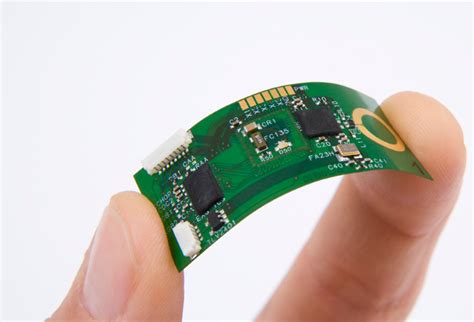
Unlike traditional rigid PCBs, these flexible circuits can be bent, folded, and twisted without compromising their functionality. This flexibility allows for more creative and compact designs, enabling engineers to develop smaller and more intricate devices. As a result, DuPont Flex PCBs are particularly well-suited for applications in wearable technology, medical devices, and other compact electronic gadgets where space is at a premium.
Moreover, the lightweight nature of DuPont Flex PCBs contributes to their appeal in modern electronics.
By reducing the overall weight of electronic devices, these flexible circuits enhance portability and ease of use, which are critical factors in consumer electronics. This characteristic is especially beneficial in the aerospace and automotive industries, where weight reduction can lead to improved fuel efficiency and performance.
In addition to their flexibility and lightweight properties, DuPont Flex PCBs offer superior thermal management capabilities.
The materials used in these flexible circuits are designed to dissipate heat more effectively than their rigid counterparts. This enhanced thermal performance is crucial in high-power applications where excessive heat can lead to device failure or reduced lifespan. Consequently, DuPont Flex PCBs are often employed in high-performance computing and telecommunications equipment, where maintaining optimal operating temperatures is essential.
Furthermore, the durability and reliability of DuPont Flex PCBs cannot be overstated.
These circuits are engineered to withstand harsh environmental conditions, including extreme temperatures, vibrations, and moisture. This robustness ensures that devices incorporating DuPont Flex PCBs maintain their performance and integrity over extended periods, even in challenging environments. This makes them an ideal choice for military and industrial applications, where reliability is paramount.
Another noteworthy advantage of DuPont Flex PCBs is their potential for cost savings in the manufacturing process.
By reducing the need for connectors and interconnects, these flexible circuits simplify assembly and reduce the risk of connection failures. This streamlined manufacturing process not only lowers production costs but also enhances the overall reliability of the final product. Additionally, the ability to integrate multiple functions into a single flexible circuit can further reduce material costs and assembly time.
Finally, the versatility of DuPont Flex PCBs extends to their compatibility with a wide range of materials and components.
This adaptability allows for seamless integration into various electronic systems, making them a versatile solution for diverse applications. Whether in consumer electronics, automotive systems, or industrial machinery, DuPont Flex PCBs provide a reliable and efficient means of meeting the demands of modern technology.
In conclusion, the advantages of using DuPont Flex PCBs in modern electronics are manifold. Their flexibility, lightweight nature, superior thermal management, durability, cost-effectiveness, and versatility make them an invaluable component in the design and manufacture of cutting-edge electronic devices. As technology continues to advance, the role of DuPont Flex PCBs in shaping the future of electronics is poised to grow even more significant.
Innovations In DuPont Flex PCB Technology
DuPont has long been a leader in the field of materials science, and its innovations in flexible printed circuit board (PCB) technology are no exception. As the demand for smaller, lighter, and more versatile electronic devices continues to grow, the need for advanced materials that can meet these requirements has become increasingly critical. DuPont’s advancements in flex PCB technology are paving the way for new possibilities in electronics design and manufacturing, offering a range of benefits that are transforming the industry.
One of the key innovations in DuPont’s flex PCB technology is the development of advanced materials that enhance the performance and reliability of flexible circuits.
These materials are designed to withstand the rigors of bending and flexing, which are inherent in applications such as wearable electronics, medical devices, and automotive systems. By improving the durability and flexibility of PCBs, DuPont is enabling manufacturers to create products that are not only more robust but also more adaptable to various form factors.
In addition to material advancements, DuPont has also focused on improving the manufacturing processes associated with flex PCBs.
By streamlining production techniques and incorporating cutting-edge technologies, DuPont has been able to reduce costs and increase efficiency. This has made flexible PCBs more accessible to a wider range of industries, allowing for greater innovation and the development of new applications. As a result, companies can now explore more complex designs and integrate flexible circuits into products that were previously limited by traditional rigid PCB technology.
Moreover, DuPont’s commitment to sustainability is evident in its flex PCB innovations.
The company has prioritized the development of eco-friendly materials and processes that minimize environmental impact. By reducing waste and energy consumption during production, DuPont is contributing to a more sustainable future for the electronics industry. This focus on sustainability not only aligns with global environmental goals but also meets the growing consumer demand for greener products.
Another significant aspect of DuPont’s flex PCB technology is its role in enabling the Internet of Things (IoT).
As IoT devices become more prevalent, the need for flexible, reliable, and high-performance PCBs is paramount. DuPont’s innovations in this area are facilitating the integration of sensors, antennas, and other components into flexible circuits, which are essential for the seamless connectivity and functionality of IoT devices. This capability is opening up new opportunities for smart homes, industrial automation, and other IoT applications, where flexibility and performance are crucial.
Furthermore, DuPont’s flex PCB technology is also making strides in the medical field.
The ability to create flexible, biocompatible circuits is revolutionizing medical devices, enabling the development of wearable health monitors, implantable devices, and other advanced medical technologies. These innovations are improving patient outcomes by providing more accurate data and enhancing the comfort and usability of medical devices.
In conclusion, DuPont’s innovations in flex PCB technology are driving significant advancements across various industries. By focusing on material improvements, manufacturing efficiency, sustainability, and the needs of emerging technologies like IoT and medical devices, DuPont is setting new standards for what is possible with flexible circuits. As the demand for more versatile and reliable electronic solutions continues to rise, DuPont’s contributions to flex PCB technology will undoubtedly play a crucial role in shaping the future of electronics.
DuPont Flex PCB: Enhancing Durability And Performance
DuPont Flex PCB technology represents a significant advancement in the field of flexible printed circuit boards, offering enhanced durability and performance that meet the demands of modern electronic applications. As electronic devices continue to evolve, the need for components that can withstand rigorous conditions while maintaining high functionality has become increasingly important. DuPont, a leader in material science, has developed innovative solutions that address these challenges, providing manufacturers with reliable options for their electronic designs.
One of the key advantages of DuPont Flex PCB technology is its exceptional durability.
Traditional rigid PCBs can be prone to damage when subjected to bending or flexing, which can lead to circuit failure. In contrast, DuPont’s flexible PCBs are designed to endure repeated bending and flexing without compromising their structural integrity. This is achieved through the use of advanced materials and manufacturing processes that enhance the flexibility and resilience of the circuit boards. As a result, devices that incorporate DuPont Flex PCBs can maintain their performance over extended periods, even in demanding environments.
In addition to durability, DuPont Flex PCBs offer superior performance characteristics that are crucial for modern electronics.
These flexible circuits are capable of supporting high-speed data transmission, which is essential for applications such as telecommunications, consumer electronics, and automotive systems. The materials used in DuPont Flex PCBs are engineered to minimize signal loss and interference, ensuring that data is transmitted accurately and efficiently. This level of performance is particularly important in applications where reliability and precision are paramount.
Moreover, DuPont Flex PCBs provide significant design flexibility, allowing engineers to create more compact and lightweight electronic devices.
The ability to bend and shape the circuit boards enables the development of innovative product designs that were previously unattainable with rigid PCBs. This flexibility is especially beneficial in industries such as wearable technology and medical devices, where space constraints and ergonomic considerations are critical. By utilizing DuPont Flex PCBs, manufacturers can produce devices that are not only functional but also aesthetically pleasing and comfortable for users.
Furthermore, the environmental benefits of DuPont Flex PCB technology should not be overlooked.
The materials used in these flexible circuits are often more sustainable than those found in traditional PCBs, contributing to a reduction in the overall environmental impact of electronic devices. Additionally, the durability of DuPont Flex PCBs means that devices are less likely to require frequent repairs or replacements, leading to a decrease in electronic waste. This aligns with the growing emphasis on sustainability within the electronics industry, as companies strive to develop products that are both high-performing and environmentally responsible.
In conclusion, DuPont Flex PCB technology offers a range of benefits that enhance the durability and performance of electronic devices. By providing solutions that withstand the challenges of modern applications, DuPont has positioned itself as a leader in the flexible PCB market. The combination of durability, performance, design flexibility, and environmental sustainability makes DuPont Flex PCBs an attractive choice for manufacturers seeking to innovate and improve their products. As the demand for advanced electronic components continues to grow, DuPont’s contributions to the field of flexible PCBs will undoubtedly play a crucial role in shaping the future of electronics.
Applications Of DuPont Flex PCB In Various Industries
DuPont Flex PCBs, or flexible printed circuit boards, have become a cornerstone in the advancement of modern technology, finding applications across a multitude of industries. These innovative components offer a unique combination of flexibility, durability, and reliability, making them indispensable in environments where traditional rigid PCBs fall short. As industries continue to evolve, the demand for more adaptable and efficient electronic solutions has propelled the adoption of DuPont Flex PCBs, which are engineered to meet these exacting requirements.
In the consumer electronics sector, DuPont Flex PCBs are integral to the design and functionality of a wide array of devices.
Smartphones, tablets, and wearable technology all benefit from the compact and flexible nature of these PCBs. Their ability to conform to various shapes and sizes allows for more innovative and ergonomic designs, enhancing user experience. Moreover, the lightweight nature of flexible PCBs contributes to the overall reduction in device weight, a critical factor in portable electronics. As consumer demand for smaller, more powerful devices continues to grow, the role of DuPont Flex PCBs in this industry is set to expand even further.
Transitioning to the automotive industry, the application of DuPont Flex PCBs is equally transformative.
Modern vehicles are equipped with a plethora of electronic systems, from advanced driver-assistance systems (ADAS) to infotainment and navigation systems. The flexibility and resilience of DuPont Flex PCBs make them ideal for use in the harsh environments often encountered in automotive applications. They can withstand extreme temperatures and vibrations, ensuring reliable performance over the vehicle’s lifespan. Additionally, their ability to reduce wiring complexity and weight contributes to improved fuel efficiency and reduced emissions, aligning with the industry’s push towards more sustainable solutions.
In the realm of healthcare, DuPont Flex PCBs are revolutionizing medical devices and equipment.
Their adaptability and reliability are crucial in the development of wearable health monitors, diagnostic devices, and implantable medical technologies. These PCBs enable the miniaturization of medical devices, making them less intrusive and more comfortable for patients. Furthermore, the biocompatibility of certain DuPont materials ensures that these devices can safely interact with the human body, opening new possibilities for patient monitoring and treatment.
The aerospace and defense sectors also benefit significantly from the use of DuPont Flex PCBs
In these industries, the demand for lightweight, high-performance components is paramount. Flexible PCBs offer the necessary durability and reliability required for mission-critical applications, such as satellite systems, avionics, and communication equipment. Their ability to maintain functionality under extreme conditions, including high radiation and temperature fluctuations, makes them an ideal choice for aerospace applications. Additionally, the reduced weight and space savings provided by flexible PCBs are crucial in optimizing payload capacities and enhancing overall system efficiency.
As we look to the future, the potential applications of DuPont Flex PCBs continue to expand.
With ongoing advancements in materials science and manufacturing techniques, these versatile components are poised to play an even more significant role in the development of next-generation technologies. From enabling the Internet of Things (IoT) to supporting the growth of renewable energy systems, DuPont Flex PCBs are at the forefront of innovation, driving progress across a diverse range of industries. Their unique properties and adaptability ensure that they will remain a vital component in the ever-evolving landscape of technology.