
Innovations in Assembled Printed Circuit Boards for Modern Electronics
Key Takeaways
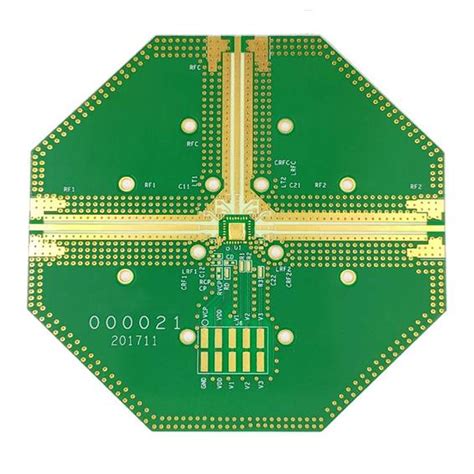
As the world of electronics continues to evolve, innovations in assembled printed circuit boards (PCBs) play a pivotal role in enhancing device performance and reliability. Recent advancements in pcb assembly techniques have introduced more efficient methods of integrating components, which not only reduce manufacturing time but also improve the overall assembly quality. The use of advanced pcba technologies has led to the adoption of innovative materials that contribute to lighter, more durable, and heat-resistant boards.
Furthermore, smart PCB technology has emerged as a game-changer in optimizing performance; these intelligent boards can communicate with their environments and adjust functionalities accordingly. Improved reliability is also a focus, as manufacturers adopt rigorous testing protocols and quality assurance measures to ensure that modern electronics can withstand harsher operating conditions without failure.
“Innovation in PCB design is not just about making smaller or faster devices; it’s about creating reliable solutions that meet the demands of today’s technologies.”
By focusing on these key factors—design enhancements, material improvements, and advanced manufacturing processes—engineers are setting new standards for what is possible with assembled printed circuit boards. This underscores the importance of ongoing research and development in the field to keep pace with rapidly advancing technology and consumer expectations.
Introduction to Assembled Printed Circuit Boards
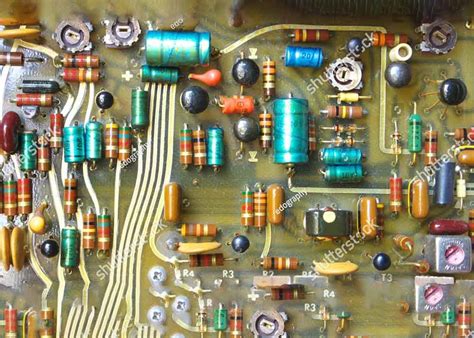
Assembled printed circuit boards (PCBs) play an essential role in the landscape of modern electronics. The term “PCB assembly” refers to the process of assembling electronic components onto a PCB, integrating various parts and ensuring they function cohesively. With the rapid evolution of technology, advancements in design, construction, and materials used in pcba have led to enhancements that not only optimize performance but also improve reliability.
Modern PCBs are increasingly characterized by their ability to be miniaturized without sacrificing functionality, which is crucial for devices in industries ranging from consumer electronics to automotive applications. The incorporation of advanced design tools allows engineers to create intricate layouts that maximize space while adhering to electrical performance standards. Moreover, recent innovations in manufacturing techniques, including automated processes and selective soldering, have expedited production timelines and reduced costs, enabling faster market delivery.
Furthermore, the selection of materials is pivotal in defining the efficiency and durability of assembled printed circuit boards. New substrates and coatings not only enhance thermal management but also offer better electrical insulation properties. Such progress is vital as devices become more powerful yet smaller in size, pushing manufacturers to explore groundbreaking formulations for enhanced performance.
In summary, the evolution of pcb assembly practices signifies a remarkable shift towards smarter technology applications that provide compact solutions while maintaining optimal reliability across various electronic domains.
Recent Advancements in PCB Design
The field of pcb assembly has witnessed significant transformations in recent years, driven by the continuous demand for smaller, lighter, and more efficient electronic devices. One of the most notable advancements is the adoption of multi-layer PCBs, which allows for increased functionality without substantially increasing size. As devices become more intricate, companies are turning to advanced design software that utilizes computer-aided design (CAD) tools to optimize layouts and reduce signal loss. Additionally, flexible printed circuit boards (FPCBs) have emerged as a critical innovation, enabling unique design configurations that were previously unattainable.
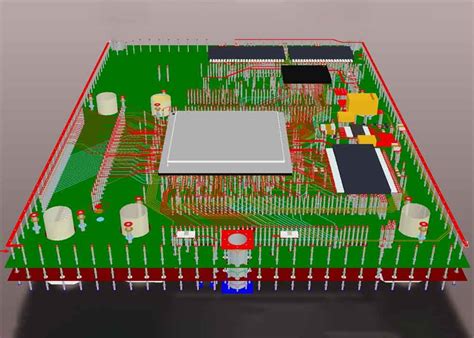
Emerging trends also include the integration of 3D modeling and simulation techniques, facilitating better visualization and reducing time-to-market for new products. The use of simulation software allows engineers to analyze thermal performance and mechanical integrity early in the design process. This proactive approach not only enhances reliability but also enables companies to meet stringent industry standards more effectively.
Furthermore, advancements in design-for-manufacturability (DFM) principles have led to a more streamlined production process. By considering manufacturability during the initial design phase, manufacturers can identify potential issues early on. As a result, this collaborative approach between design and manufacturing teams ensures higher quality in pcb assembly, ultimately leading to improved product performance.
Overall, these advancements underscore a dynamic shift toward more efficient processes and innovative designs in printed circuit boards (PCBs), positioning them at the forefront of modern electronics development.
Revolutionary Materials Used in PCBs
In the realm of assembled printed circuit boards (PCBs), the emergence of revolutionary materials has significantly transformed the landscape of electronics. Innovations such as flexible substrates, high-frequency laminates, and advanced composites have emerged, allowing for enhanced performance and greater efficiency in pcb assembly. These materials contribute not only to weight reduction but also to improved thermal conductivity and electrical performance, which are critical in modern applications where space and heat management are crucial. Moreover, advancements in pcba materials facilitate the integration of more complex designs, enabling manufacturers to push boundaries in PCB design. As the demand for high-density interconnects increases, new materials that offer greater durability and reliability under varying environmental conditions have become essential. The combination of these innovative materials paves the way for sophisticated electronic devices, meeting the rigorous standards expected in today’s market while ensuring that performance remains uncompromised. Through continuous research and development, these novel materials are setting a benchmark for future advancements, reshaping how electronic components interact within various systems.
Innovations in PCB Manufacturing Processes
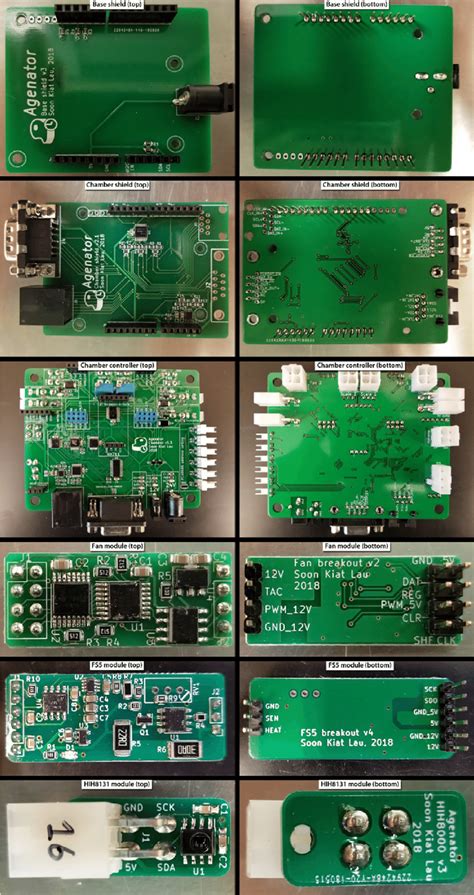
The rapid evolution of pcb assembly techniques has been instrumental in meeting the growing demands of modern electronics. One notable advancement is the integration of automated processes, which significantly reduces production times while enhancing the accuracy of pcba. This automation not only streamlines manufacturing but also minimizes human error, leading to higher quality and more reliable products. Additionally, improvements in surface mount technology (SMT) have allowed for a denser arrangement of components on boards, optimizing space and performance. Furthermore, the use of advanced soldering techniques, such as selective soldering and reflow soldering, provides better thermal management and electrical performance. The shift towards environmentally friendly materials is also noteworthy; manufacturers are now adopting lead-free solder and biodegradable substrates that align with global sustainability goals. As these manufacturing innovations unfold, they pave the way for cutting-edge designs that can cater to a diverse array of applications—from consumer electronics to critical medical devices—ensuring that assembled printed circuit boards remain at the forefront of technological advancements.
Enhancing Performance Through Smart PCB Technology
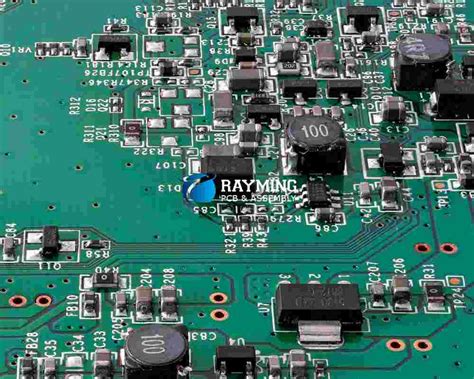
The evolution of pcb assembly has seen a significant shift towards integrating smart technologies that elevate performance across various applications in modern electronics. These advancements include the incorporation of sensors, embedded components, and IoT connectivity directly into the PCBA process, allowing for more efficient and responsive devices. By utilizing advanced materials such as flexible substrates and high-density interconnects, these smart PCBs can not only optimize space but also enhance thermal management and signal integrity. Moreover, innovations in software algorithms enable real-time monitoring and adaptive functionalities, which lead to improved reliability and prolonged lifespan of the electronic assemblies. As smart PCB technology continues to develop, manufacturers are increasingly focusing on sustainable practices that reduce waste while ensuring that the performance demands of the latest devices are met effectively. This combination of intelligent design and manufacturing processes is setting a new standard in electronic reliability that is essential for the future of technology.
Reliability Improvements in Modern Electronics
In the realm of assembled printed circuit boards (PCBs), reliability has emerged as a critical focus for manufacturers striving to meet the demands of contemporary electronics. Enhanced pcb assembly techniques have greatly contributed to this improvement, allowing for tighter tolerances and improved connections between components. Key materials now utilized in pcba processes also play a pivotal role; newer, high-performance substrates provide greater thermal stability and resistance to environmental factors such as moisture and corrosion. This has been particularly beneficial in applications that require longevity and durability, such as automotive systems and medical devices. Additionally, automated manufacturing processes have integrated advanced inspection technologies that ensure each board meets stringent quality standards, significantly reducing the likelihood of defects. As a result, electronics manufacturers can deliver products that not only perform better but also last longer, thus fostering trust with consumers and ensuring reliability in everyday usage.
Case Studies: Successful Implementations of Innovative PCBs
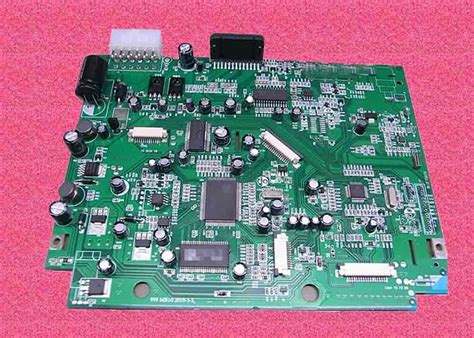
The landscape of pcb assembly has been transformed significantly by recent advancements, with various success stories exemplifying the application of innovative printed circuit boards (PCBs) across diverse industries. One notable case is in the realm of consumer electronics, where a leading smartphone manufacturer integrated advanced pcba techniques to enhance device performance and functionality. This collaboration between design teams and manufacturing processes allowed for thinner circuit boards without compromising durability. Another example can be found in the automotive sector, where innovative PCB technologies have driven improvements in electric vehicle performance by utilizing lightweight materials that simultaneously increase the efficiency of electronic components. These implementations showcase how tailored approaches in pcb assembly can lead not only to enhanced product reliability but also to significant cost reductions throughout the manufacturing cycle. Moreover, companies are increasingly adopting smart PCB technologies that facilitate real-time diagnostics and monitoring, ensuring optimal performance even under demanding operational conditions. The success narratives emerging from these sectors highlight the critical role that cutting-edge pcb assembly practices play in advancing modern electronics and meeting evolving market demands, setting a precedent for future innovations within this field.
Future Trends in Assembled Printed Circuit Boards
The landscape of assembled printed circuit boards (PCB assembly) is continuously evolving, driven by the rapid advancements in technology and increasing demands for high-performance electronic devices. As we look ahead, several trends are poised to shape the future of PCB design and production. One notable trend is the integration of smart technology within PCBs. This innovation allows for real-time monitoring of performance metrics, enabling automated adjustments and enhancing overall efficiency. Furthermore, sustainable practices are gaining traction; manufacturers are increasingly adopting eco-friendly materials in the pcb assembly process, thereby reducing environmental impact while maintaining high-quality standards.
Another significant trend involves the miniaturization of electronic components. As devices become smaller and more compact, the need for more intricate PCBA solutions is essential. This has led to innovative approaches in design to maximize functionality within limited space without compromising performance. Additionally, advancements in manufacturing techniques such as additive manufacturing and automation are expected to streamline production processes, reducing lead times and costs while improving precision.
Finally, as connectivity becomes ubiquitous with the rise of the Internet of Things (IoT), there’s an intensified focus on creating PCBs that support wireless communication standards. This shift not only enhances device interoperability but also drives innovation in how electronics are interconnected. In summary, the future trends in assembled printed circuit boards reflect a convergence of sustainability, smart technologies, and miniaturization, all poised to influence modern electronics dramatically.
Conclusion
As the realm of electronics continues to evolve, the importance of pcba innovations cannot be overstated. The advancements in assembled printed circuit boards (PCBs) have paved the way for enhanced performance and reliability, essential for maintaining competitiveness in the market. This article has highlighted several key areas where improvements have been made, from cutting-edge PCB design techniques to the utilization of revolutionary materials that support higher functionality in compact spaces. The manufacturing processes for pcb assembly have also seen significant progress, employing automation and precision methods that streamline production while reducing errors. As we look towards the future, ongoing research and development will likely yield further enhancements that could redefine functionality and performance standards in modern electronics. The integration of smart technologies within PCBs is an exciting frontier that promises to enhance device capabilities even more, making them not only more efficient but also capable of real-time data processing and connectivity. As industries adopt these innovations, assembled printed circuit boards will undoubtedly play a critical role in shaping the future landscape of electronic devices.
FAQs
What is PCB assembly and why is it important?
PCB assembly (PCBA) is a critical process in modern electronics where various components are mounted onto a printed circuit board. It is essential because it ensures that electronic devices function correctly, integrating different components into a cohesive system.
What are the common methods used in PCB assembly?
Common methods for pcb assembly include Surface Mount Technology (SMT) and Through-Hole Technology. SMT is widely favored today due to its efficiency and ability to accommodate smaller components.
How have innovations in materials impacted assembled printed circuit boards?
Innovative materials such as flexible substrates and advanced thermal management solutions have improved the performance and durability of PCBs, enhancing their reliability in various applications.
What role does design play in modern PCB assembly?
The design of pcb assemblies significantly influences their performance. Optimized layouts can minimize signal interference, reduce manufacturing costs, and enhance the overall functionality of electronic devices.
Can you explain how smart technologies enhance PCB performance?
Smart technologies integrated into PCBA enable features such as self-diagnostics and adaptive performance, which contribute to more robust and reliable electronics.
What future trends should we expect in PCB assembly?
Future trends may include increased use of automation in manufacturing processes, along with innovations in materials that allow for greater flexibility and higher efficiency, paving the way for compact and more powerful electronic devices.
To learn more about pcb assembly, please click here: Andwin PCB Assembly.