
Efficient PCB Manufacturing and Assembly Processes Explained
Key Takeaways
In the dynamic landscape of PCB manufacturing and assembly, a deeper understanding of the processes involved is crucial for companies aiming to enhance their production capabilities. PCB assembly (or PCBA) encompasses several critical steps that transform raw materials into fully functional circuit boards. By focusing on key techniques such as surface mount technology and through-hole assembly, manufacturers can significantly boost efficiency and accuracy during the assembly phase. Furthermore, the incorporation of advanced technologies such as automated optical inspection and laser soldering plays a vital role in mitigating errors and optimizing quality. Adopting established best practices not only leads to reduced costs but also enhances overall production output, allowing businesses to remain competitive in the fast-evolving electronics industry. Robust quality control measures ensure that every assembled board meets stringent standards, thereby minimizing defects and waste. By streamlining workflow processes, organizations can achieve optimal levels of productivity in their PCBA operations, paving the way for innovation and adaptability in future PCB manufacturing trends.
Understanding PCB Manufacturing: A Comprehensive Overview
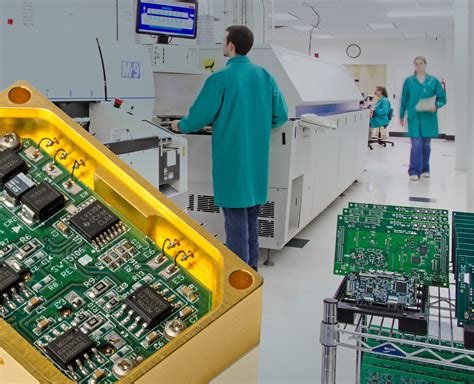
PCB manufacturing is a cornerstone of modern electronics, encompassing both the production of printed circuit boards (PCBs) and the subsequent pcb assembly processes that bring these vital components to life. To fully grasp the intricacies involved, it’s essential to recognize that the journey begins with the design of the PCB, which must be meticulously planned to ensure optimal performance. This stage involves selecting appropriate materials and specifying dimensions that align with electrical requirements. Once designed, the manufacturing process takes shape through several steps, including etching, drilling, and surface finishing. The pcba stage follows suit, incorporating electronic components onto the fabricated boards to form functional assemblies. This phase incorporates several techniques aimed at enhancing efficiency and ensuring reliability—automation is increasingly leveraged during pcb assembly to minimize manual errors and accelerate production timelines. By embracing such advanced methodologies and maintaining a focus on quality control throughout these stages, manufacturers can significantly improve production outcomes while reducing costs. Understanding these frameworks is essential for stakeholders in the electronics industry seeking competitive advantages in an ever-evolving market landscape.
Key Techniques in PCB Assembly for Enhanced Efficiency
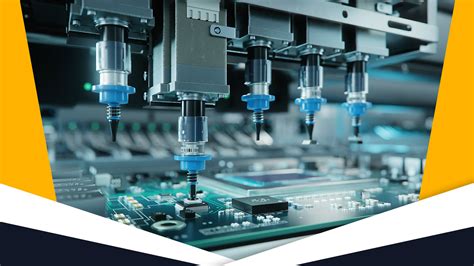
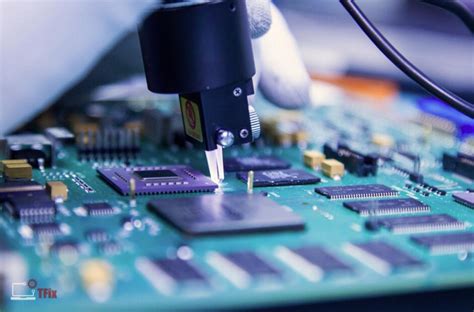
In the realm of PCB assembly, efficiency is paramount to maintaining competitive advantages. One key technique is the implementation of automated assembly processes, which drastically reduces labor costs and minimizes the potential for human error. Precision placement machines, also known as pick-and-place machines, play a critical role in this automation. These machines can position components on a PCB with incredible accuracy, ensuring that components are aligned correctly, which is vital for optimal electrical performance.
Another essential technique involves the use of surface mount technology (SMT). SMT allows for more components to be placed on both sides of the PCB, significantly increasing circuit density and reducing the overall size of electronic devices. By optimizing layout designs using specialized software, engineers can ensure that space is utilized efficiently while also improving heat distribution and signal integrity.
Additionally, adopting modular assembly techniques can enhance flexibility within production environments. This approach enables manufacturers to quickly switch between different product lines without extensive reconfiguration, thus reducing downtime. Moreover, implementing real-time monitoring systems allows for proactive management of assembly lines by detecting issues before they escalate into costly problems.
| Technique | Benefit |
|---|---|
| Automated Assembly | Reduces labor costs and minimizes human error |
| Surface Mount Technology | Increases component density and reduces device size |
| Modular Assembly | Enhances flexibility and reduces downtime |
| Real-time Monitoring | Provides proactive issue detection |
“Efficiency in PCB assembly processes not only streamlines production but also significantly enhances product quality.”
By focusing on these key techniques, companies can ensure they meet demand while maintaining high standards in their manufacturing processes.
Advanced Technologies Transforming PCB Production
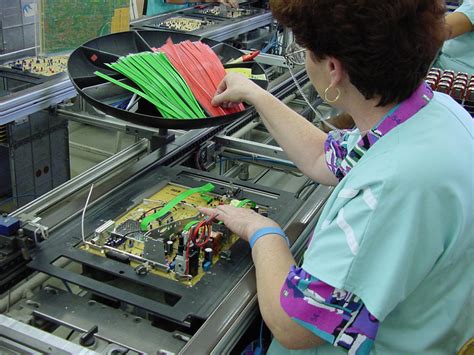
The landscape of PCB manufacturing has been significantly enhanced by innovative technologies that streamline the pcb assembly process. One major advancement is the adoption of automation in the production line. Automated machinery not only increases the speed of production but also minimizes human errors, which are crucial in achieving high-quality PCBA outcomes. Additionally, advancements in soldering technologies, such as selective soldering and laser soldering, have enabled more precise connections, further enhancing the reliability of electronic components. The integration of 3D printing for prototyping purposes has revolutionized early-stage design processes, allowing quicker iterations and easing the transition from prototype to production. Furthermore, the use of smart manufacturing solutions, including IoT (Internet of Things) technologies, facilitates real-time monitoring and data analysis throughout manufacturing stages, contributing to more informed decision-making and efficient resource management. Overall, these advanced technologies are setting new benchmarks in PCB production, embodying a shift toward modern practices that prioritize efficiency, cost-effectiveness, and superior quality in the electronics sector.
Best Practices for Reducing Costs in PCB Manufacturing
In today’s competitive landscape, implementing effective strategies for reducing costs in PCB manufacturing is essential for maintaining profitability. One of the first steps to achieve this is through optimizing the pcb assembly process. By carefully selecting the right materials and streamlining components, manufacturers can significantly cut down on waste. In addition, leveraging advanced technologies in production, such as automation and robotics, can lead to more consistent and faster outputs, thus lowering labor costs associated with manual processes. Manufacturers should also consider adopting a just-in-time (JIT) inventory system. This approach minimizes excess stock and cuts carrying costs while ensuring that the necessary components for pcba are available exactly when needed. Regularly reviewing supplier contracts and exploring bulk purchasing options can also contribute significantly to cost savings. Furthermore, investing in employee training to enhance skills in both manufacturing and assembly practices ultimately leads to improved quality control measures that reduce defects and rework costs over time. By integrating these best practices, companies can not only lower their operational expenses but also strengthen their position in the electronics market through enhanced efficiency and quality.
Quality Control Measures in PCB Assembly Processes
Quality control measures in pcb assembly processes are crucial for ensuring the reliability and performance of electronic products. To begin with, implementing rigorous testing protocols at various stages of production can significantly reduce the risk of defects. Techniques such as Automated Optical Inspection (AOI) and X-ray inspection are frequently employed to identify any anomalies in PCBA components during assembly. Furthermore, regular audits and assessments of both equipment and personnel are essential to maintain high standards and ensure that all manufacturing practices adhere to predetermined specifications.
In addition, the adoption of Six Sigma methodologies can aid in minimizing variations and enhancing process reliability. Training staff on quality assurance principles fosters a culture of excellence, where every team member understands their role in upholding product integrity. Moreover, establishing clear communication channels between production teams helps quickly resolve any issues that arise during the assembly process. Overall, implementing these comprehensive quality control measures not only enhances the overall quality of pcb assembly but also supports operational efficiency while reducing waste and costs associated with rework or product returns.
Streamlining Workflow: Optimizing Production Efficiency
In the highly competitive landscape of electronics manufacturing, streamlining workflow is essential for achieving optimal production efficiency in PCB assembly and manufacturing. Implementing effective strategies can lead to significant time and cost savings while enhancing the overall quality of the final product. One critical technique involves the use of integrated software solutions that facilitate real-time monitoring of production lines. These systems not only track the progress of individual PCBA processes but also help in identifying bottlenecks and areas for improvement. Additionally, adopting lean manufacturing principles can eliminate waste by optimizing resource allocation and improving worker productivity. Establishing standard operating procedures (SOPs) ensures that each phase of production adheres to best practices, further enhancing consistency and quality in PCB manufacturing. Moreover, investing in training programs for employees fosters a culture of continuous improvement, equipping them with the skills necessary to adapt to evolving technologies and methodologies. Leveraging advanced automation tools such as pick-and-place machines significantly accelerates the assembly process by reducing manual labor while maintaining precision. By focusing on these aspects, companies can create a more efficient workflow that not only meets industry standards but also positions themselves as leaders in the rapidly evolving electronics sector.
Future Trends in PCB Manufacturing and Assembly
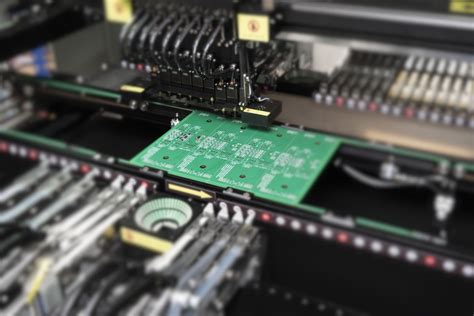
The landscape of PCB manufacturing and assembly is evolving rapidly, driven by advancements in technology and changing market demands. One significant trend is the increasing adoption of automation in pcb assembly processes. By utilizing robotics and intelligent systems, manufacturers can enhance precision, reduce labor costs, and improve production speed. Moreover, the integration of the Internet of Things (IoT) with manufacturing setups facilitates real-time data collection, enabling smarter decision-making processes that lead to optimized production flows. Additionally, there is a growing emphasis on sustainability in PCB manufacturing. Companies are seeking environmentally friendly materials and methods that minimize waste and energy consumption while maintaining high-quality standards in printed circuit board assembly (PCBA). Another emerging trend is the shift towards smaller, more compact designs due to consumer demand for lightweight electronics; this urges manufacturers to innovate continuously while addressing challenges associated with miniaturization. Overall, these trends point towards a more technologically advanced and eco-conscious future for the electronics industry where pcba techniques will become integral in meeting consumer expectations while ensuring cost-effectiveness and production efficiency.
Case Studies: Successful Strategies in the Electronics Industry
In the realm of PCB manufacturing and assembly, numerous organizations have implemented innovative strategies that showcase the effectiveness of modern practices. For instance, one case study highlighted a company that optimized its pcba process by integrating automated assembly lines, which significantly reduced lead times and minimized human error. By utilizing advanced machines equipped with sophisticated vision systems, they achieved a remarkable accuracy rate in component placement, enhancing the overall quality of their products. Another notable example involved a firm that adopted lean manufacturing principles specifically tailored for pcb assembly. This initiative simplified workflows and eliminated waste, demonstrating how focused process improvements can lead to cost reductions while maintaining high-quality standards. Furthermore, companies employing real-time data analytics were able to swiftly identify bottlenecks in production, allowing for timely adjustments and improved efficiency throughout the assembly process. These case studies not only underscore the importance of adopting cutting-edge technologies and methodologies but also highlight the ongoing evolution within the electronics industry, where continual improvement is vital for success in an increasingly competitive market.
Conclusion
In summary, efficient PCB manufacturing and assembly processes are vital components of the electronics industry that directly influence the overall performance and reliability of electronic products. The successful integration of key techniques in PCB assembly ensures that every aspect—from component placement to soldering—meets industry standards while maximizing productivity. By embracing advanced technologies, such as automated machines and real-time monitoring systems, businesses can enhance their pcba workflows, leading to greater accuracy and precision in the assembly line. Furthermore, employing best practices for cost reduction helps in streamlining operations without compromising on quality. As the industry evolves, continuous adaptation to emerging trends will be essential in maintaining a competitive edge. Ultimately, investing in quality control measures within the pcb assembly process solidifies a company’s commitment to excellence, resulting in products that satisfy consumer demands while achieving operational efficiency.
FAQs
What is PCB assembly?
PCB assembly, or PCBA, refers to the process of soldering electronic components onto a printed circuit board (PCB) to create a functioning electronic device. This process is crucial for integrating functionality into the board.
What are the key steps involved in PCB assembly?
The key steps in PCB assembly include solder paste application, component placement, soldering (either through wave or reflow techniques), and quality inspection. Each step is vital for ensuring the quality and reliability of the final product.
Why is quality control important in PCB manufacturing?
Quality control is critical in PCB manufacturing as it helps to identify defects early in the production process. Implementing robust quality control measures ensures that each PCBA meets industry standards and reduces potential failures in the end product.
What technologies are used in modern PCB assembly?
Modern PCB assembly utilizes advanced technologies such as automated pick-and-place machines, laser soldering, and inspection systems like AOI (Automated Optical Inspection). These technologies enhance precision and efficiency, drastically improving production timelines.
How can costs be reduced during PCB manufacturing?
Cost reduction strategies in PCB manufacturing include optimizing materials procurement, minimizing waste during production, utilizing cost-effective components, and employing lean manufacturing techniques to enhance workflow efficiency.