
Efficient Turnkey PCB Manufacturing Solutions for Your Projects
Key Takeaways
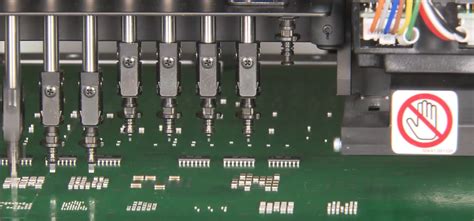
When exploring turnkey PCB manufacturing, it’s crucial to understand the comprehensive process that encompasses everything from design to delivery. The beauty of turnkey solutions lies in their ability to simplify complex projects—allowing businesses to focus more on innovation while meticulous attention is given to the pcb assembly process. With these solutions, companies benefit from a streamlined workflow, alleviating the burden of managing multiple suppliers and ensuring that every stage of production is interlinked.
One key factor in achieving a successful pcba lies in cultivating strong partnerships with reputable manufacturers who emphasize quality and efficiency throughout their operations. These collaborations lead to improved production rates and more durable products that meet industry standards. Employing cost-effective strategies not only minimizes overhead costs but also enhances project timelines, making it easier to adapt to market demands.
Additionally, ensuring timely delivery is paramount in turnkey PCB manufacturing. By establishing clear communication channels and setting defined expectations, businesses can effectively manage tight production schedules without compromising on quality. Investing in cutting-edge technologies and innovative processes can further optimize the pcb assembly workflow, setting the groundwork for future trends in turnkey PCB manufacturing solutions.
| Aspect | Importance |
|---|---|
| Streamlined Workflow | Reduces complexity, fosters innovation |
| Quality Partnerships | Enhances reliability and product durability |
| Cost-Effective Strategies | Minimizes overhead and maximizes efficiency |
| Timely Delivery | Meets market demands and user expectations |
In summary, embracing effective turnkey PCB manufacturing solutions can significantly impact project success through improved processes and strategic partnerships that drive efficiency and quality across all phases of development.
Understanding Turnkey PCB Manufacturing: An Overview
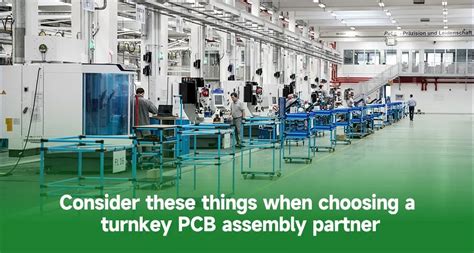
Turnkey PCB manufacturing represents a significant advancement in the production of printed circuit boards (PCBs), allowing businesses to focus on their core competencies while experts manage the entire manufacturing process. At the heart of this approach is a holistic service model, where everything from design to assembly is handled by a single entity, significantly reducing the complexity often associated with multitier supply chains. With turnkey solutions, companies benefit from streamlined communication, as they deal with one point of contact throughout the manufacturing journey. This model is particularly advantageous for PCB assembly (PCBA) projects, where timely coordination is essential for maintaining project timelines and ensuring quality. Partnering with a reliable turnkey provider also allows for enhanced scalability; organizations can swiftly adjust their production volumes in response to market demands without compromising on quality or efficiency. Through adopting these advanced processes, manufacturers can align their operations more closely with industry standards while ensuring that each component meets rigorous quality benchmarks. Ultimately, understanding the nuances of turnkey PCB manufacturing enables businesses to leverage these solutions effectively, resulting in improved project outcomes and higher customer satisfaction levels.
Key Benefits of Turnkey Solutions in PCB Production
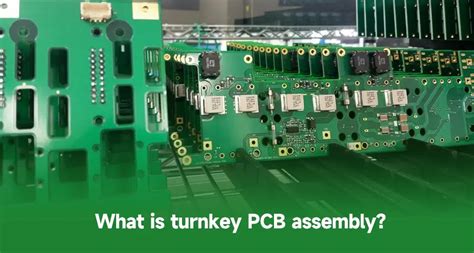
Turnkey PCB manufacturing offers a myriad of advantages, making it an increasingly popular choice for businesses in need of efficient, comprehensive solutions. One of the primary benefits is the streamlined process it provides. By integrating various production stages—such as design, material sourcing, pcb assembly, and testing—turnkey solutions facilitate smoother project management. This integration minimizes the chances of miscommunication and delays often associated with traditional manufacturing methods. Moreover, companies can achieve significant cost savings as a result of optimized logistics and bulk purchasing of materials required for pcba.
These benefits are particularly advantageous when it comes to ensuring quality control. With a single point of responsibility for all stages of production, maintaining high standards becomes more straightforward compared to managing multiple suppliers independently. As such, businesses can rely on their turnkey partners to deliver consistent quality in every batch, fostering trust and satisfaction among clients. In addition to quality assurance, timely delivery is another crucial aspect; by streamlining operations, manufacturers are often better equipped to meet challenging deadlines without sacrificing quality or increasing costs. As industries continue to evolve, embracing these benefits can significantly enhance productivity and operational efficiency in pcb production processes.
Streamlining Your Project: Efficient Processes in PCB Manufacturing
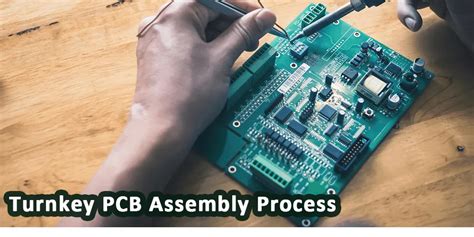
Efficient processes in turnkey PCB manufacturing play a crucial role in enhancing productivity and ensuring timely delivery of high-quality products. By integrating a comprehensive approach to pcb assembly, manufacturers can minimize lead times and reduce costs, all while maintaining the highest standards of quality. One effective strategy is to adopt a concurrent engineering approach, where design and manufacturing processes overlap, allowing for immediate feedback and rapid adjustments. This not only streamlines development but also helps in identifying potential issues early in the process, significantly lowering the risk of costly revisions later on. Additionally, leveraging advanced technologies like automated PCB assembly can improve precision and consistency, thus enhancing overall production efficiency. As companies strive to meet increasing demand for customized solutions, the implementation of pcba services that incorporate flexibility and scalability becomes indispensable. Through these optimized processes, manufacturers can ensure that each project runs smoothly from conception to completion, providing a seamless experience that meets client expectations effectively. Overall, focusing on process efficiency within turnkey PCB solutions is essential for fostering innovation while achieving remarkable results in competitive markets.
Cost-Effective Strategies for Turnkey PCB Solutions
In today’s competitive landscape, developing effective turnkey PCB solutions is essential for companies aiming to optimize their manufacturing processes. Adopting cost-effective strategies can significantly reduce overheads while maintaining the quality of PCB assembly and service. One approach is to leverage advanced technologies such as automation in PCBA production, which can minimize labor costs and enhance precision. Bulk procurement of raw materials, alongside building strong relationships with suppliers, allows businesses to negotiate better pricing, leading to reduced material costs. Additionally, integrating design for manufacturability (DFM) principles early in the design phase helps to identify potential challenges and streamline production processes. This proactive method not only enhances efficiency but also lowers the likelihood of costly revisions down the line. By focusing on cost efficiencies without compromising on quality, businesses can deliver high-quality circuit boards that meet their client’s needs and encourages repeat business and growth in their market share. Embracing these strategies results in a more agile operation capable of responding swiftly to changing demands while ensuring high standards in both production and delivery timelines.
Expert Insights: How to Choose the Right PCB Manufacturer
Choosing the right PCB manufacturer is crucial for ensuring the success of your projects involving pcb assembly or PCBA. One of the first factors to consider is the manufacturer’s experience in your specific industry. A manufacturer that specializes in your sector will have the expertise and tailored solutions to meet your unique requirements. Additionally, evaluate their capabilities in handling turnkey PCB manufacturing. Manufacturers who offer a comprehensive range of services, including design support, component sourcing, and final assembly, can significantly streamline the pcb assembly process.
Another essential aspect is to check their quality control measures. Ensure that the manufacturer adheres to industry standards such as IPC-A-600 for printed circuit boards. This not only guarantees that the finished product meets quality expectations but also aligns with international compliance regulations.
“A thorough vetting process will save time and resources in the long run as you work towards delivering high-quality products.”
Furthermore, consider their production capacity and turnaround times. A reputable manufacturer should provide you with realistic timelines that cater to tight production schedules without compromising on quality. Engaging a manufacturer known for reliable lead times can enhance your project’s efficiency significantly.
Lastly, don’t forget about customer support and communication channels. The right PCB manufacturer should offer transparent communication throughout all stages of production to ensure that any concerns are addressed promptly and effectively. Overall, taking these steps can lead you to a partnership that enhances both product quality and project success in the realm of turnkey PCB solutions.
Ensuring Quality: Standards in Turnkey PCB Manufacturing
Quality assurance is a critical component in turnkey PCB manufacturing. Companies must adhere to rigorous standards to ensure that each pcb assembly meets the required specifications and functions flawlessly. The implementation of industry standards, such as ISO 9001, plays a pivotal role in establishing an effective quality management system. By fostering consistent processes and procedures, manufacturers can significantly reduce the chances of defects during the pcba process. Additionally, regular audits and inspections are vital for identifying any irregularities before production escalates. Employing qualified personnel who are trained in both the standards and technology used in pcb assembly enhances accountability and precision in production. This structured approach not only leads to the delivery of high-quality products but also instills confidence in clients regarding the reliability of their final circuit boards. Emphasizing these quality standards ensures that turnkey solutions not only meet design requirements but also pave the way for successful project outcomes.
Timely Delivery: How to Meet Tight Production Schedules
In the world of turnkey PCB manufacturing, meeting stringent timelines is essential for maintaining competitiveness and client satisfaction. Timely delivery can significantly impact the success of your projects, especially when dealing with complexities in PCB assembly or PCBA. Efficient planning and streamlined operations form the backbone of effective production schedules. Emphasizing collaboration between design, manufacturing, and logistics teams can smooth the workflow, ensuring that each phase of production is aligned with tight deadlines. Leveraging technology such as automated scheduling systems can also enhance visibility and allow for real-time adjustments if unexpected challenges arise. Additionally, working closely with your PCB manufacturer to establish clear communication channels will facilitate better agility in responding to changes or urgent requests. By proactively identifying potential bottlenecks and employing risk mitigation strategies, companies can safeguard against delays that may compromise timely delivery and overall project success. Transitioning to an innovative turnkey solution model not only boosts efficiency but also positions your organization as a reliable partner in the industry, capable of achieving rapid turnaround times without sacrificing quality in the PCB assembly process.
Future Trends in Turnkey PCB Manufacturing Solutions
As the demand for electronic devices continues to rise, turnkey PCB manufacturing is evolving to meet new challenges and opportunities. One of the key trends shaping the future is the integration of automation and smart technologies into the pcb assembly process. Companies are adopting advanced robotics and AI-driven systems to enhance production efficiency, reduce human error, and enable quicker turnaround times without compromising quality. Additionally, the rise of Internet of Things (IoT) has led to an increase in the complexity and functionality of PCBs, necessitating more sophisticated engineering solutions.
Moreover, there is a growing emphasis on sustainable practices in pcb assembly. Manufacturers are exploring eco-friendly materials and processes to minimize their environmental footprint while still delivering high-quality products. This commitment to sustainability aligns with global trends towards greener manufacturing practices, which are likely to influence customer preferences in the near future.
The importance of quality assurance technology cannot be overstated; hence, innovations such as real-time monitoring systems are becoming standard. These systems not only track production metrics but also ensure that each stage of the pcba process is up to par with industry standards.
Lastly, collaboration between manufacturers and customers is expected to deepen. By fostering closer partnerships, companies can offer more tailored solutions that directly address specific client needs while enhancing product innovation through shared insights.
In summary, as we move forward, it’s clear that turnkey PCB manufacturing solutions must adapt continually to leverage technology advancements and meet evolving market demands efficiently.
Conclusion
In conclusion, embracing turnkey PCB manufacturing solutions is a strategic move that can significantly enhance the efficiency of your projects. By integrating the various stages of pcb assembly into a single seamless service, organizations can not only save time but also reduce costs. The ability to rely on a single point of contact for the entire pcba process leads to improved communication and fewer errors, ultimately resulting in high-quality outcomes. As we have explored, the key benefits include streamlined processes, cost-effective strategies, and adherence to strict quality standards. Additionally, with the rapid advancements in technology and manufacturing practices, staying informed about future trends in turnkey PCB manufacturing can position your business to better meet market demands. By prioritizing these solutions, you can ensure your projects are completed on time and within budget while maintaining the superior quality that is essential in today’s competitive landscape. Thus, leveraging these efficient approaches will not only help in achieving immediate project goals but also pave the way for long-term success in an increasingly dynamic environment.
FAQs
What is turnkey PCB manufacturing?
Turnkey PCB manufacturing refers to a comprehensive service that covers the entire process of circuit board production, from design to assembly. This approach simplifies the project management aspect by providing a single point of contact and accountability throughout the production cycle.
What are the advantages of turnkey PCB solutions?
The key benefits of turnkey solutions include reduced lead times, lower overall costs, and streamlined communication. By consolidating all aspects of PCB assembly into one service, businesses can enhance efficiency and ensure that projects are completed on schedule.
Can turnkey PCB manufacturing help with complex designs?
Yes, turnkey PCB manufacturers are equipped to handle complex designs using advanced technologies. They have the expertise to manage intricate PCBA processes while ensuring quality throughout production.
How do I select the right manufacturer for my PCB assembly needs?
When choosing a manufacturer for turnkey PCB solutions, consider their experience, quality certifications, client reviews, and their ability to meet your specific project requirements. It’s essential to assess their capabilities in managing both simple and complex assemblies.
Are there quality standards for turnkey PCB manufacturing?
Yes, most reputable manufacturers adhere to international quality standards such as ISO 9001 and IPC standards. These guidelines ensure reliable production processes and high-quality outcomes in PCB assembly, promoting excellence across all projects.