
Understanding Turnkey PCB Solutions for Efficient Production
Key Takeaways
Understanding turnkey PCB solutions is essential for businesses looking to enhance their production capabilities. A turnkey PCB provider offers a comprehensive range of services that include the design, manufacturing, and assembly of printed circuit boards (PCBs). This model not only simplifies the procurement process for manufacturers but also ensures greater efficiency in production timelines. The integration of pcb assembly services allows companies to focus on their core competencies while leaving the intricate details of design and production to specialized providers.
One significant benefit of opting for turnkey services is the cost-effectiveness they deliver. By using an all-inclusive provider, businesses can reduce overhead expenses associated with coordinating multiple vendors. Additionally, turnkey solutions often include advanced technologies that can expedite the pcba process, resulting in quicker turnaround times and improved product quality.
“Investing in a turnkey PCB solution can significantly streamline your manufacturing process and ultimately lead to increased customer satisfaction.”
Furthermore, turnkey providers often use standardized processes that enhance efficiency across production stages. This uniformity not only speeds up the delivery schedule but also minimizes errors that can arise during handoffs between different service providers. In summary, embracing turnkey PCB solutions fosters an environment where manufacturing processes are integrated seamlessly, driving operational success for both manufacturers and consumers alike.
What Are Turnkey PCB Solutions?
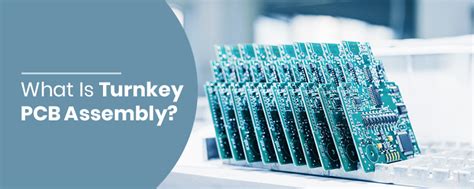
Turnkey PCB solutions represent an all-encompassing approach to PCB assembly that simplifies the complexities often associated with the manufacturing process. Essentially, these solutions bundle together all necessary services, from the initial design to final assembly and testing of PCBA (Printed Circuit Board Assembly). Clients benefit significantly from engaging in turnkey services, as they can rely on a single supplier to manage every aspect of production, leading to enhanced control over quality and timelines. With a focus on efficiency, turnkey PCB providers typically offer rapid prototyping, sourcing of components, automated PCB assembly, and rigorous testing procedures. This comprehensive service model not only reduces the burden on manufacturers but also mitigates the risks commonly tied to coordinating multiple vendors. By streamlining operations and ensuring all components are managed under one roof, these solutions are designed to cater to both manufacturers looking for cost-effective production and consumers who require consistent quality in their electronic products. Ultimately, embracing turnkey PCB solutions can lead to improved project turnaround times and an overall boost in productivity for businesses within the electronics industry.
Key Benefits of Using Turnkey PCB Services
Turnkey PCB services offer a range of benefits that significantly enhance the efficiency and effectiveness of the pcb assembly process. One of the primary advantages is the integrated approach these services provide, which encompasses everything from design to production and assembly. This comprehensive strategy reduces the need for multiple vendors, thereby simplifying communication and minimizing potential misalignments. By engaging a single provider for both design and manufacturing, businesses can achieve faster turnaround times, leading to quicker market entry for their products. Additionally, the expertise of turnkey service providers in pcba processes ensures high-quality outcomes, as they utilize advanced technologies and best practices throughout every stage of production. Moreover, this service model often includes stringent quality control measures that enhance reliability and bolster consumer confidence in the final product. Cost-effectiveness is another critical aspect; by consolidating various stages of production into a single package, companies can reduce overhead costs significantly while maximizing their resource allocation. Overall, utilizing turnkey PCB services allows manufacturers to focus on innovation and strategic growth without being bogged down by logistical complexities inherent in traditional manufacturing setups.

The Turnkey PCB Production Process: A Step-by-Step Guide
The turnkey PCB production process is designed to simplify and optimize the manufacturing of printed circuit boards (PCBs) by offering a comprehensive set of services that cover everything from initial design to final assembly. This approach starts with an in-depth consultation where clients outline their specific requirements. Following this, the PCB assembly begins, wherein engineers use advanced software tools to transform innovative designs into practical layouts. Once the design is finalized, the manufacturing phase can commence. This includes sourcing high-quality materials, fabricating the actual PCBA, and performing rigorous testing to ensure durability and functionality. Each stage is executed with precision, allowing for a seamless workflow that minimizes potential delays and reduces production time. Notably, utilizing turnkey solutions means manufacturers can focus on core competencies while leaving the intricate details of assembly and supply chain management in capable hands. The advantage of such an integrated approach is that it enhances collaboration among stakeholders and increases overall productivity. With fewer steps and streamlined communication, businesses can achieve higher efficiency levels while maintaining product quality — pivotal in today’s competitive landscape.
Enhancing Efficiency: How Turnkey Solutions Streamline Manufacturing
Turnkey PCB solutions offer an integrated approach that significantly enhances efficiency in the PCB assembly process. By providing a complete package that encompasses design, sourcing, manufacturing, and testing, these solutions eliminate the need for manufacturers to juggle multiple vendors and different stages of production. This streamlined workflow reduces lead times and minimizes potential miscommunications that can arise when using separate entities for each phase. As a result, companies can achieve faster turnaround times on PCBA projects, which is crucial in today’s fast-paced market. Additionally, with all processes under one umbrella, there is a greater potential for quality control; inconsistencies can be identified and rectified early in the manufacturing process. This not only ensures a high-quality end product but also fosters better collaboration between teams, enabling manufacturers to meet deadlines with greater confidence. Adopting turnkey solutions ultimately positions companies to respond more adeptly to market demands while focusing their resources on core competencies.
Comparing Traditional PCB Production to Turnkey Solutions
When examining the landscape of PCB production, it is essential to understand the distinctions between traditional methods and turnkey PCB solutions. Traditional PCBA processes often involve multiple suppliers and fragmented workflows, leading to longer lead times and increased potential for miscommunication. Manufacturers typically need to source materials, manage logistic issues, and coordinate with various vendors for assembly stages. This piecemeal approach can complicate the supply chain and result in inefficiencies. In contrast, turnkey solutions present a more streamlined option by providing a comprehensive service that includes every stage of the process—from design through pcb assembly to final product delivery. By consolidating these tasks under a single provider, companies can minimize delays, reduce administrative workload, and proactively address quality control issues. Consequently, the use of turnkey services enhances overall production efficiency, allowing manufacturers to focus more on core competencies rather than logistical hurdles. This integration not only fosters stronger relationships between manufacturers and their suppliers but also helps in delivering faster project turnarounds while maintaining the highest quality standards in electronic production.
Case Studies: Successful Implementations of Turnkey PCBs
Examining real-world examples of turnkey PCB solutions illustrates their transformative impact across various sectors. For instance, a leading consumer electronics company adopted a turnkey solution for their latest portable device, significantly reducing time-to-market. By integrating pcb assembly services early in the design phase, the manufacturer benefited from streamlined communication between multiple vendors, facilitating seamless pcba operations. This resulted in a remarkable decrease in production errors and allowed for rapid prototyping and iterations, leading to greater product innovation.
Another case involved an automotive parts manufacturer that leverages turnkey PCB services to develop complex electronic control units. By outsourcing the entire process—from design to final assembly—the company not only optimized its supply chain but also ensured high-quality standards throughout every stage of production. This strategic approach to using pcba capabilities allowed them to redirect internal resources towards core development while enhancing operational efficiency.
These case studies exemplify how comprehensive turnkey solutions facilitate better resource management, foster collaboration, and ultimately enhance the manufacturing process for various applications. Such implementations underscore the growing trend within industries towards integrated services that not only solve immediate production challenges but also contribute to long-term operational success.
Future Trends in Turnkey PCB Manufacturing
As the demand for more integrated and compact electronic devices continues to rise, the turnkey PCB manufacturing industry is poised for significant transformation. One of the key trends is the increasing adoption of advanced materials that enhance performance and reliability in PCB assembly. Manufacturers are focusing on high-frequency and high-density interconnect (HDI) technologies, which allow for pcba designs that maintain functionality while substantially reducing size. Additionally, industry players are investing in automation and digital technologies to optimize production processes; this not only boosts productivity but also minimizes human errors associated with manual handling. Further, the implementation of sustainable practices is becoming crucial as companies seek to reduce their environmental impact; recyclable materials and energy-efficient processes are at the forefront of this shift. As we look ahead, it will be essential for manufacturers to stay agile, adapting their turnkey PCB services to accommodate evolving customer demands while leveraging these innovative trends to enhance operational efficiency and product quality. By embracing these future trends, the turnkey PCB sector can ensure it meets both current market needs and anticipates future challenges effectively.
Conclusion
In summary, the adoption of turnkey PCB solutions has markedly transformed the landscape of electronics manufacturing. By providing comprehensive services that encompass everything from design to PCB assembly, these solutions facilitate a more streamlined process for companies looking to produce high-quality products efficiently. The pcba process benefits manufacturers by reducing lead times and minimizing the complexities often associated with traditional production methods. Moreover, as manufacturers and consumers alike continue to seek out ways to optimize productivity, the efficiency and affordability of turnkey PCB services position them as a pivotal element in future manufacturing strategies. Embracing these solutions not only addresses immediate production challenges but also lays the foundation for sustainable growth in an increasingly competitive market. Understanding these dynamics is essential for stakeholders aiming to leverage turnkey PCB capabilities effectively, ensuring that they remain agile in meeting evolving industry demands. As technology continues to advance, the integration of turnkey solutions will undoubtedly play an essential role in shaping the future of PCB assembly and overall manufacturing excellence.
FAQs
What is a Turnkey PCB solution?
A turnkey PCB solution refers to a comprehensive service that manages the entire PCB assembly process for you, from design to manufacturing and assembly. This approach allows manufacturers to focus on their core business while leaving the intricate details of PCBA to specialists.
How does turnkey PCB production differ from traditional methods?
Traditional methods often involve multiple suppliers and various steps, leading to potential delays and miscommunication. In contrast, turnkey solutions provide a single source for all services, significantly enhancing coordination and overall efficiency.
What are the advantages of using turnkey PCB services?
The benefits of utilizing turnkey PCB services include reduced lead times, lower costs due to bulk purchasing and streamlined workflows, improved quality control, and simplified communication. All these factors contribute to a more efficient manufacturing process.
Is cost-effectiveness a benefit of turnkey PCBs?
Yes, turnkey PCBs are generally more cost-effective compared to managing separate processes because they eliminate redundancies and allow for greater economies of scale.
Who can benefit from turnkey PCB solutions?
Both manufacturers looking for efficiency in production and consumers in need of reliable electronic components can greatly benefit from turnkey PCBA solutions, as they enhance product delivery timelines and overall quality.