
Choosing the Right PCB Board Manufacturer for Your Needs

Key Takeaways
When choosing the right PCB board manufacturer, there are several key aspects that you should take into account to ensure a successful partnership. The first factor is the experience and expertise of the pcb manufacturing companies you consider. A manufacturer with a proven track record can offer valuable insights and ensure they meet your specific requirements. Additionally, understanding the pcb manufacturing processes employed by potential partners is vital. It will help you gauge how capable they are of meeting your project timelines and complexities.
Another crucial element is to evaluate the pcb manufacturing cost, ensuring that it aligns with your budget while still maintaining quality. Remember, the cheapest option may not always be the best when it comes to long-term reliability and performance. Instead, focus on finding a balance between quality and price that suits your production needs.
Furthermore, do not underestimate the importance of good communication and support from your manufacturer; this can greatly affect the efficiency of your operations and aid in troubleshooting any issues that may arise during production. Ensuring that your chosen manufacturer adheres to relevant quality standards will further contribute to minimizing risks in your pcb manufacturing business.
Lastly, keep an eye on regulatory compliance as it varies across regions; understanding these regulations might save you from potential setbacks later in the project lifecycle. For more information on reputable manufacturers in this field, consider exploring resources like Andwin PCB.
Choosing the Right PCB Board Manufacturer: An Overview
When exploring the realm of PCB manufacturing, selecting the right manufacturer is crucial for the success of your projects. With a plethora of PCB manufacturing companies available, you need to consider several factors to ensure that your choices align with your specific production needs. First, evaluate the manufacturer’s experience and expertise in handling various types of PCBs. Check their portfolio and customer testimonials for insights into their capabilities. Additionally, understanding the PCB manufacturing cost is vital—ensure you balance quality with budget by seeking quotes from multiple suppliers while factoring in any hidden costs associated with lower-priced options.
The complexity of your project may also dictate whether you collaborate with a local vendor or an overseas manufacturer. Each option has its advantages; local manufacturers may provide quicker turnaround times and better communication, while overseas companies might offer more competitive pricing due to lower operational costs.
“Quality should never be sacrificed for cost—always seek a balance that meets your needs.”
Moreover, inquire about the technologies and processes they employ for PCB manufacturing. Automated systems versus manual processes can greatly affect both efficiency and accuracy in production. Ensuring that a potential partner adheres to recognized quality standards is also a critical step in your selection process.
As you embark on this journey, remember that effective communication and reliable support from manufacturers are equally important as they play a founding role in navigating challenges that arise throughout your project lifecycle. By prioritizing these aspects, you’ll be better positioned to select a manufacturer who not only meets but exceeds your expectations in your PCB manufacturing business ventures.
| Factor | Local PCB Manufacturer | Overseas PCB Manufacturer |
|---|---|---|
| Communication | High | Variable |
| Lead Time | Short | Longer |
| Cost | Higher | Usually Lower |
| Quality Assurance Certifications | More Accessible | Can Vary |
| Shipping Time | Immediate | Longer |
In summary, making an informed decision requires research and consideration across several facets of the PCB manufacturing landscape. This comprehensive approach will ultimately lead you to find the right partner tailored to fit your specific project requirements while ensuring high-quality outcomes.

Key Factors to Consider When Choosing a PCB Manufacturer
When selecting a PCB board manufacturer, there are several key factors you should take into account to ensure that your projects meet desired standards and efficiency. First and foremost, consider the pcb manufacturing capabilities of the company. Analyze their range of services and expertise in materials used for production, as this will impact the performance and longevity of your product. Assessing the experience and reputation of various pcb manufacturing companies is also essential; look for reviews or case studies that showcase their past work and client satisfaction.
Next, focus on pcb manufacturing cost. While it might be tempting to opt for the lowest price, it’s important to find a balance between cost efficiency and quality. A good manufacturer will provide value rather than just low pricing; therefore, understand what services are included in their costs, such as prototyping or testing. Don’t forget to inquire about their flexibility in handling customization needs since your project may require specific adjustments or alterations that could impact overall production timelines.
Communication plays a crucial role as well—ensure that you have clear channels for discussing project details with your selected manufacturer. A supportive supplier can significantly influence the success of your pcb manufacturing business, so establish whether they provide consistent updates and address your concerns promptly. By considering these essential factors, you not only increase the chances of successful collaboration but also set the foundation for achieving high-quality results in your PCB projects.
Comparing Local vs. Overseas PCB Manufacturers
When selecting a PCB board manufacturer, one key consideration is whether to partner with local or overseas PCB manufacturing companies. Local manufacturers often offer the advantage of shorter lead times and easier communication, which can lead to faster problem solving and more personalized support. Additionally, proximity allows you to conduct on-site visits for quality assurance, giving you peace of mind regarding PCB manufacturing processes and standards. On the other hand, many overseas manufacturers can provide competitive pricing and higher production volumes due to their established supply chains, which may lower your overall PCB manufacturing cost. However, these savings can sometimes come at a cost in terms of quality control or longer delivery times. Ultimately, the choice between local and overseas options will depend on your unique needs and priorities in your PCB manufacturing business. Assessing factors like quality assurance protocols, shipping logistics, and production timelines will help you determine which route is best aligned with your project’s goals.
Understanding PCB Manufacturing Processes and Technologies
When you delve into the world of PCB manufacturing, understanding the intricate processes and technologies involved is crucial for making informed decisions. The manufacturing journey begins with design and prototyping, where pcb manufacturing companies utilize advanced software tools to create intricate layouts based on specific requirements. Once designs are finalized, they move into production, which generally involves several key processes, including etching, drilling, plating, and solder mask application. Each of these stages plays a significant role in determining the quality and reliability of the finished product.
You should also consider the technologies employed by different pcb manufacturing businesses. For instance, some manufacturers might utilize traditional processes, while others adopt cutting-edge techniques such as automated optical inspection (AOI) or selective soldering, which can enhance precision and efficiency. This distinction can significantly impact your final product’s performance and longevity.
Additionally, the choice of materials used in pcb manufacturing is another critical factor to keep in mind. High-grade materials can reduce defects and enhance conductivity but at a higher pcb manufacturing cost. Thus, balancing quality with budget constraints is paramount. Understanding these elements will help you choose a manufacturer that aligns with your project’s specific needs while ensuring top-quality results that meet industry standards.

Evaluating Quality Standards in PCB Production
When selecting a PCB board manufacturer, one of the most critical aspects to consider is the quality standards they adhere to in their PCB manufacturing processes. Quality assurance can significantly impact your final product, whether you are working on a prototype or a large-scale production run. Look for manufacturers that follow international standards, such as ISO 9001 or IPC-A-600, as these certifications indicate a commitment to rigorous quality control practices. Moreover, investigate how these PCB manufacturing companies perform testing and inspections throughout the production cycle. It’s essential to ensure they utilize advanced technologies and methods for evaluating the integrity and reliability of their PCBs before shipment. Understanding the PCB manufacturing business means recognizing that low PCB manufacturing costs may come at the expense of quality, so it is vital to strike a balance between cost and the assurance of high-quality materials and processes. Requesting samples can also provide insight into their production capabilities—enabling you to assess if their standards align with your specific project needs.

Cost Considerations: Balancing Quality and Price
When selecting a PCB board manufacturer, one of the most crucial aspects to weigh is the pcb manufacturing cost. While it may be tempting to choose the lowest bid, remember that compromising on quality can lead to significant setbacks in your pcb manufacturing business. To ensure you receive a high-quality product, you need to strike a balance between price and quality. Research various pcb manufacturing companies, and understand their pricing structures while evaluating their track record for reliability and performance. You should also consider the materials and technologies they employ, as these can directly impact your project’s success. For instance, manufacturers that use advanced techniques may require higher upfront costs but can provide durability and precision that justify the investment in the long run. Ultimately, assessing costs should encompass not just monetary considerations but also how these expenditures contribute to the overall quality of your end product. By prioritizing both quality and affordability, you can lay a strong foundation for your electronic projects, ultimately leading to successful outcomes in your endeavors.
The Importance of Communication and Support from Manufacturers
When selecting a PCB board manufacturer, one of the critical factors to consider is the level of communication and support they provide. Effective communication can significantly impact the success of your project, ensuring that your specific needs are understood and met seamlessly throughout the PCB manufacturing process. A manufacturer who engages in proactive dialogue allows for a smoother collaboration, assisting you in navigating complexities—be it related to design modifications or production timelines. Moreover, strong support systems facilitate quick solutions to any issues that may arise during production. This is particularly important for projects with tight deadlines or particular specifications, where misunderstandings can lead to delays or increased PCB manufacturing costs. Partnering with responsive PCB manufacturing companies that prioritize customer service can enhance your overall experience and yield higher-quality results. In this competitive landscape where the PCB manufacturing business is rapidly evolving, aligning yourself with a manufacturer that not only understands technical requirements but also values communication can set you apart from others who may underestimate its importance. Trusting your instincts when assessing their responsiveness is crucial; a reliable partner will be as invested in your success as you are.
Navigating the Regulatory Landscape in PCB Manufacturing
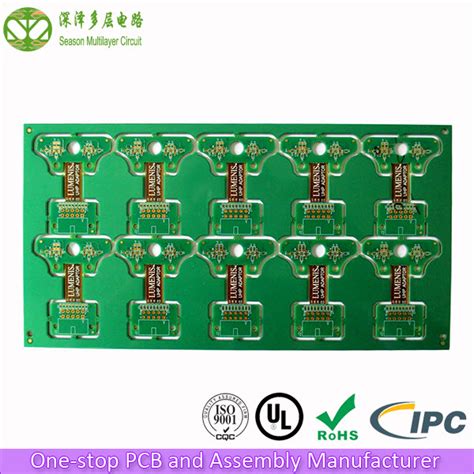
When engaging with pcb manufacturing, it is crucial to navigate the complex regulatory landscape that surrounds it. Each region and country may have specific guidelines and standards that pcb manufacturing companies must adhere to for compliance and safety. Understanding these regulations will not only help you avoid potential legal issues but also ensure that the pcb manufacturing business you choose upholds the best practices in production processes. For instance, organizations such as IPC (Institute for Printed Circuits) set forth standards that govern quality control, materials used, and environmental practices, among other factors. Ensuring that your selected manufacturer complies with these standards can greatly affect the pcb manufacturing cost as well as the overall quality of your final product. Therefore, it is recommended that you inquire about the certifications and compliance measures of potential manufacturers to guarantee adherence to applicable laws and regulations. This diligence not only safeguards your investment but also aligns with your commitment to producing reliable and high-quality electronic products. By prioritizing manufacturers with a solid regulatory record, you enhance your project’s credibility and performance in a competitive market landscape.
Conclusion
In summary, choosing the right PCB board manufacturer is crucial for the success of your projects. You must consider various factors to ensure your needs are met without compromising on quality. First and foremost, understanding the pcb manufacturing processes offered by different manufacturers can help you see how their capabilities align with your production requirements. Additionally, examining the pcb manufacturing companies in relation to quality standards can reveal which ones adhere to strict regulations and practices, ultimately impacting the integrity of your final product. Another vital aspect to consider is pcb manufacturing cost; balancing this with quality can save you both time and resources in the long run. Communication plays a significant role as well; having a responsive manufacturer ensures that any concerns you may have can be addressed promptly and effectively. By taking these factors into account, you will be well-equipped to make an informed decision for your pcb manufacturing business, leading to high-quality outcomes in your electronic projects.
FAQs
What should I look for in a PCB board manufacturer?
When selecting a PCB board manufacturer, consider factors such as their experience in the PCB manufacturing business, technological capabilities, and the quality of materials used. A reliable manufacturer should have a robust track record and be able to demonstrate compliance with industry standards.
How do I evaluate the PCB manufacturing cost?
To evaluate the PCB manufacturing cost, gather quotes from multiple PCB manufacturing companies and compare them. Ensure that you’re not only looking at the base price but also considering any additional costs for prototypes, shipping, or revisions that may arise during the production process.
Are local manufacturers better than overseas manufacturers?
This depends on your specific needs. Local manufacturers often provide better communication and faster turnaround times, while overseas manufacturers might offer lower pcb manufacturing costs. Weigh the pros and cons based on your project’s requirements, such as deadlines and budget constraints.
What technologies should I expect from PCB manufacturers?
Modern PCB manufacturing companies utilize advanced technologies such as automated assembly, surface mount technology (SMT), and multi-layer construction capabilities. These technologies enhance production efficiency and ensure high-quality outcomes for your projects.
How important is quality assurance in PCB manufacturing?
Quality assurance is crucial in the pcb manufacturing business, as it directly impacts the reliability of your products. Look for manufacturers who follow stringent quality control processes and hold relevant certifications that demonstrate their commitment to quality.
For more detailed information about choosing a manufacturer that suits your needs, please click here: Click Here